AgriYouth – Agricultural Experiences for Young People
European agriculture is experiencing a demographic crisis - only 11% of farms in the EU are run by people under the age of 40, and only 3% of that number are female.
Objectives
European agriculture is experiencing a demographic crisis - only 11% of farms in the EU are run by people under the age of 40, and only 3% of that number are female. While these figures only include the head of the farm, not young people working on the farm in a leadership capacity or those intending to take over in the future, they still point to a clear scarcity of young people leading farms across the continent. And as an older generation of farmers also stops farming, the situation is only worsened as overall farmer numbers start to dwindle from both ends of the age spectrum. Along side with the lack of interest in farming from young people, the barriers to entry to agricultural business are getting in the way of the young people to involve.
“Generational renewal” was listed as a priority aim of the 2023-2027 Common Agricultural Policy. The agricultural policy of the European Commission implements agricultural subsidies and programmes. It is best known for it's controversial 'Direct Payment schemes' where most of its subsidies are given according to the surface area of agricultural land and member states have been tasked with introducing measures tailored to national needs that entice young people into farming. As part of the CAP, the European Commission has asked member states to increase funding available for young farmers from a maximum of 2% of the current direct payment budget to a minimum of 3%. Therefore, providing information and knowledge in a basic level to young people will contribute to the generational renewal as well as the enticing young people to farming.
Engaging young people in agriculture is vital for the sustainability of the agricultural sector. With the average age of farmers rising, it is crucial to introduce the industry to younger talents who bring fresh perspectives and innovative ideas. Farming courses tailored for young enthusiasts can play a significant role in equipping them with the necessary skills and knowledge to excel in this field. Such educational programmes not only cover traditional farming techniques but also modern agricultural technologies, thereby preparing the youth for a wide range of farming jobs and activities. In that sense, the project will increase the knowledge of the young people while equipping them with necessary skills and knowledge to excel in agricultural field.
The increase of the understanding of young people about agriculture and developing interest on their involvement to agricultural sector will contribute to the generational renewal as agreed on the CAP Policy of EC. In addition to that, the involvement of young people to the agriculture will prevent the possibility of the issue of the food security in the long-run. By implementing this project, we aim to increase the awareness of young people on food security, agricultural experiences and usage of agricultural production methods. During the project, the young people will engage with the local farmers, learn about the traditional remedies on agriculture and try out the agricultural methodologies through gardening practices. In that sense, the project will create local awareness among the young people, while increasing the visibiltiy of the traditional methods and developing interest among young people on agricultural practices and the impact of the climate change on the food practices. With the project we will cover three different themes : food security, environmental awareness, and agriculture. While covering these themes, we will use hands-on tools and, during their engagement with local farmers, we will develop a small “farmers day”. There the participants will cooperate with the local community to promote the agricultural practices and increase the visibility of issues of the farmers in the community.
The specific objectives of the project:
- To increase the capacities of young people with agricultural experiences and making them understand the need of agricultural production in the developing world for food security
- To create awareness about the issues of food security and agricultural production in European communities through face to face activities
- To increase the visibility of the issues of the farmers among young people in Europe
- To qualify young people as young farmers for increasing their interest on agriculture and food production
- To create a local impact in Alcala la Real and making the local community aware about the issues of farmers through their dialogue with the young participants as well as making them engage with each other
- To increase the competences of young people and youth organisations for developing their abilities to implement activities based on agricultural practices and make them aware about the issues concerning agriculture and food security
Activities
The project activity will be implemented between 1-9 March 2026 with 32 participants ( 4 participants + 1 leader per country + 2 facilitators ) from 6 different countries ( Croatia, Italy, Portugal, Romania, Turkiye,Spain ). Spanish group will be 8 people ( 2 facilitators, 1 group leader and 5 participants ) in Alcala la Real as Youth Exchange. The reason that Spanish group is bigger due to operational reasons to be able to implement the youth exchange on timely manner and efficient manner as the activity consists of local actions such as engaging with face to face activities in households of Spanish people and implementing a day engaging local community members.
The methodology of the activities will be based on the non-formal education methods. The activities will be based on the self-directed learning methodology and the participants will learn from each other. The facilitators will be responsible both technical and logistical support to participants and leaders. The methods to be applied during the will be based on open space activities, group work, researches, hands-on-experience on implementing agricultural practices.
The aims of the activity :
1.To increase the young people’s skills on agricultural production skills and making them understand the importance of agriculture on food security
2. To share youth practices concerning agricultural practices, green skills and cultural expression
3. To create an awareness on the participants about the importance of engaging to agriculture and farming
4. To develop an interest among young people towards to engagement of farming as a profession
5. To create an awareness on the participants about the climate change issues in Europe and overconsumption.
6. To develop the skills of the participants in the field of agriculture and boost their interest through out involving them with the professionals in the field
Day by day explanation of the methods we will apply during the project process:
1 day :
(09: 00-17: 00) Arrivals
(19-00: 21: 00) Welcome to “AgriYouth”, Meeting and Presentations
(21:00 - 23:00) Welcome Evening
2 day :
(10: 00-11: 30) Getting to Know Each Other
(12:00 - 14:00) Ice Breakers and Trust Building
(16:00 - 17:30) Group Dynamics
(18:00 - 19:30) Non-Formal Education and Youthpass: Role play and presentations
3 day :
(10: 00-11: 30) Discussing about climate change and food consumption
(12:00 - 14:00) What is urban farming?
(16:00 - 18:30) Urban Farming & Community Development
(18:30 - 19:00) Self-Assessment Groups: Reflection
(21:00-23:00) Romanian – Portuguese- Turkish Cultural Night
4 day :
(10:00 - 14:00) Agricultural Practices – 1 : Urban Gardens / Theory & Practice
(16:00 - 18:30) Agricultural Practices – 2 : Vertical Farming ( Theory ) & Mushroom Production
(18:30 - 19:00) Self-Assessment Groups: Reflection
(21:00 - 23:00) Spanish - Croatian – Italian Cultural Night
5 day :
(10:00 - 14:00) Farm Visits & Learning traditional Farming Methods – 1
(15:00 - 16:30) Farm Visits & Learning traditional Farming Methods – 2
(16:30 – 19:00) Cultural Site Visits
(18:30 - 19:00) Self-Assessment Groups: Reflection
6 day:
(10:00 - 14:00) Developing community garden & urban farming – 1 : Practice
(15:00 - 16:30) Developing community garden & urban farming – 2 : Practice
(18:30 - 19:00) Self-Assessment Groups: Reflection
7 day :
(10:00 - 14:00) Preparing for Farmers’ Day & Inviting Local Community
(16:00 – 19:30) “Farmers’ Day” – Learning from Experts ( Q&A session )
8 days :
(10:00 - 11:00) Erasmus +: Simulation and Presentations
(11:00 - 16:30) Planning of Projects: Group work and visual presentations
(17:00 - 19:00) Evaluation and Youthpass: Reflection and presentation
Day 9:
(09:00) Departures
Participant Profile :
- Have interest on agricultural production, farming and climate change issues
- Has tendency to take initiative and motivation to develop agricultural production practices upon his/her return back to sending country
- Has a basic level of English ( A2 – B1 )
- Has economical / geographical and barriers linked to education and training systems ( young people with fewer opportunities ) – 2 people in each participating country
- Willing to develop activities upon their return
- Have no experience abroad ( the positive selection criteria )
- Willing to discuss about the climate issues in Europe and the world
- Willing to engage local activity with the people from Spain to engage with farmers and local community
- Willing to involve in intercultural and international activities
Impact
The young people will develop skills on agricultural products and agricultural manufacturing. Majority of young people during this era, do not have enough skills on gardening or engaging with the soil. Morevoer, the young people will have an opportunity to learn about the life experiences of farmers through “farmers day” that we will implement where they will be able to ask their questions about agricultural production and engagement to the farming. The project will empower young people to develop their own agricultural projects and ideas not only with their organizations but in their houses, their surroundings and communities by using the knowledge that they will get throughout the project.
The youth exchange will create a direct impact on the young people as they will become aware about the impact of climate change on the agricultural products and they will gain knowledge about the issues of food security, climate change and agricutlure. Agricultural experiences will serve as a tool to promote the farming and engagement of young people in the aging farming and food production businesses through community development. They will develop their own agriculture projects to implement in their countries and it will give young people opportunity and space to practice their skills in their communities. The activities that will be implemented within the project, will help young people to understand the issues of farmers in Spain and it will give them a space to discuss about the food security and agricultural experiences.
The young people will become qualified practitioners of agricultural practices as a result of the activity. With the knowledge, they have gained during the implementation of the activities, they will become more able to implement their own agricultural projects from urban gardens to indoor farming ideas to develop these activities in their own communities upon return and multiply the knowledge that they have gained during their stay in Spain. In addition to that, we will document the overall process as a booklet for the participants to use upon their return so that they can develop their own farming practices with the knowledge that they have gained during the project. Thus, the young people will benefit not only during the implementation of the activities but after the project for a very long time. In addition to that, the project will benefit the young people by creating awareness on the issues concerning to the food security, climate change and the urban gardening. They will be able to implement new activities in their countries to promote the skills that they have gained theoretically and practically within the project. In addition to that, due to engagement of young people from different countries, the project will increase the cultural expression skills of young people and make them aware about the cultural differences.
Participants will learn about the practical and theoretical skills concerning to the agricultural practices and it will help them to develop skills by using the methods that they have learn concerning to the creation of agricultural projects in their communities and promote inclusion through the usage of these practices. Due to their involvement with the local community during farm visits and farmers day, the young people will become more aware about the issues concerning to the aging and the issues of the young people in the rural areas. They will become more aware about the issues of the low income communities are facing when it comes to reach out the food and they will become change makers to promote this awareness to tackle with the issue of the food security in the communities. In that way, the project will not only increase the theoretical and practical skills but make young people to engage their communities to the implementation of agricultural practices. In addition to that due to implementation of the activities in English and Spanish due to the local community involvement, the participants language skills concerning to the different languages will increase and it will create a long-lasting impact on the young participants' life. Moreover, the skills of the participants will increase due to implementation of the follow-up actions in the participants countries as they will involve the young people who are interested in developing agricultural projects in their own communities.
Partners
- 🇪🇸ASOC SOCIO CULTURAL VERDESUR ALCALA
Spain - 🇷🇴Asociatia Agoje
Romania - 🇹🇷GAZIANTEP EGITIM VE GENCLIK DERNEGI
Türkiye - 🇭🇷Medunarodna udruga mladih EUTOPIA
Croatia - 🇮🇹Società Cooperativa Sociale Cosmos
Italy - 🇵🇹Associação Leopardo Daltónico
Portugal
From Instagram
Reels load from Instagram when you play them.
Related news
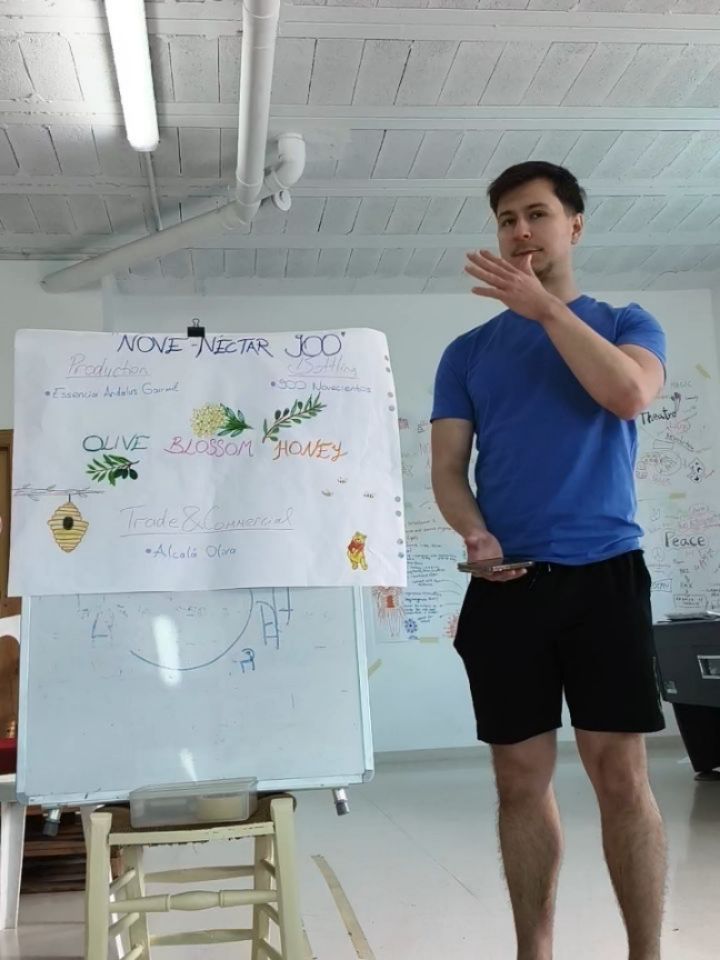
AgriYouth youth exchange took place in Alcalá la Real
The Erasmus+ youth exchange AgriYouth took place in Alcalá la Real, bringing green skills and new friendships.
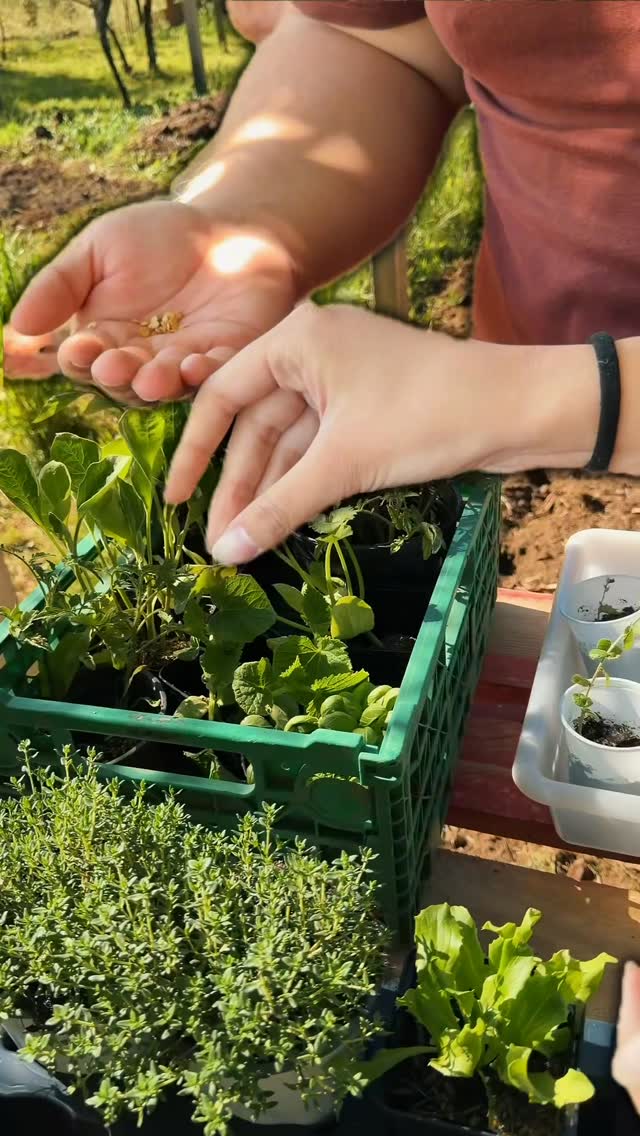
Planting and learning at AgriYouth
AgriYouth participants learned by planting.
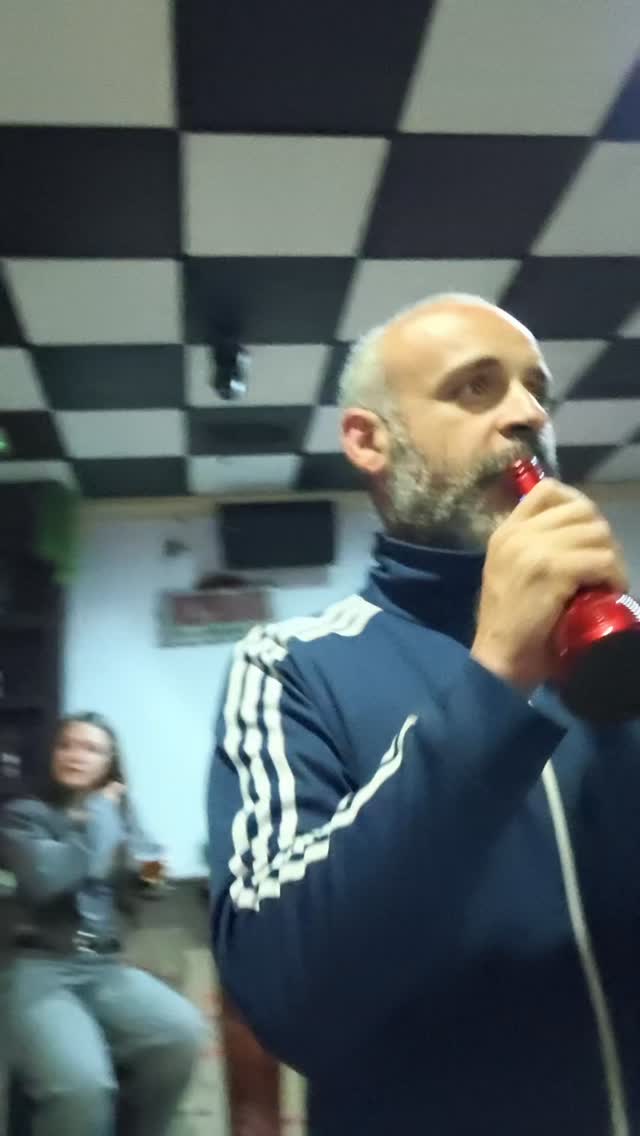
Intercultural night at AgriYouth
The AgriYouth group held an intercultural night.
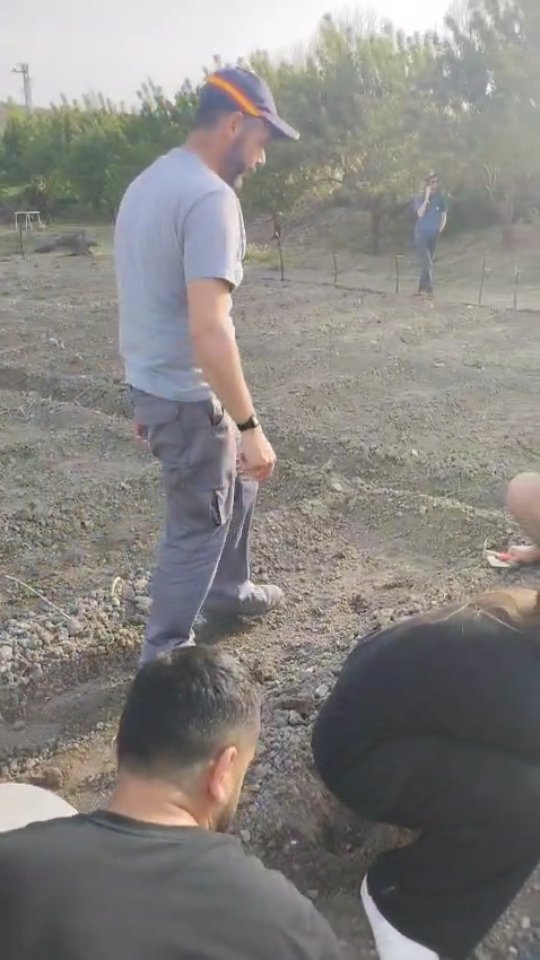
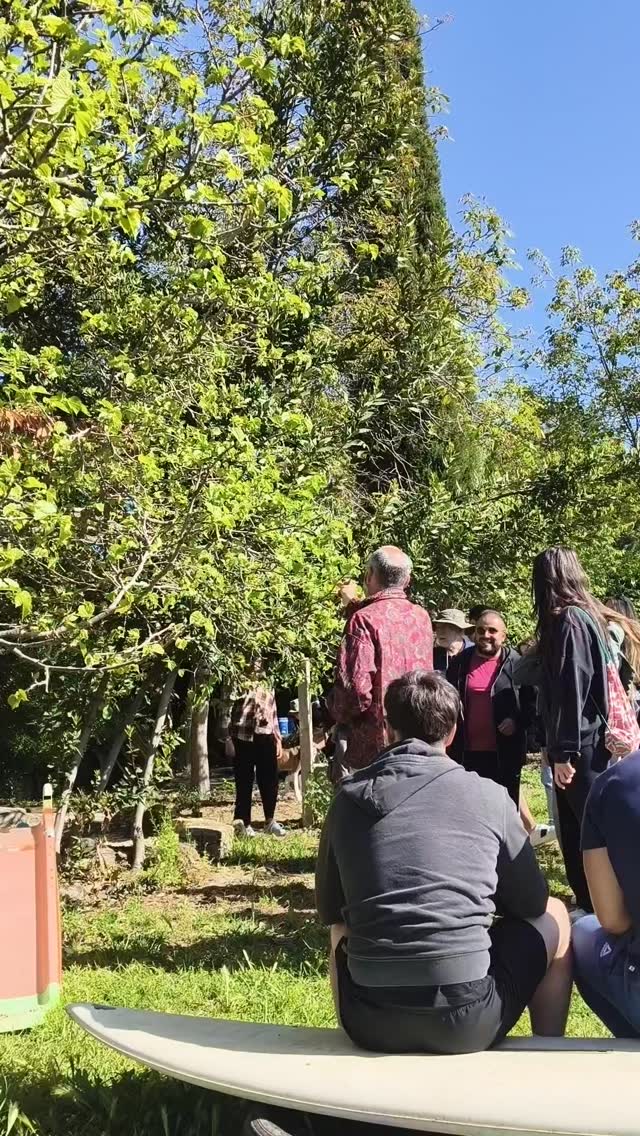
AgriYouth visits El Ecohuerto de Saúl
The AgriYouth group visited @elecohuertodesaul, in a video made by one of the participants.
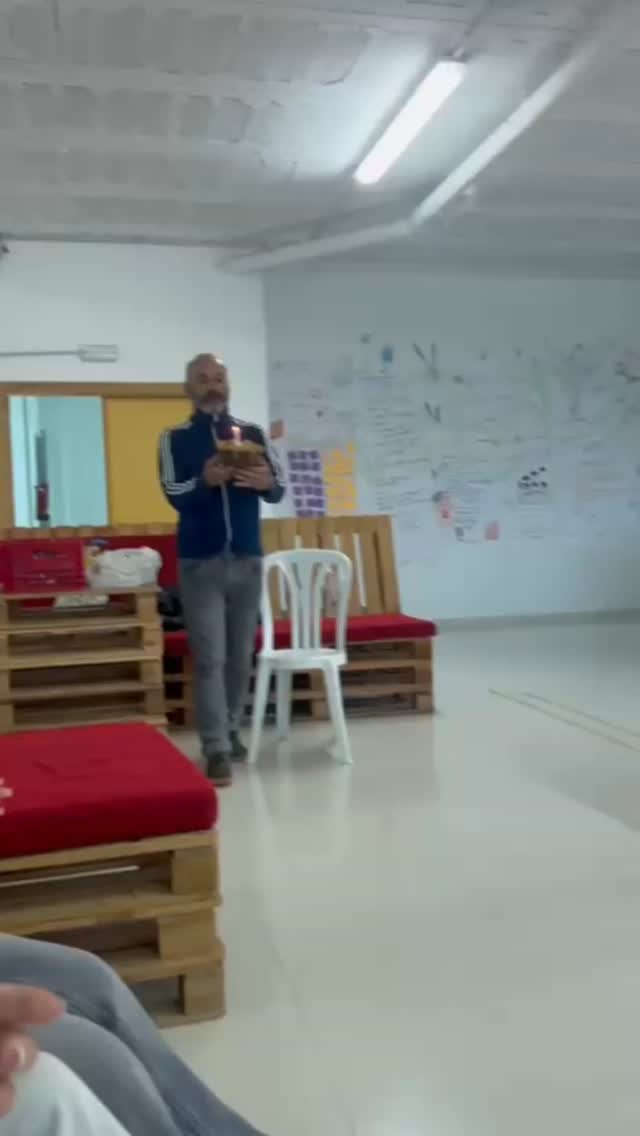
AgriYouth celebrates Vino's birthday
The AgriYouth group celebrated Vino's birthday.
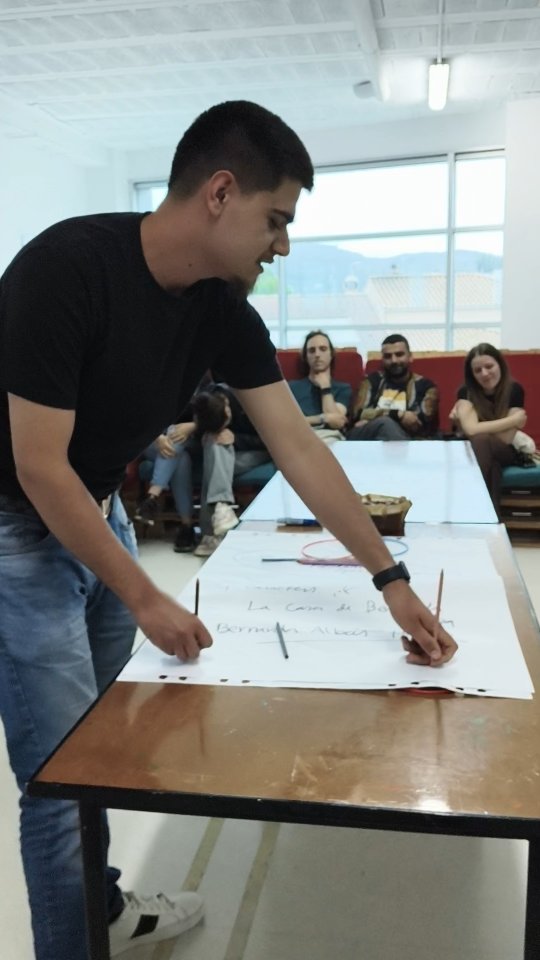
Erasmus+ presentations on agriculture
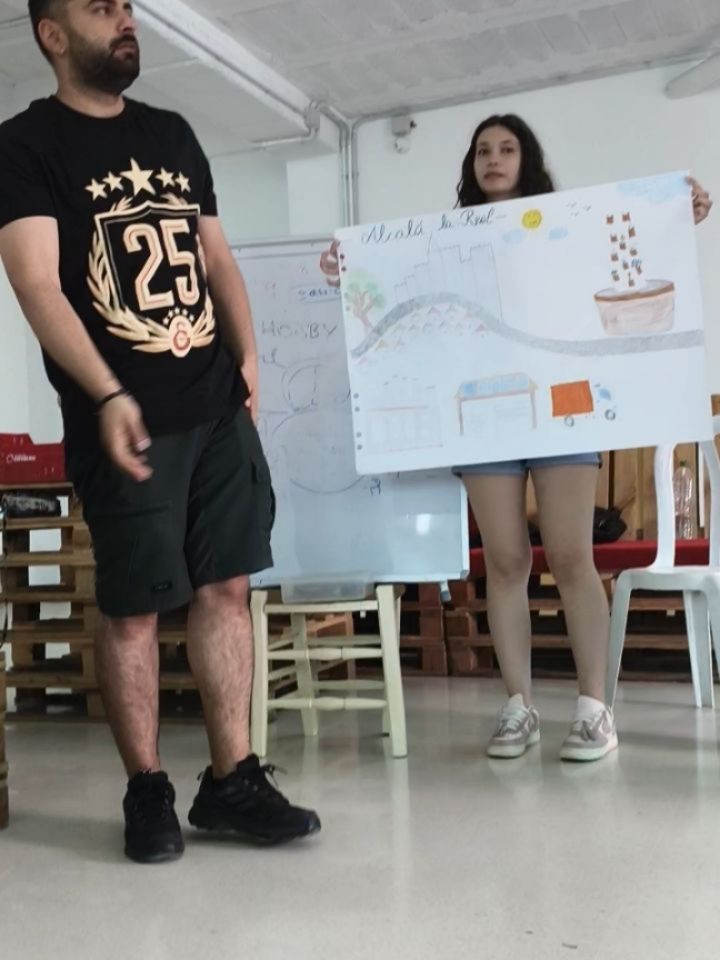
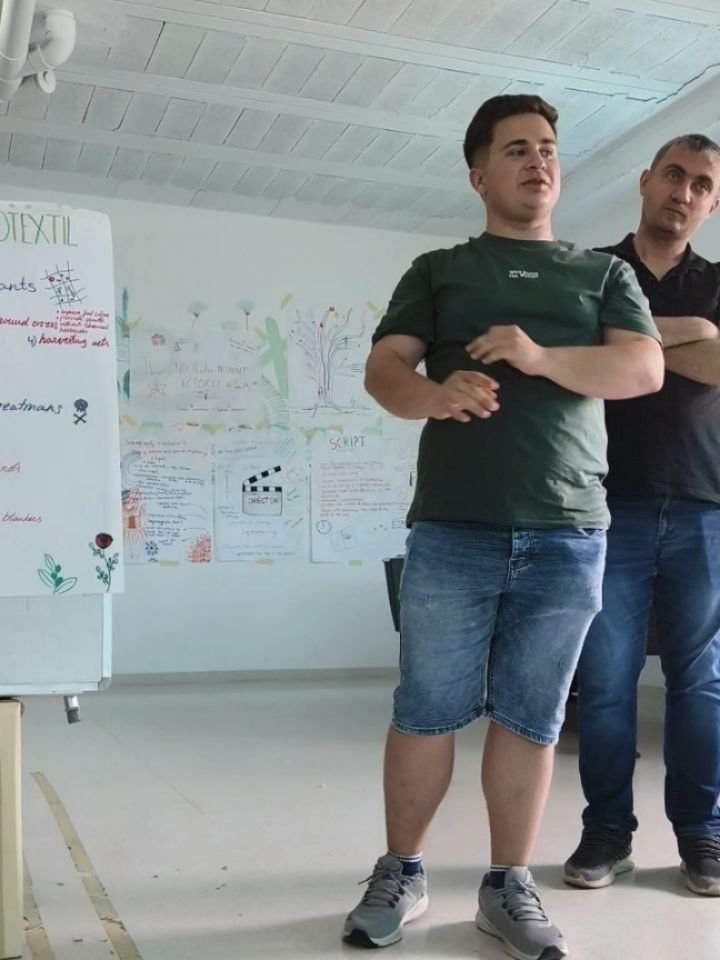
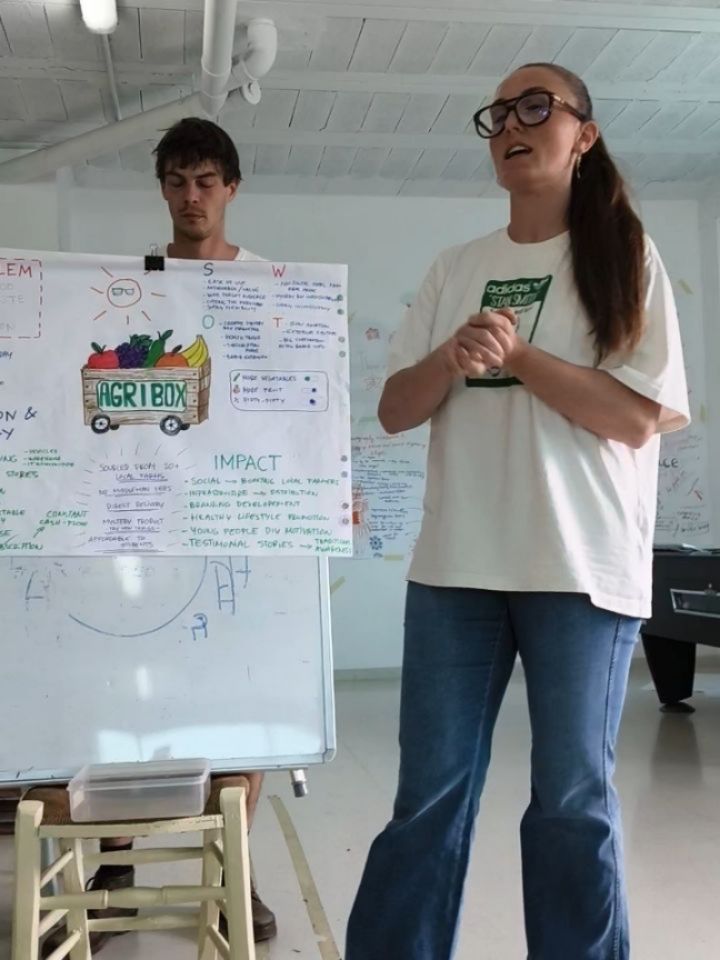
AgriYouth participants gave presentations on agriculture.

Co-funded by the European Union. Views and opinions expressed are however those of the author(s) only and do not necessarily reflect those of the European Union or the Spanish National Agency for Erasmus+ Youth and the European Solidarity Corps (INJUVE). Neither the European Union nor the granting authority can be held responsible for them.