Artivism for Solidarity, Inclusion and Creativity
When we try to solve a problem, we often look for useful data that can guide us to the "right" answer. This kind of thinking, called convergent thinking, works very well when the problem is clear and calls for a reasonable solution.
Objectives
When we try to solve a problem, we often look for useful data that can guide us to the "right" answer. This kind of thinking, called convergent thinking, works very well when the problem we want to solve is clear and calls for a reasonable solution. But for bigger and more complex problems, convergent thinking can be too limited: by focusing on existing facts to reach one specific answer, we are likely to miss some interesting solutions. Divergent thinking is about exploring many ideas starting from one question, creating unexpected connections and encouraging spontaneity. It is the ability to generate many different original ideas in response to a given problem. These ideas can produce new and innovative solutions to the challenges society faces, and take them to a new level through the methods of art.
Artivism for Social Peace was a project to make young people aware that they can be agents of change in tackling the social problems of today's society. While developing it, we drew inspiration from another project we were already running under the Erasmus+ Covid-call Strategic Partnerships: ARTivistic – Artistic Approaches to Solidarity, Inclusion and Creativity in Europe. Our project aimed to create change by raising young people's awareness of social problems through artistic tools and a divergent-thinking methodology.
During the youth exchange we worked on the following themes:
- Social peace: the EU is seen as a peace project, yet challenges such as Covid-19 and populist governments promoting nationalism and national values put this peace at risk by marginalising minorities, refugees, migrants and culturally distinct groups.
- Poverty: according to the World Bank, global extreme poverty rose at the end of 2020 after 20 years of decline, so raising awareness of the issue is very important.
- Employment: unemployment was already a problem, but it became more critical with the Covid-19 crisis and the economic downturn that came with it in Europe.
- Domestic violence: according to UN Women, cases of domestic violence intensified in the circumstances created by Covid-19 and increased during lockdown.
We chose the name Artivism for Solidarity, Inclusion and Creativity as an umbrella theme for the problems arising from the Covid-19 pandemic. We used art as a tool to approach these themes indirectly, raising awareness among young people through artistic tools. Young people are the group most affected by poverty, unemployment and domestic violence because of their precarious situation. The main aim of the project was to raise awareness through art and creativity, addressing cross-cutting themes such as social peace, poverty, unemployment and domestic violence during Covid-19. The project worked directly with young people involved in the arts. The youth exchange increased the skills and knowledge of youth workers active in the arts and prepared them to work with young people in their own communities.
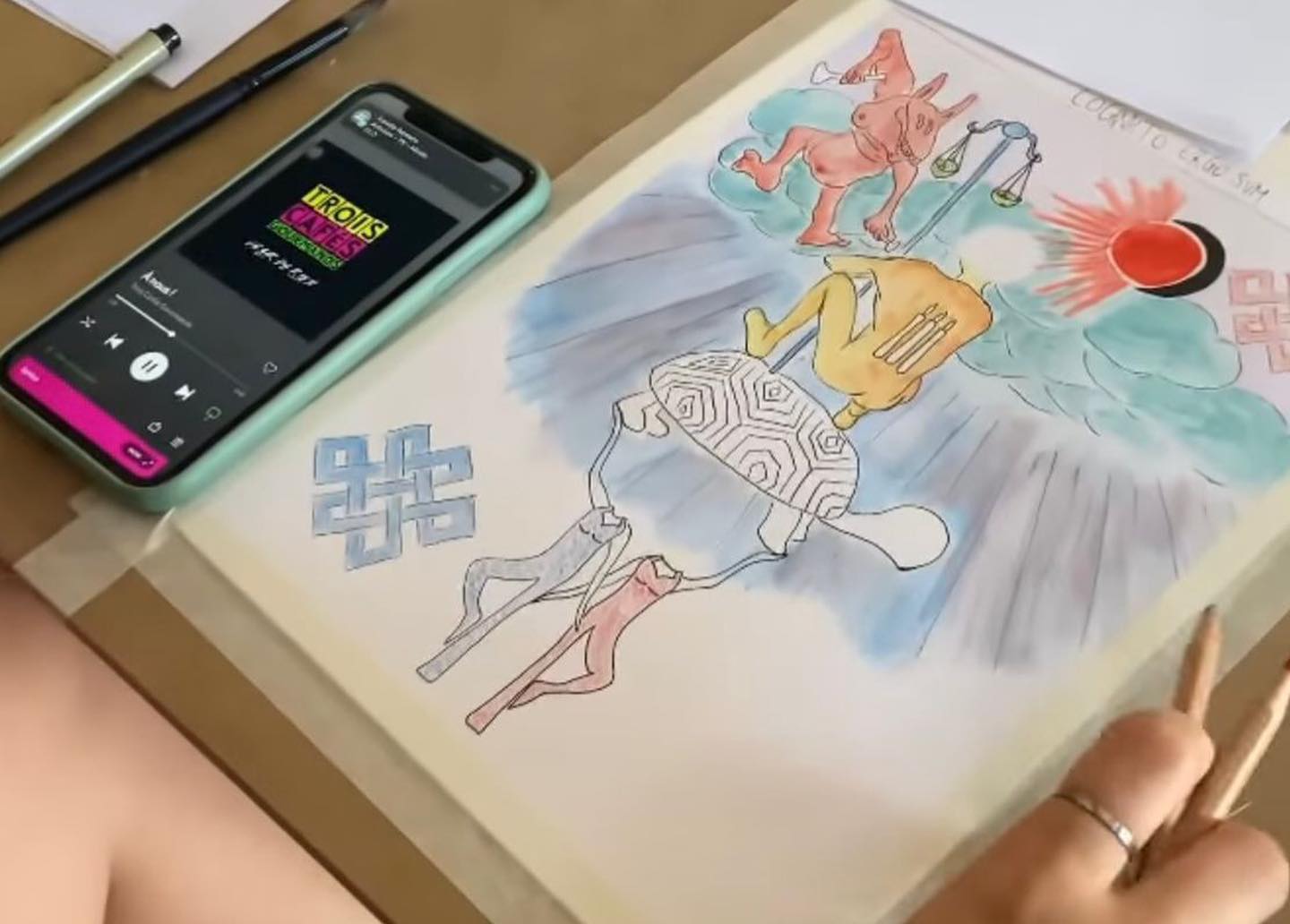
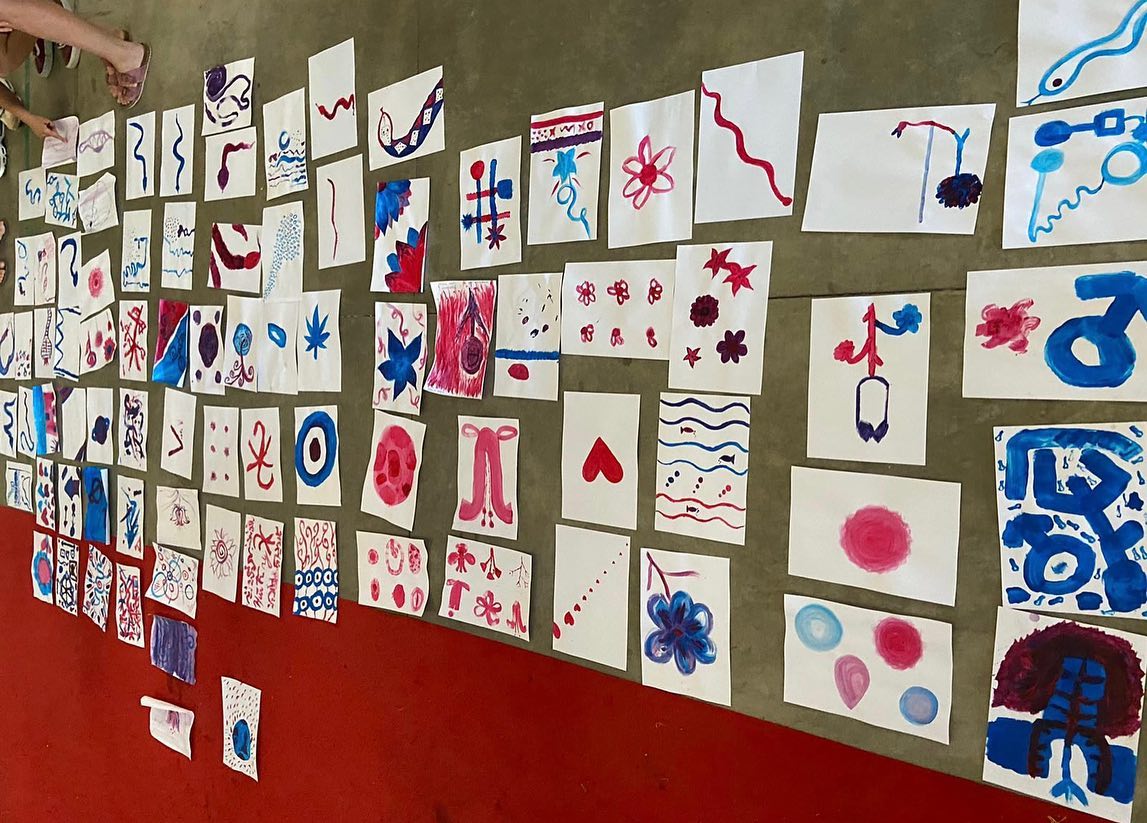
During the project we held an exhibition. Mixed country groups worked on the themes they considered important – social peace, poverty, unemployment or domestic violence – and developed artistic products such as dance, music, visual arts or graffiti, presented in public during the project. We covered all of these themes, dedicating one day to each.
Specific objectives of the project:
- To raise young people's awareness with the tools of art and the divergent-thinking methodology, and turn them into agents of change who raise awareness in their communities.
- To raise young people's awareness of the problems that stand in the way of social peace in the EU.
- To raise young people's awareness of the EU's problems during the Covid-19 pandemic.
- To transform the use of art as a tool of expression among young people.
- To qualify young people as conscious artivists, able to act on social problems for solidarity and inclusion in Europe.
Activities
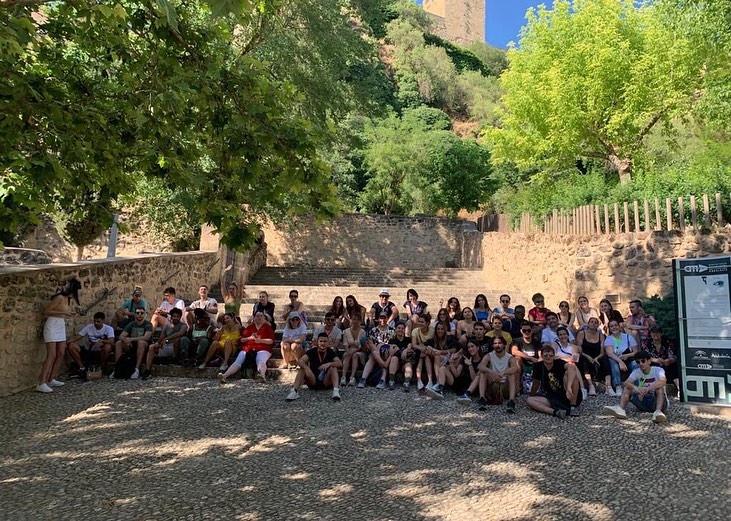
The project activity was carried out from 2 to 10 July 2022 as a youth exchange in Alcalá la Real, with 45 participants (6 participants + 1 leader per country) from six countries: Spain, Serbia, Bulgaria, Portugal, Italy and Hungary.
The methodology was based on non-formal education, and the activities were designed so that participants learned from one another. The leaders acted as facilitators, while our team gave technical and logistical support to participants and leaders. The methods used during the exchange included outdoor activities, open spaces, group work, research and visual presentations.
Objectives of the activity:
1. To learn effective methods for tackling social challenges by encouraging young people's creativity and participation.
2. To share interreligious and intercultural youth practices and experiences.
3. To make participants aware of artistic tools that contribute to intercultural dialogue.
4. To raise participants' awareness of social problems in Europe.
5. To develop participants' skills in the arts and show how they can be used in the social field.
Day-by-day methods used during the project:
Day 1:
(09:00–17:00) Arrivals
(19:00–21:00) Welcome to "Artivism for Solidarity, Inclusion and Creativity": meeting and introductions
(21:00–23:00) Welcome evening
Day 2:
(10:00–11:30) Getting to know each other: name games, group work
(12:00–14:00) Icebreakers: group work
(16:00–17:30) Group dynamics: simulation game
(18:00–19:30) Non-formal education and Youthpass: role play and presentations
Day 3:
(10:00–11:30) What is social peace? Research, group work and presentation
(12:00–14:00) Discussion on poverty: case studies in Europe
(16:00–18:30) The exclusion game – football with goggles
(18:30–19:00) Self-assessment groups: reflection
(21:00–22:00) Spanish, Portuguese and Italian cultural night
Day 4:
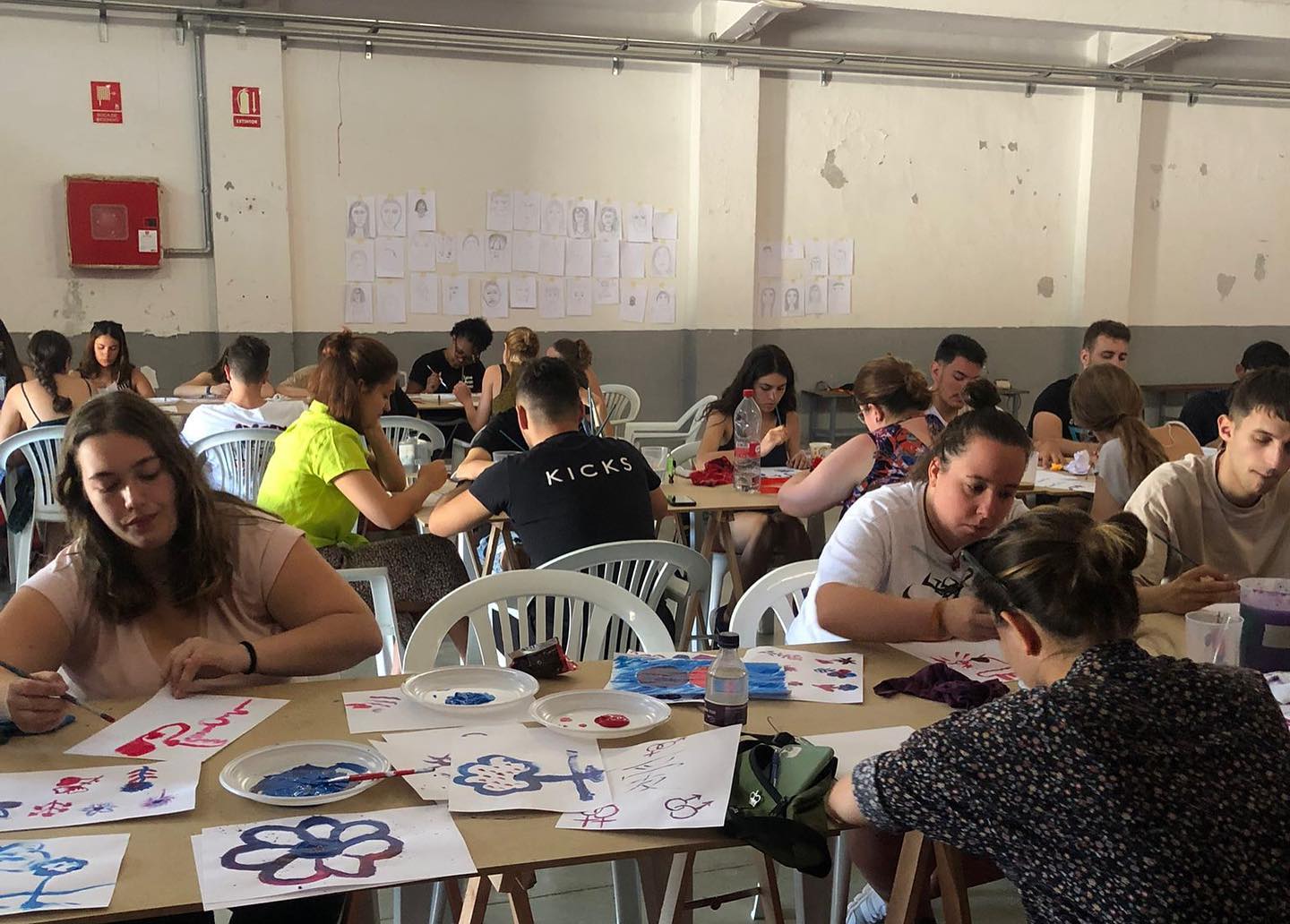
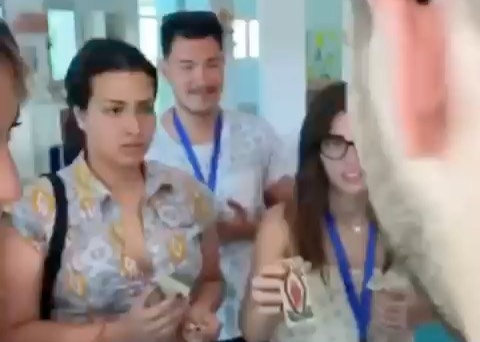
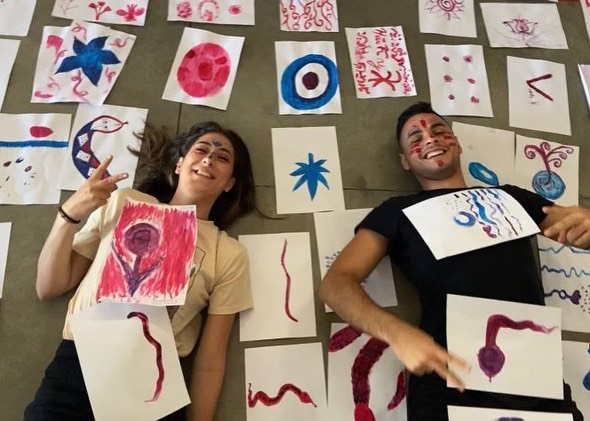
(10:00–11:30) Face-painting activity: simulation game
(12:00–14:00) Unemployment in Europe: presentation and group work
(14:00–18:00) Visits to cultural sites
(21:00–23:00) Bulgarian, Hungarian and Serbian cultural night
Day 5:
(10:00–11:30) Domestic violence: case studies
(11:00–13:30) Art and inclusion – art in Europe: debate, group work and visual presentations
(15:00–18:30) Planning local events: discussion, group work and visual presentations
(18:30–19:00) Self-assessment groups: reflection
Day 6:
(10:00–18:00) Local exhibition – preparation: outdoor activity
Day 7:
(10:00–19:00) Local exhibition / interaction with the public: outdoor activity
Day 8:
(10:00–11:00) Erasmus+ and the European Solidarity Corps: simulation and presentations
(11:00–16:30) Planning projects and exhibitions: group work and visual presentations
(17:00–19:00) Evaluation and Youthpass: reflection and presentation
Day 9:
(09:00) Departures
As the project focused on raising young people's awareness through art, participants worked on days 6 and 7 on the themes they considered important, according to their knowledge, experience and the issues they wanted to discuss. From the first day until day 6, they worked on the themes according to their knowledge and experience. This increased their participation and their motivation to create new work and to promote art in youth work and among young people as a tool of creativity and culture.
Participant profile:
- Experience with artistic tools (musician, video or photo artist, visual arts, theatre, etc.)
- Takes initiative and is motivated to work with artistic tools to express social peace
- Sensitive to social problems
- Basic English (A2–B1)
- Faces economic, educational or geographical obstacles (young people with fewer opportunities) – half of each national group
- Willing to develop activities after returning home
- No previous experience abroad (a positive selection criterion)
- Willing to discuss social problems in Europe
- Willing to perform art in front of an audience and share their knowledge with others
- Willing to take part in intercultural and international activities
Impact
The project increased the skills of young people in a socially precarious position; they were empowered and became aware of the problems around them. In this way the project gave them the opportunity to raise their voice through artistic tools in their own communities. As artists, they also discovered how art can address social problems in their communities and developed their own attitudes towards these problems. The youth exchange was the seed of the activities they planned to carry out as youth groups in their own communities. Young people therefore benefited directly from the project not only during implementation but also afterwards.
We also worked with the participants to develop new Erasmus+ activities that would involve them in other mobilities and connect them with the wider Erasmus+ programme. The project made the participants aware of these problems and used artistic tools for advocacy on them. It encouraged intercultural dialogue and awareness among the participants, who were exposed to an international environment with people from different cultures. It increased their skills in cultural expression and developed a positive attitude towards cultural differences.
Through the public event, participants had the chance to meet local young people, got to know Spanish culture better, learned more about Spain and developed positive attitudes towards our country. Local young people also benefited directly by meeting peers from different countries. With this activity, participants also gained the skills to organise exhibitions in their own communities, helping them connect with their communities through art and creating a lasting impact.
Participants developed their knowledge and skills on social issues, solidarity, inclusion and creativity in Europe. The project helped them develop the skills to address these problems and raise awareness through artistic approaches. They became aware of the social problems arising from Covid-19 that directly affect their daily lives and developed new coping and problem-solving strategies. In this way the project contributed positively to their participation in social life. Participants also improved their foreign-language skills by communicating in English rather than their own language throughout the activity, which had a lasting impact on their lives.
Participants' skills in developing art-based methodologies also grew, as they met artists from other countries and expanded their knowledge. As the facilitation team was made up of theatre professionals, fine-arts professionals and photographers, participants learned more about artistic tools and how to run art workshops focused on social problems.
The project helped young people with fewer opportunities, who were directly involved during implementation, and helped them start new activities in their own communities to address problems and promote social peace. It contributed to the inclusion of young people with fewer opportunities and of marginalised young people by promoting social peace among them and involving them through art, a universally accepted tool across all parts of society.
Finally, the participants qualified as artivists and became art volunteers, practising activism in their own communities on the issues they consider important and want to defend through art. In this way the project also promoted a positive attitude towards artistic practice in their communities and helped young people carry out activities.
Partners
- 🇪🇸Asociación Socio-Cultural VerdeSur Alcalá
Spain - 🇷🇸Development Center of Vojvodina
Serbia - 🇮🇹Beyond Borders ETS
Italy - 🇭🇺Hidak Ifjúsági Alapítvány
Hungary - 🇵🇹EXPERIMENTACULO ASSOCIACAO CULTURAL
Portugal - 🇧🇬Academy for active youth association
Bulgaria
From Instagram
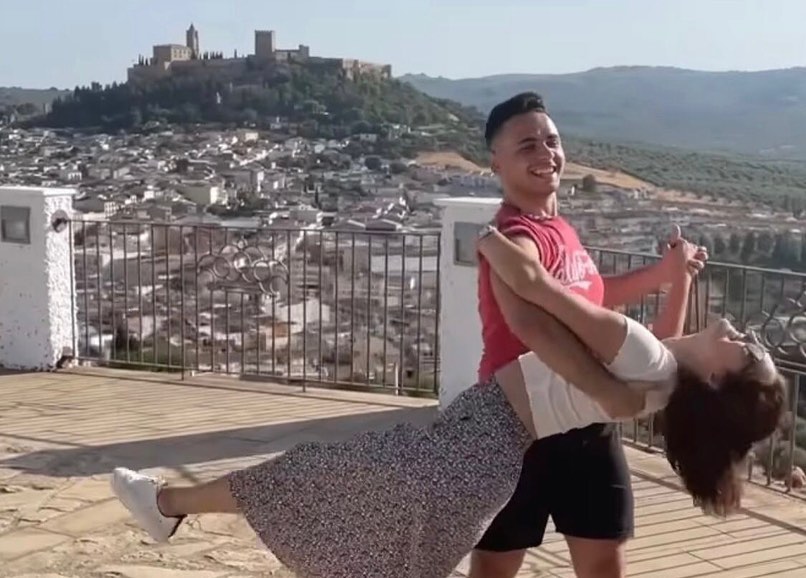
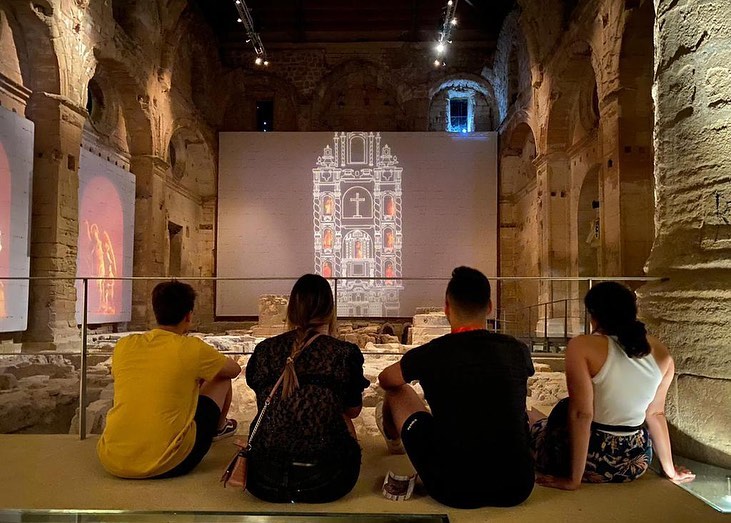
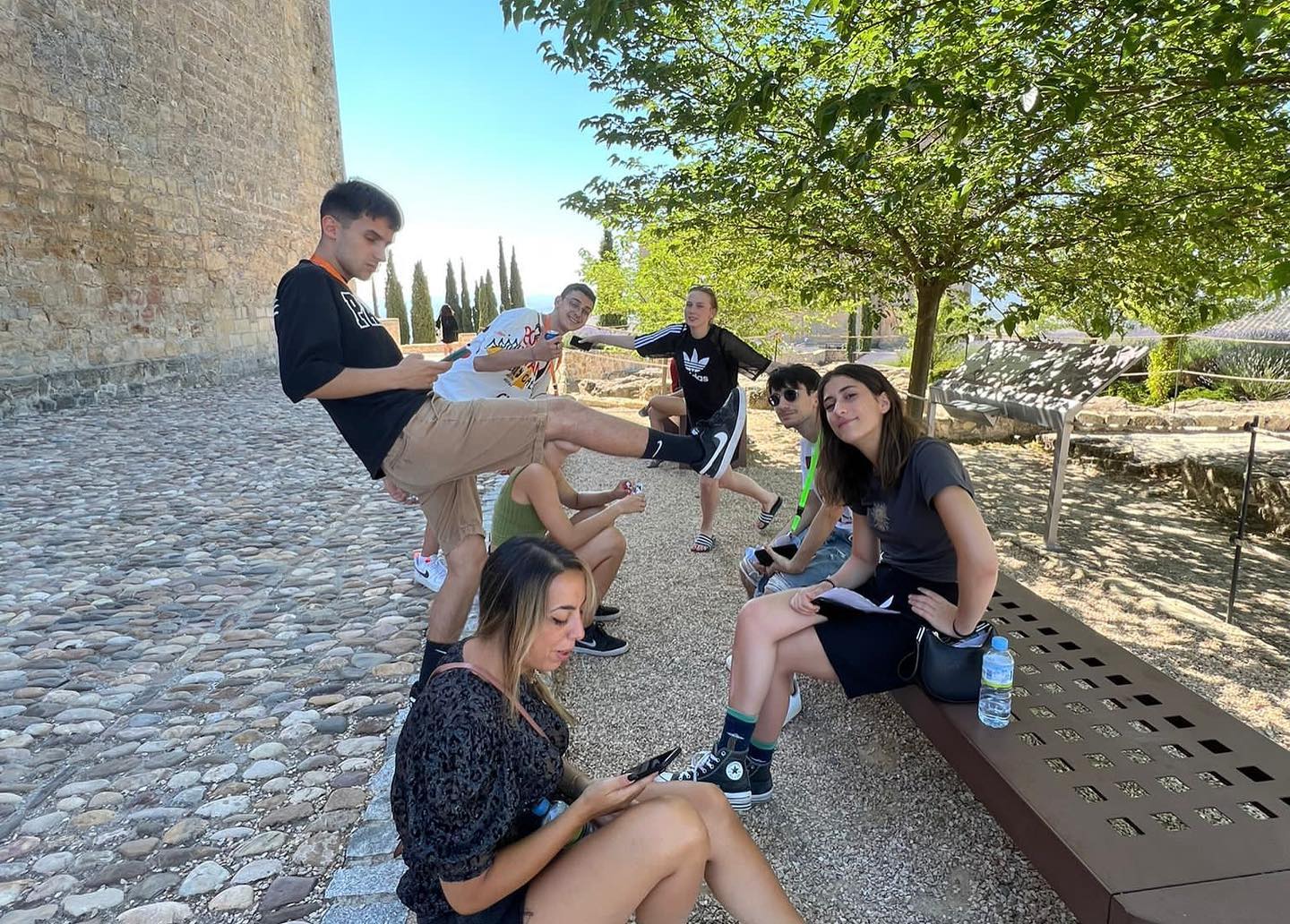
Reels load from Instagram when you play them.
Related news
Artivistic youth exchange boosts the creativity of 45 young people
During the Artivistic youth exchange, 45 young people from different countries received artistic tools to reshape their environment.
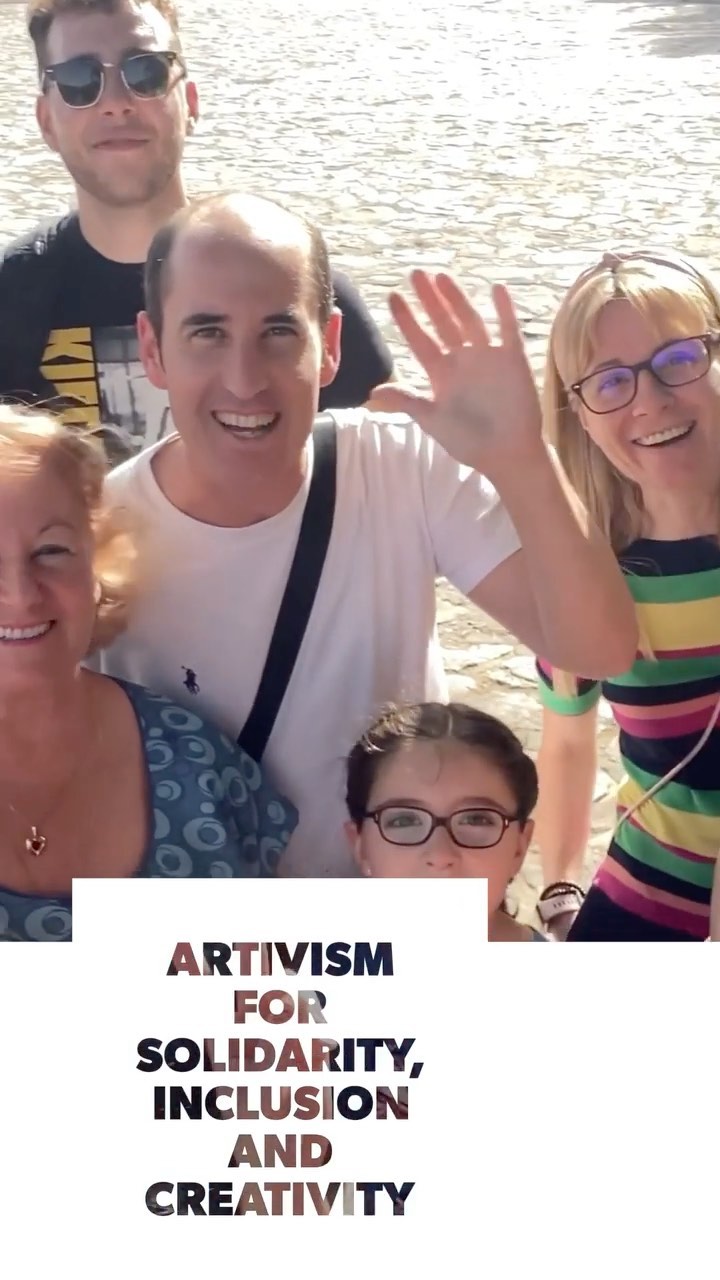
Artivism for Solidarity, Inclusion and Creativity comes to a close
The youth exchange Artivism for Solidarity, Inclusion and Creativity has finished, funded by Injuve within Erasmus+.
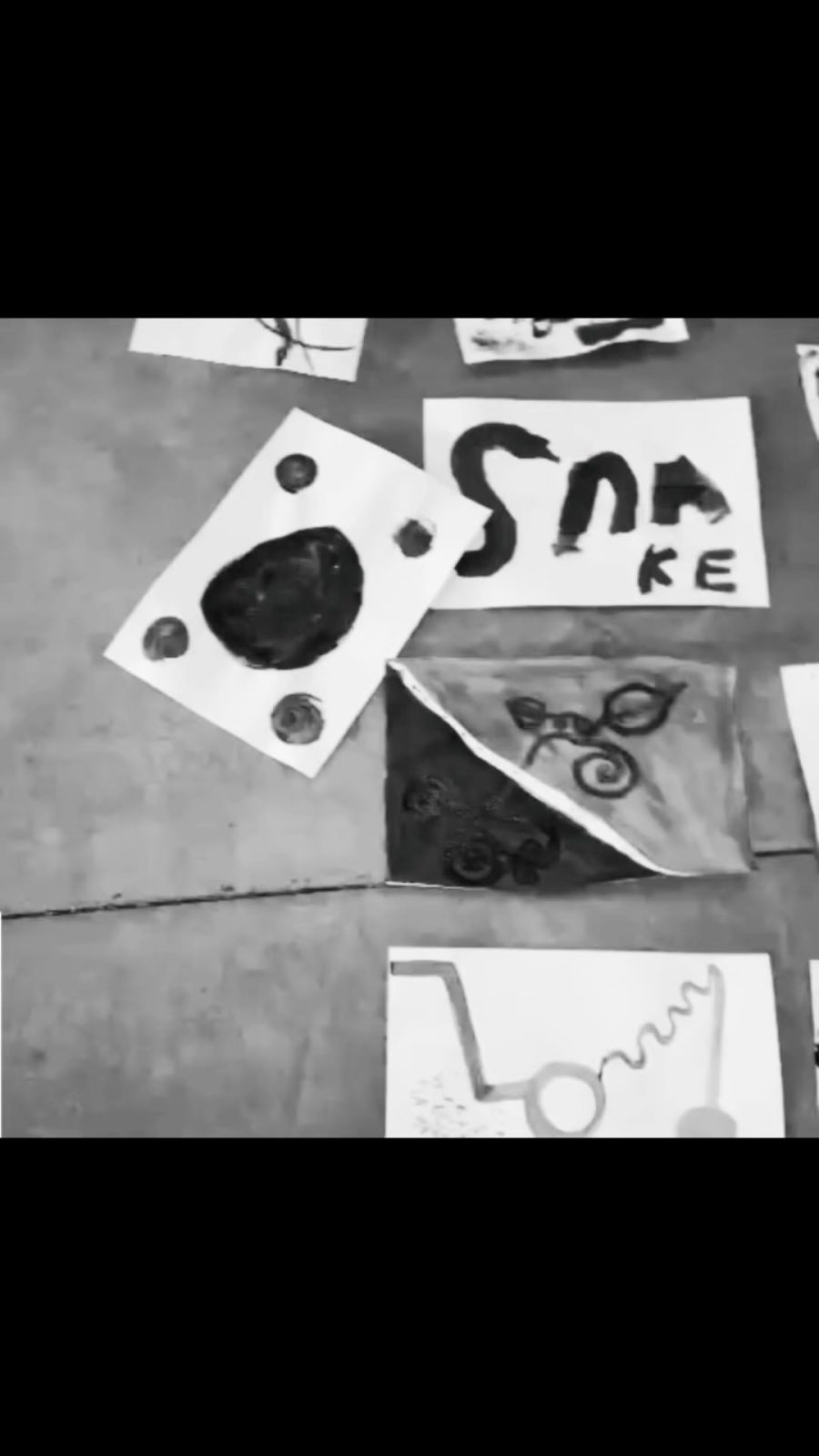
Artivism youth exchange brings 45 young people to Alcalá
The Artivism youth exchange runs from 2 to 10 July with 45 young people from Spain, Italy, Portugal, Turkey, Hungary and Serbia.
Co-funded by the European Union. Views and opinions expressed are however those of the author(s) only and do not necessarily reflect those of the European Union or the Spanish National Agency for Erasmus+ Youth and the European Solidarity Corps (INJUVE). Neither the European Union nor the granting authority can be held responsible for them.