DocuPeace Training Course: A New Way to Peacebuilding through Documentary Filmmaking
Arts and sports have means to broaden the minds of people with feelings of misdoubt and make them start talking about reconciliation, forgiveness, and peace.
Objectives
Arts and sports have means to broaden the minds of people with feelings of misdoubt and make them start talking about reconciliation, forgiveness, and peace. Among those, documentary films have proved themselves to be a fundamentally useful tool of a pathway to peace, as narratives have the power to rewrite history or offer hope or vision for a better future. Films and documentaries provide a notable ability to be a medium of bringing people together and transforming their way of thinking about history, and the present-day future by engaging people with stories and characters and changing our minds on people or certain events.
Building on this, the project focused on the youth workers as changemakers of today and the future and documentary filmmaking as a non-formal tool and method for fostering active citizenship and skill development of youth workers. In this way, the project aimed to equip the participant youth workers with the knowledge and competencies to broaden the minds of people for reconciliation and peace.
The project aimed to equip 28 youth workers from 7 European countries with the knowledge, competencies, and practical experience in documentary filmmaking that can be used to promote peace in Europe through local and international actions in uncertain times to promote resilience within the communities. The specific objectives were as follows:
To foster the skill development and the active citizenship of youth workers through documentary filmmaking as a non-formal tool for making them changemakers to create awareness on the issues that they define as important and to foster peace through documentaries
To equip youth workers with knowledge and skills of concepts to be acquainted with a peaceful conflict resolution such as non-violent communication skills, the culture of peace and peacebuilding, human rights
To develop participants’ competencies on practical 101 tools in documentary filmmaking, particularly sensitive approach to the documentary character, and familiarize with the process of pre-production, production, and postproduction
To facilitate the process of designing at least 3 documentary projects with synopsis, recording a series of 5 interviews with activists, and designing 4 follow-up documentary script ideas to be implemented in the partner countries that will multiply the participant’s project-related skills
To create a short documentary remake of K Kieślowski's “Talking Heads” documentary and disseminate it through YPA network channels and the Momos Film production company
To enhance the understanding of democratic values, civic engagement, and the impact on the lives of young people
The participants went through three stages of the project: understanding the concept of peace; building emotional literacy and understanding of the video creator’s moral responsibilities, and understanding the equipment and the process of short documentary development.
Activities
The project “DocuPeace Training Course: A New Way to Peacebuilding through Documentary Filmmaking” was designed to empower youth workers through two key educational activities, aiming to enhance their skills in documentary filmmaking as a tool for peacebuilding and social change during two residential activities:
1. Training Course in Munich, Germany 7th-12th February 2024 (+2travel days) :
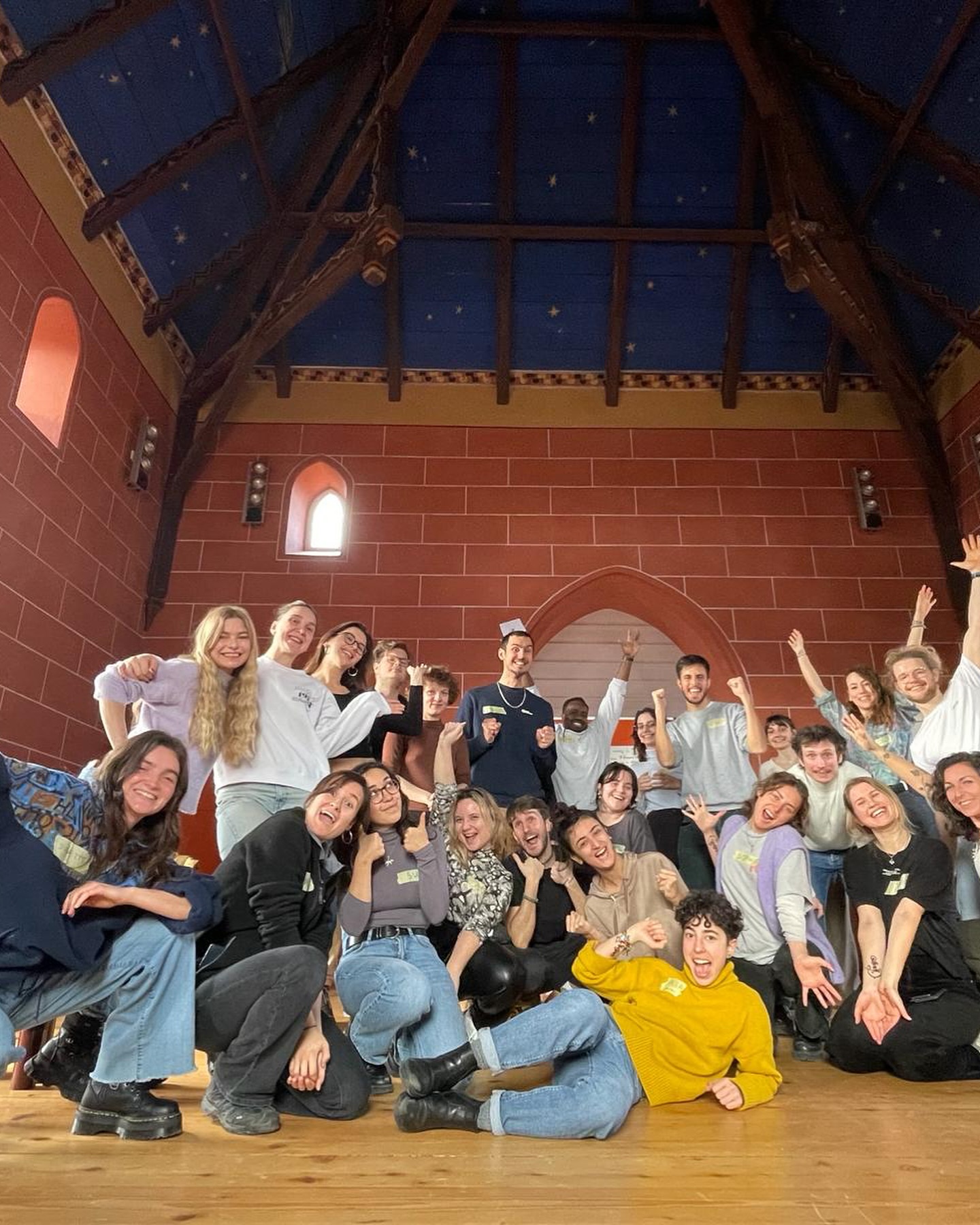
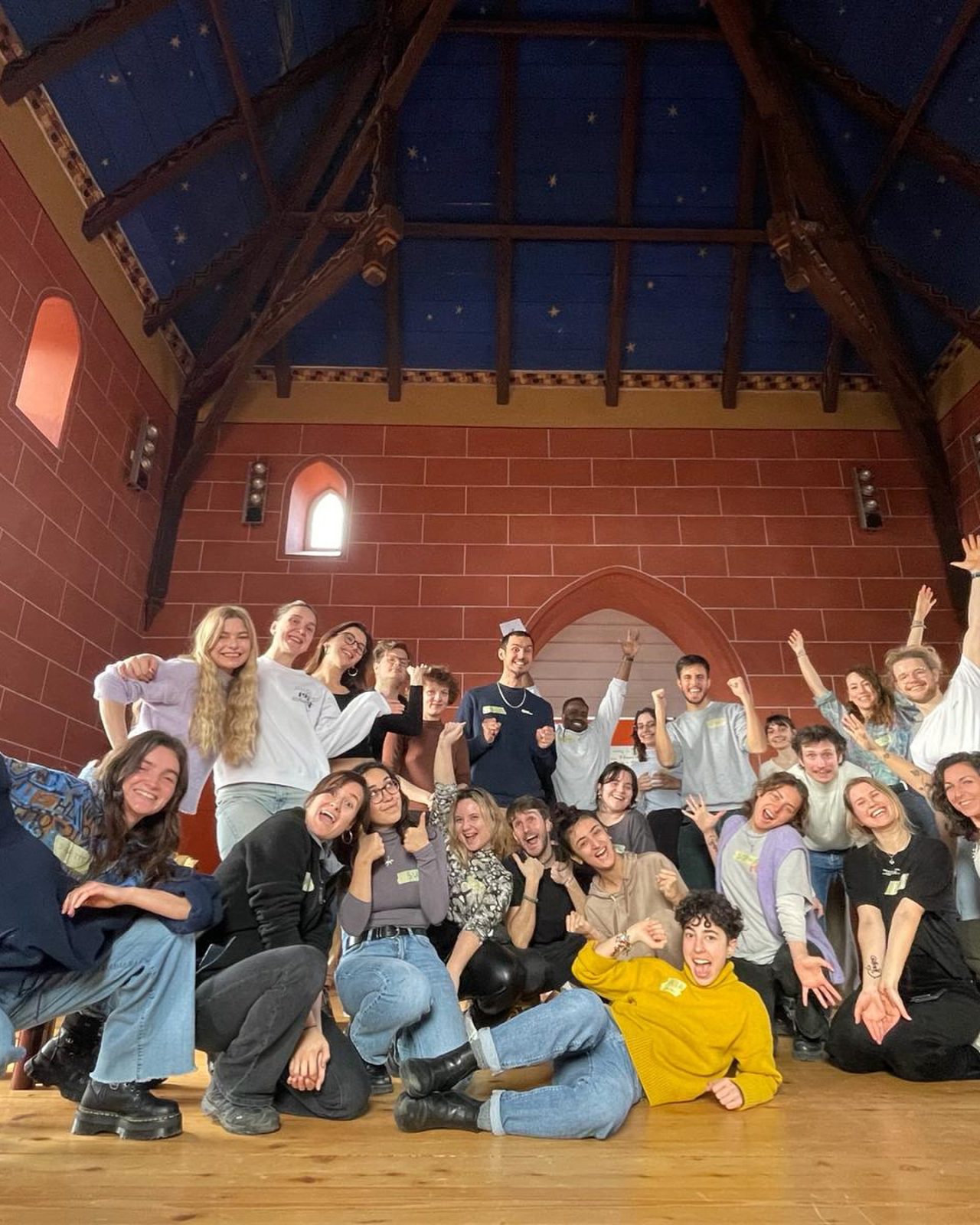
The first educational activity was a 6-day training course held in Munich, Germany. Through workshops, which merged professional, non-formal, and informal learning methods, participants developed their understanding of their local context in terms of human rights violations, built their emotional literacy, and began making connections between emotions and art, with a focus on films. They also deepened their understanding of the responsibilities of a video creator and the content they produce.
2. Second Training Course in Mardin, Türkiye 20th-25th April 2024 (+2 travel dates) :
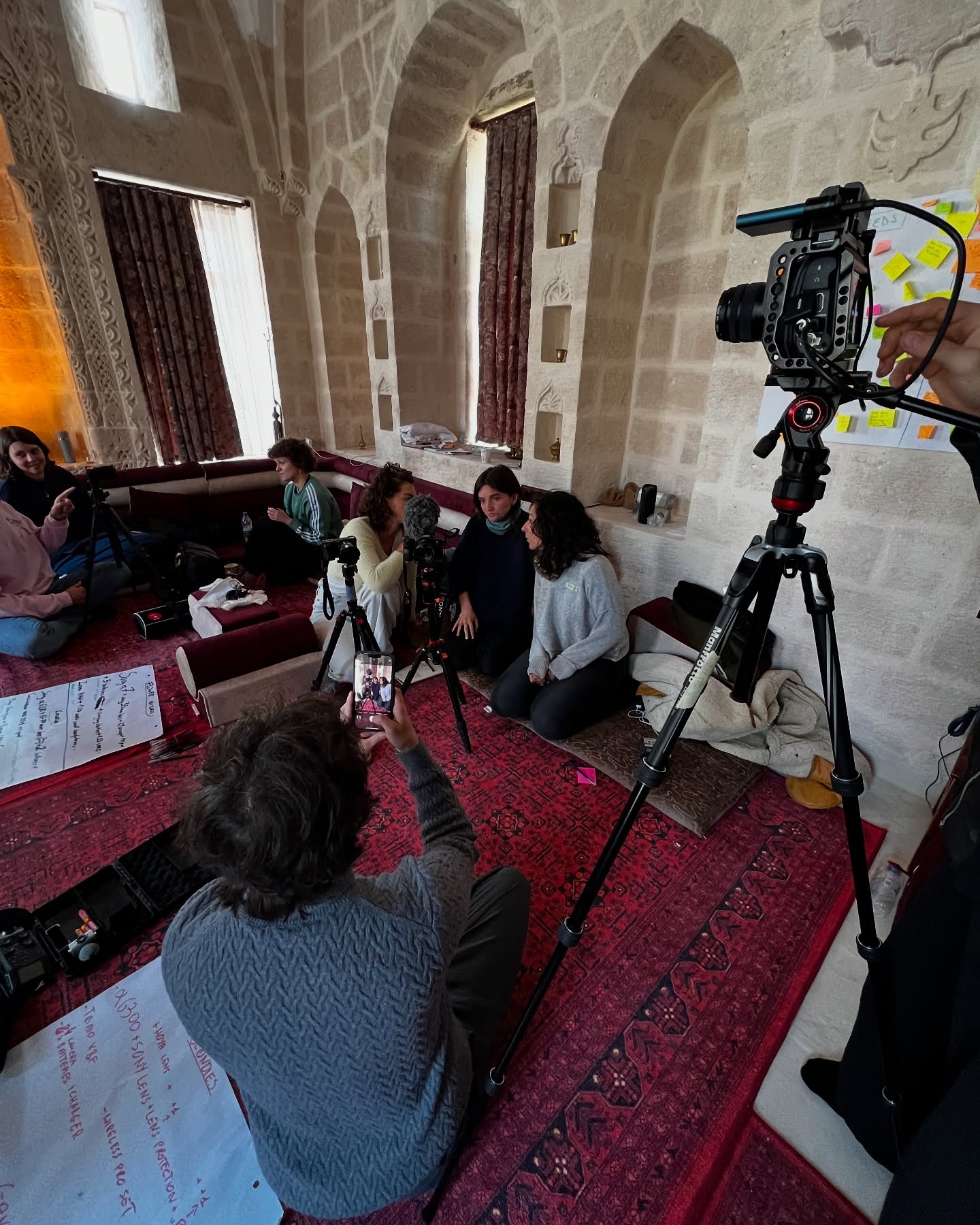
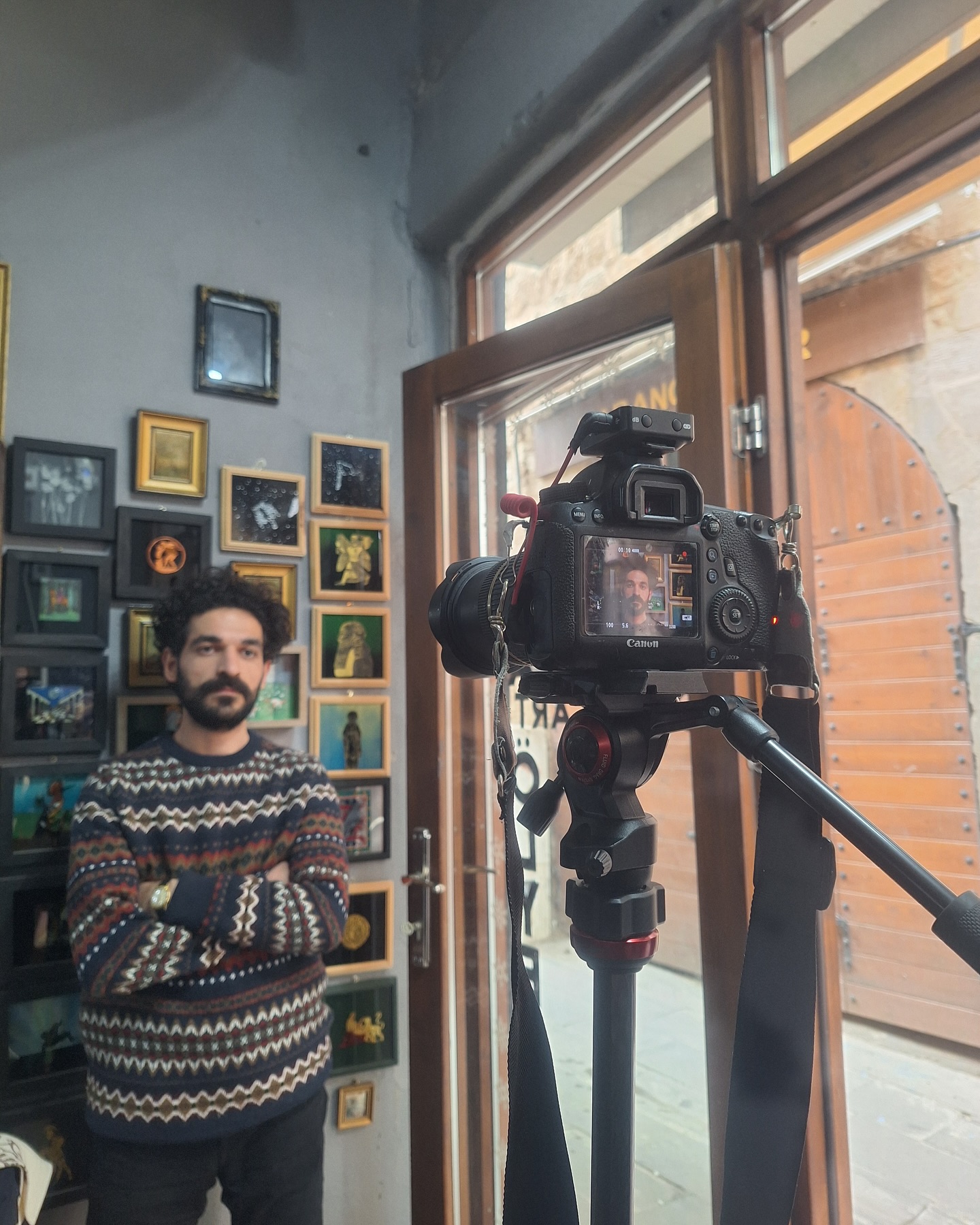
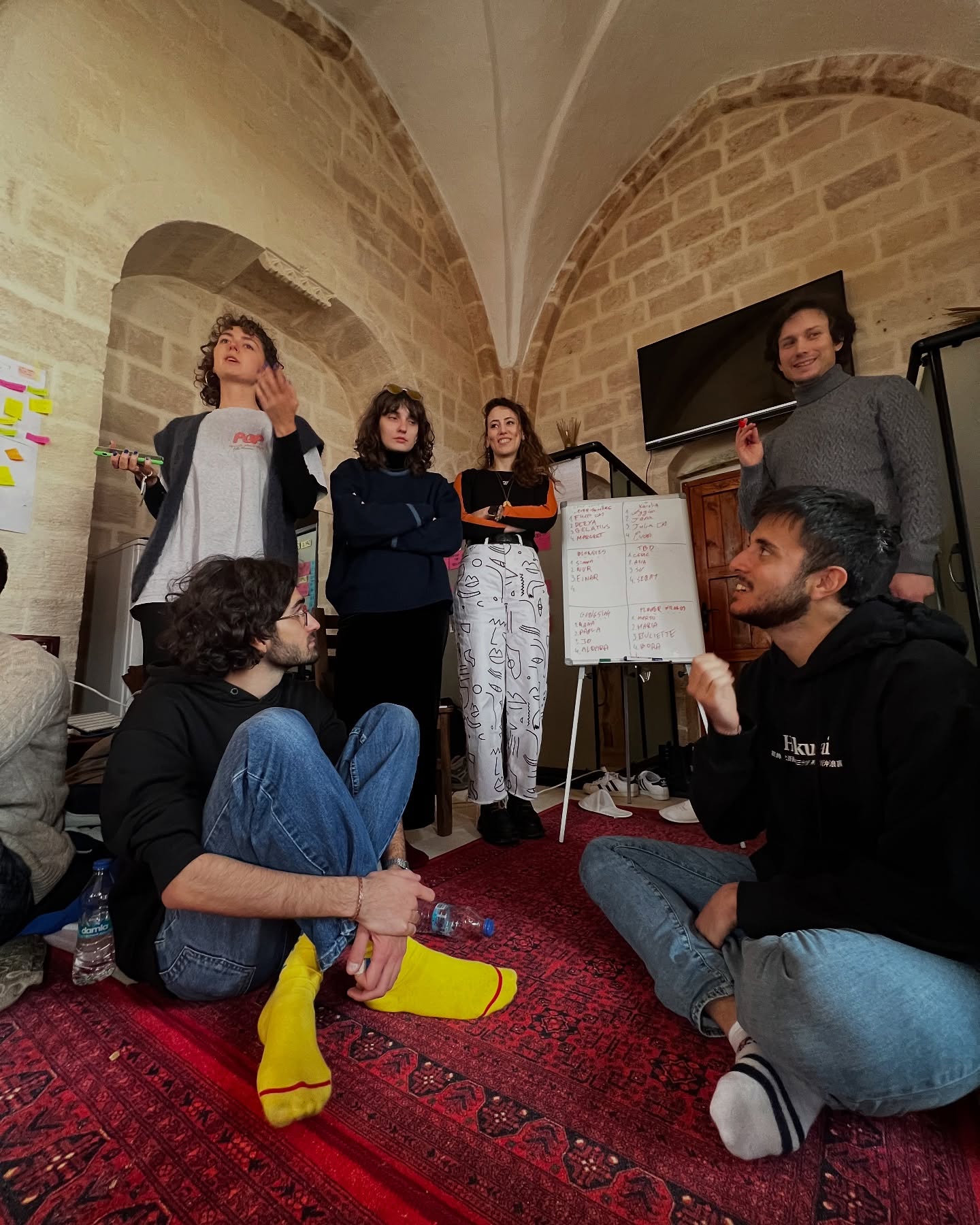
The second educational activity, also a 6-day training course, took place in Mardin, Türkiye. It was focused on advancing the filmmaking skills introduced in Munich. This training session concentrated on expanding and building the practical filmmaking skills of the participants. We facilitated and supported the participants through the creative process, which was based on workshops on screenwriting, interviewing techniques, and fieldwork, which was the biggest part of the activity.
The project carefully selected 28 participants from 7 European countries, ensuring a diverse and balanced group that met the specific goals of the training.
Participant Profile:
Youth Workers and Art Education Professionals: Participants interested in incorporating videography into their work, particularly to promote peace and address social issues.
Professionals in Youth Work: Individuals working with youth who wanted to enhance their teaching, training, and youth work competencies by integrating video-making tools.
Educators: Teachers, trainers, or educators from non-formal education backgrounds, especially those involved in youth organizations, who wanted to address modern challenges such as climate change, migration, and hate speech.
Young Filmmakers: Aspiring filmmakers looking to build competencies in peacebuilding and use their skills in youth work and community projects.
Community Leaders: Active participants at the local, regional, or national levels involved in youth organizations and keen on using filmmaking for community building.
Individuals with Interests in Peacebuilding and Human Rights: Young people passionate about peace, peacebuilding, and human rights education who wanted to explore documentary filmmaking as an advocacy tool and enter youth work.
Young people active in the youth field: Young people taking a leadership role in youth activities and programs or those young people who believe in positive changes in their communities, and are committed to self-development.
Participants from Refugee and Migrant Backgrounds: Special emphasis was placed on involving youth workers and young people who either came from or worked with refugees, asylum seekers, and migrants, ensuring that their perspectives were included to foster leaders who could help integrate communities and amplify marginalized voices.
While the target age range was 18-35, the project was open to older participants who fit the profile, particularly those interested in developing training skills in video making and peacebuilding. The selection process aimed to maintain gender balance among participants, ensuring a diverse mix of perspectives. We also cared to maintain a balanced representation between participating countries with the exception of Turkiye (6 participants) to ensure that each group during the second training was able to communicate in the local language.
Impact
Participants acquired knowledge about key concepts: peace, violence, human rights, and conflict. They also got skills in the topics of non-violent communication (NVC), practical knowledge about film equipment, and the flow of film production. They also learned to map conflicts and existing issues locally and globally, developed leadership skills and group work, and went through the whole process of the film production taking multiple roles.
Importantly, we also shared and reinforced during the training process and throughout the entire project a specific set of behaviors and attitudes. The participants completed the project with an attitude of respect for universal human rights, the values of peace and non-violent communication, emotional literacy and empathy, tolerance, and solidarity.
The tangible result of the project was a documentary video that was inspired by two documentaries - “Talking Heads” by Krzysztof Kieślowski and “The King” by Marcel Łoziński. The film had its premiere in Mardin at the end of the project, where participants could discuss it with a wider audience.
Participants also conducted their own interviews and developed their own film ideas and scripts. Some of them are already in the production phase. The documentary created during the program called “Bazaar” is available online for everybody under these links:
planIMPACT e.V. Youtube Channel: https://youtu.be/3LqIm5cLO5k?si=r5eNTe9ElukUeEHN
Youth Peace Ambassadors Network Youtube Channel: https://youtu.be/8TCz4E0LalA
In February 2025 participants created a series of interviews with themselves where they shared learning from the program on social media of planIMPACT and YPAN reaching over 3000 viewers.
Moreover, partner organizations, in cooperation with project participants, led several follow-up activities. Spanish partner Verdesur shared the results of the project and implemented a local workshop in July 2024. During the workshop, the participants learned about the techniques of photography, videography, and video production with the knowledge that we have gained during the training courses. There were also several screenings of the documentary in Samos and Warsaw with a follow-up discussion. A participant youth worker of planIMPACT, in her attempt to follow up and bring the information from the project to other youth, set up gatherings with a group of young people from her film school HFF Munich in which she presented our filmmaking process in Mardin. Another participating youth worker started working as a facilitator/trainer and giving trainings in non-violent communication(NVC) to youth workers. As her follow-up, she did a workshop on NVC for a Romanian organization. A participant from Greece created a short video called “Athens in a wagon” about daily life in Athenian public transport and conducted three interviews between the two activities of the project. Another participant from Türkiye created and collected interviews and videos for 8 March, observing the protests from activists' and police officers' sides. A group of 8 participants from different backgrounds created a post on the Medium platform about the project as their follow-up for allowing the broader public and youth workers to reach out to the project’s idea, impact, and results in the long term.
This and other follow-up activities show the sustainability of the project and its impact on youth workers who now multiply learnings from DocuPeace.
Partners
- 🇩🇪planIMPACT - Verein für Menschenrechte, Frieden und Entwicklung e.V
Germany - 🇮🇸ÁLFUR, áhugafélag um listir og fræðslu ungmenna í Reykjavík
Iceland - 🇪🇸ASOC SOCIO CULTURAL VERDESUR ALCALA
Spain - 🇹🇷Creative Youth Academy
Türkiye - 🇵🇱Peace Ambassadors Poland
Poland - 🇫🇷Youth Peace Ambassadors Network France
France - 🇬🇷IASMOS COLLECTIVE PROJECT
Greece - 🇹🇷Avrupa Entegrasyon Derneği
Türkiye
From Instagram

Co-funded by the European Union. Views and opinions expressed are however those of the author(s) only and do not necessarily reflect those of the European Union or the JUGEND für Europa, German National Agency for Erasmus+ Youth and the European Solidarity Corps. Neither the European Union nor the granting authority can be held responsible for them.