Objectives
The "EU Food Traditions" project was designed to reach a series of meaningful goals aimed at promoting a healthy and sustainable lifestyle among young people by rediscovering and valuing European culinary traditions. It grew out of the wish to counter the increasingly widespread abandonment of food traditions, and to encourage participants to reflect on their own eating habits, which are often marked by too much processed food, rich in chemical additives and poor in essential nutrients. The project built on the previous youth exchange, "Innovative Traditions", going deeper into the theme of traditions and focusing specifically on the culinary practices of the countries involved.
One of the main aims was to bring young people closer to a healthy lifestyle, using culinary traditions as a tool for intercultural dialogue and mutual learning. Through the youth exchange, participants explored different cultures, discovered each country's typical dishes and reflected on the importance of a balanced diet. This approach raised food awareness and created an inclusive environment where young people could exchange views and broaden their cultural perspectives. Food became a way to explore diversity, understand other cultures better and promote well-being for all.
The project had several clearly defined specific objectives. First, to inspire young people to become more aware of the importance of food education, helping them understand how food choices affect health and well-being. Second, to broaden participants' knowledge of healthy lifestyles, with particular attention to traditional eating habits.
Another key objective was to offer a space for discussing and sharing good practice, encouraging the exchange of ideas and experiences among young people from different cultural backgrounds.
The project also aimed to spread knowledge of the culinary traditions of the participating countries, among both participants and partner associations, building a bridge between cultures and promoting respect for diversity. Another important goal was to strengthen participants' ability to organise activities in their own communities that promote healthy eating and a balanced lifestyle. Young people were encouraged to become "health promoters", taking an active role in making their peers aware of the importance of a correct and sustainable diet.
The project also sought to support young people's active participation, helping them become agents of positive change in their society and in Europe. Through practical activities and workshops, participants gained key competences certified by Youthpass, strengthening their personal and professional profile. The project also promoted intercultural learning and the global goals through non-formal education, giving young people concrete tools to face today's challenges.
A particularly important aspect was food sustainability. Participants were introduced to eco-sustainability in food and reflected on the impact of food waste and overconsumption on the ecosystem. The project also stressed the importance of preserving food traditions, since abandoning old culinary practices often has a negative environmental impact. Activities included cooking workshops, where young people prepared healthy traditional dishes, and visits to local businesses to promote sustainable ingredients. A food fair was also organised, where participants shared the culinary traditions of their countries and promoted healthy eating.
Activities
The "EU Food Traditions" project involved 36 participants in national groups from several European countries. Each group had 6 young participants aged 18–28 and 1 group leader, and each national group included 3 participants with fewer opportunities, ensuring social inclusion and a diversity of backgrounds. This age range was chosen because young people at this stage of life are particularly receptive and motivated to promote, develop and carry out projects like this, becoming agents of change in their communities.
The activities were many and varied, designed to reach the objectives and actively involve the participants.
Introduction to "EU Food Traditions" (facilitation team):
Participants were welcomed by the project team, who gave a timeline and a detailed introduction to the project. This gave a clear picture of the objectives, the expectations and the journey ahead.
Group building (facilitation team):
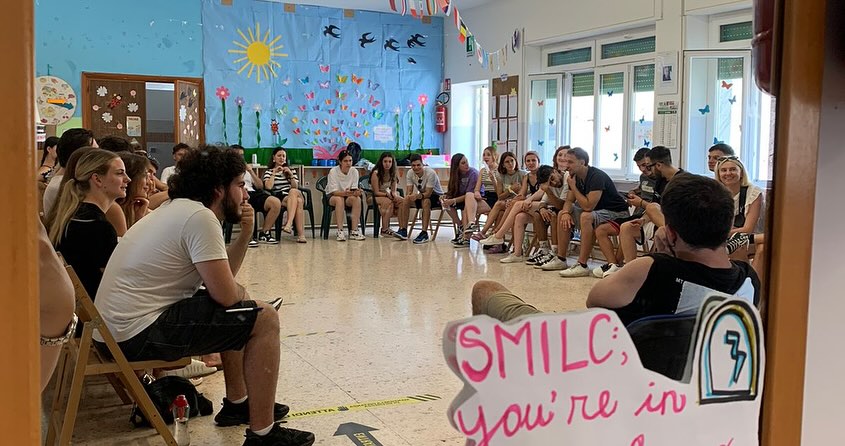
Through games and creative activities, participants got to know each other and broke the ice. The facilitators guided these interactions, creating a welcoming, collaborative atmosphere that was essential for the activities that followed.
What do you expect? What are you afraid of? How can you contribute? (facilitation team):
Using Mentimeter, participants shared their expectations, fears and ideas on how to contribute. The results were discussed together, creating a moment of collective reflection.
"Erasmus+ and Youthpass" (Romanian team):
Participants were introduced to the Erasmus+ programme and the 8 Youthpass key competences. In small groups they explored each competence, what it means and how to develop it during the project, giving them a better understanding of the programme's opportunities and the value of the Youthpass certificate.
Living healthily (Italian team):
A presentation on food education and a healthy lifestyle helped participants reflect on how culinary traditions affect the authenticity of food and our health, laying the foundations for greater food awareness.
Exploring culinary heritage (Greek team):
National groups shared the culinary traditions of their countries, highlighting those that have survived and those that have disappeared. This encouraged intercultural dialogue and understanding of other cultures through food.
Agree / disagree (Spanish team):
In an interactive activity, participants discussed controversial statements about the project theme, society and civic rights. By physically choosing a side of the room (agree or disagree), they compared their opinions and reflected on complex issues.
Visit to a local business (Italian team):
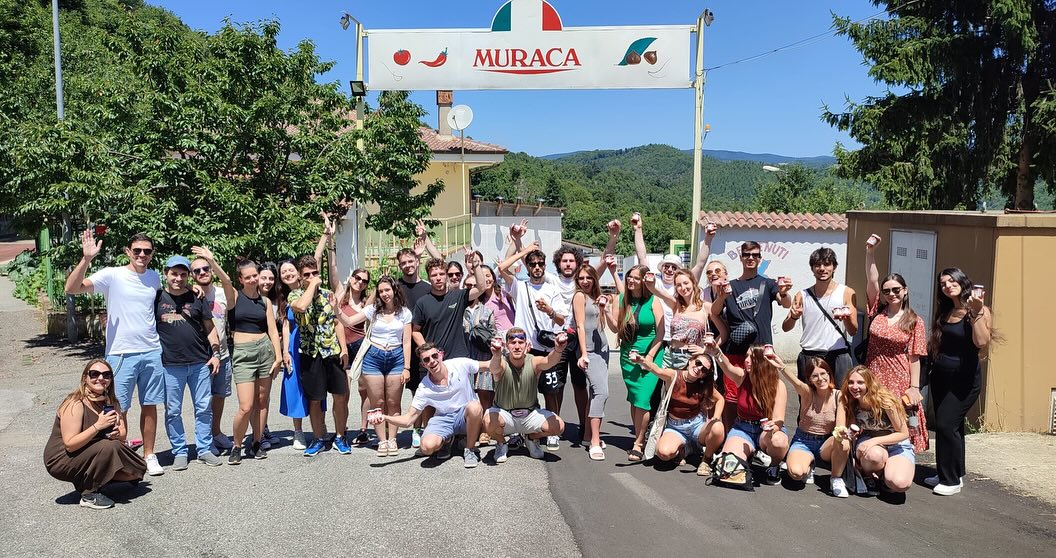
A visit to a local olive mill showed participants how olive oil and other local products are made, from the olive harvest to other local traditions. This hands-on experience deepened their understanding of Italian culinary traditions and of sustainability.
Sharing traditions (Danish team):
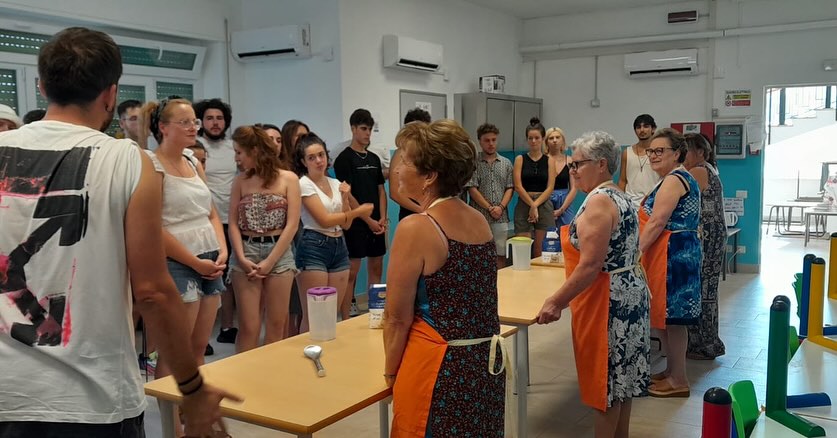
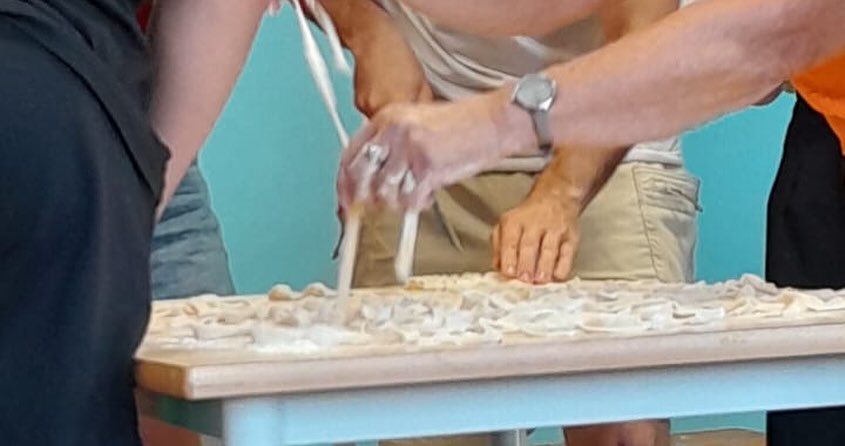
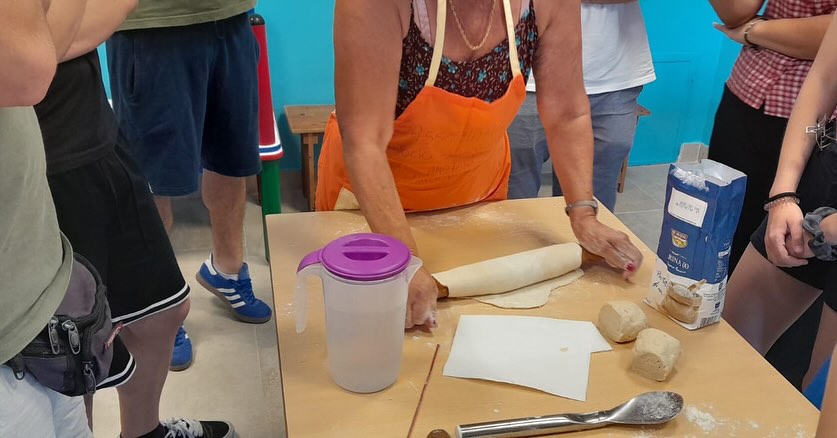
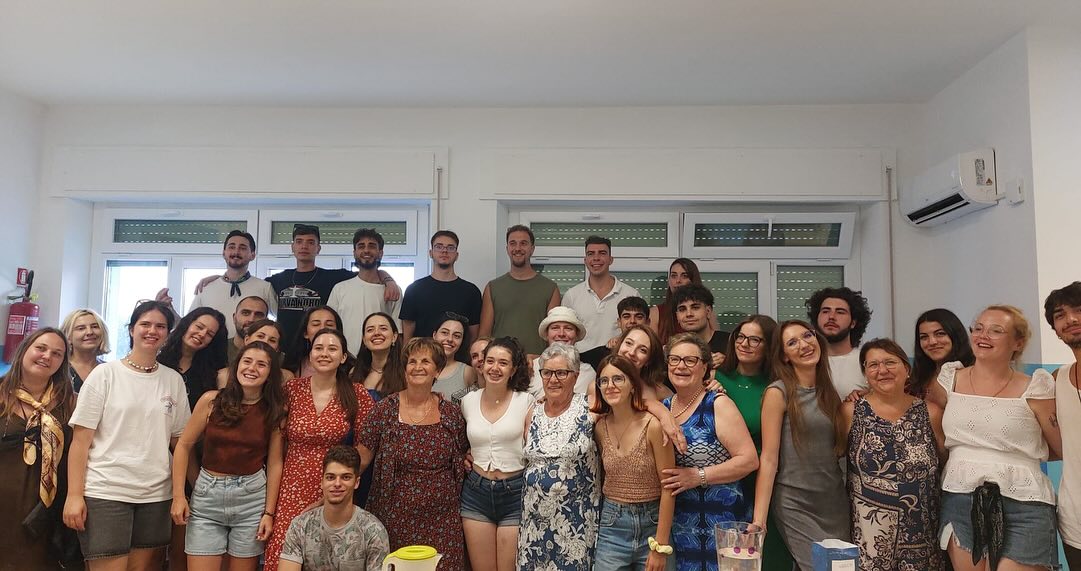
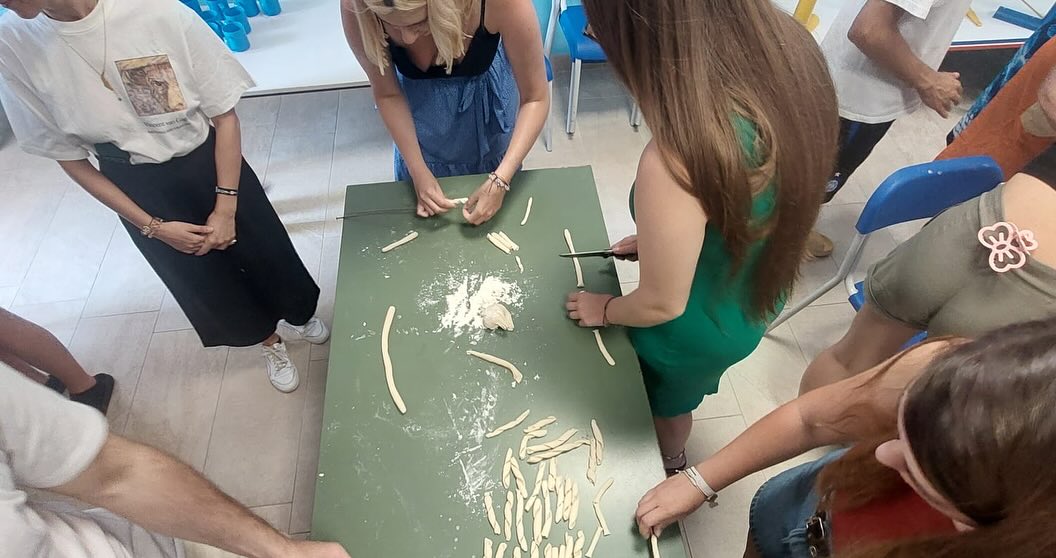
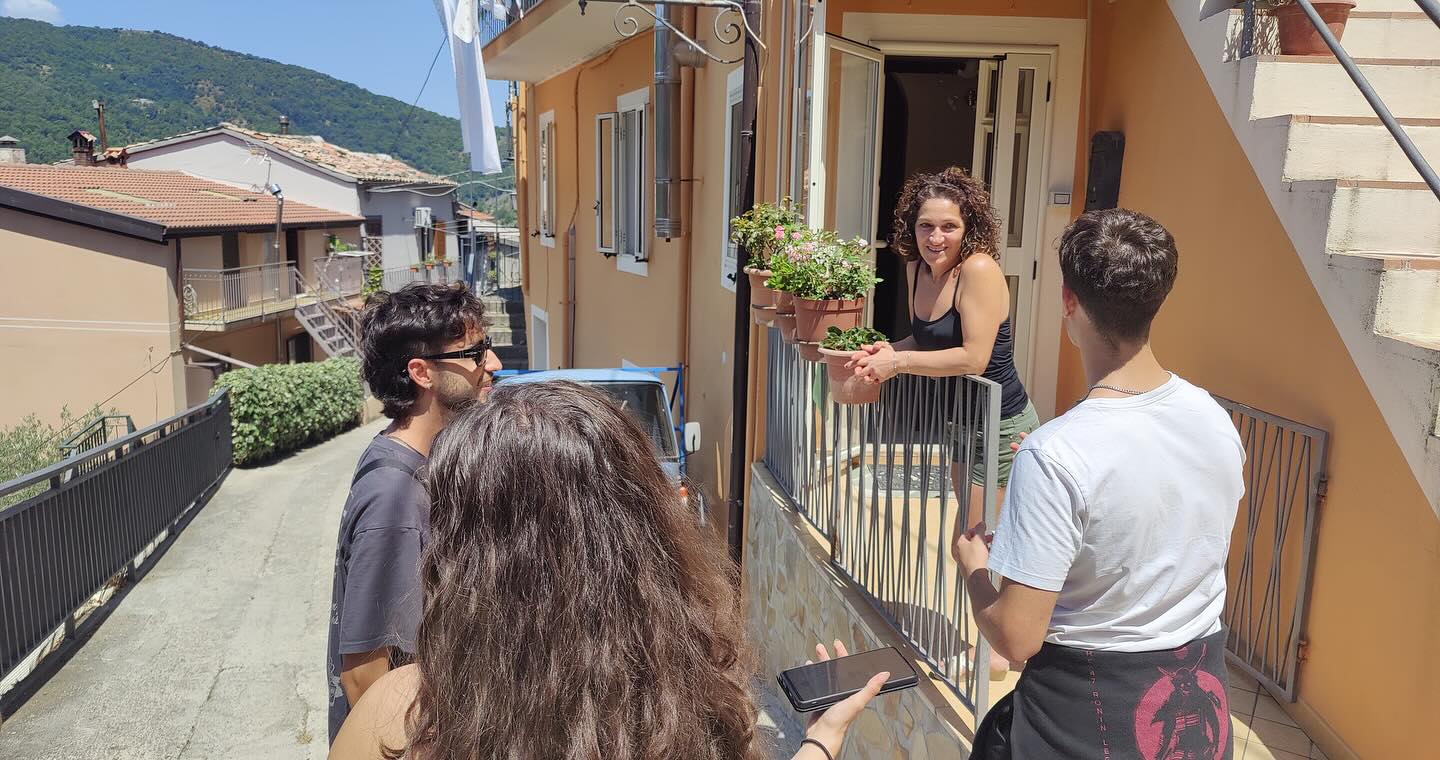
Participants met members of the local community to share and learn how to prepare traditional dishes from their countries. In particular, they learned to make Calabrian pasta with local grandmothers – an experience that brought tradition and interculturality together.
The EU strategy (Polish team):
In teams, participants analysed the EU strategy for a sustainable food system, learning about European food sustainability policies and reflecting on their own role in building a more sustainable future.
International Day of Cultures – Community Food Fair (Italian team):
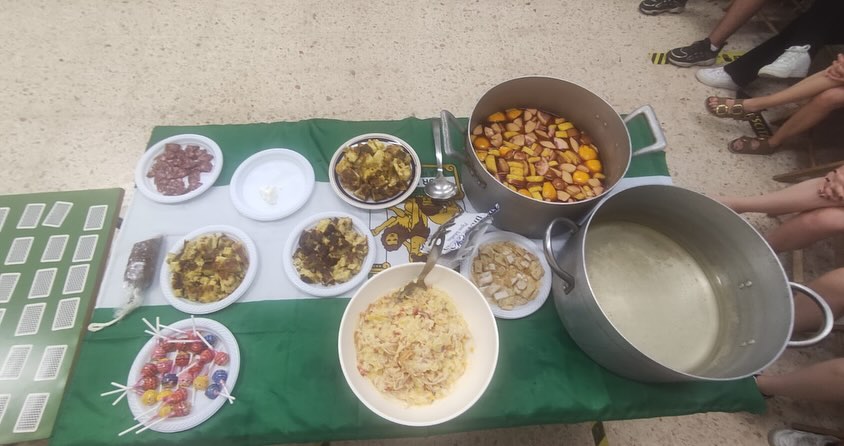
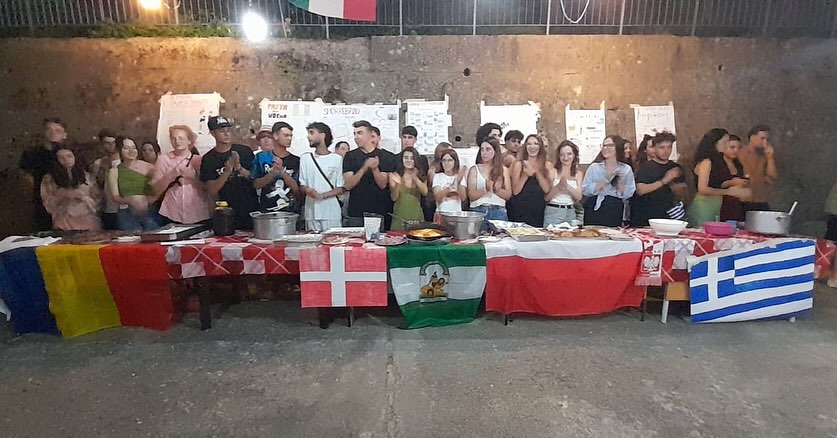
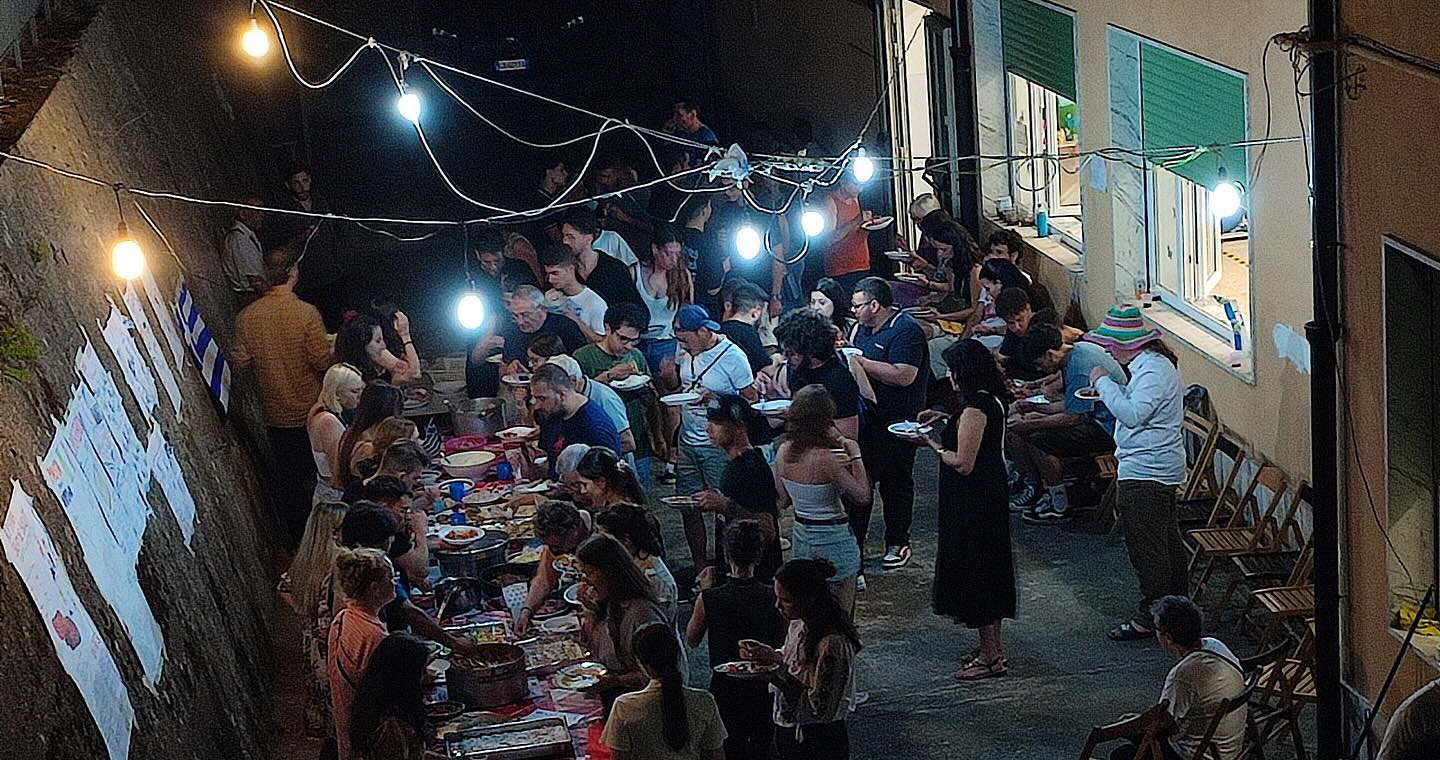
Participants organised a food fair in the town square, prepared traditional dishes and created visual materials promoting healthy eating. The fair involved the local community in a celebration of different cultures.
Impact
"EU Food Traditions" achieved significant results and had a lasting impact on the participants, the organisations involved and the local communities. Through non-formal learning and intercultural sharing, young people gained skills, knowledge and awareness that will last well beyond the youth exchange. The main results and impact are summarised below.
Results
Practical and theoretical skills:
Participants developed the skills to find innovative ways of promoting healthy eating by rediscovering culinary traditions. They learned to run hands-on activities and design food education initiatives, gaining concrete tools to promote a healthy lifestyle in their communities.
Awareness of food sustainability:
By analysing the EU strategy for a sustainable food system, participants understood the importance of sustainable food production, reducing waste and adopting healthier eating habits, and reflected on their own role in building a fairer, more environmentally friendly future.
Youthpass key competences:
During the project, participants gained and strengthened the 8 Youthpass key competences, including:
Communication in foreign languages: better English, the working language of the project.
Digital competence: using platforms such as Mentimeter to share ideas and reflections.
Learning to learn: an approach to non-formal learning and knowledge sharing.
Social and civic competences: greater openness to other cultures and commitment to diversity.
Sense of initiative and entrepreneurship: the ability to organise activities and initiatives in their own community.
Intercultural dialogue:
Through sharing culinary traditions and cooking typical dishes, participants learned more about each other's cultures, developing greater respect for diversity and a more open, inclusive mindset.
Involving the local community:
Events such as the Community Food Fair let participants interact with the local community, promoting healthy and sustainable eating and building a bridge between cultures. This strengthened the bond between young people and the communities they live in.
Impact
On the participants:
The young people involved had a transformative experience that left a deep mark on their personal and professional growth.
The most significant effects:
Soft skills: better communication, teamwork and problem-solving.
Food awareness: more attention to food choices and sustainability.
Empowerment: participants felt motivated to become agents of change in their communities, promoting healthy and sustainable lifestyles.
International friendships: a lasting network of contacts and relationships with young people from other countries.
On the partner organisations:
The associations involved strengthened their capacity for international cooperation, widened their partner network and gained new skills in managing Erasmus+ projects. They also consolidated their role as promoters of innovative, inclusive youth initiatives.
On the local communities:
Activities such as the food fair and the visits to local businesses made the community more aware of the importance of culinary traditions and food sustainability, creating dialogue between generations and cultures and a sense of belonging and sharing.
Long-term impact:
Back in their countries, participants will be able to:
Organise local initiatives promoting healthy and sustainable eating.
Make their peers aware of the importance of cultural diversity and the fight against discrimination.
Use the skills they gained to take an active part in civic and social life, becoming more aware and engaged European citizens.
Partners
- 🇮🇹Pro Loco Gimigliano APS
Italy - 🇪🇸ASOC SOCIO CULTURAL VERDESUR ALCALA
Spain - 🇬🇷European Initiative for Youth Empowerment, Mindfulness and Wellbeing "GO Alive"
Greece - 🇵🇱JUST DO IT
Poland - 🇩🇰The Nordic Crew I/S
Denmark - 🇷🇴Asociatia "Tineret pentru Dezvoltare Durabila"
Romania
From Instagram

Co-funded by the European Union. Views and opinions expressed are however those of the author(s) only and do not necessarily reflect those of the European Union or the Italian National Agency for Youth (Agenzia Italiana per la Gioventù). Neither the European Union nor the granting authority can be held responsible for them.