Objectives
The antecedent of the project was the conflicts in the Middle East and the Mediterranean and the tensions of nationalism, xenophobia and racism in many countries of the European Union. Recently, the emergence of governments that have driven extreme racism and xenophobia such as Leganord in Italy and Fidesz in Hungary have damaged both cultural diversity and social peace throughout Europe with the slogan "Unity in diversity" in long term. In addition to the increase in discriminatory discourses towards refugees in general in our country also played a role in damaging the social peace. Previous examples showed the importance of the youth field in issues such as peace building, conflict transformation, human rights education and the fight against discrimination.
Different conflict models are often interconnected, and young people who have been subject to these conflicts at the regional, national or international level can develop xenophobic or racist behavior. This behavior of young people can cause violence and aggression against people of different ethnic backgrounds or any minority. In summary, the combination of extreme nationalism, racism and discrimination with violence and life-threatening actions against minority groups reveals the need to develop effective strategies for violence and conflict resolution among young people.
As indicated above, we have developed a mutual learning place dedicated to conflict resolution and peace building and use non-violent actions as a tool in international and local youth work in this context. We have worked on increasing the skills and knowledge of young people concerning conflict resolution, peace building and non-violent actions.
The objectives of the project were
1. To learn effective methods on conflict prevention and transformation by encouraging young people with creativity and participation.
2. To share youth practices, conflicts, experiences and interreligious and intercultural practices.
3. To raise awareness among participants about the use of tools that contribute to the development of interreligious and intercultural dialogue.
4. To raise awareness about risk factors in environments where conflicts such as multiculturalism may occur,
5. To examine the issue of conflict in a broader dimension in the framework of Human Rights.
6. To facilitate cooperation and networking among participants.
7. To develop the skills of the participants in the field of music and demonstrate their use in the field of peace.
Our project strengthened the European citizenship of participants promoting their active citizenship. In addition, it developed a sense of solidarity and tolerance, among young people to enhance the social cohesion in EU and neighbouring countries. It developed a sense of mutual understanding among the young people from different countries. Moreover, by raising awareness among young people concerning these issues, the quality of support systems for youth activities and civil society in the field of youth are increased.
Our project worked on increasing the capacity of participating organisations and fostered cooperation between young people in Europe. Moreover, we tried to support the fight against racism, xenophobia and gender discrimination through the sessions that we have implemented on hate speech concepts on the media and social networks while supporting the improvement of the quality youth work.The main issues that we have addressed during the project were hate speech, racism, xenophobia and the media.
Activities
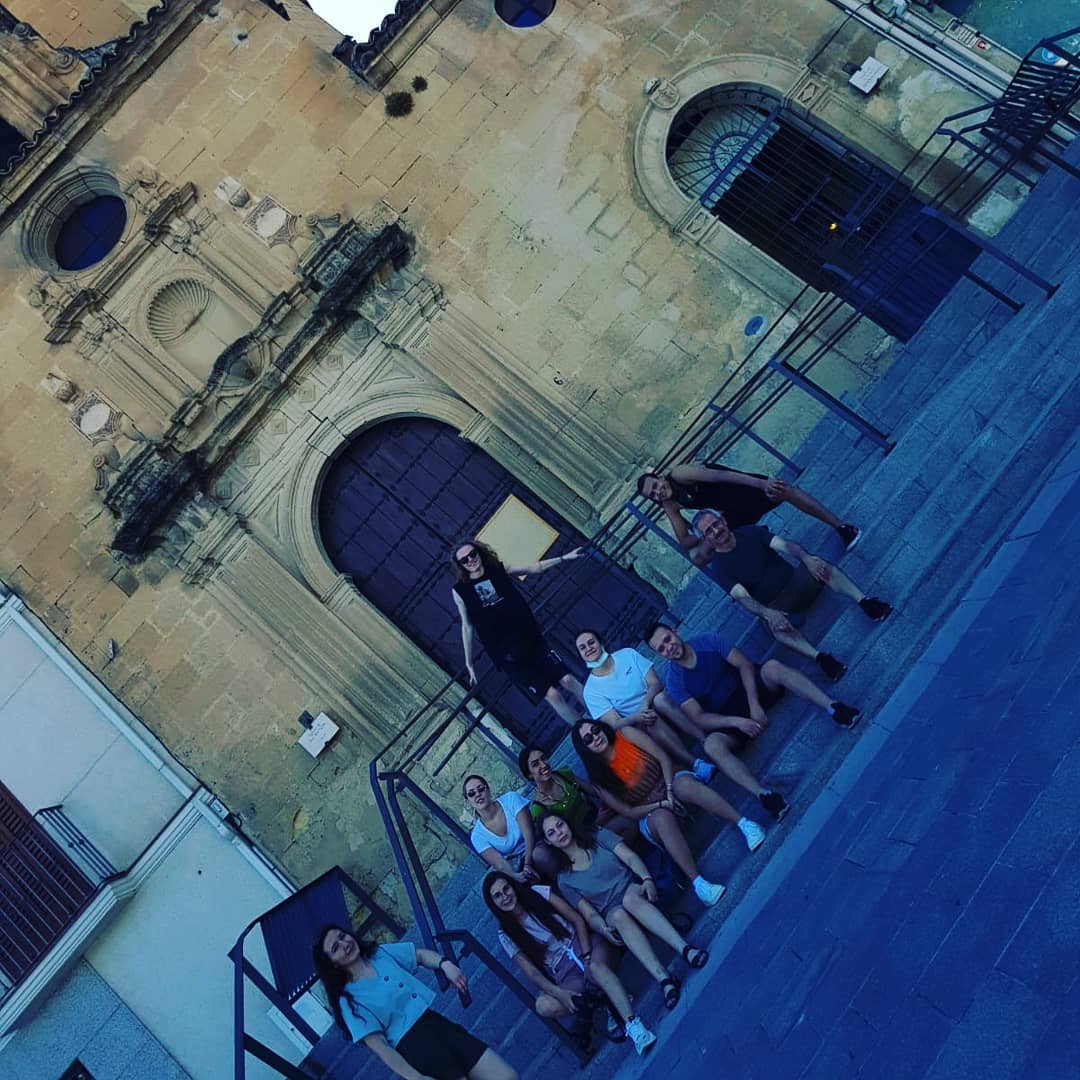
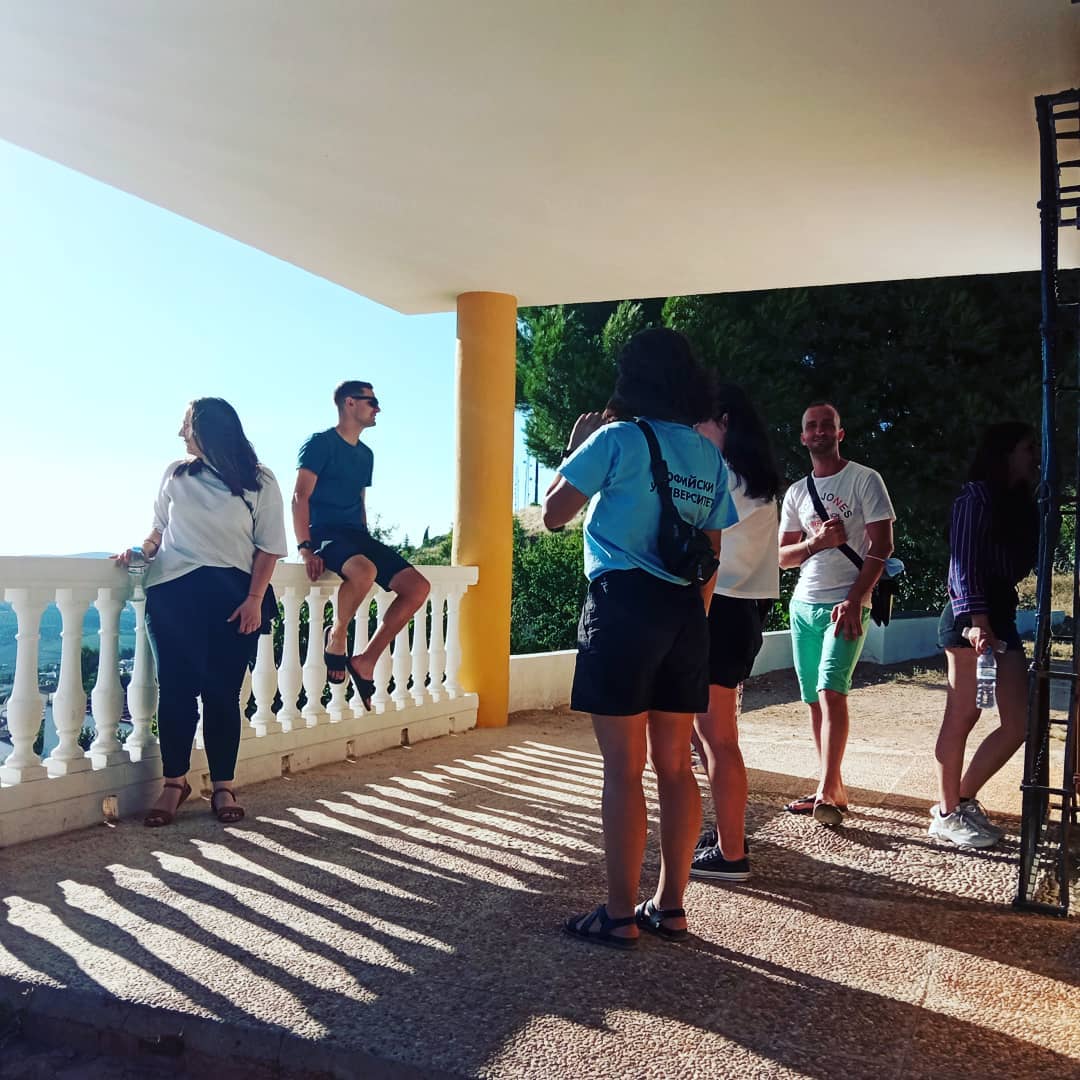
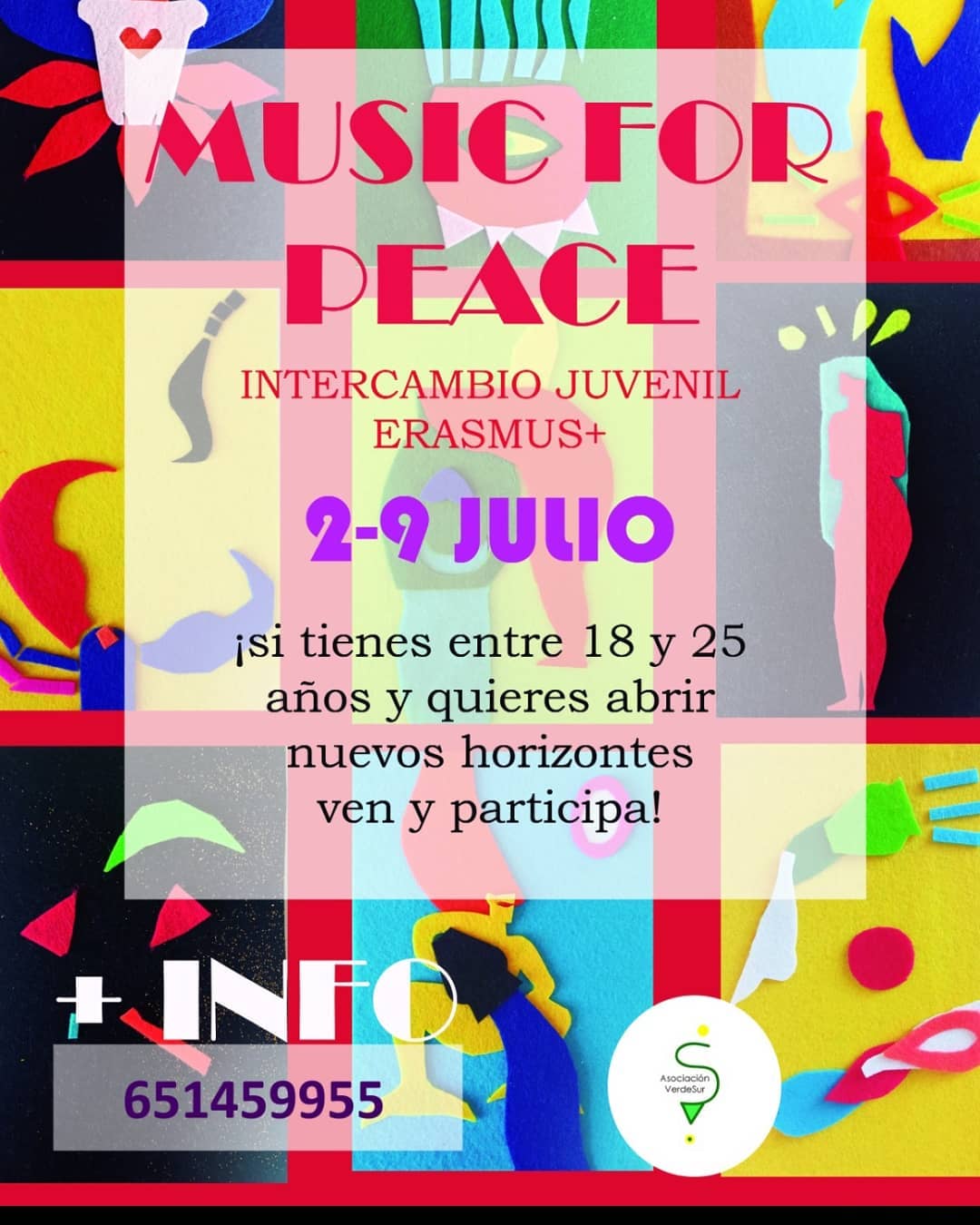
Our activity was implemented as a youth exchange between 02-09 July 2021 with participants from Serbia, Turkey, Italy, Bulgaria and Denmark with 49 participants. During the project, non-formal education techniques were used. The participants influenced each other and the learning process of themselves were facilitated by the facilitators in the project. During this process, we created a space that the participants could learn from each other.
During the program, the role plays, case studies, group work, visual presentations and outdoor activities were held and the simulation game was played.
Organisations that were partners in the project took part directly in the preparation process of the participants and selection of the participants and helped them about the follow-up activities took place after the project. They have chooses the participants who are appropriate for the target group. They have supported all the activities that were carried out during the preparation process, the implementation process and the monitoring processes. Participants shared information on the theme of social peace in their own countries and the partner organisations supported participants in this process in partner organizations. In addition, the partner organizations were in constant communication during the selection processes of the participants and during the preparation of the participants, and could contribute to each associated project in this way.
We hoped that our participants had an interest in peace and music, and that they had some experience in this field, although few. The participant profile were:
- Young people between the age of 18-30,
- Those who believe in peace and want to act for peace,
- Know enough English to understand, and be understood,
- With or without experience in music and who wants to improve,
- Who wants to learn and apply what they have learned,
- Open to new project ideas,
- Have not been involved in an international project before.
The above-mentioned profile was the selection criteria who participated in our project. In our project, our leaders were consisted of youth workers with experience in the field of youth work and had strategies to facilitate the participation of young people with fewer opportunities. In addition to that, we made the process more effective by including disadvantaged youth of the local population in our local activities.
Impact
We tried to ensure that young people with fewer opportunities participated in the project even they do not have a good level of english or haven't been abroad. In that way, the participants had opportunity to improve their language skills and it allowed participants to overcome problems such as not being able to speak in foreign language, gain an experience on abroad. The project directly helped them being to look at their lives from different perspectives and had opportunity to improve their language skills.
At same time; the awareness among the participants raised and they have increased the awareness of the young people around them by the information that they have received during the project concerning the social peace and discrimination in their own countries.
On the other hand, the young people participated to the project became able to see the problems related to social peace and conflict resolution through group activities and activities that was carried out, seeking solutions to these problems. In this way, an impact on young people was achieved. To measure this effect, participants was observed in the evaluation and during the activities of the project.
Through the platforms that was created in the project process, young people participated in the project learnt and saw different cultures interacting with each other at the same time and they have gained information about the other cultures.
The organisations shared information about each other and they received information about the other organisations involved in the project. In this way, the participating organisation had the information on social peace and it had provided the opportunity for them to use the knowledge that they gained within the project for their future projects.
The participants had received Youthpass as a part of the project which gave them opportunity to document their learning results to use it in their job research and transfer the knowledge that they have gained during the youth exchange.
The participants shared the results developed within the project and the outputs of their activities. During the preparation, we have announced our project in local and national media channels to promote the Erasmus+ Programme and increase the visibility of the project.
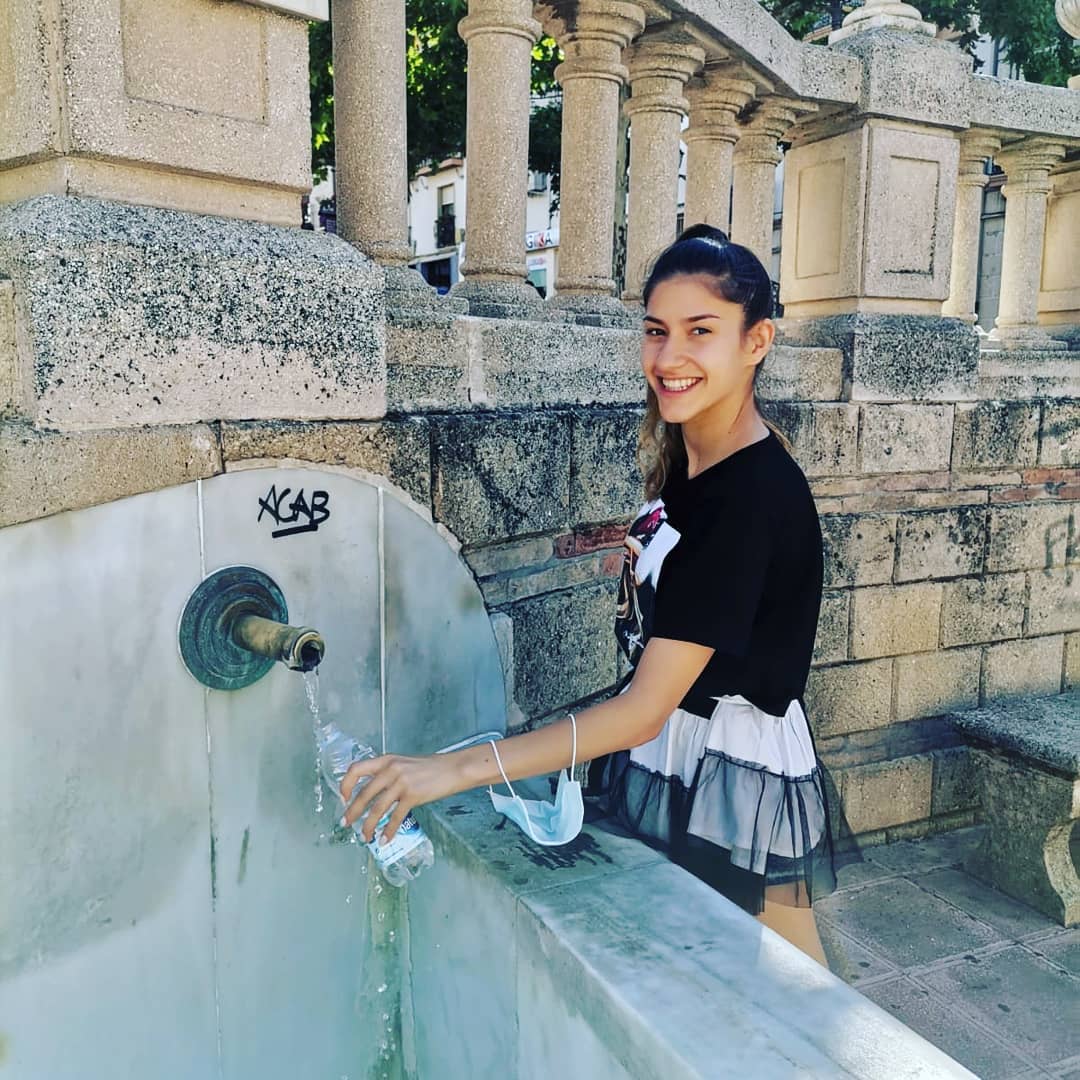
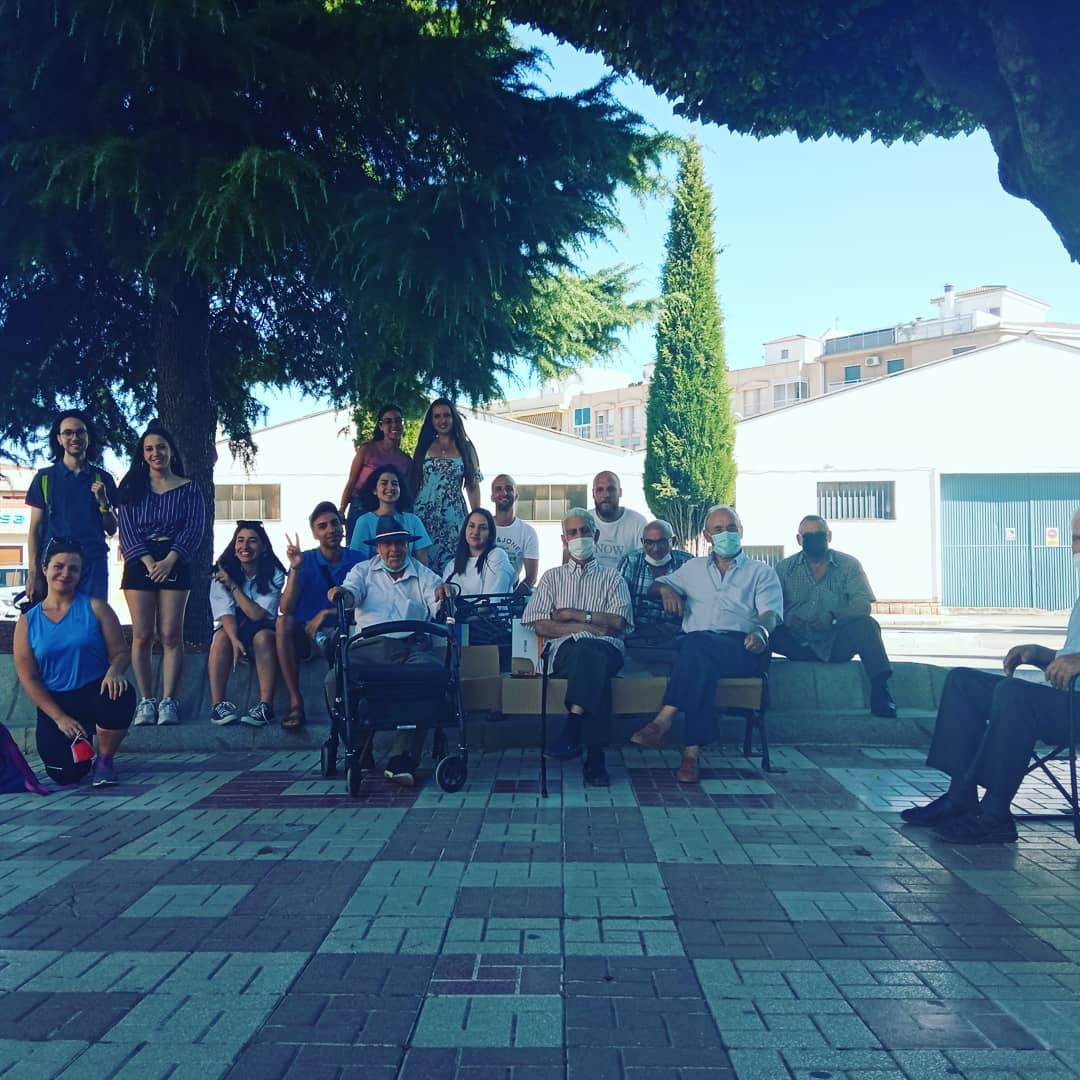
Moreover, the participants implemented a local concert with the involvement of the local population that involved more than 100 people and it created a significant impact on the promotion of the international programs and increase our, our project and the Erasmus+ Programme. On the other hand, during the activities that we have developed the participants had an opportunity to talk with the local population directly and it created a local impact in Alcala la Real.
The participants who involved in the project, they have shared their experiences with their families, friends and their colleagues which created an international impact through out their activities that they have implemented as follow-up of the project.
During the follow-up phase, we have supported participants and their organisations to carry out activities to promote our projects. Through out the Whatsapp group and FB pages, we have promoted our project and the participants are still actively using this platforms to plan and implement new projects. Moreover, we have created a blog to promote our youth activities as a result of the project and put the outputs of the activities in it.
Partners
- 🇪🇸Asociación Socio-Cultural VerdeSur Alcalá
Spain - 🇷🇸Development Center of Vojvodina
Serbia - 🇹🇷UCARLI GENCLIK DERNEGI
Türkiye - 🇧🇬Academy for active youth association
Bulgaria - 🇮🇹Beyond Borders ETS
Italy - 🇩🇰SPADA EUth DK
Denmark
From Instagram
Reels load from Instagram when you play them.
Related news
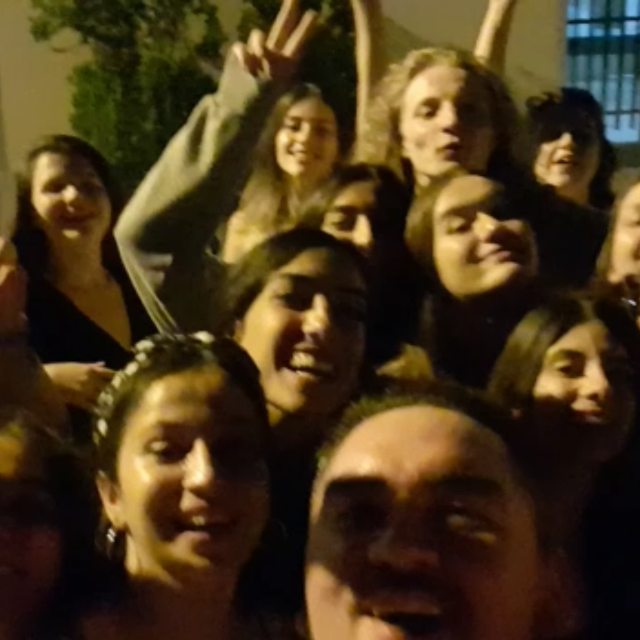
Our first youth exchange in Alcalá comes to an end
VerdeSur finished its first youth exchange in Alcalá and thanks every participant and everyone who made it possible.
Music for Peace participants discover Alcalá la Real
The participants of Music for Peace got to know the town and its people, collecting curiosities and stories.
Music for Peace participants arrive in Alcalá la Real
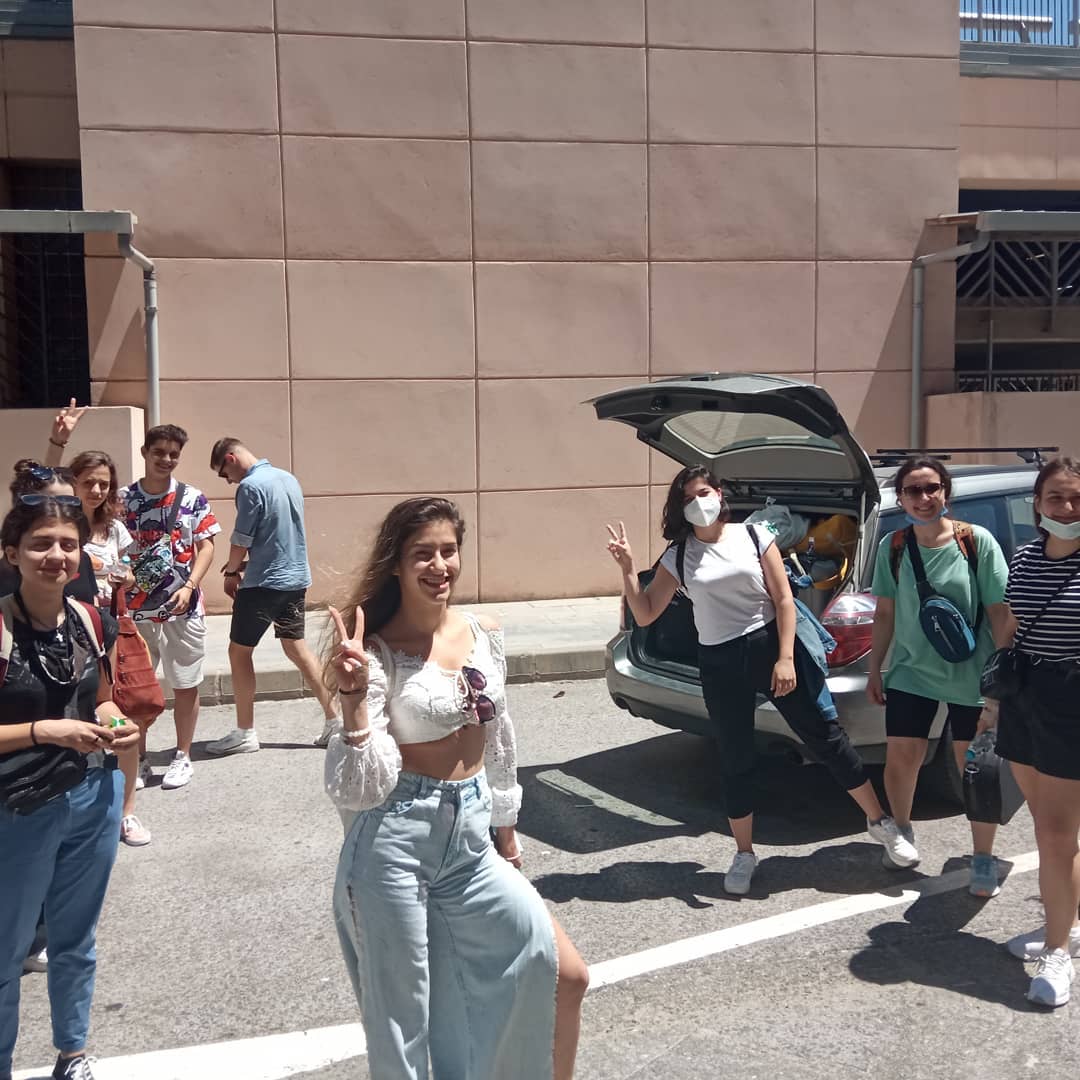
Participants from Turkey, Bulgaria, Serbia and Italy arrived at the airport on Friday, starting the Erasmus+ youth exchange in Alcalá la Rea...
Co-funded by the European Union. Views and opinions expressed are however those of the author(s) only and do not necessarily reflect those of the European Union or the Spanish National Agency for Erasmus+ Youth and the European Solidarity Corps (INJUVE). Neither the European Union nor the granting authority can be held responsible for them.