Research & report · 2024 · EN, DE, EL, ES, SR, TR
Sobriety4you – methodological framework and research
Literature review of good practice in energy sobriety and sustainable living, with a policy guide for youth organisations.
Sustainability and energy conservation have become more important than ever. Europe faces new challenges regarding energy consumption and reduction due to the urgent need for climate adaptation in the near future.
In line with the Europe 2020 strategy and the United Nations 2030 Sustainable Development Goals, we aimed to ensure that Europe continues to develop and recover sustainably. Educating young people on how to better care for the planet, increase energy savings, prevent waste, and adopt sustainable lifestyles has been a key objective of our project.
Our project aimed to take action on environmental impact reduction through a youth education program, a collection of technical methods and best practices, and an online platform featuring rich examples where young people act as mentors.
Environmental impact reduction has become an unavoidable issue today. Concrete initiatives in this area have not been undertaken within the youth sector. While many youth education programs and projects exist in the relevant partner countries, the concept of environmental impact awareness has not been addressed in these programs, particularly focusing on behavioral changes among young people.
Our goal was to create specialized online training programs on energy conservation and ecological change to increase awareness and preparedness among young people. Young people, in particular, are facing long-term environmental changes and rising energy costs, for which they need to be prepared and adapt. We observed a high level of interest among young people in changing the world by altering their behavior. We wanted to give them the tools they need to succeed in their dreams and cope with current and future challenges.
A methodological framework was established by stakeholders to form the basis of the research. Then, based on our findings and the needs of the target group, we created concrete content in the form of curriculum design and content. This was implemented on a specially designed e-learning platform. After creation, it was tested with the real target group to gather feedback and develop improvement suggestions, and then applied to finalize the project training.
• Framework: Literature review + identification of targeted skills and knowledge were jointly carried out by project stakeholders.
• The Sobriety4you curriculum, methodology, and content were jointly developed by project stakeholders to raise awareness and promote adaptation to energy and environmental issues. Curriculum activities, teaching materials for conducting the activities, and assessment content were jointly prepared by all stakeholders.
• A training package containing guides on energy conservation and ecological adaptation for youth workers was jointly developed by project stakeholders.
• 10 trainers were trained in trainer training, and the beta version was tested by the first 60 users with local events in the partners' locations.
• A learning platform LMS with responsive learning content was jointly developed by project stakeholders.
Literature review of good practice in energy sobriety and sustainable living, with a policy guide for youth organisations.
The curriculum for training youth workers on energy sobriety.
How to pilot the Sobriety4you training with young people.
Ready-to-use presentations from the training.
Reels load from Instagram when you play them.
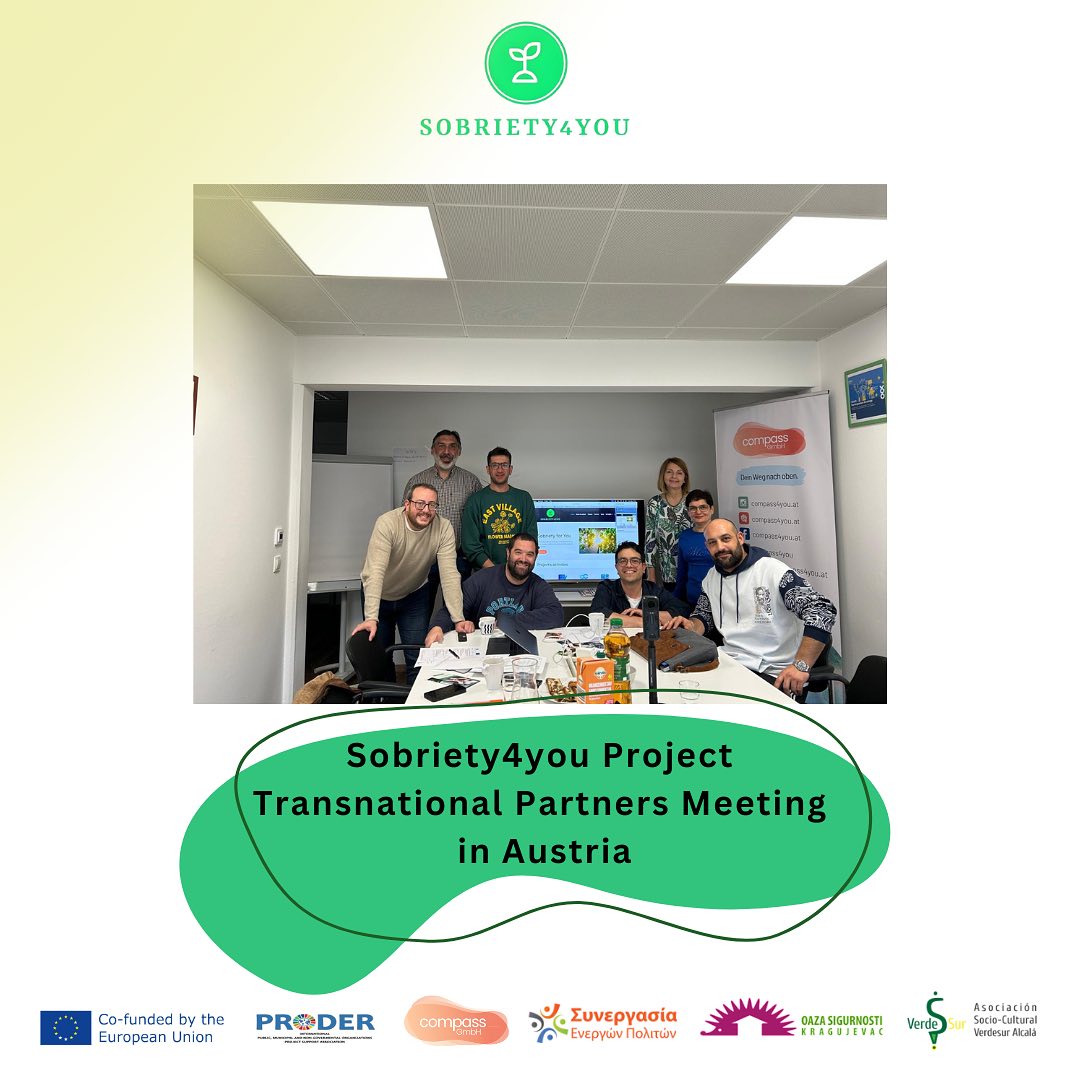
On 8–9 May, Sobriety4you partners met in Innsbruck to advance tools that help young people face ecological and energy challenges.
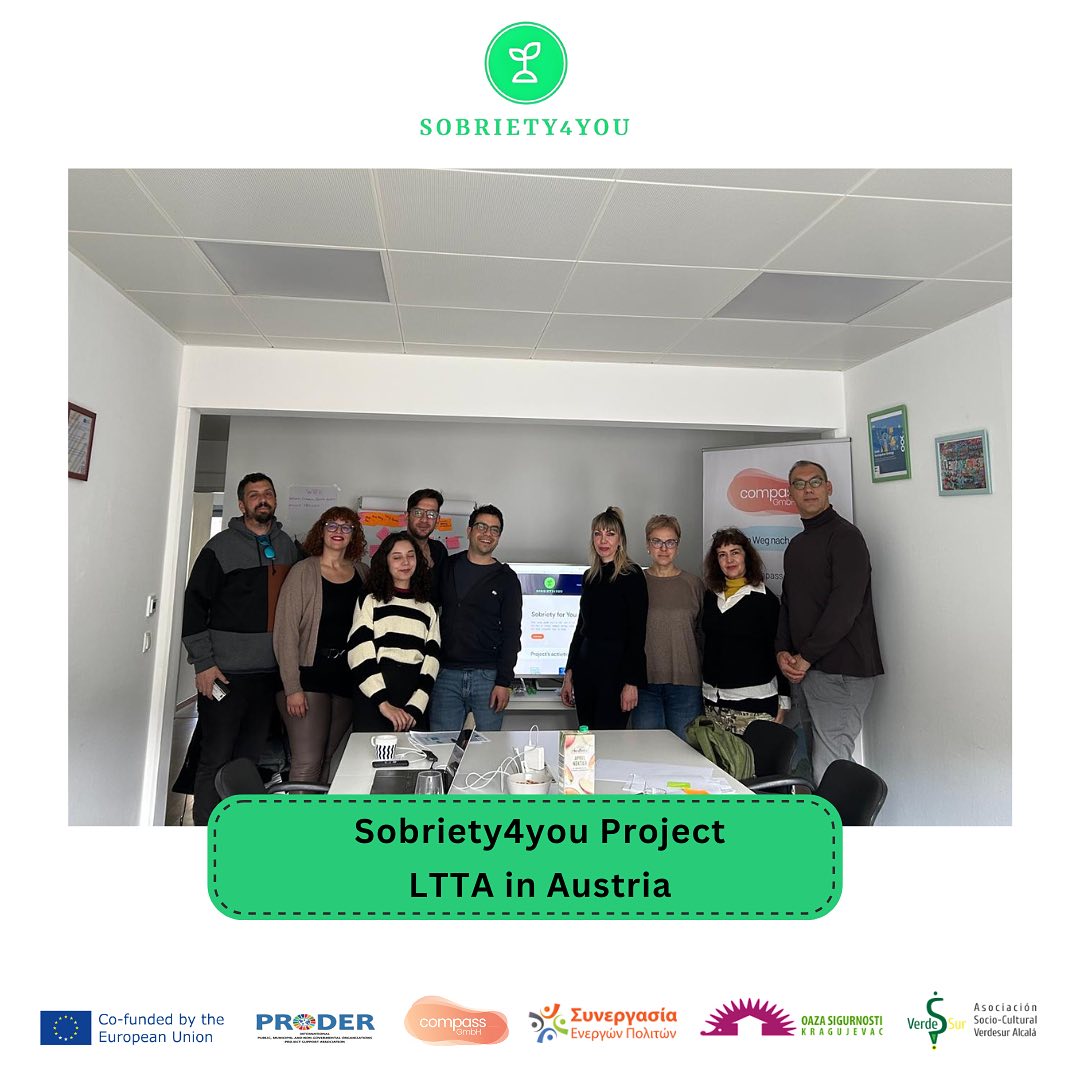
From 10 to 12 March, Compass hosted a Sobriety4You training in Innsbruck with participants from Turkey, Serbia, Spain and Greece.
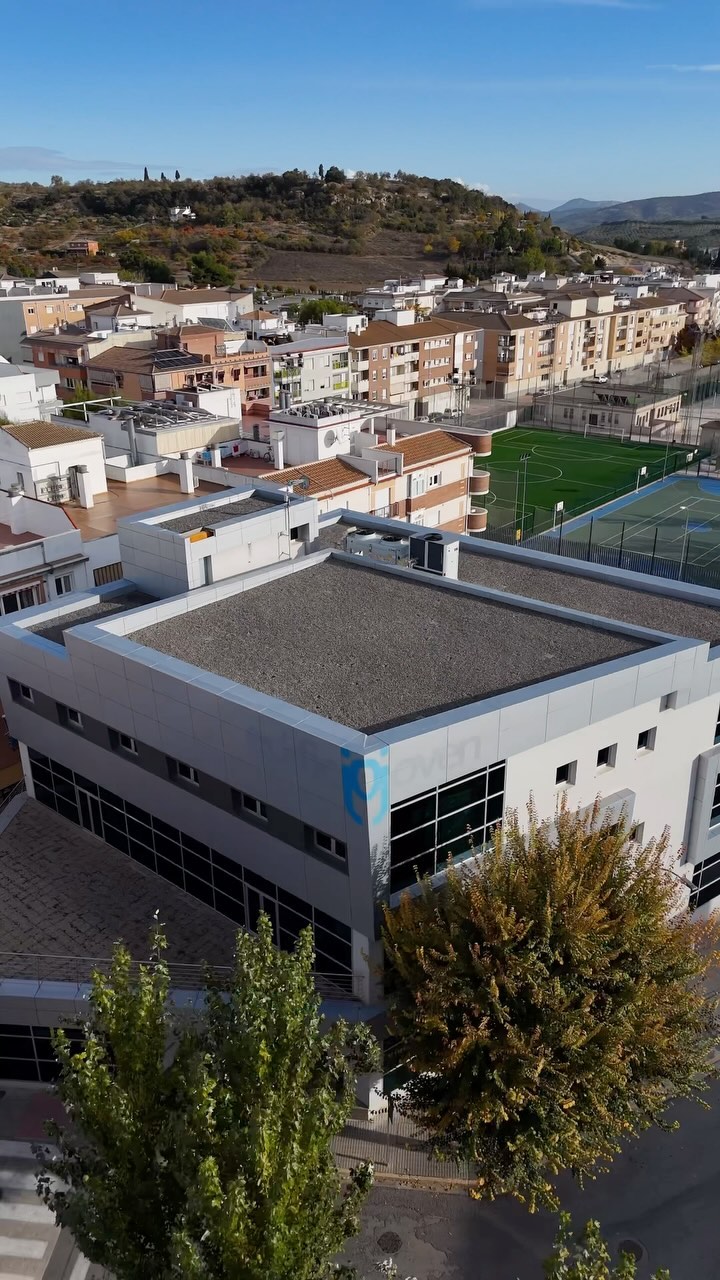
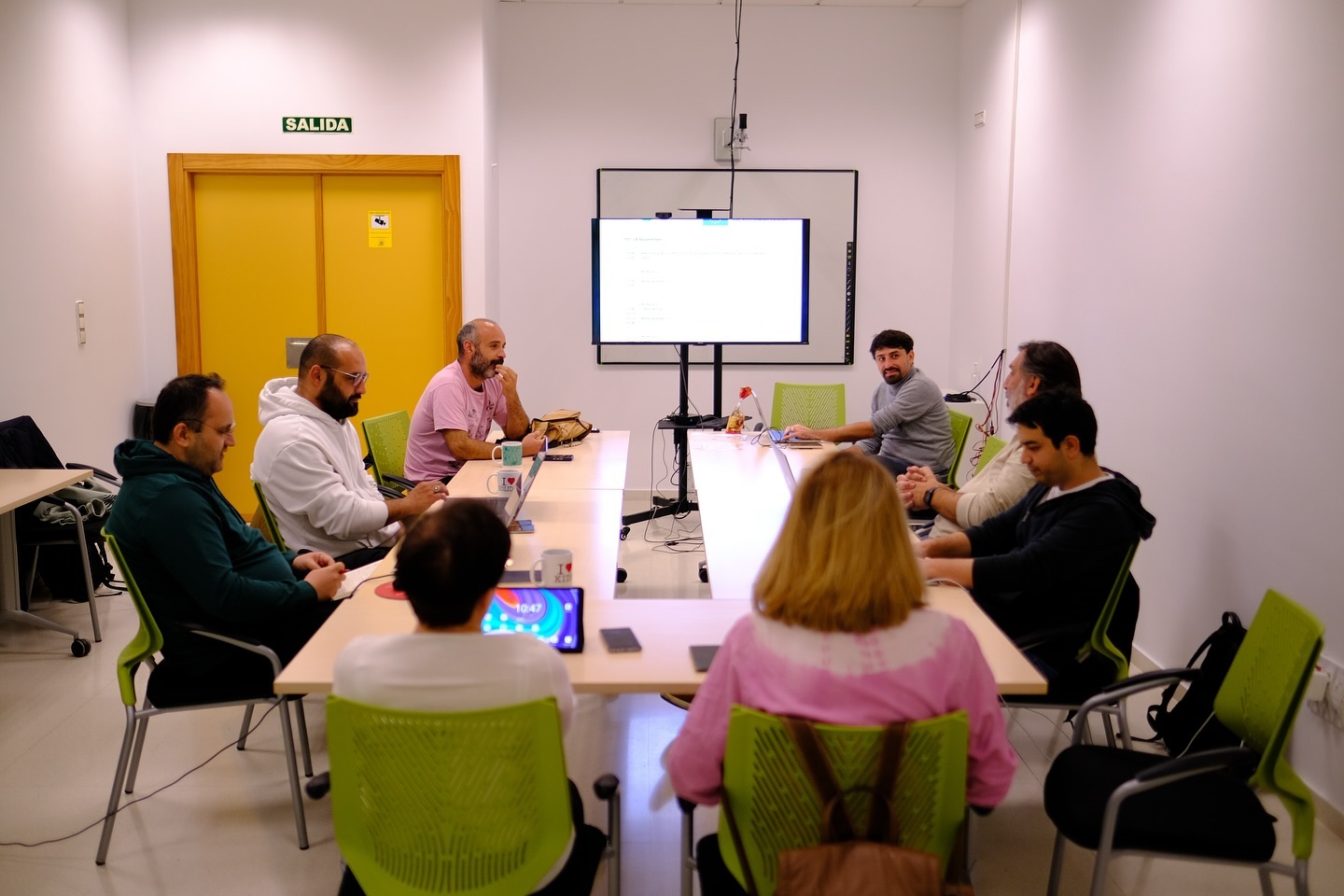
More from the Sobriety4you meeting in Alcalá la Real with partners from Greece, Türkiye, Austria and Spain.
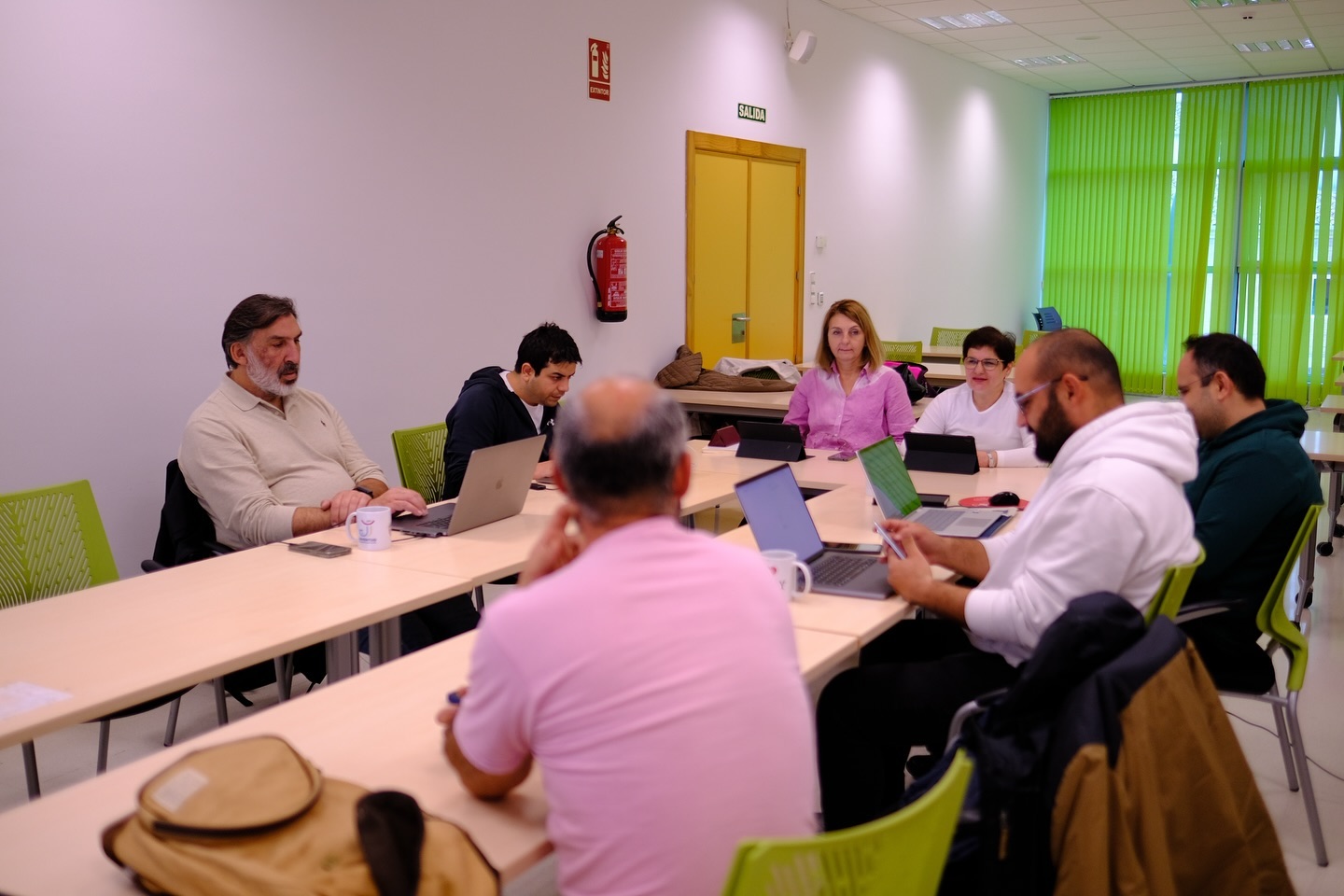
VerdeSur has started the WP3 progress meeting of the Sobriety4you project with its partners.
Co-funded by the European Union. Views and opinions expressed are however those of the author(s) only and do not necessarily reflect those of the European Union or the Turkish National Agency (Türkiye Ulusal Ajansı). Neither the European Union nor the granting authority can be held responsible for them.