Theatre for Peace – Improvisation and Drama Techniques for Youth Workers
Europe today faces a multifaceted crisis characterized by a lingering recession, the fallout from the COVID-19 pandemic, Ukranian war and an escalating cost-of-living crisis.
Objectives
Europe today faces a multifaceted crisis characterized by a lingering recession, the fallout from the COVID-19 pandemic, Ukranian war and an escalating cost-of-living crisis. These challenges have exacerbated inequalities across numerous dimensions between genders, socioeconomic groups, age cohorts, and rural versus urban populations. For example, According to EuroFond, the gender pay gap remains at around 13%, and public services are strained by the increased poverty and unemployment among youth in many regions. In several EU countries, youth unemployment rates have surged dramatically in the wake of economic crises, further undermining social cohesion and fueling political and social unrest. Moreover, the pandemic has left an indelible mark on mental health across age groups with particularly severe effects observed among young people and the elderly. Such widespread stress, coupled with economic hardship, has intensified tensions within communities, leading to both overt public protests and more subtle forms of societal fragmentation.
Recent surveys by the European Union Agency for Fundamental Rights (FRA) reveal that discrimination against ethnic minorities remains alarmingly high in several EU member states. For instance, FRA’s 2022 survey on people of African descent across 13 European countries found that 34% of respondents reported experiencing racial discrimination in the previous five years – a significant rise from 39% in 2016 in some nations. In Germany, nearly 64% of Black immigrants have reported being racially harassed, well above the EU average of 30%. Similarly, a Reuters report from September 2024 highlights that Italy faces persistent challenges: discrimination is evident in multiple sectors such as policing, housing, and employment, with documented cases of racial profiling and abuse particularly affecting Roma, Black communities, and people of Middle Eastern origin. The rise of xenophobic sentiment in Europe is also reflected in public opinion surveys and hate crime statistics. According to a Chatham House poll, on average 55% of respondents in a set of European countries agreed that immigration from Muslim-majority countries should be halted – with as high as 71% in Austria and 68% in Germany. Persistent discrimination not only marginalizes ethnic minorities but also fuels social tension and conflict. Studies have linked high levels of minority discrimination with increased xenophobic violence and political polarization. For example, research across several European cities indicates that neighborhoods with high rates of perceived discrimination tend to experience more hate incidents and social unrest.
In light of these statistics, it is important to promote the peace more than ever in our communities. In this sense, the youth work provides us a ground to implement these discussions through the dialogue and prevent the conflicts through the mediation and peace building activities. Furthermore, different conflict models are often interconnected, and young people who have been subject to these conflicts at the regional, national or international level can develop xenophobic or racist behavior. This behavior of young people can cause violence and aggression against people of different ethnic backgrounds or any minority. In summary, the combination of extreme nationalism, racism and discrimination with violence and life-threatening actions against minority groups reveals the need to develop effective strategies for violence and conflict resolution among young people. However, the youth workers do not have enough skills to deal with such challenges in the communities. Thus, there is a need to increase the competences of the youth workers and provide them with skills and knowledge to make them more aware about the challenges in the communities through using the tool of theatre for peace and inclusion in the communities.
The objectives of the project are;
-To qualify the youth workers as theatre practicioners to implement theatre activities for promoting the issues of young people
-To create an awareness on the usage of theatre methodologies to promote social peace in the communities
-To increase the attractiveness of the participating organizations by making them able to implement theatre activities to engage young people with fewer opportunities
-To provide a space to develop partnerships in the field of theatre, social peace and youth work
Activities
The project activity will take place between 21-28 March 2026 ( 6 full-working days - 2 travel days ) in Alcala la Real,Spain with the participating organisations from Serbia, Poland, Greece, Hungary, Austria, Romania, Croatia, Czechia with 19 participants and 3 trainers. We planned to include 2 participant per country and we planned to include 9 young people with fewer opportunities as agencies of the target groups of the participating organizations to increase the efficiency of the training course. Though the project activity is consisted of 7 day programme, it will consist of preparation activities ( virtual component ) and follow-up activities which are explained detailed under project design. Thus, only the activities will take place within the residential activity is explained below in detailed.
1) Preperation activities before the mobility ( December 2025 - March 2026): The preparation activity will take place for 4 weeks and the participants each will involve particular tasks concerning the task-related and practical arrangements prior to the mobility. This will be implemented within in Moodle Platform and we will implement online facilitated dialogue sessions to promote the engagement of participants and increasing the quality of preparation processes. The detailed of these activities is explained in the virtual module section.
2) Mobility Activity ( 21-28 March 2026 ) : The detailed explanation of the activities can be found in the activity table.
Daily Session Plan and Daily Aims :
Day 1 (Travel Day) : Arrival Day, Informal Meeting for participants to get to know each other
Day 2: Opening of the Project, Getting to Know Each other, Youthpas , Wrap-up of the Online Module ( Expectations, Learning Aims and Contextual Issues )
Day 3: Peace Education, Case Analysis on Hate Speech, Intercultural Dialogue
Day 4: Forum Theatre, Improv, Harold Technique
Day 5: Theatre for Peace, Creating Community Theatres, Training Essentials
Day 6: Training Development Session, Method Try-Out, Visits to Youth Centre and Ayuntamiento de Alcala la Real
Day 7: Erasmus+ and European Solidarity Corps, Evaluation of the training, Follow-up Actions
Day 8: Departure Day ( Travel Day )
3)Follow-Up Activities ( March 2026 - July 2026 ): After the training course is implemented and the participants learn on training development an theatre methodologies, peace education, they will work on the trainings, community workshops, workshops and new project ideas with the involvement of trainers as mentors. We foresee that the project activities that are going to developed by participants will focus on Erasmus+ but we expect that the participants will develop new activities solely for their organisational usage.The implementation of those activities will be implemented by participants with our support in contextual ways and the sending organisations in practical ways.
Participant Profile :
- Ages 18-50
- Roles as youth trainers, workers, or project coordinators in their organizations
- Experience delivering activities for young people in non-formal educational contexts, focusing on inclusion, empowerment, and social peace
- Motivation to engage in the learning process and share personal insights during training
- Interest in enhancing skills to implement theatre and peace education activities upon their return
- Proficiency in English (level B1 – C1) to engage in discussions and collaborate on activities
- Limited experience in theatre, drama, facilitation, and social peace.
Impact
Our project aims to enhance the quality of youth work by incorporating theatre methodologies to strengthen the abilities of youth organizations and youth workers, particularly when engaging with young people facing challenges on inclusion and social peace. These theatre techniques can support the mental well-being of young individuals, offering them a space to express their concerns, process their emotions, and address community issues. By focusing on activities for those with limited opportunities, we hope to directly foster their sense of belonging and promote social harmony. Consequently, we anticipate that this initiative will elevate the standards of youth work and encourage creativity within youth practices by equipping youth workers with essential qualifications.
Theatre methodologies will make the youth workers job easier to engage with the young people who are hesitant to tackle with their issues in the community and tackle with the systemic racism that they recieve in the communities. On the other hand, we internalise the aspect that the young people with fewer opportunities should have a voice and should be work with rather than should be worked for. Due to this aspect, we believe that our participants will be able to reach local youth by using local interventions through community theatres on promoting social peace and inclusion. In addition, since our participants will have new methods and educational plans in their organisations, they will be able to implement more coherent activities with the participants and it will create significant impact on the implementation of new youth activities based on theatre and drama techniques.
In addition, by informing the mainstream and written media in Alcala la Real as well as Jaen provience, we will share the information of our project and provide information about the realization of such a project in Alcala la Real and discuss youth work practices and usage of theatre in youth work. Since our participants will want to organize international activities while working with their organisations after they return to their home countries, the new methodologies that they will learn will increase the quality and inclusiveness of their work in their communities. This will be reflected in the activities that they run internationally. These activities will ensure that the impact planned is reached in local, regional, national and European level.
We will develop video-series to disseminate the knowledge that is developed within the project to organizations in the field of youth to mainstream the theatre activities which does not really require a talent unlike the popular belief. Whilst some actors are naturally gifted performers, the best actors are those that dedicate time and effort to learning and practicing. Infact, untalented actors that put in the time and effort will, over time, become better performers than those with just talent. Thus involving young people to such activities will promote their participation and their self-confidence over time. In addition to that, to promote the project activities, we will develop a testimonials video with the interviews of the participants which we do for every project to promote the usage of theatre in the field of youth during the implementation of the project. To ensure the impact, we will promote the activities in European level and will increase youth organizations to implement theatre and drama activities in their communities to provide young people with fewer opportunities a space to raise their concerns and build communities.
The training participants, as the primary beneficiaries, are anticipated to amplify the training results by undertaking community theatre projects both locally and internationally, including within and beyond the Erasmus+. As a result, we expect a broader impact extending beyond the direct beneficiaries, primarily brought about by the actions of participants and their sending organizations serving as multipliers, along with subsequent activities. To ensure this impact is realized and assessed, we will maintain communication for six months following the activity's implementation to evaluate how other organizations utilize the project outcomes. Additionally, we will verify that the customized activities created by participants during the training will lead to new international projects, with the trainers providing mentorship after the activity concludes.
At the European level, increased cooperation and partnerships are encouraged to enhance mutual learning and synergy through theatre and youth work activities. This includes joint cooperation projects that add a European dimension to stakeholders' work. Additionally, know-how exchanges between organizations can support further qualification and education in the youth field.
Partners
- 🇪🇸ASOC SOCIO CULTURAL VERDESUR ALCALA
Spain - 🇷🇴ASOCIATIA A.S.E.L. RO
Romania - 🇭🇷European Academy of Strategic Training and Business
Croatia - 🇨🇿BRNO FOR YOU ZS
Czechia - 🇷🇸Open Educational Vibes
Serbia - 🇵🇱Fundacja Rozwoju Spolecznosci Lokalnych "Inicjatywa"
Poland - 🇬🇷DIATHEMATIKO, DIAPOLITISMIKO RADIOFONO TIS EKPAIDEFTIKIS KOINOTITAS ASTIKI MI KERDOSKOPIKI ETAIREIA - EUROPEAN SCHOOL RADIO TO PROTO MATHITIKO RADIOFONO
Greece - 🇭🇺Hidak Ifjúsági Alapítvány
Hungary - 🇦🇹Verein für aktiv Leben und Bildung
Austria
From Instagram
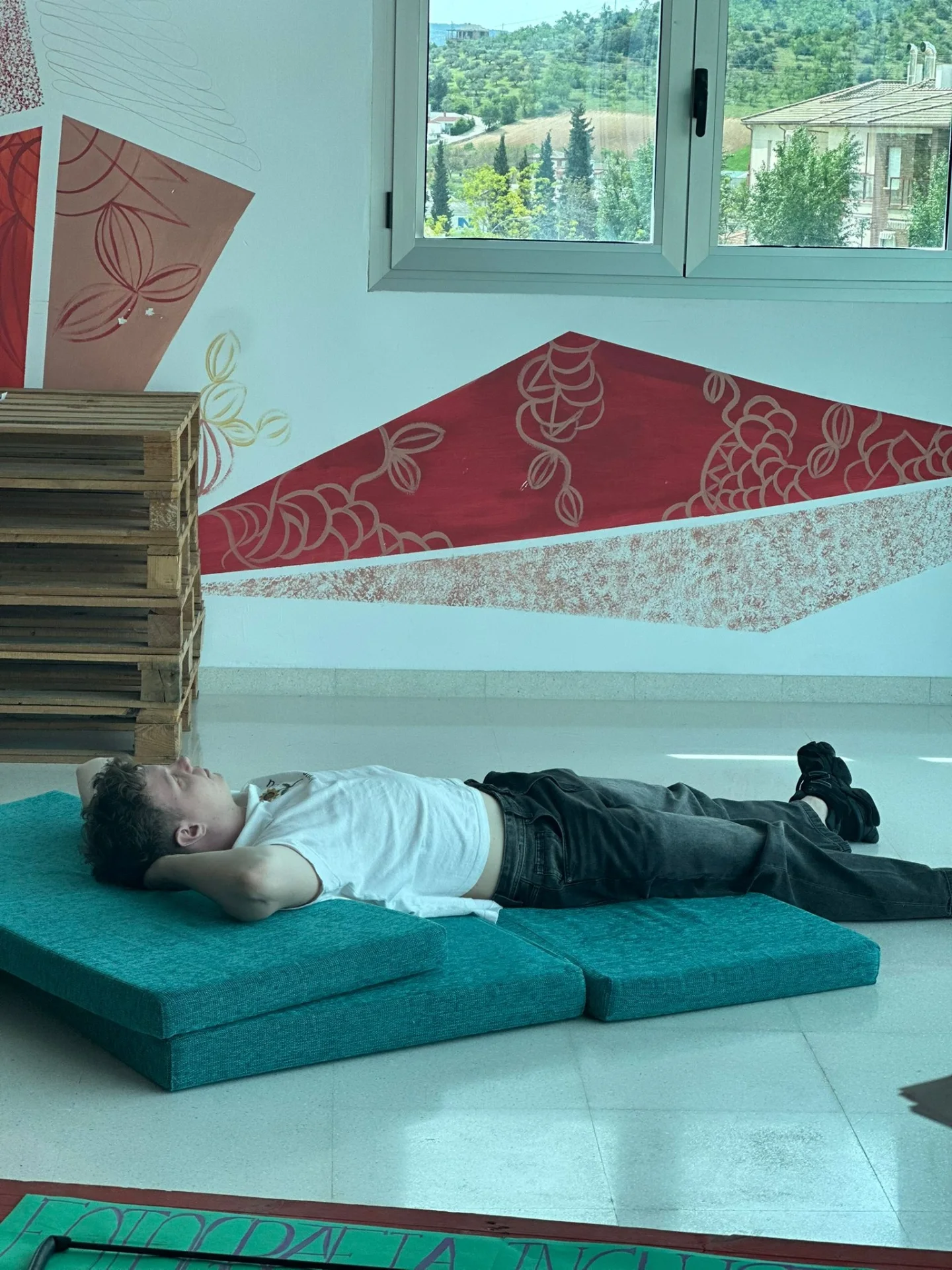
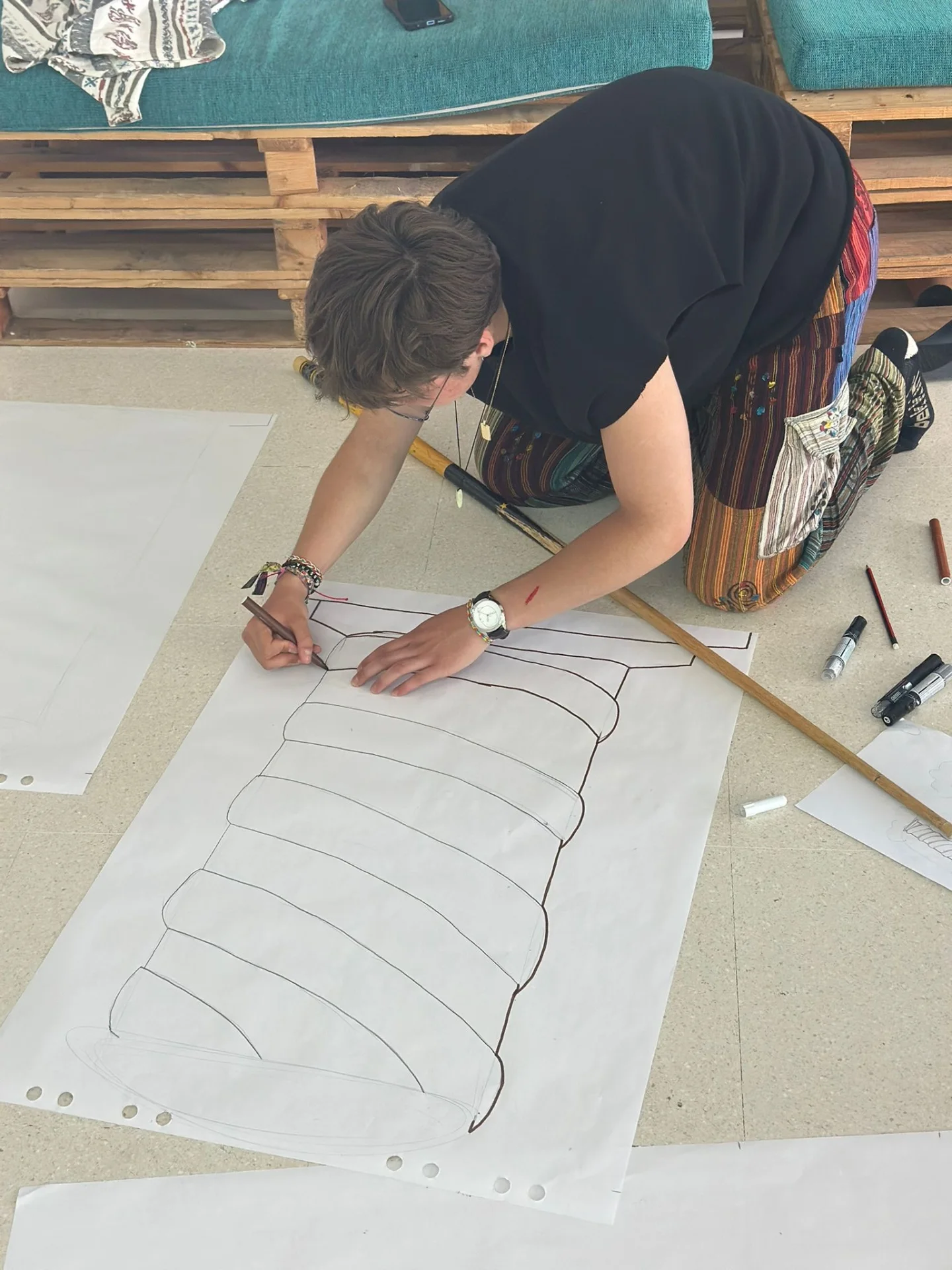
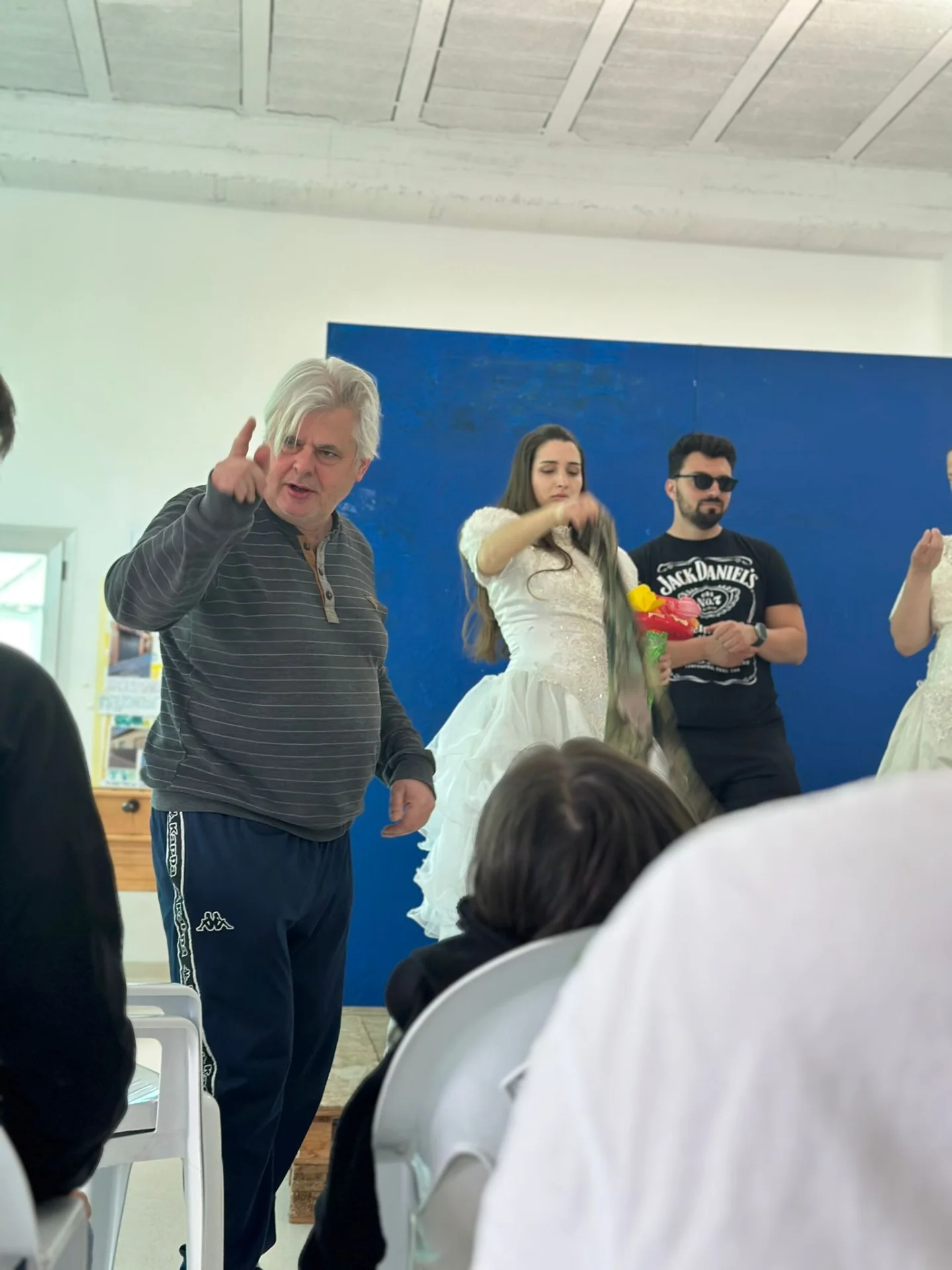
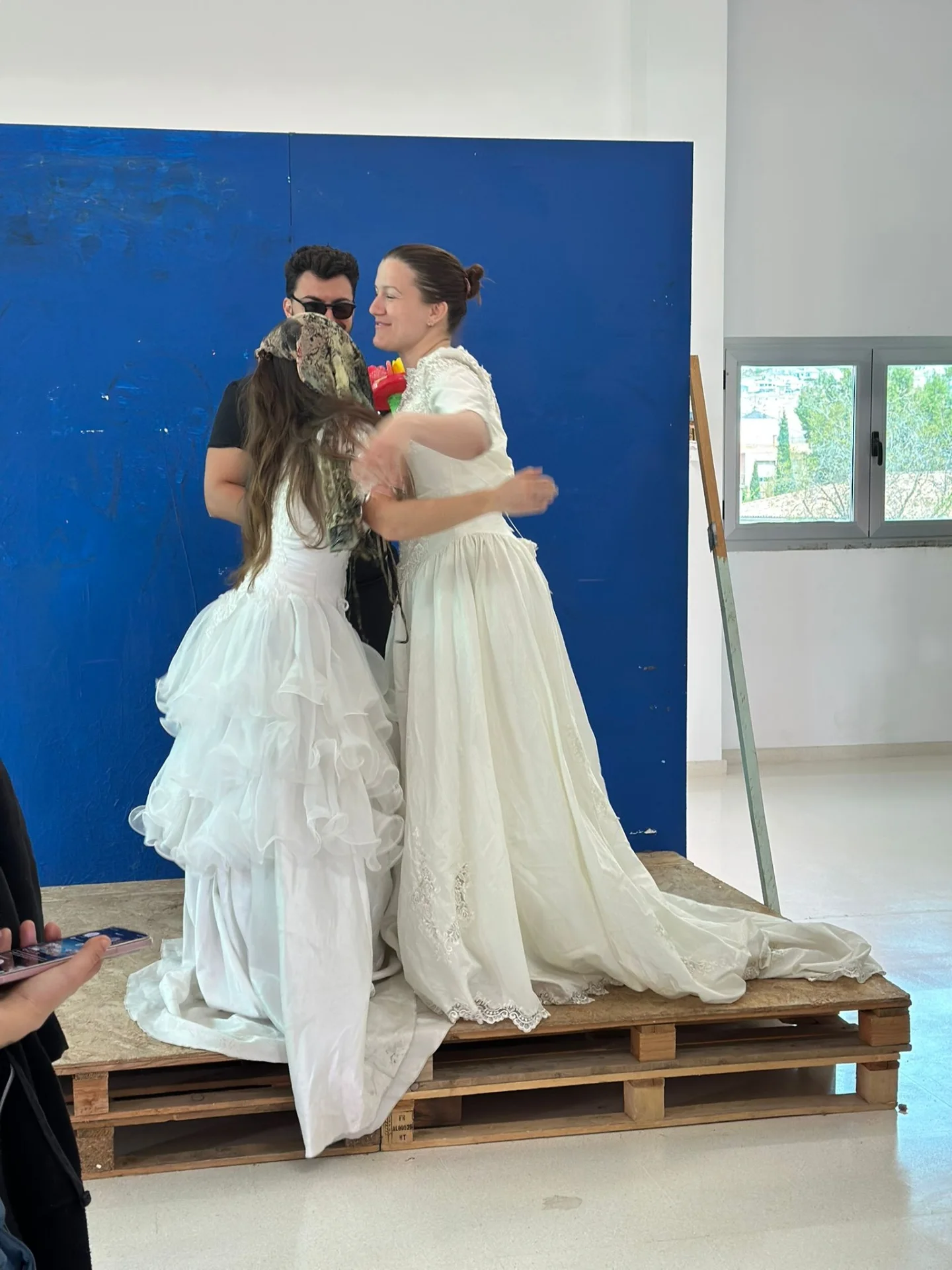
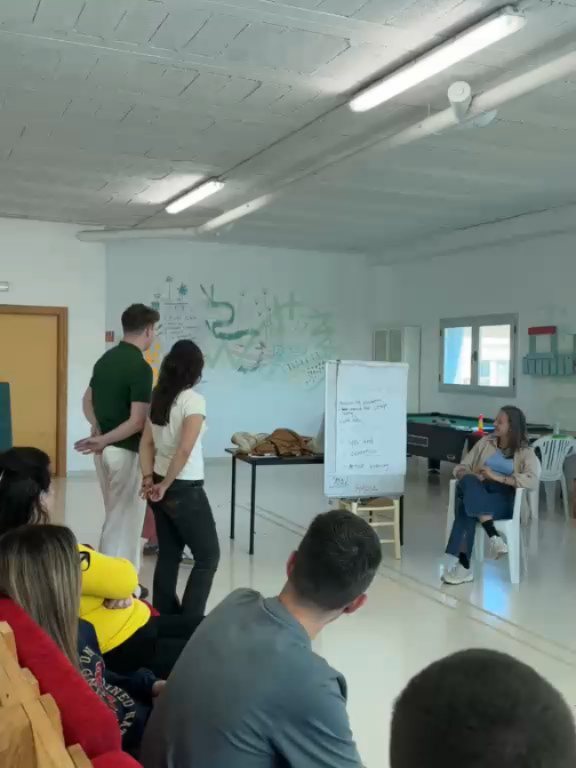
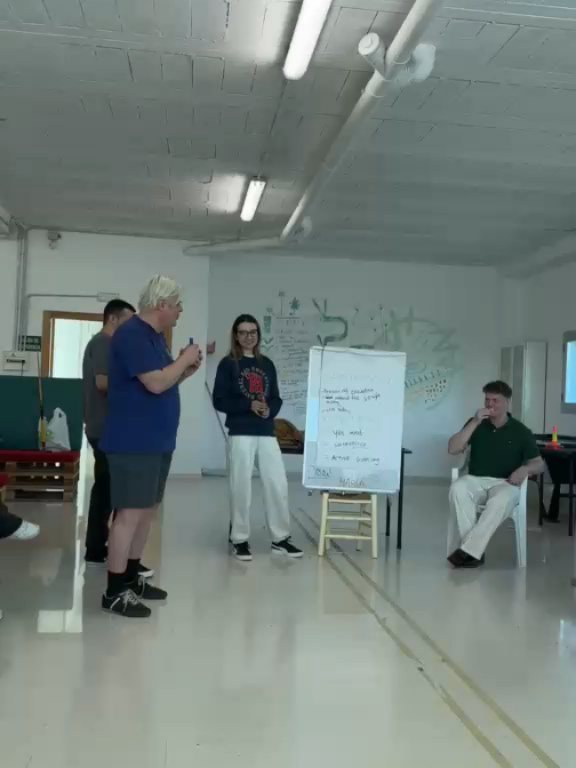
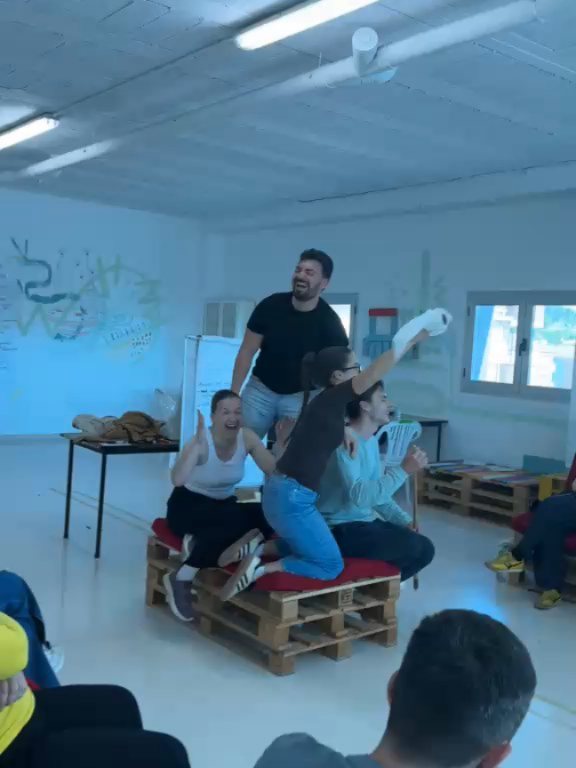
Reels load from Instagram when you play them.
Related news
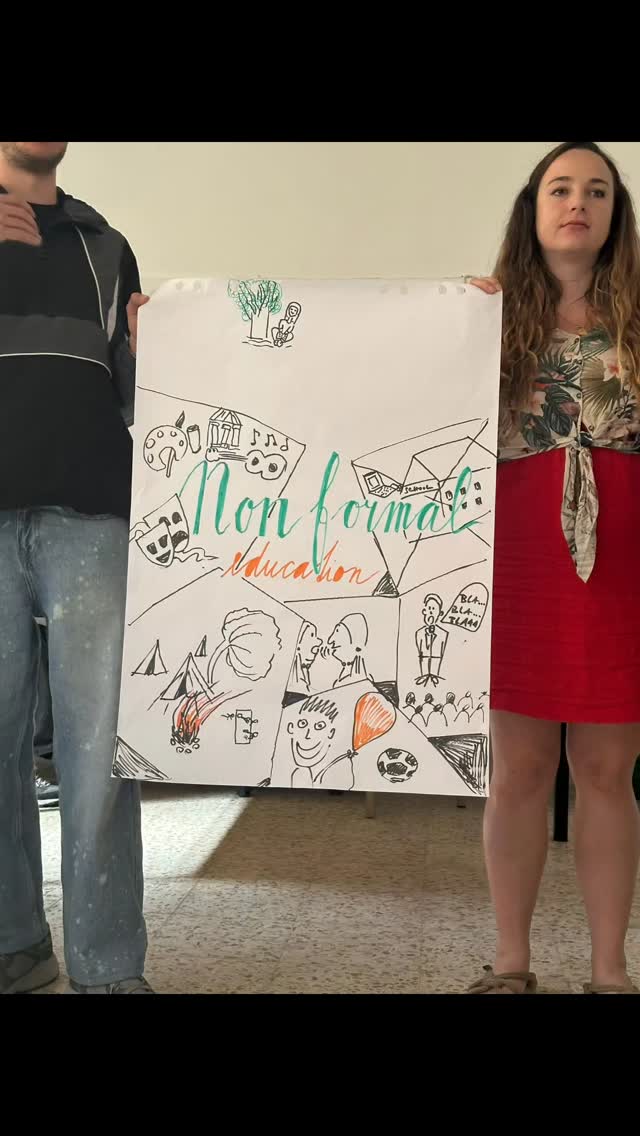
Last day of Erasmus+ Theatre and Peace
The Erasmus+ theatre and peace project reached its last day.
Preparing the play at Erasmus+ Theatre and Peace
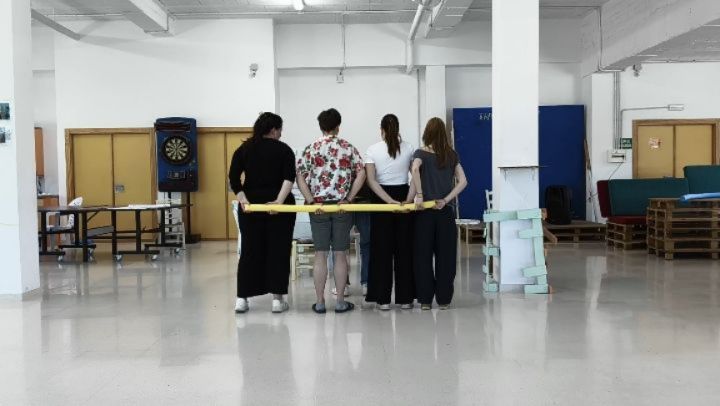
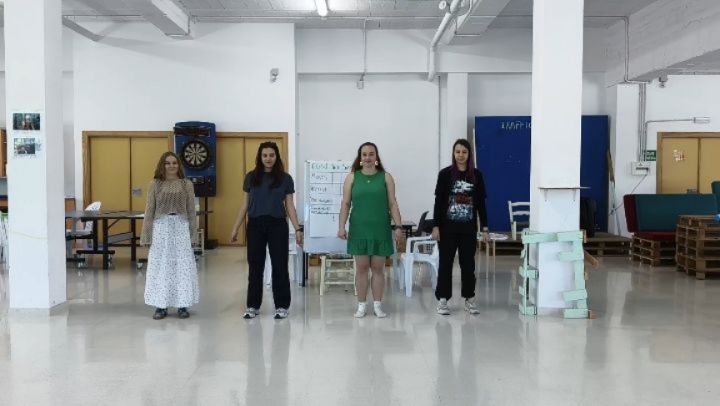
Participants of the Erasmus+ theatre and peace project prepared their play.
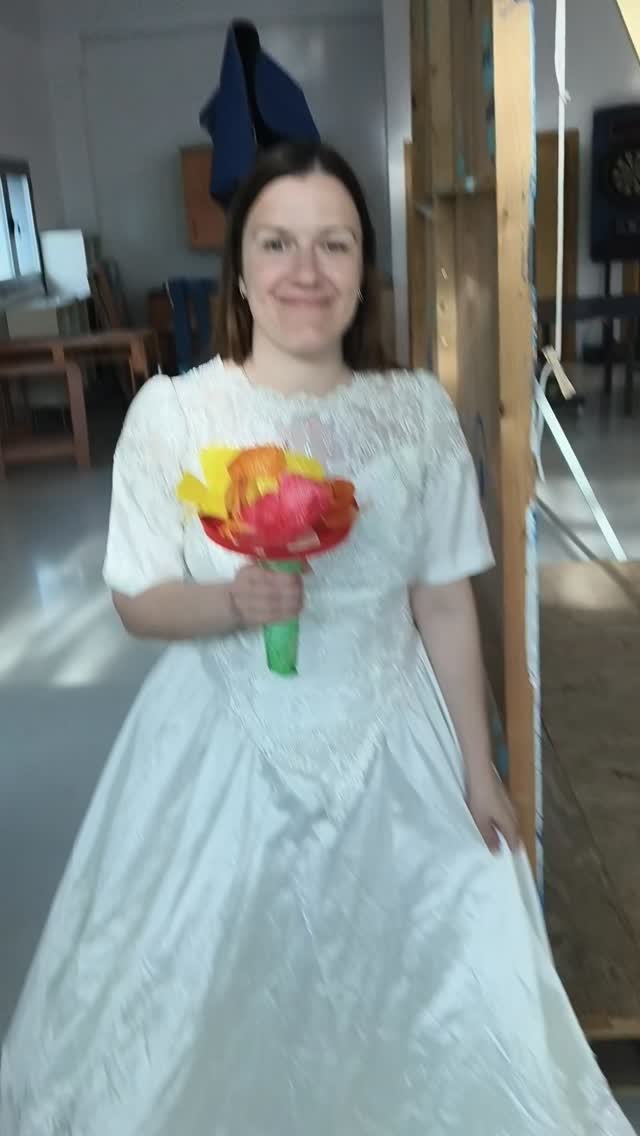
Theatre for Peace participants perform their play
The participants of Erasmus+ theatre and peace performed the play they prepared.
Theatre and Peace participants present their work at the Edificio Joven
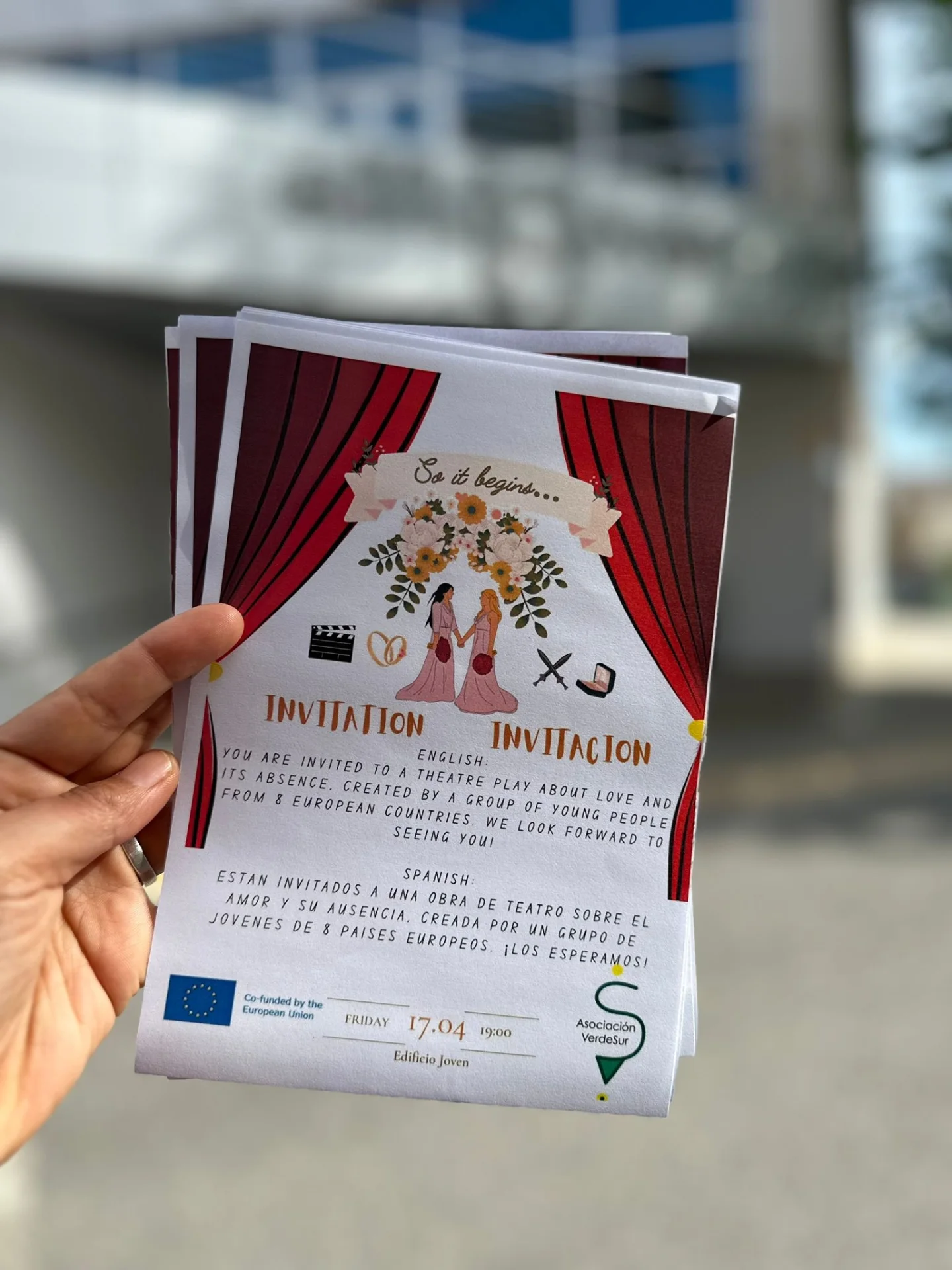
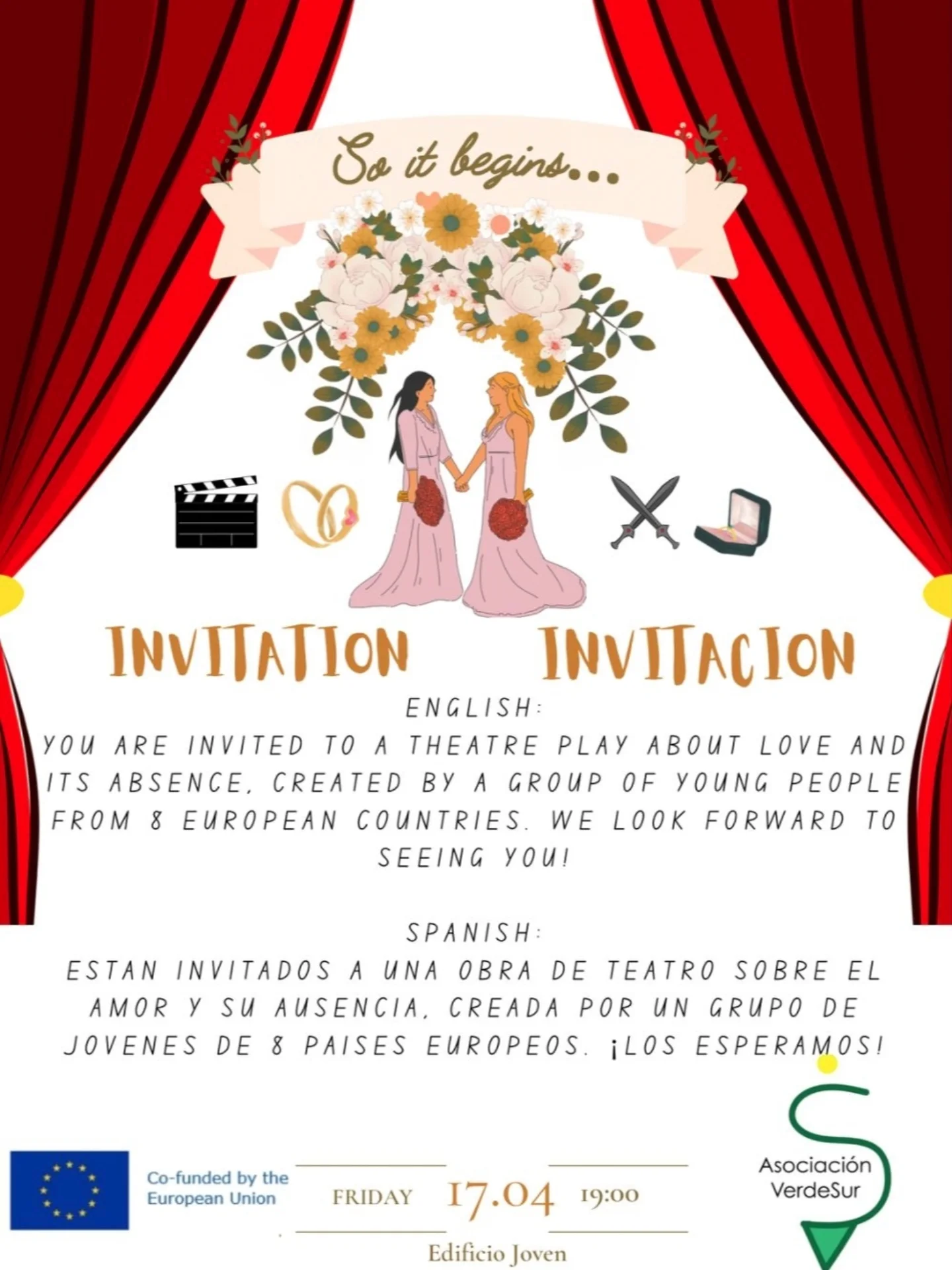
Everyone was invited on Friday 17 at 19:00 to the top floor of the Edificio Joven to see what the theatre and peace participants prepared.
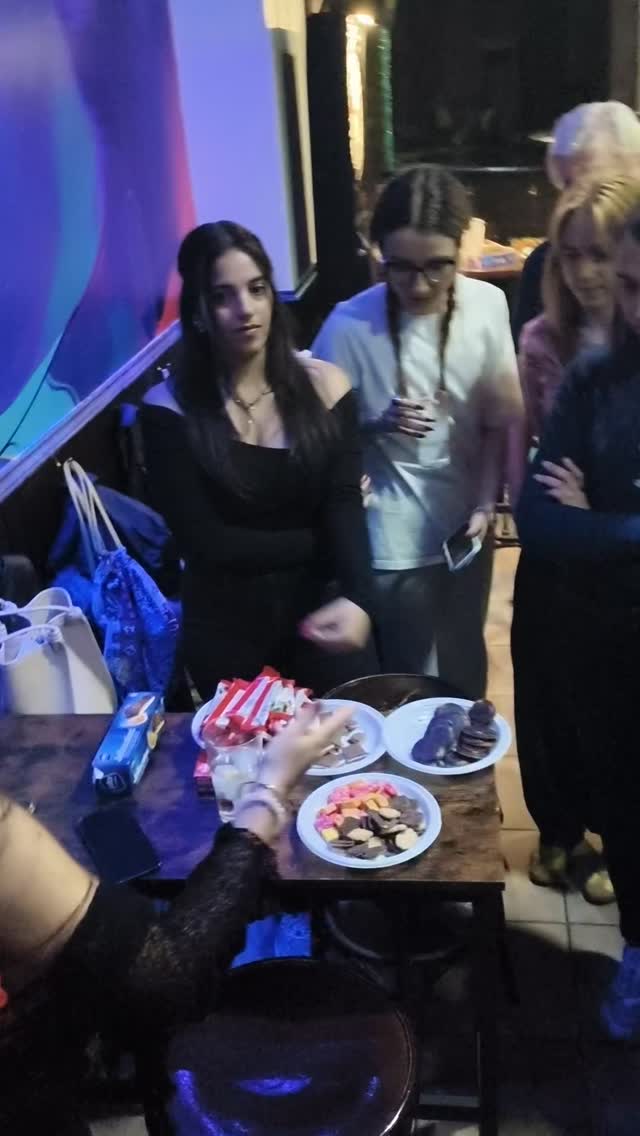
Intercultural night at Erasmus+ Theatre and Peace
The Erasmus+ theatre and peace group held an intercultural night.
Preparing pitches at Erasmus+ Theatre and Peace
Participants prepared the pitches they would present in the afternoon.

Co-funded by the European Union. Views and opinions expressed are however those of the author(s) only and do not necessarily reflect those of the European Union or the Spanish National Agency for Erasmus+ Youth and the European Solidarity Corps (INJUVE). Neither the European Union nor the granting authority can be held responsible for them.