Urban - Rural Divide: Enhancing Access for Disadvantaged Youth through Social Entrepreneurship
Young people across both urban and rural settings often confront systemic barriers that limit their social inclusion, employability, and capacity to innovate.
Objectives
Young people across both urban and rural settings often confront systemic barriers that limit their social inclusion, employability, and capacity to innovate. In Germany, the youth unemployment rate (ages 15–24) stood at 6.7 % in 2024, reflecting a relatively low level compared to many European peers. Nevertheless, the average masks significant disparities: among young people from migrant or socioeconomically disadvantaged backgrounds, access to networks, resources, and opportunities remains severely constrained. In 2023, the employment rate for youth in Germany was reported at 50.8 %, underlining that nearly half of young people are not engaged in stable employment even in a strong economy. In a city like Munich with generally low unemployment and robust infrastructure the challenge is less about job availability and more about ensuring marginalized youth can access and benefit from those opportunities equitably.
In contrast, Spain faces a deeply entrenched youth unemployment crisis. By mid-2025, the national youth unemployment rate reached 23.5 %, one of the highest in Europe. In Andalusia where Alcalá la Real is located : youth unemployment is often even more acute, compounded by structural economic disadvantages and limited diversification beyond agriculture. While I did not find a municipality-level unemployment figure for Alcalá la Real, the local economy is heavily dependent on olive cultivation, agro-processing, artisan crafts, and small manufacturing. This economic pattern limits opportunities for young people who seek roles outside of traditional sectors, leading many to migrate to larger cities.
These contrasting contexts highlight a shared need: young people in urban and rural areas alike are too often treated as passive recipients rather than active agents of change. In Munich, youth with fewer resources may lack access to mentorship, startup support, or social capital needed to turn ideas into action. In Alcalá la Real, rural isolation, lower digital connectivity, and outmigration intensify the sense that local innovation is impossible. Bridging these divides is critical if we want youth to become co-creators of resilient communities, rather than frustrated by their environments.
Young people in both urban and rural settings face significant structural barriers to meaningful participation, especially when they come from socioeconomically disadvantaged backgrounds. In a city like Munich, which hosts over 1.6 million inhabitants. the overall employment environment is strong, but inequality and exclusion persist: youth from migrant or low-income families often lack access to networks, mentorship, and opportunities for agency within the system. Meanwhile, in Alcalá la Real, a municipality of about 21,581 inhabitants in Andalusia, the local economy is heavily reliant on agriculture (especially olive production) and small-scale manufacturing. This limited economic base, combined with broader demographic challenges in Andalusia (ageing populations, depopulation, low birth rates), constrains opportunities for young people locally and drives migration to urban centers.
These contrasting contexts reveal that while urban youth may face exclusion from opportunity, rural youth often struggle with lack of infrastructure, isolation, and fewer avenues for innovation. Moreover, rural areas in Andalusia have shown uneven labour efficiency and challenges in leveraging human capital at the municipal level. The broader region of Andalusia is dealing with demographic pressures, low economic diversification, and territorial inequality.
Engaging the young people in these two distinctive settings Munich and Alcalá la Real; the project aims to create a learning space where youth can confront their own assumptions, see parallels and divergences, and co-create solutions that draw on the strengths of both environments. The project addresses a clear need: to shift youth from being passive recipients of support to becoming active changemakers in their localities, promoting social inclusion, local resilience, and innovative entrepreneurship rooted in context.
The project objectives :
- To strengthen youth agency and critical awareness of social, economic, and spatial challenges in their local (urban or rural) environments
- To equip disadvantaged young people with social entrepreneurship skills, methodologies, and mindset to ideate and prototype context-sensitive solutions
- To foster cross-context dialogue, mutual learning, and exchange between urban and rural youth
- To develop a practical booklet or toolkit documenting the process, lessons learned, prototypes, and recommendations for replication
- To promote sustainability and impact by connecting youth-led initiatives with local stakeholders, institutions, and networks
Activities
The project Urban–Rural Divide: Enhancing Access for Disadvantaged Youth through Social Entrepreneurship will implement two youth exchanges that complement each other by focusing on the contrasting realities of urban and rural contexts.
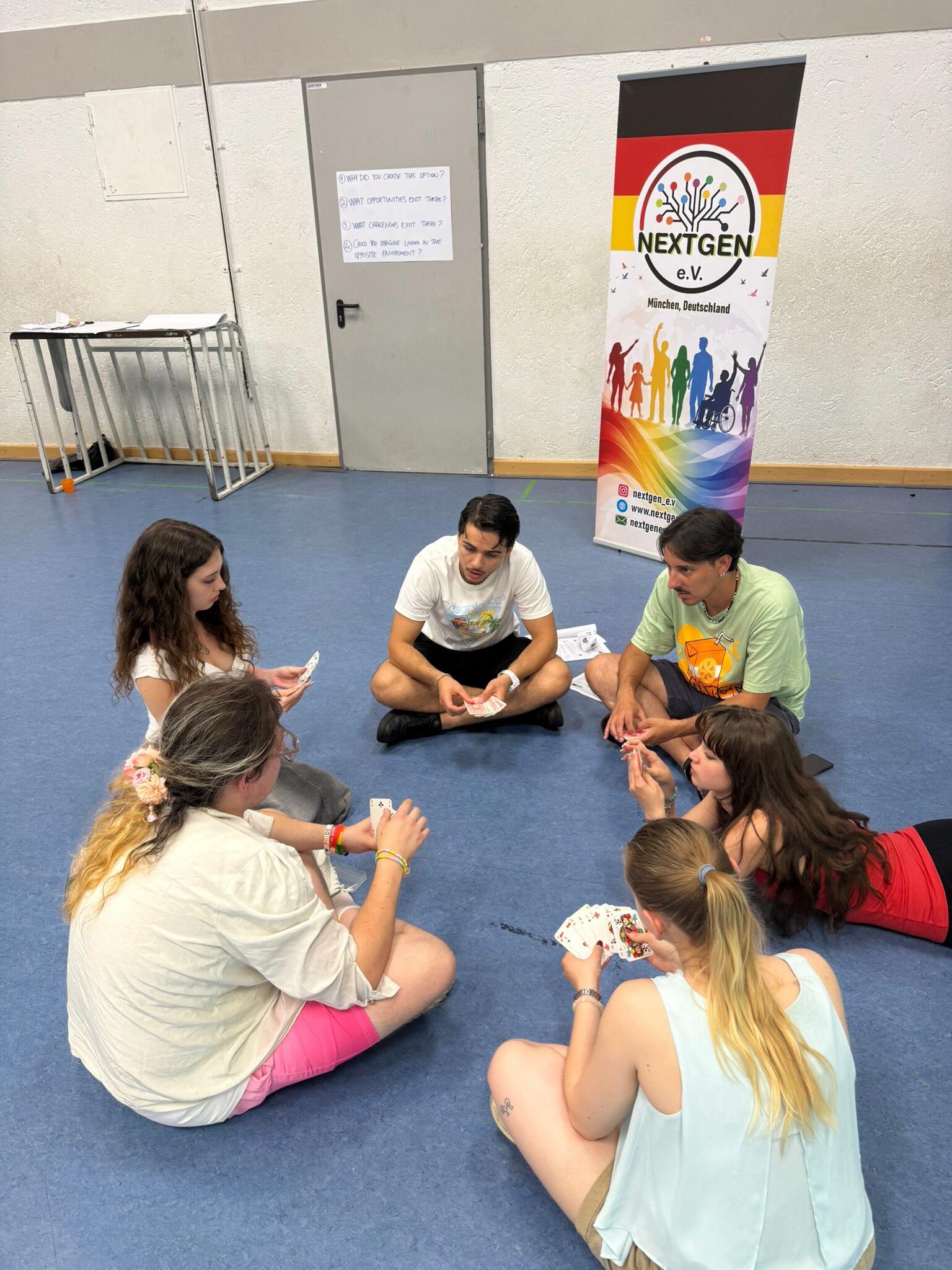
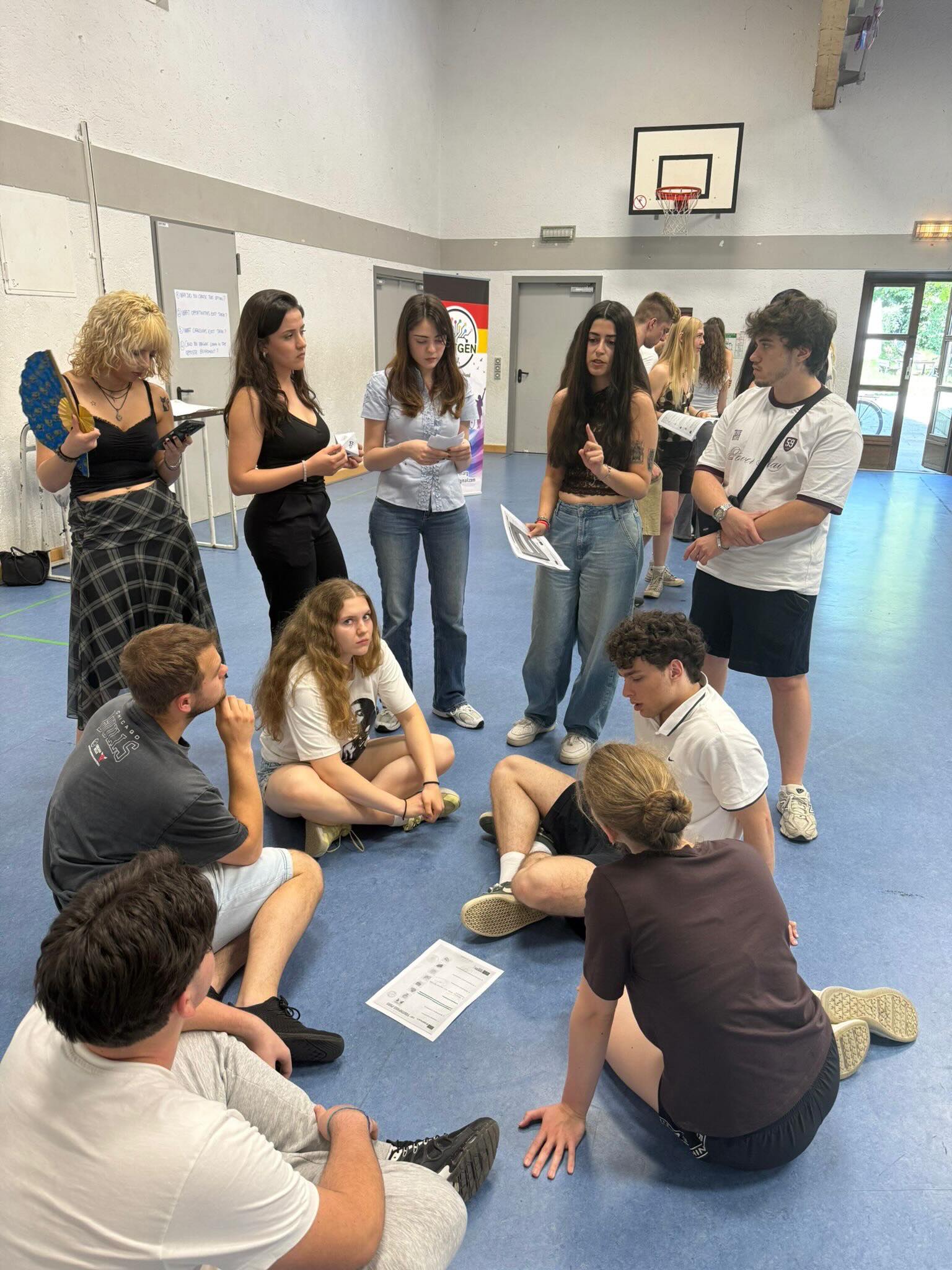
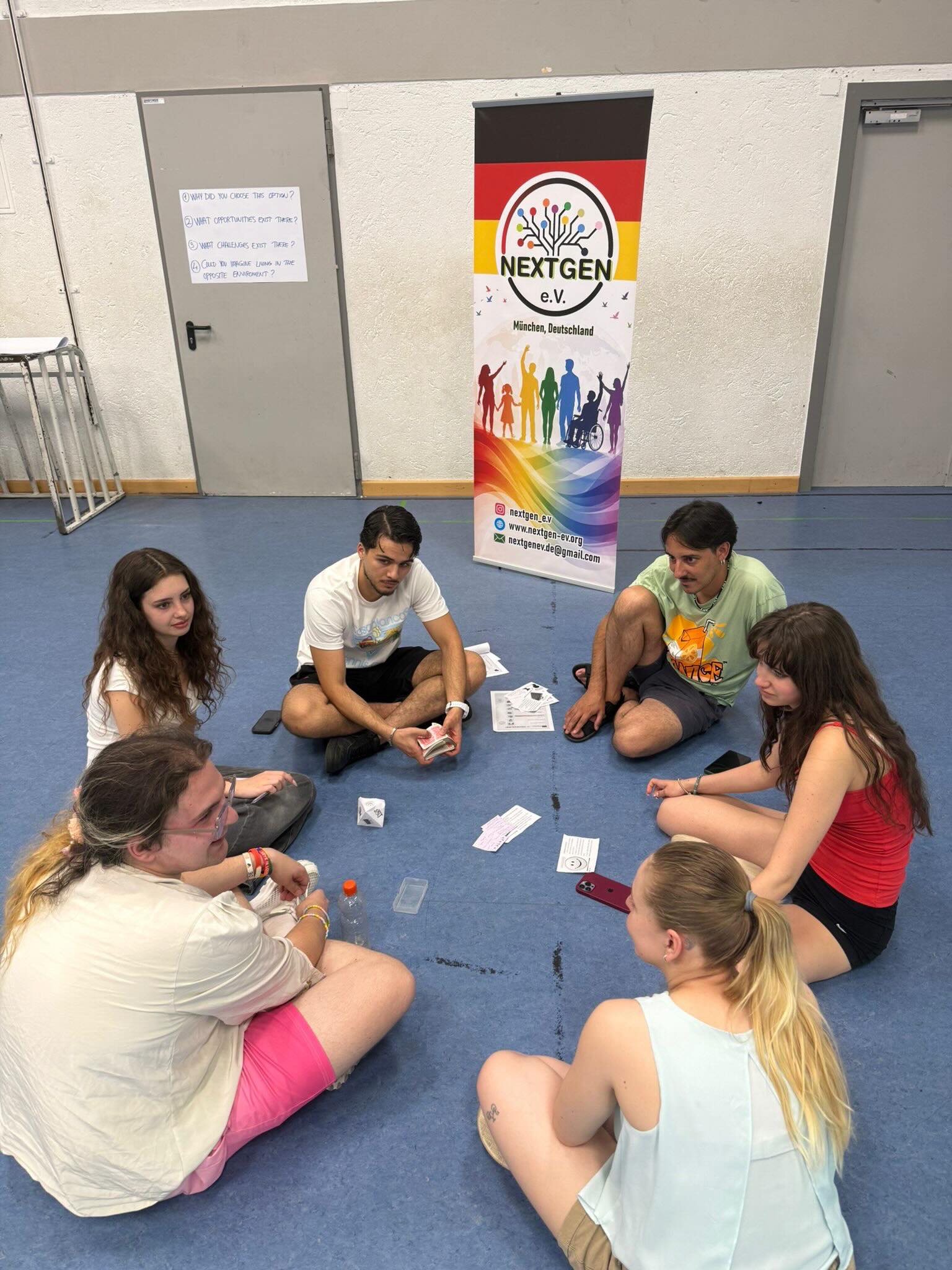
1) Youth Exchange 1 – Exploring Urban Realities (Munich, Germany, June 2026): This first exchange will take place over six days in Munich and will bring together 30 young participants and five group leaders. The program is designed around the urban challenges faced by disadvantaged youth, particularly those with migrant backgrounds. Activities will include:
- Study visits to local community organisations, NGOs, and social initiatives working in employment, integration, and social innovation.
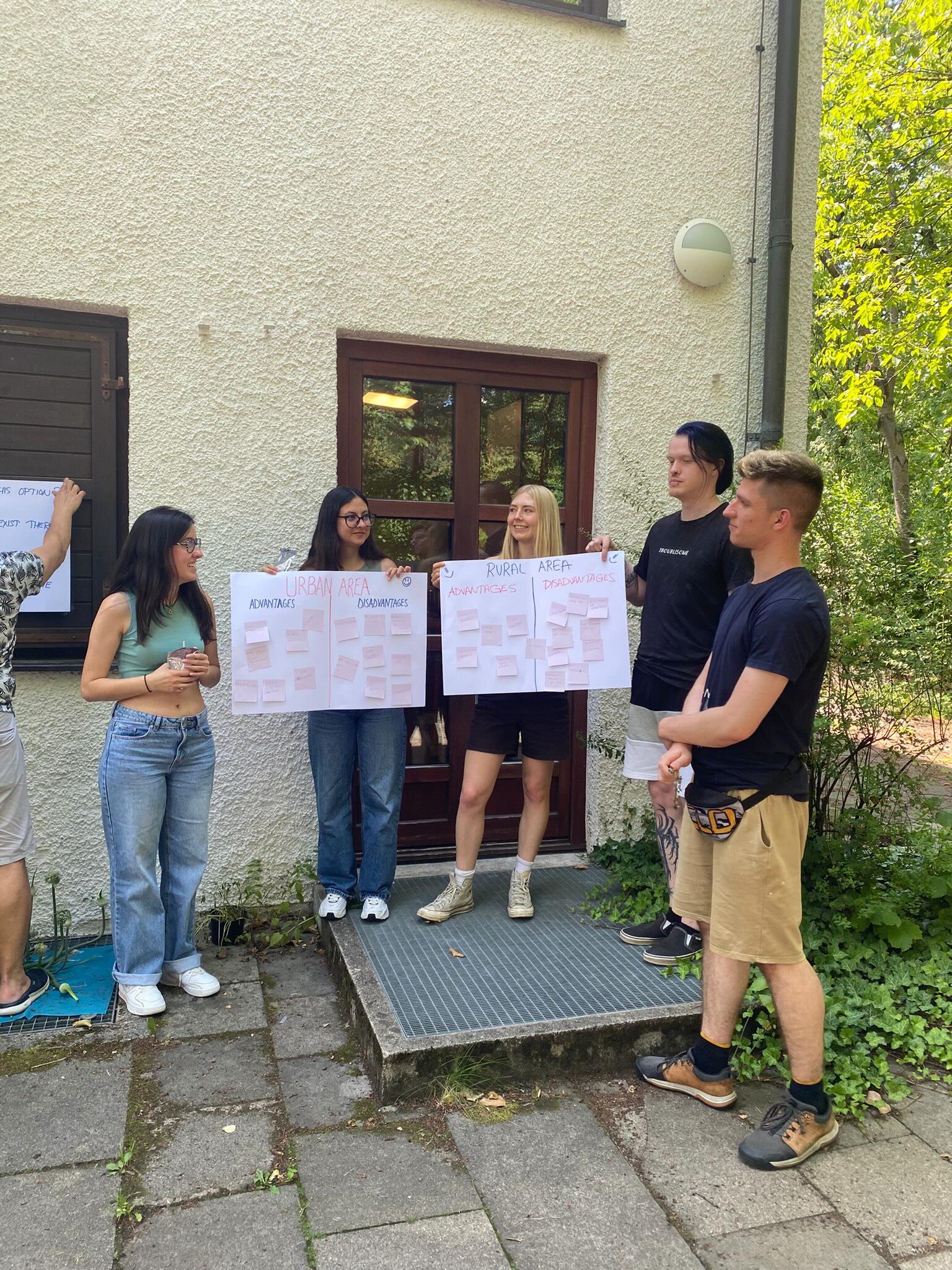
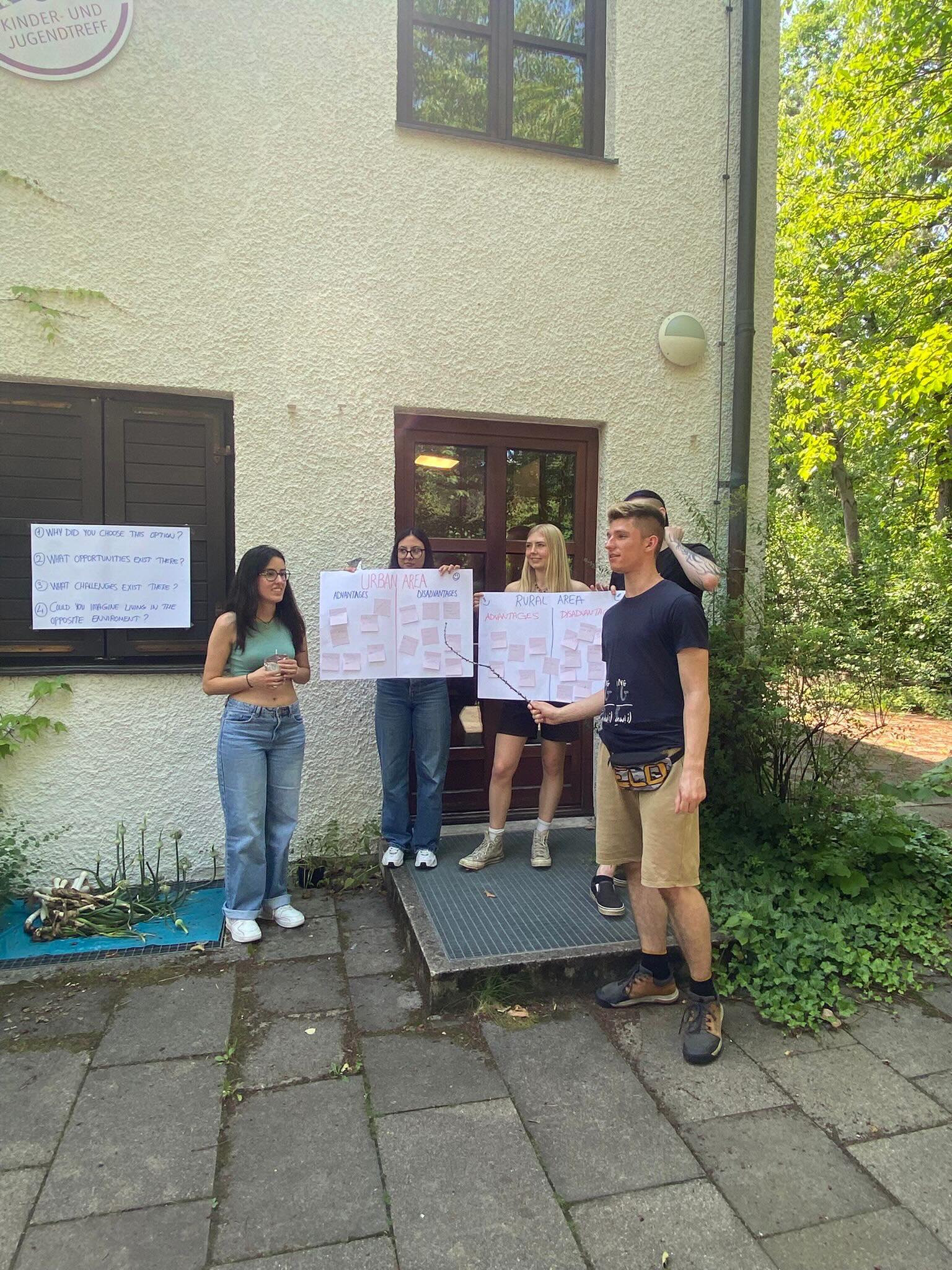
- Workshops introducing social entrepreneurship methods tailored to urban contexts, with emphasis on creative ideation, problem-solving, and stakeholder mapping.
- Interactive sessions such as debates, simulation games, and role plays to build critical awareness of inequality and inclusion barriers.
- Prototyping sessions where participants will design small-scale social entrepreneurship ideas responding to issues of unemployment, social fragmentation, and integration.
- Stakeholder engagement, where participants will present their ideas to local actors such as youth centres, NGOs, and municipal representatives, receiving feedback and support.
2) Mentoring Phase – Developing Our Ideas (July–November 2026) : Between the two exchanges, participants will enter a guided mentoring phase in their home countries.
Activities include:
- Online mentoring sessions facilitated by youth leaders and experts from partner organisations.
- National group meetings to refine the prototypes developed in Munich.
- Peer-to-peer exchanges through digital platforms, allowing young people from different countries to share progress and challenges.
- Preparation of draft content for the final practical booklet by documenting experiences, solutions, and reflections.
This phase ensures that participants do not simply pause between the two exchanges but actively work on developing, testing, and improving their entrepreneurial ideas with continued support.
3) Youth Exchange 2 – Exploring Rural Realities (Alcalá la Real, Spain, December 2026)
The second exchange will also last six days and focus on rural challenges. Taking place in Alcalá la Real, Andalusia, the exchange will build on the experience gained in Munich and adapt the learning to rural contexts. Activities will include:
- Field visits to cooperatives, farms, and artisan workshops to understand local strengths and economic constraints.
- Workshops on rural entrepreneurship, exploring opportunities in agriculture, crafts, rural tourism, and digital connectivity.
- Collaborative sessions for ideating solutions to depopulation, youth migration, and the lack of diversification in rural areas.
- Design labs where participants rework the urban prototypes into context-sensitive rural ventures, creating models that leverage both traditions and innovation.
- Public presentations where groups will present their ideas to community stakeholders, encouraging dialogue between youth, local authorities, and entrepreneurs.
A final output of both exchanges will be a practical booklet compiling the methodologies, social entrepreneurship prototypes, and youth-led reflections. This booklet will be shared with stakeholders to inspire replication and provide visibility to youth as active solution developers.
Number and Profile of Participants : Each exchange will involve 30 participants in total (five young people and one leader from each of the five partner organisations) and 2 facilitators ( one from Germany and one from Spain ). Across both exchanges, 64 participants will take part, including at least 20 young people with fewer opportunities.
Profile of Participants:
- Aged 18–30 years old.
- Young people with fewer opportunities: migrants or children of migrant families, rural youth from isolated areas, unemployed youth, and those with limited educational or economic opportunities.
- Motivated to learn about social entrepreneurship, engage in intercultural dialogue, and apply solutions in their local communities.
- No prior entrepreneurship experience required; openness to learning, creativity, teamwork, and intercultural curiosity are essential.
Profile of Leaders:
- Aged 20+ years old.
- Experienced youth workers, educators, or active volunteers with background in international mobility projects.
- Responsible for group guidance, pastoral care, and inclusion of participants with fewer opportunities.
- Skilled in facilitation, intercultural communication, and managing group dynamics in non-formal learning settings.
Impact
The project is expected to generate a broad set of results and create lasting impact at the level of participants, partner organisations, and local communities. For the young people directly involved, the two youth exchanges combined with the mentoring phase will result in concrete personal and professional development. By engaging in workshops, debates, study visits, and prototype design, they will acquire competences in social entrepreneurship, teamwork, problem-solving, and intercultural communication. Beyond technical skills, the project will build their confidence and strengthen their sense of agency, as they will not only take part in activities but also design and present their own social entrepreneurship ideas in front of local stakeholders. This transformation from passive participant to active changemaker is one of the core results foreseen, equipping disadvantaged youth with a belief in their own capacity to address real challenges in their communities.
The project will also produce tangible outputs that will extend its reach beyond the exchanges themselves. A practical booklet will be developed, documenting the methodologies, prototypes, and reflections generated by the participants during the learning process. This resource will be made freely available through the Erasmus+ Project Results Platform, the SALTO Toolbox, and the websites of partner organisations, ensuring that the learning is accessible to other young people, youth workers, and institutions across Europe. It will stand as evidence of the potential of disadvantaged youth to develop innovative solutions when given the right support and opportunities.
At the same time, the project is designed to have a strong impact on the participating organisations. Each partner will strengthen its capacity in using non-formal education and entrepreneurship as tools for inclusion, while also expanding its international networks. The cooperation between Munich and Alcalá la Real will create a bridge between urban and rural youth work practices, which can be replicated or adapted to other contexts in the future. This exchange of methodologies and perspectives will enrich the organisations’ ongoing work and allow them to develop new activities with higher quality and stronger impact.
The wider community will also benefit from the project. Local actors such as municipalities, NGOs, schools, and community organisations will be directly engaged during the stakeholder sessions and public presentations in Munich and Alcalá la Real. In this way, the solutions developed by the participants will not remain abstract but will be shared with those who can support their implementation or replication. The visibility strategy, including social media campaigns and multiplier events, will further ensure that the stories, ideas, and outputs of the project reach a broader audience, demonstrating that disadvantaged youth can be leaders of innovation.
In the long term, the project will contribute to raising awareness of the urban–rural divide and highlight the importance of empowering young people to act as agents of change in their local environments. For participants, the impact will continue after the mobility itself, as they will return home with new competences, motivation, and international connections that can help them in their education, employability, and civic engagement. For the communities and partner organisations, the project will leave behind new tools, tested approaches, and an enhanced capacity to promote inclusion and youth participation through social entrepreneurship. In this way, the project’s results will not be limited to its duration but will create a sustainable ripple effect in both local and European contexts.
Partners
- 🇩🇪NextGen e.V.
Germany - 🇹🇷21.YY Egitimciler Dernegi
Türkiye - 🇪🇸ASOC SOCIO CULTURAL VERDESUR ALCALA
Spain - 🇵🇱Spring Mindset
Poland - 🇪🇪MTÜ ArtInspire
Estonia
From Instagram
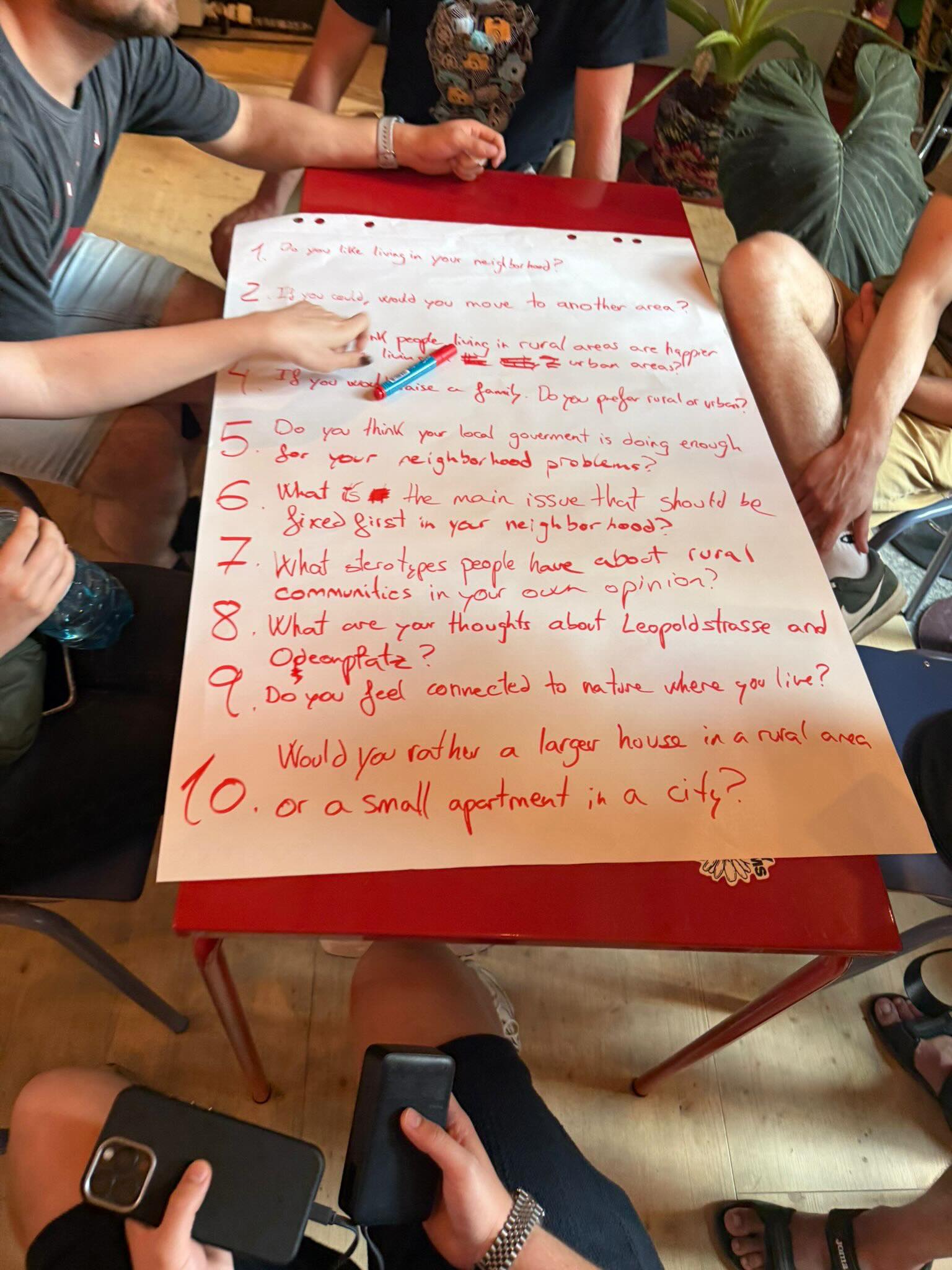
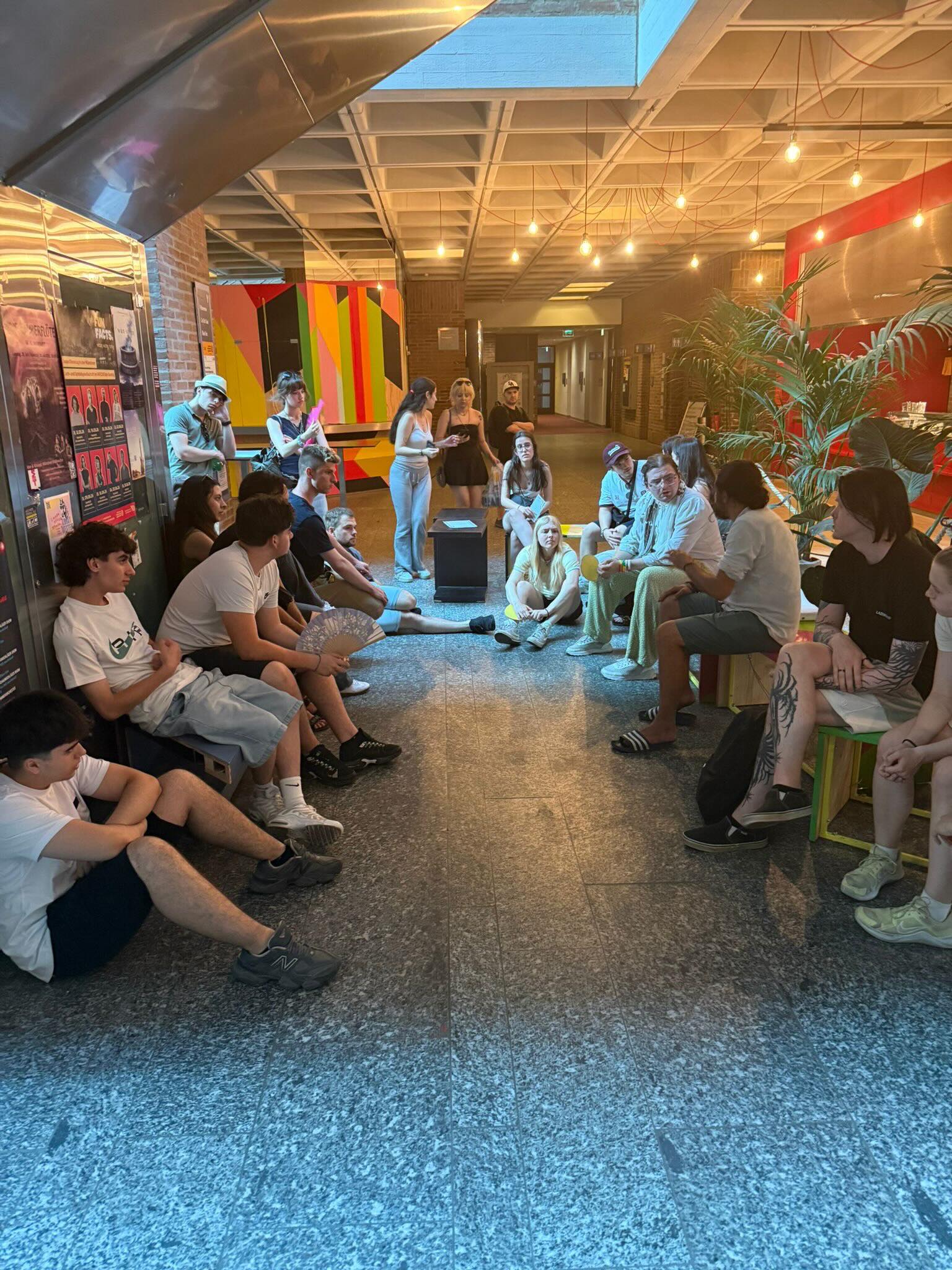
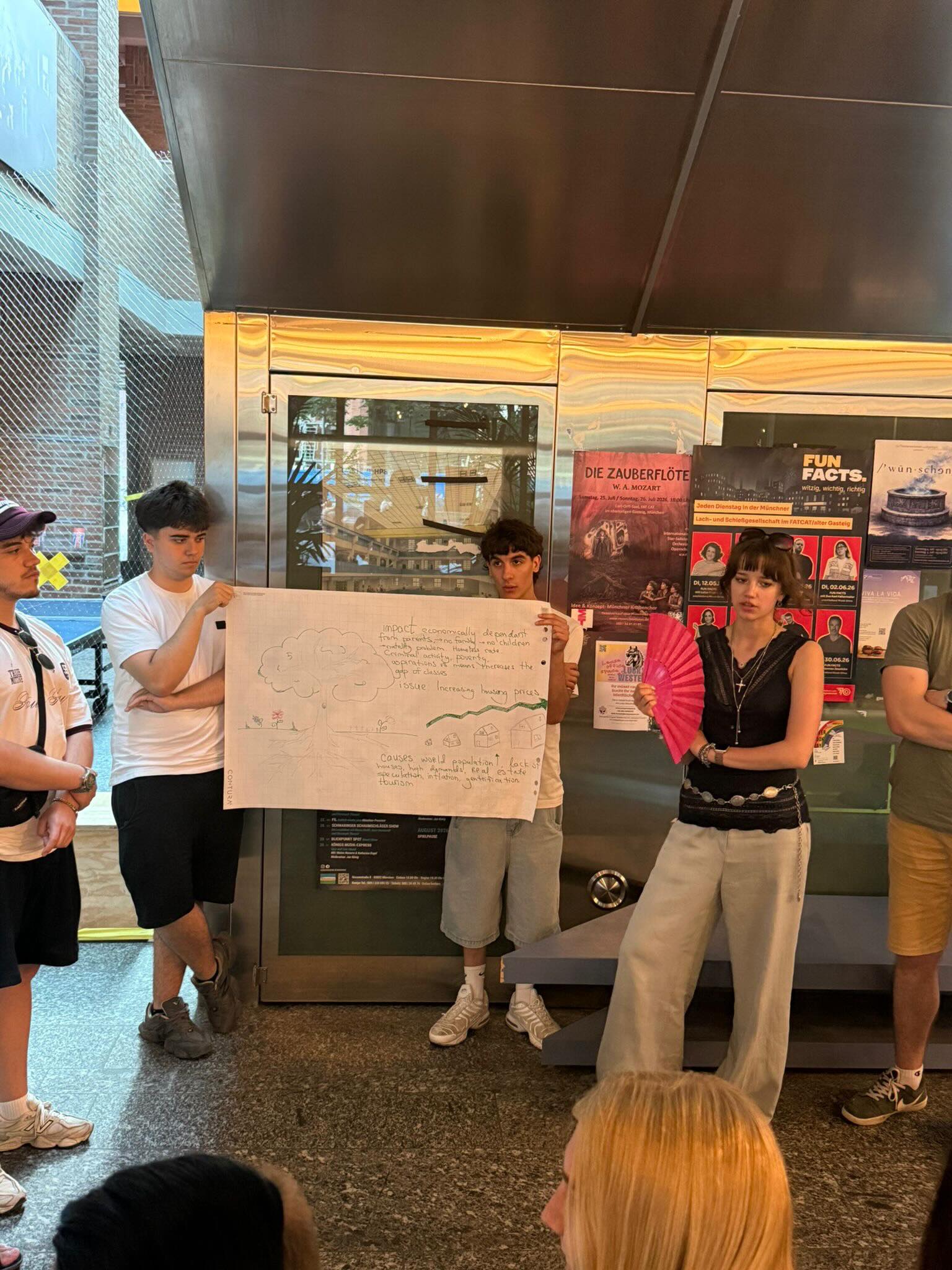
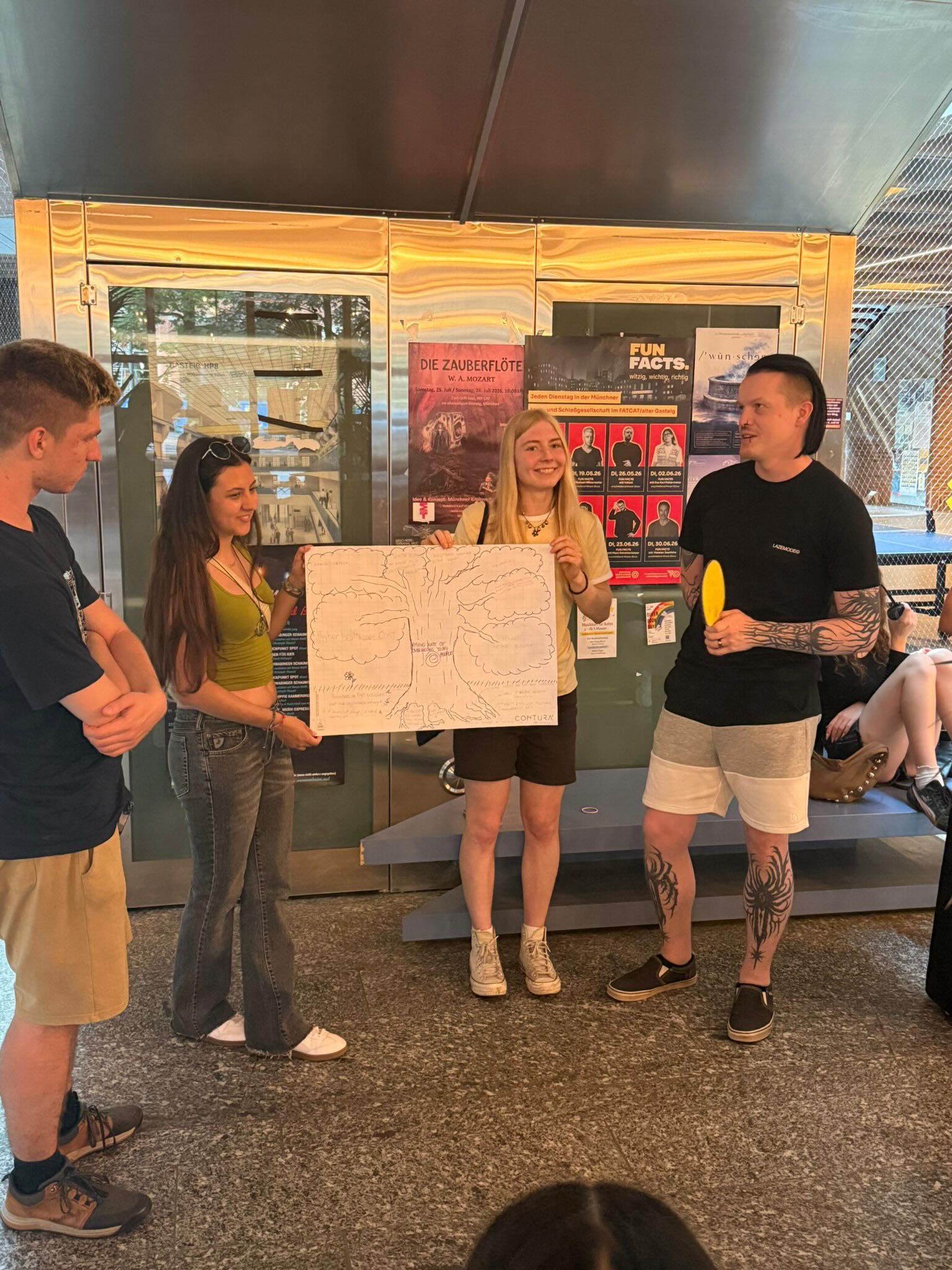
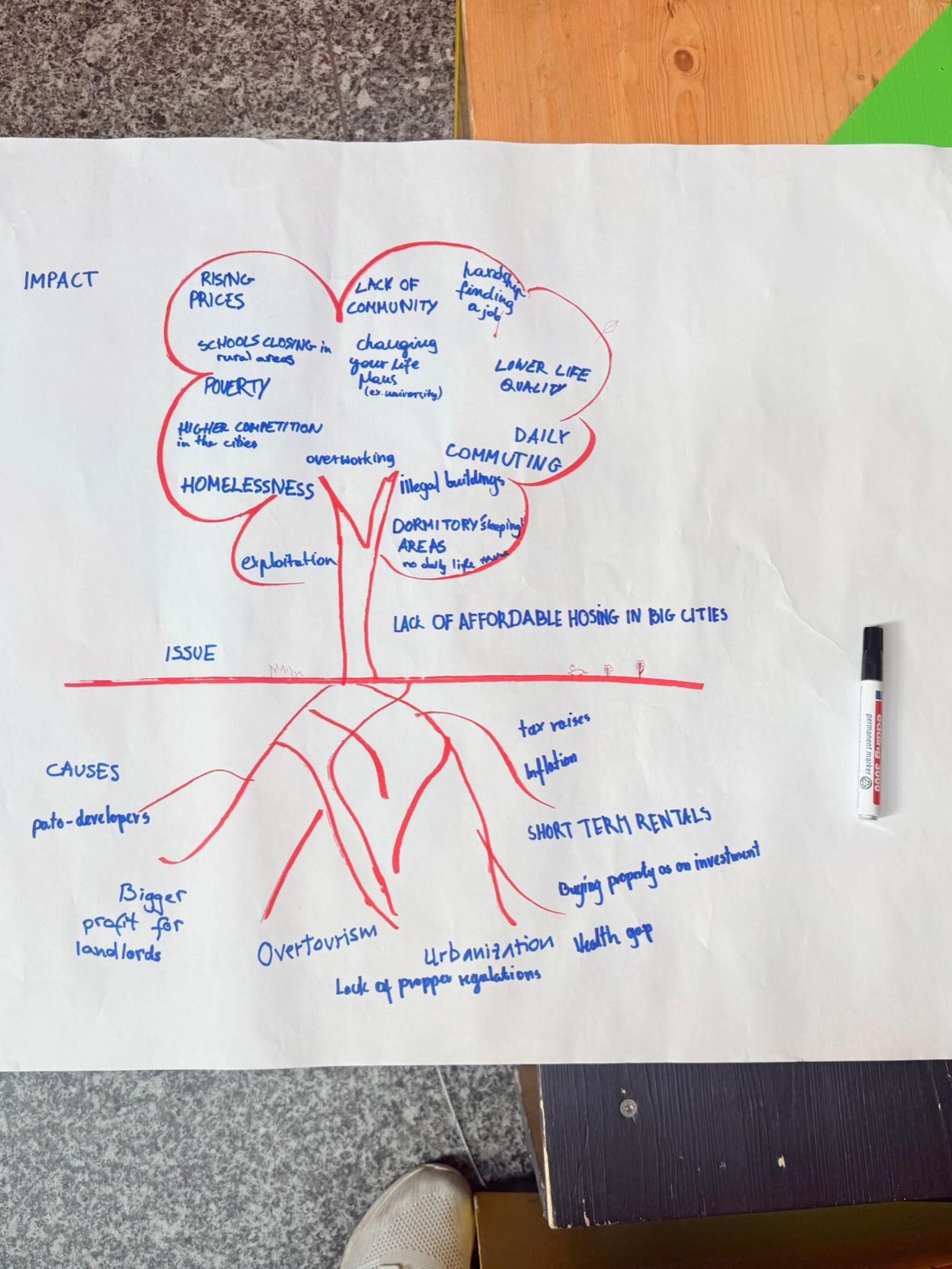
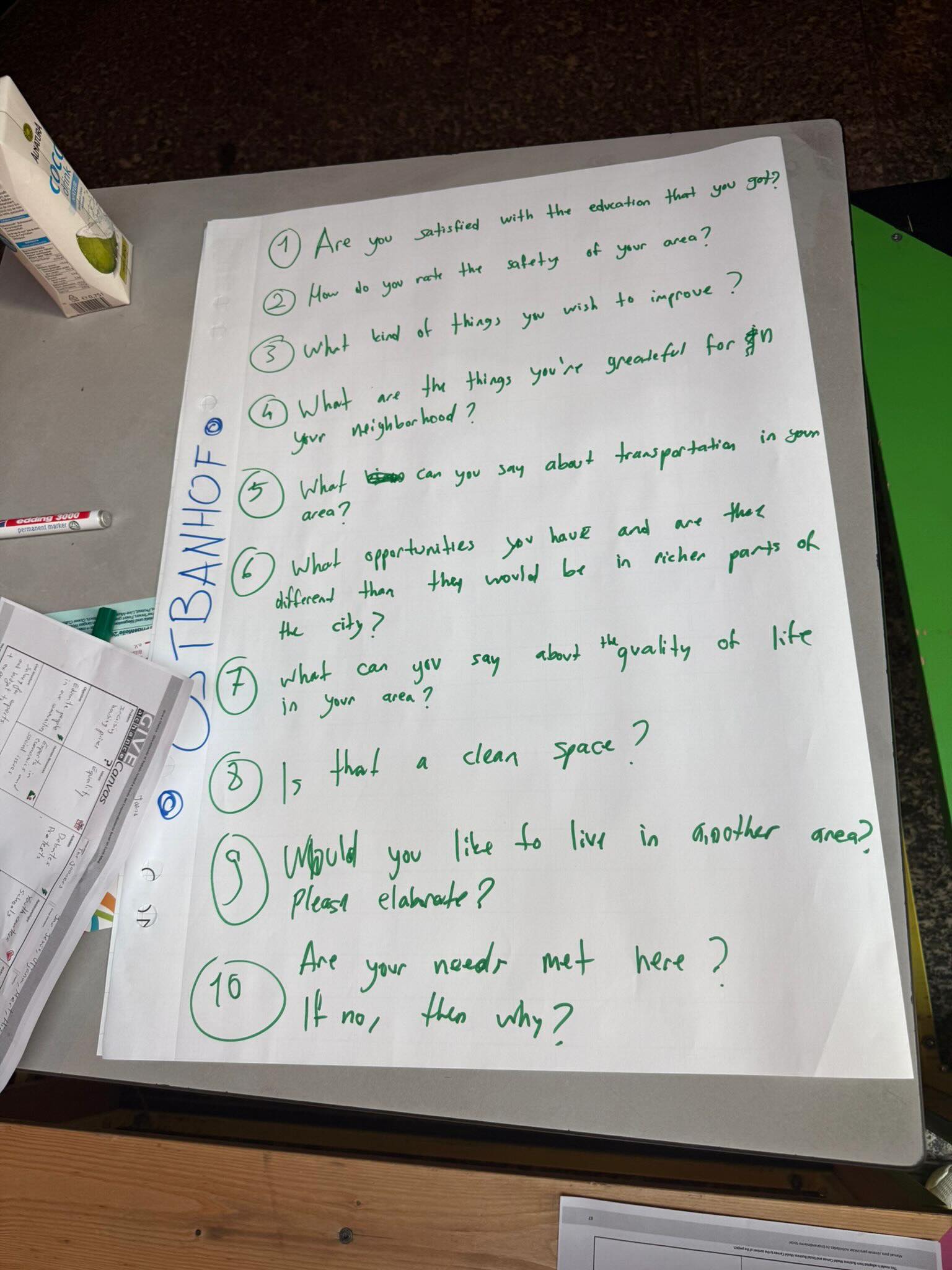
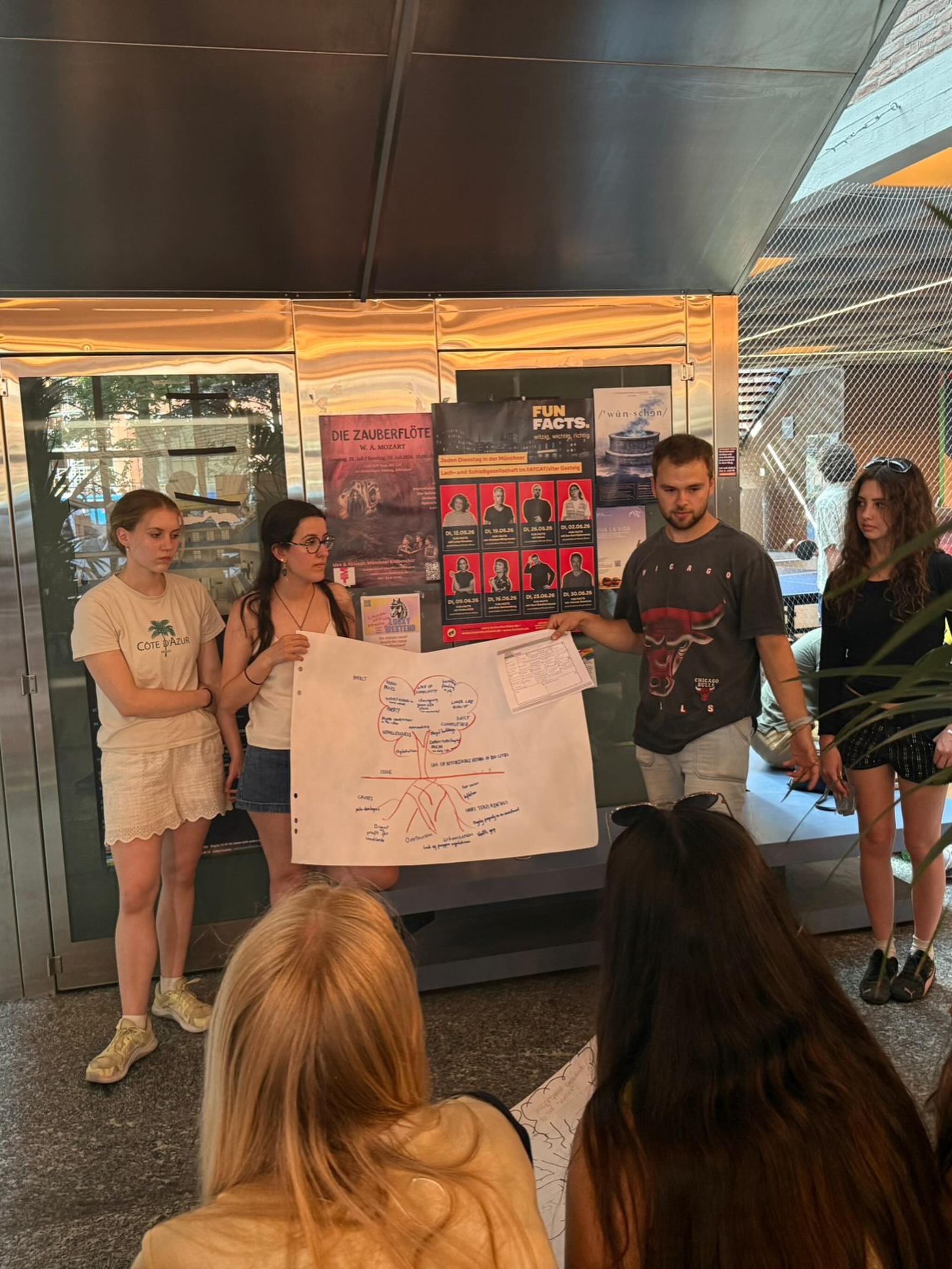
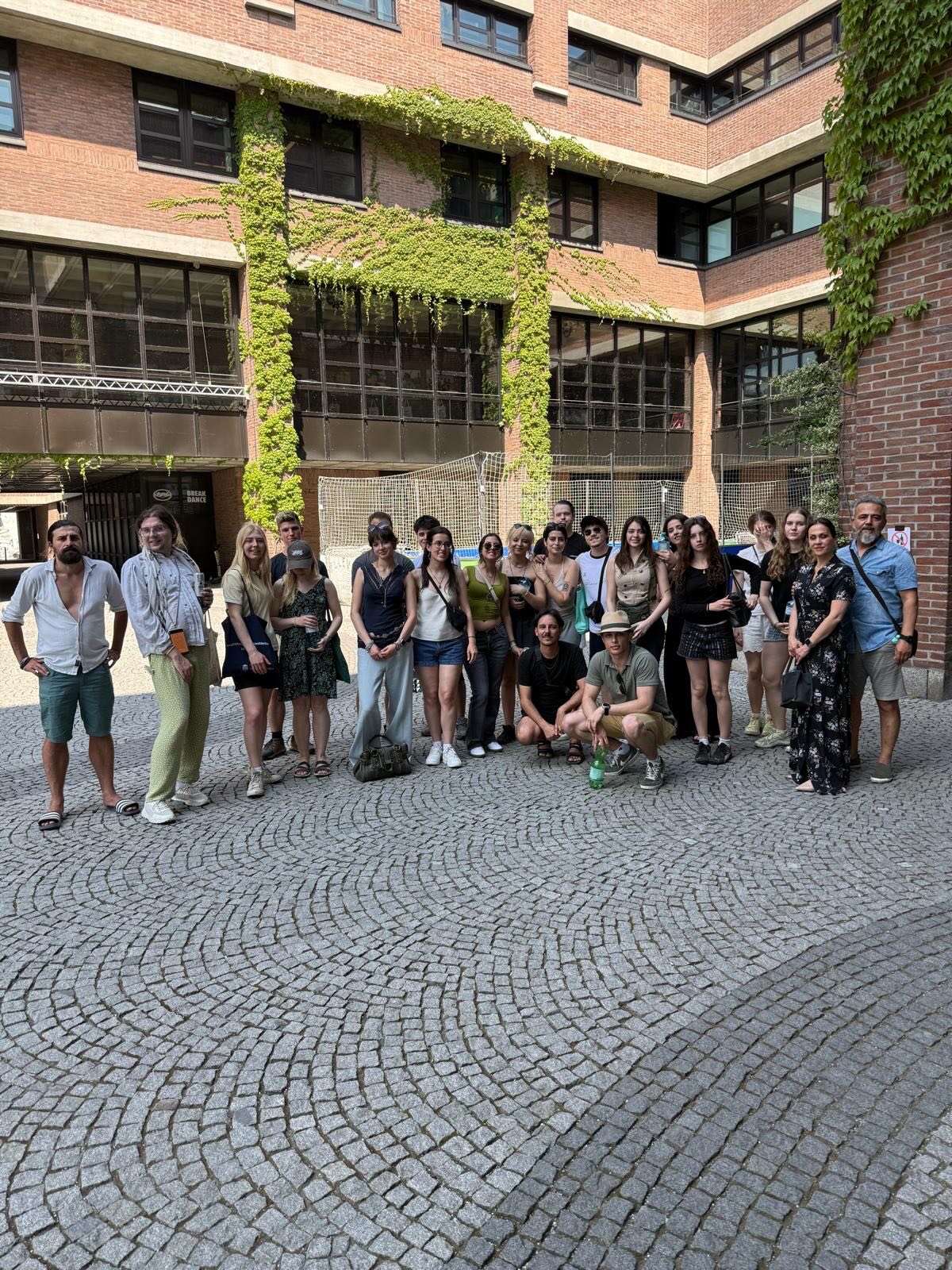
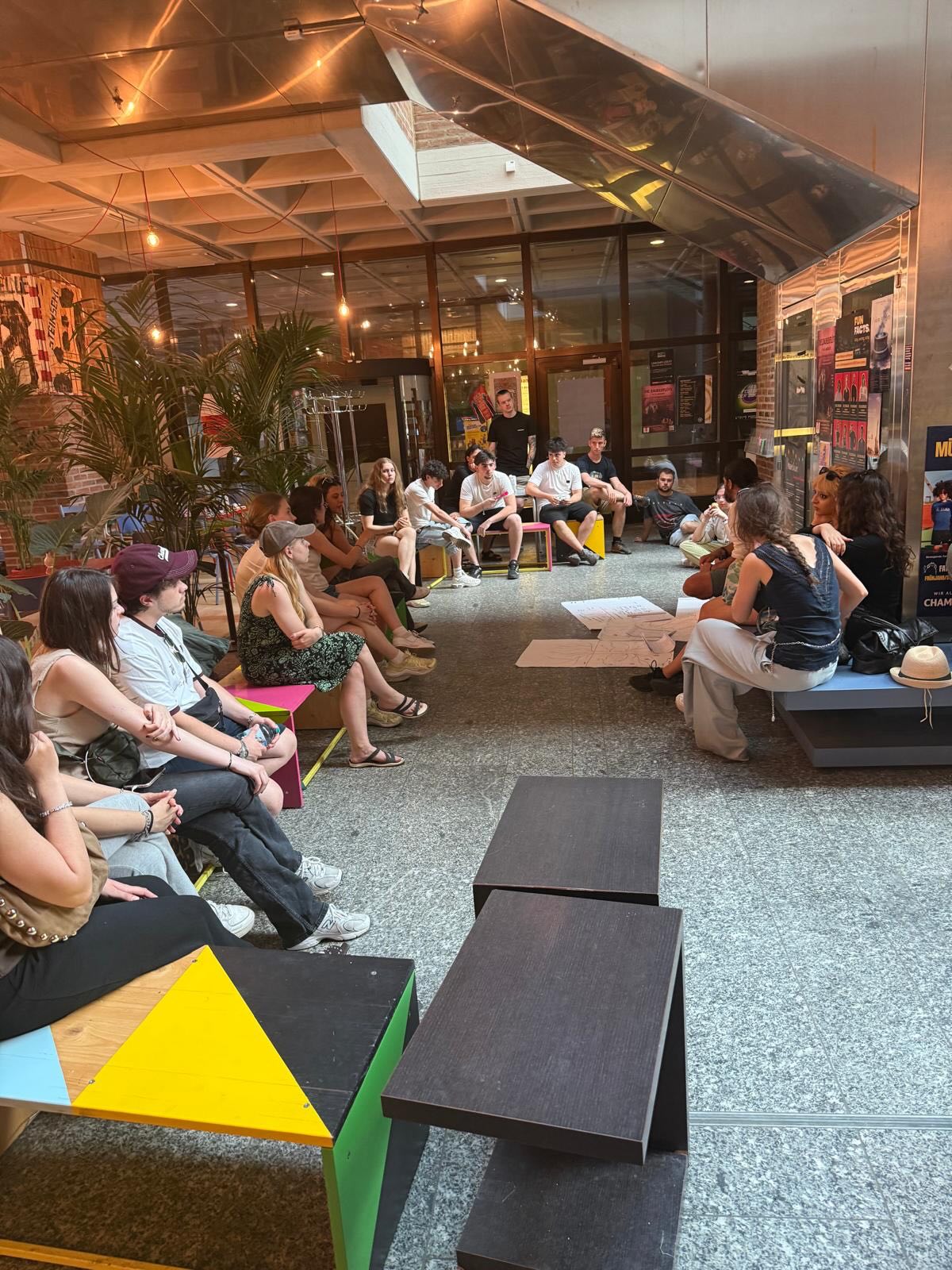
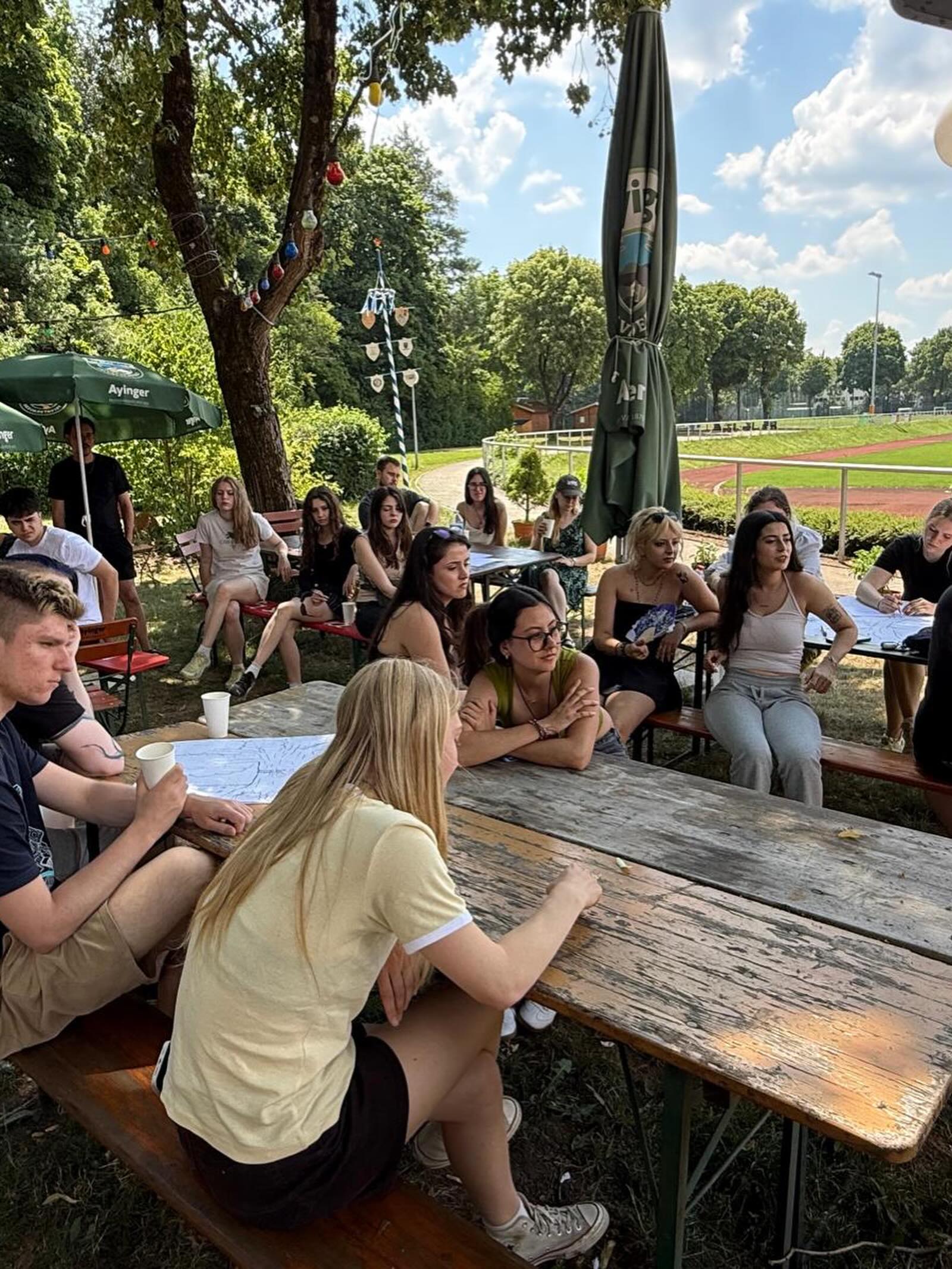
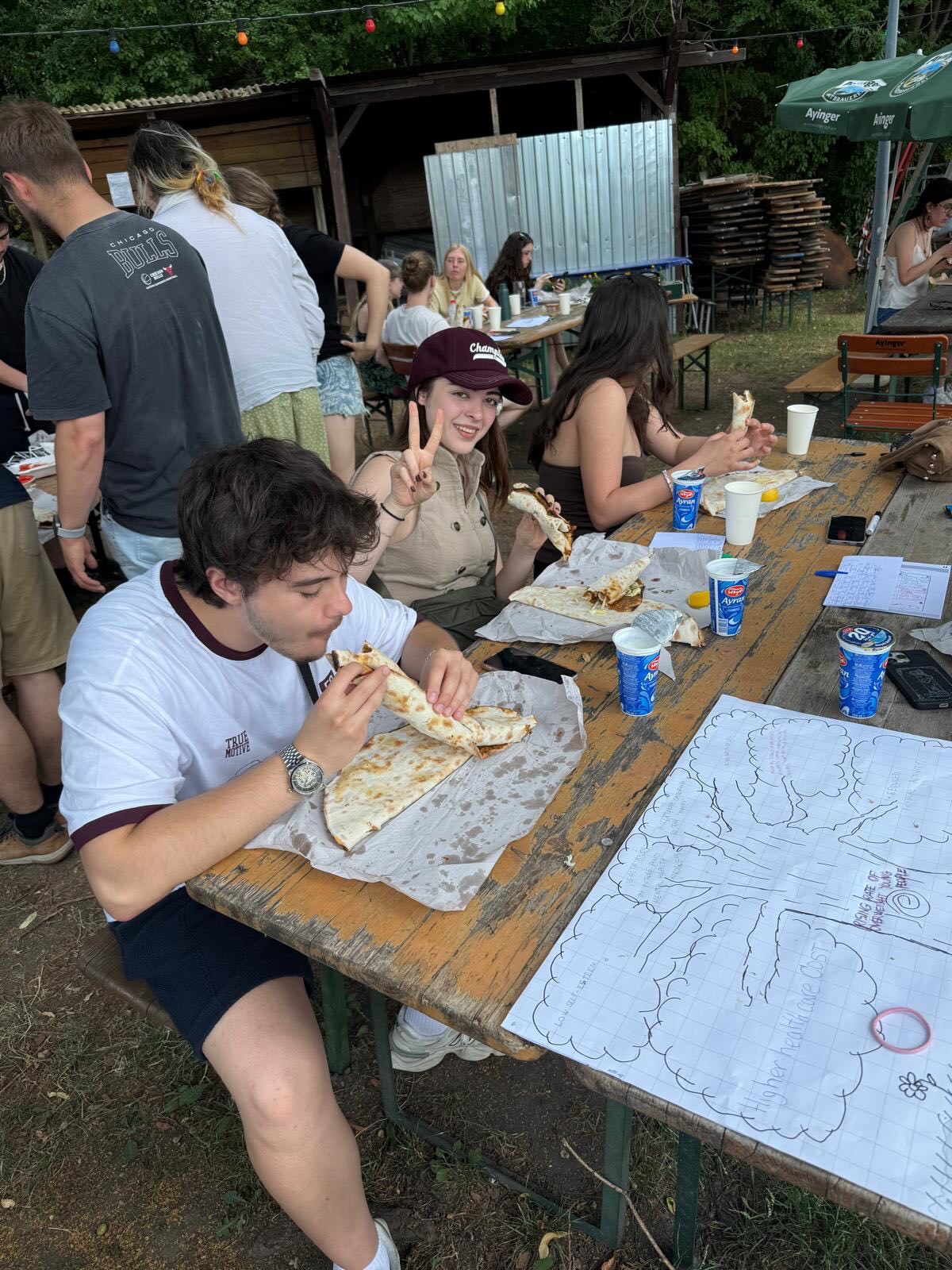
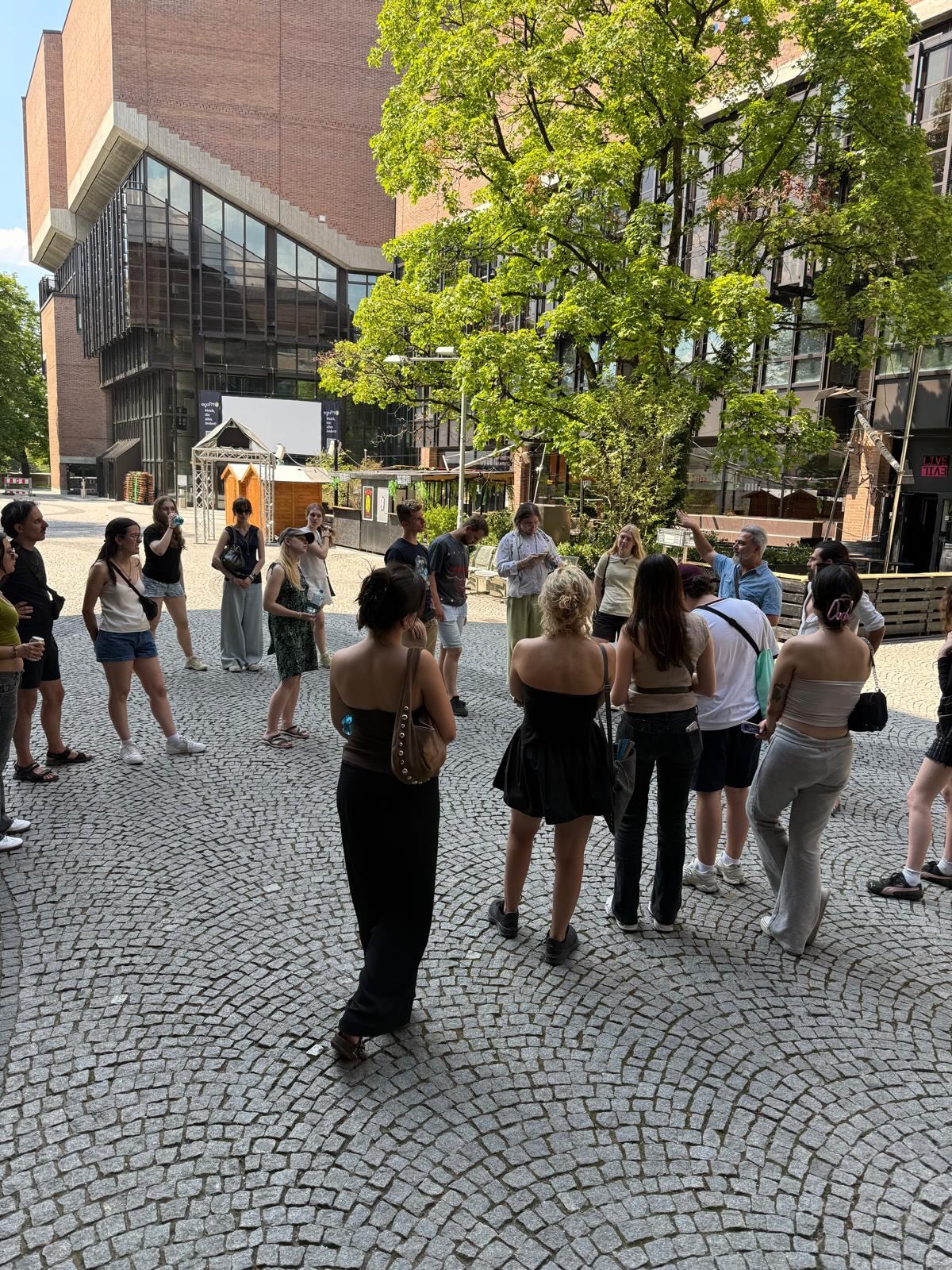
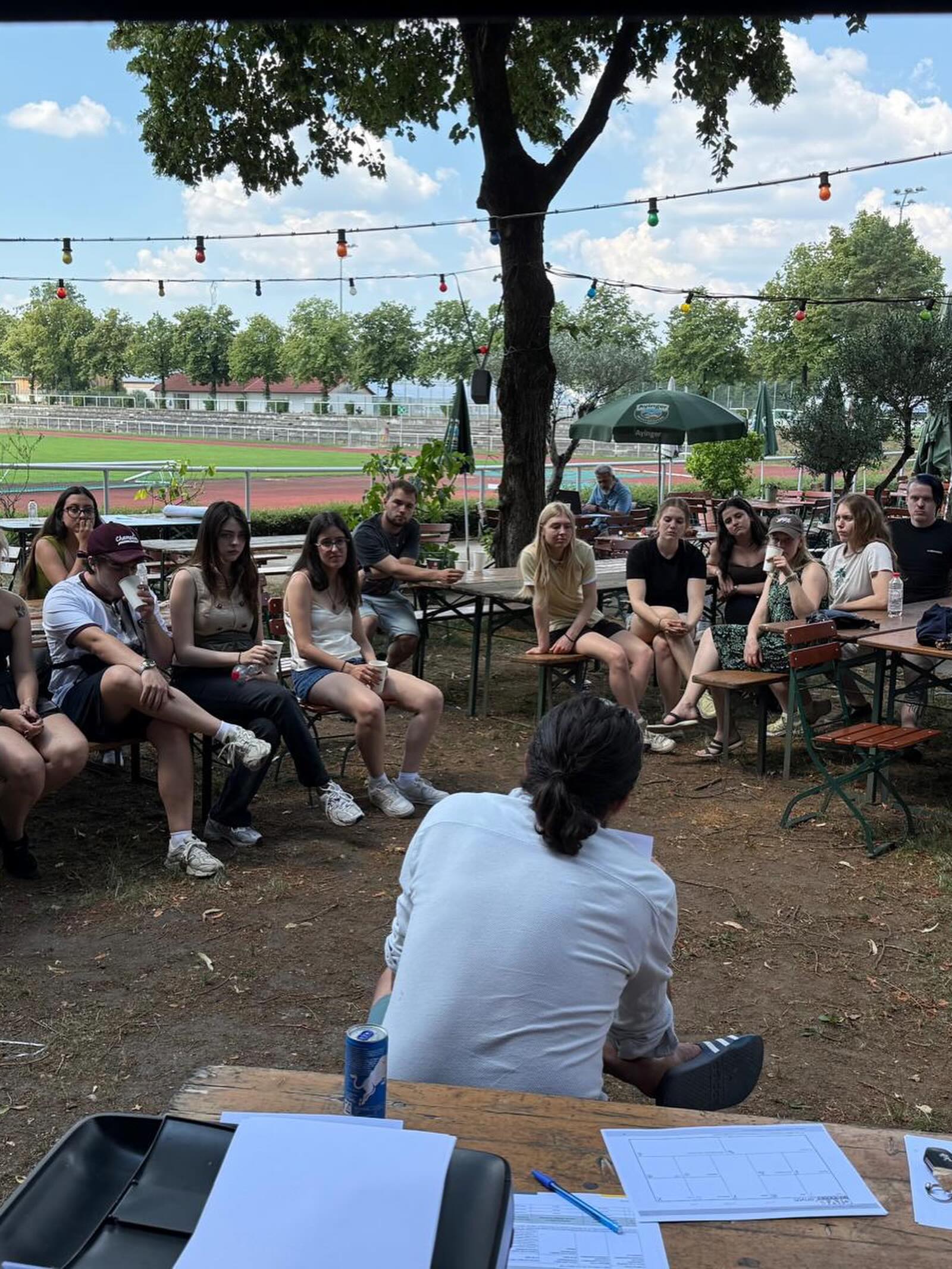
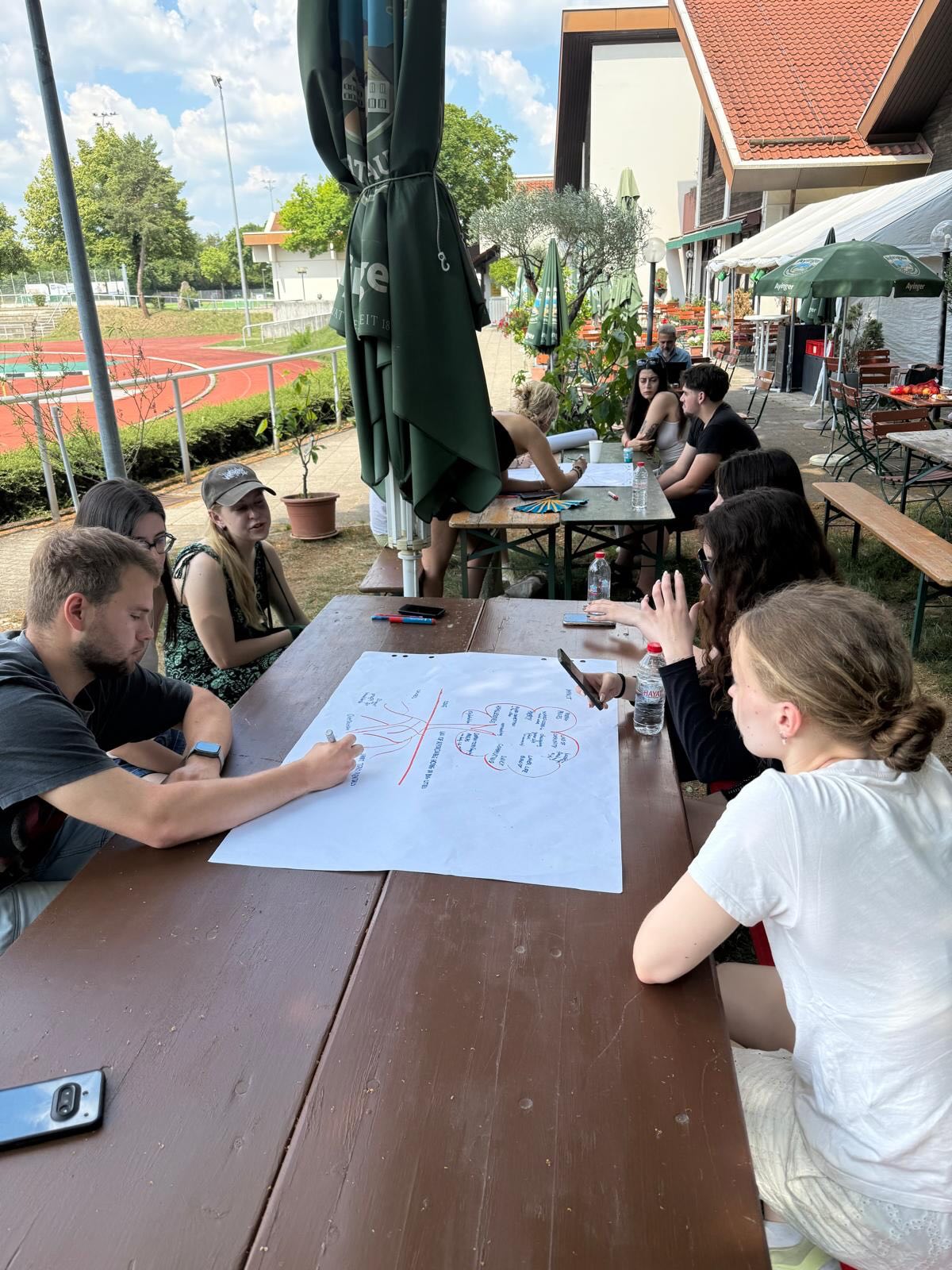
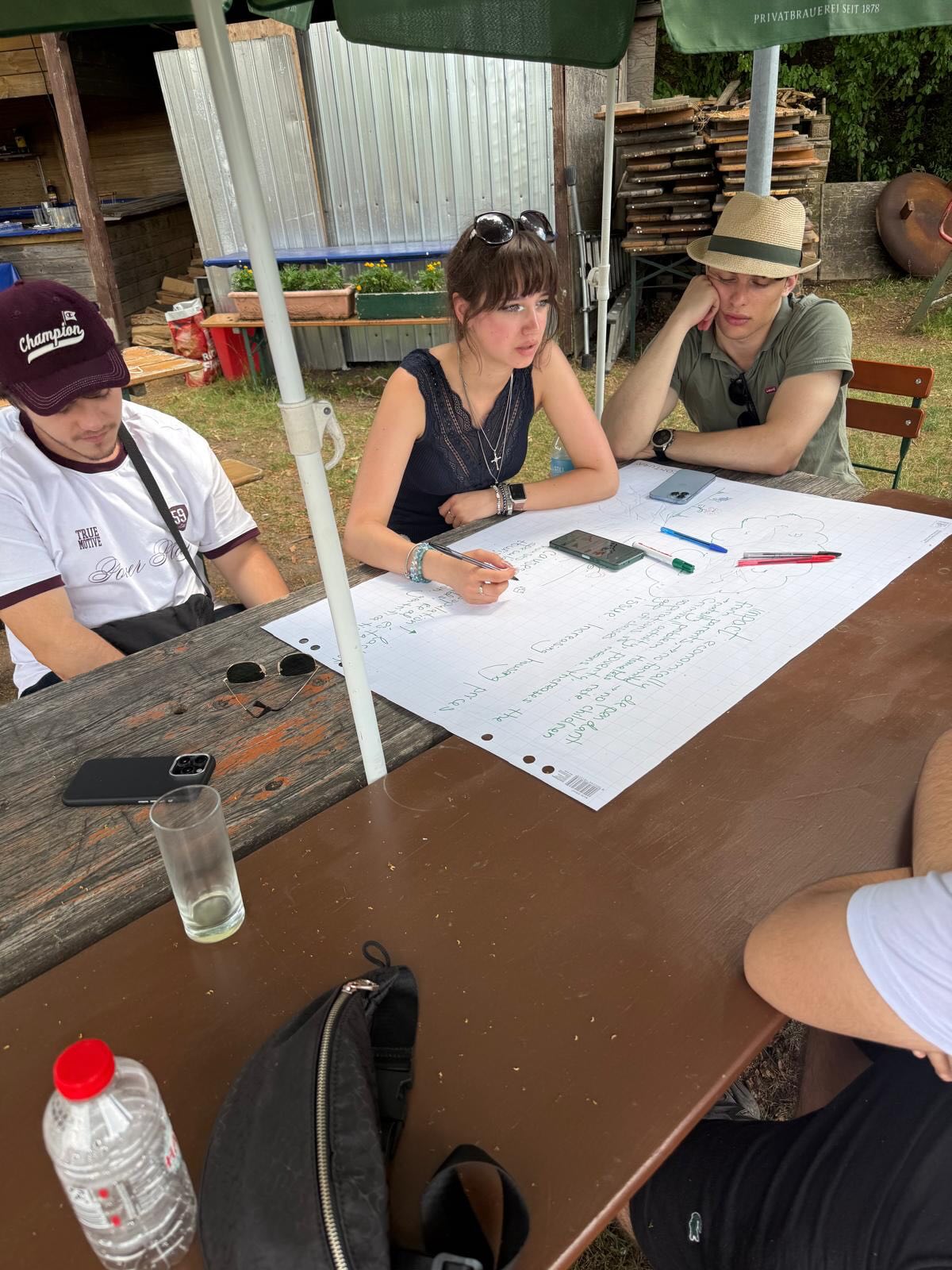
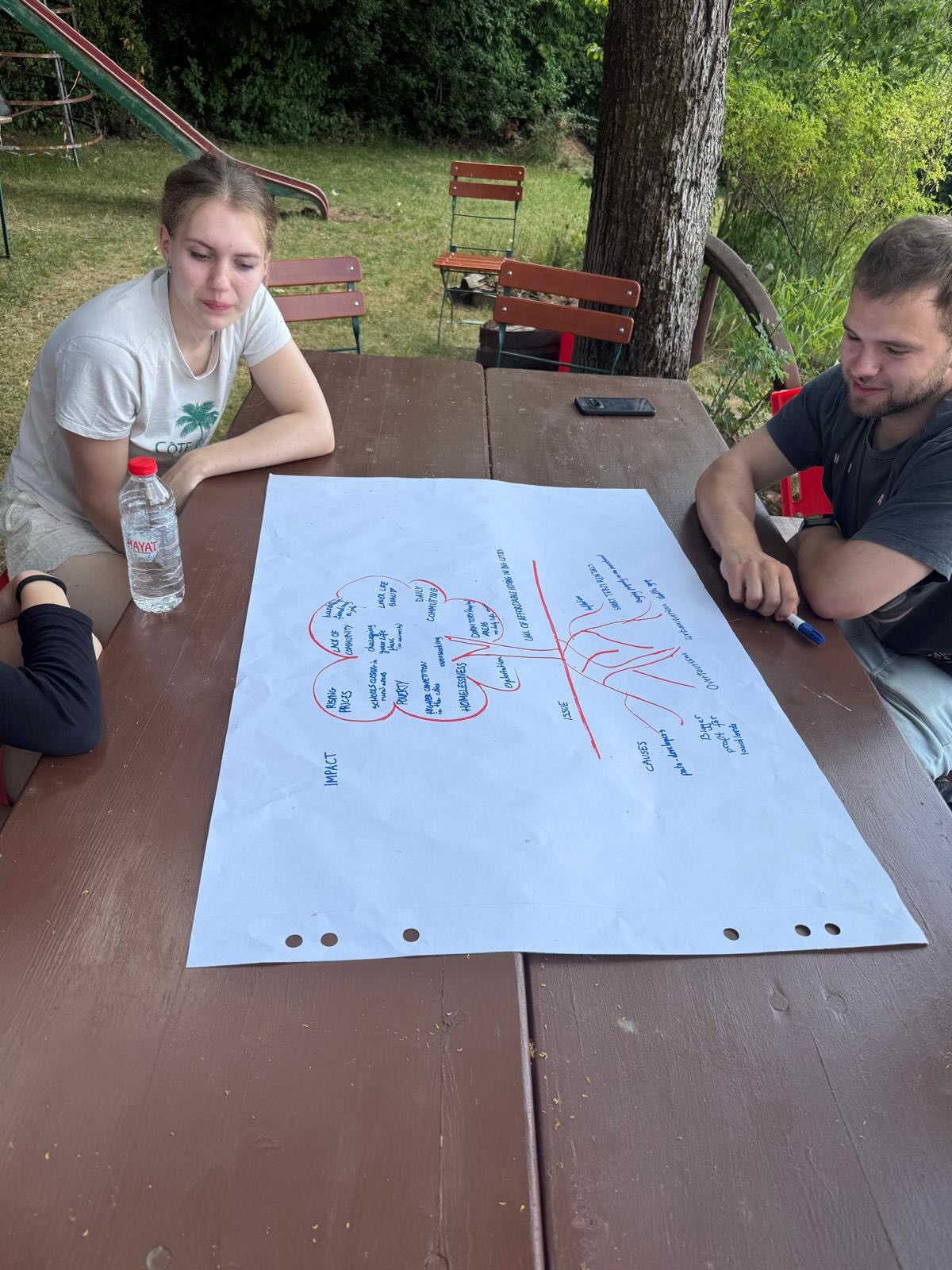
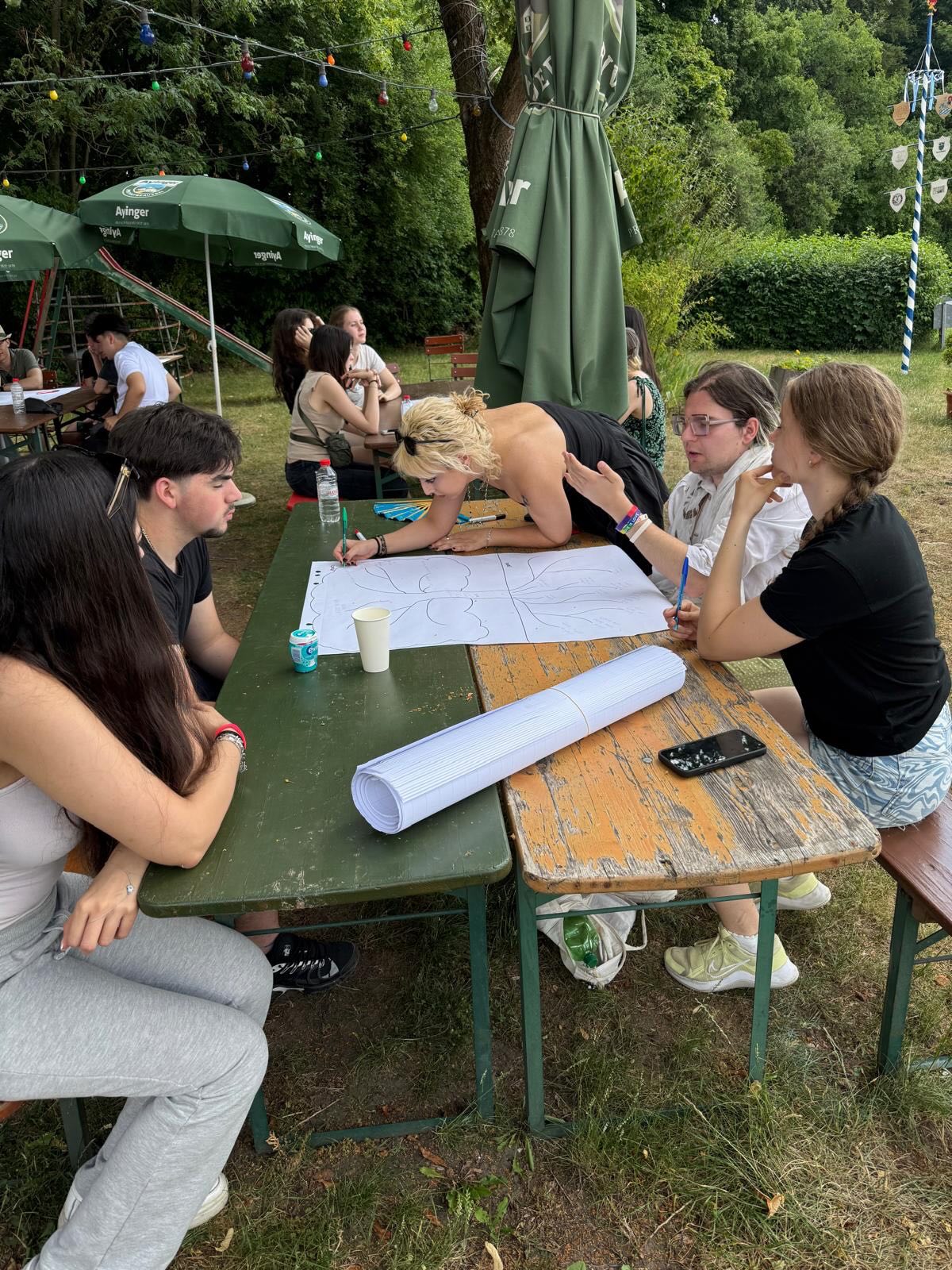
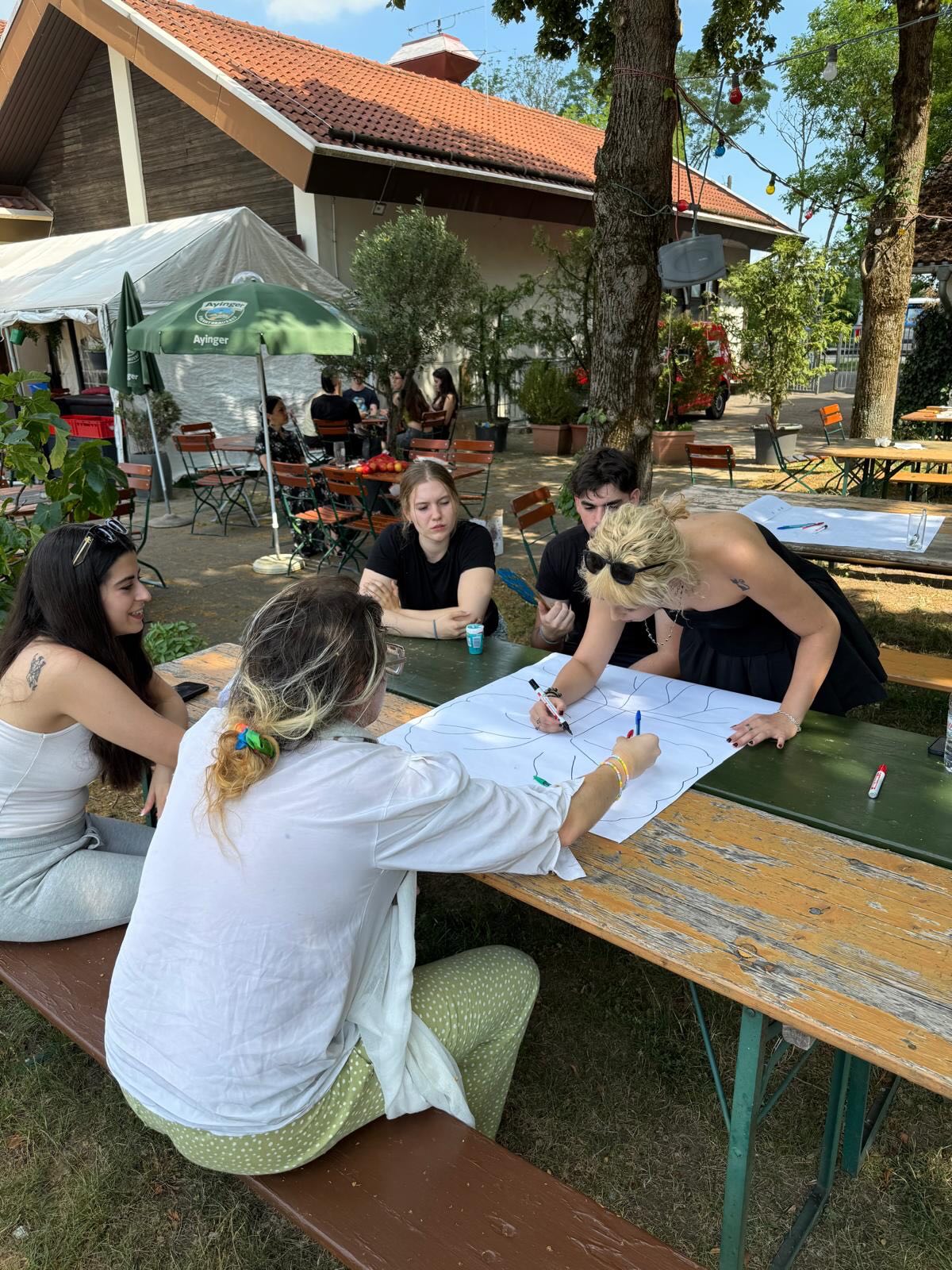
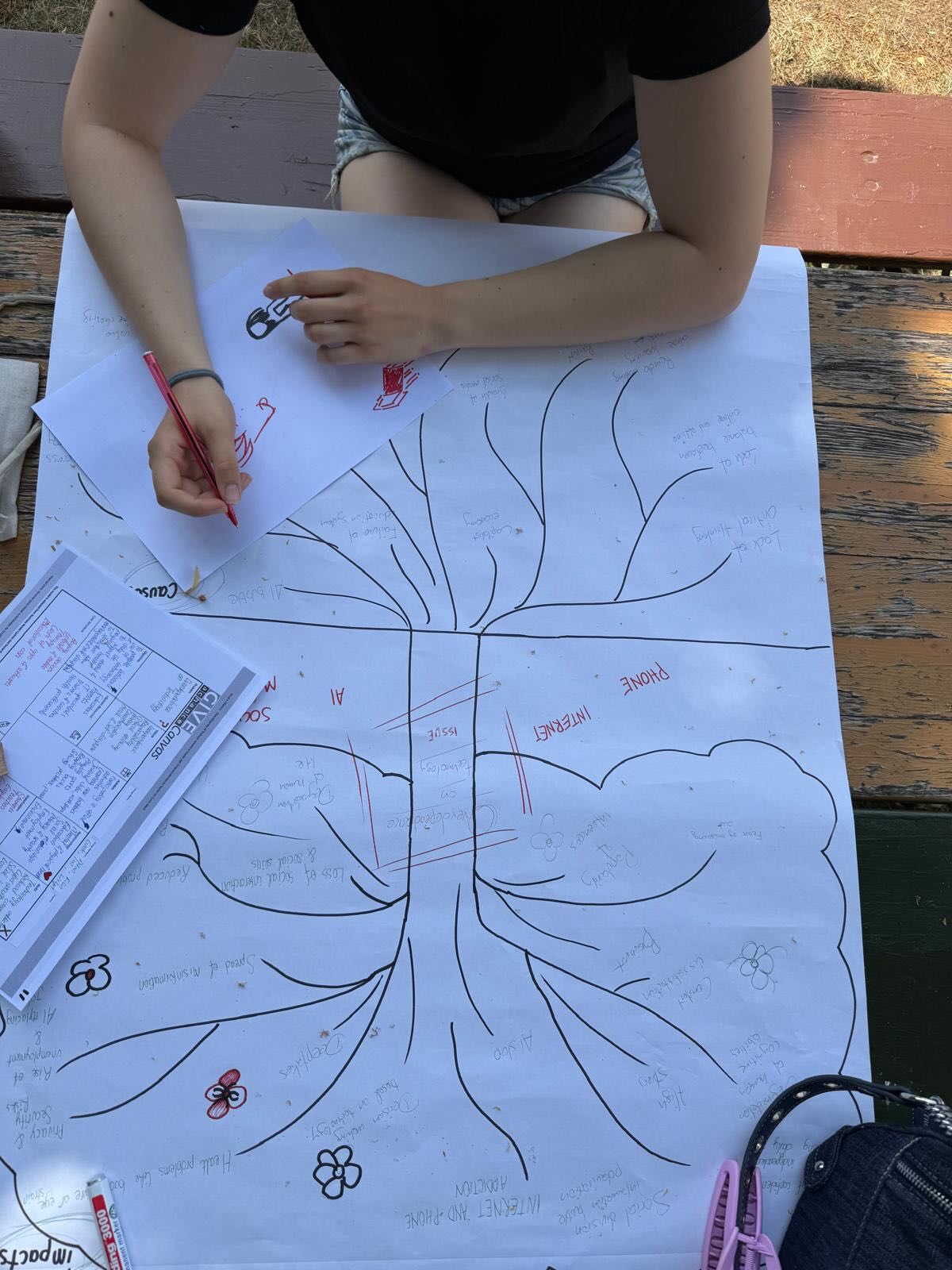
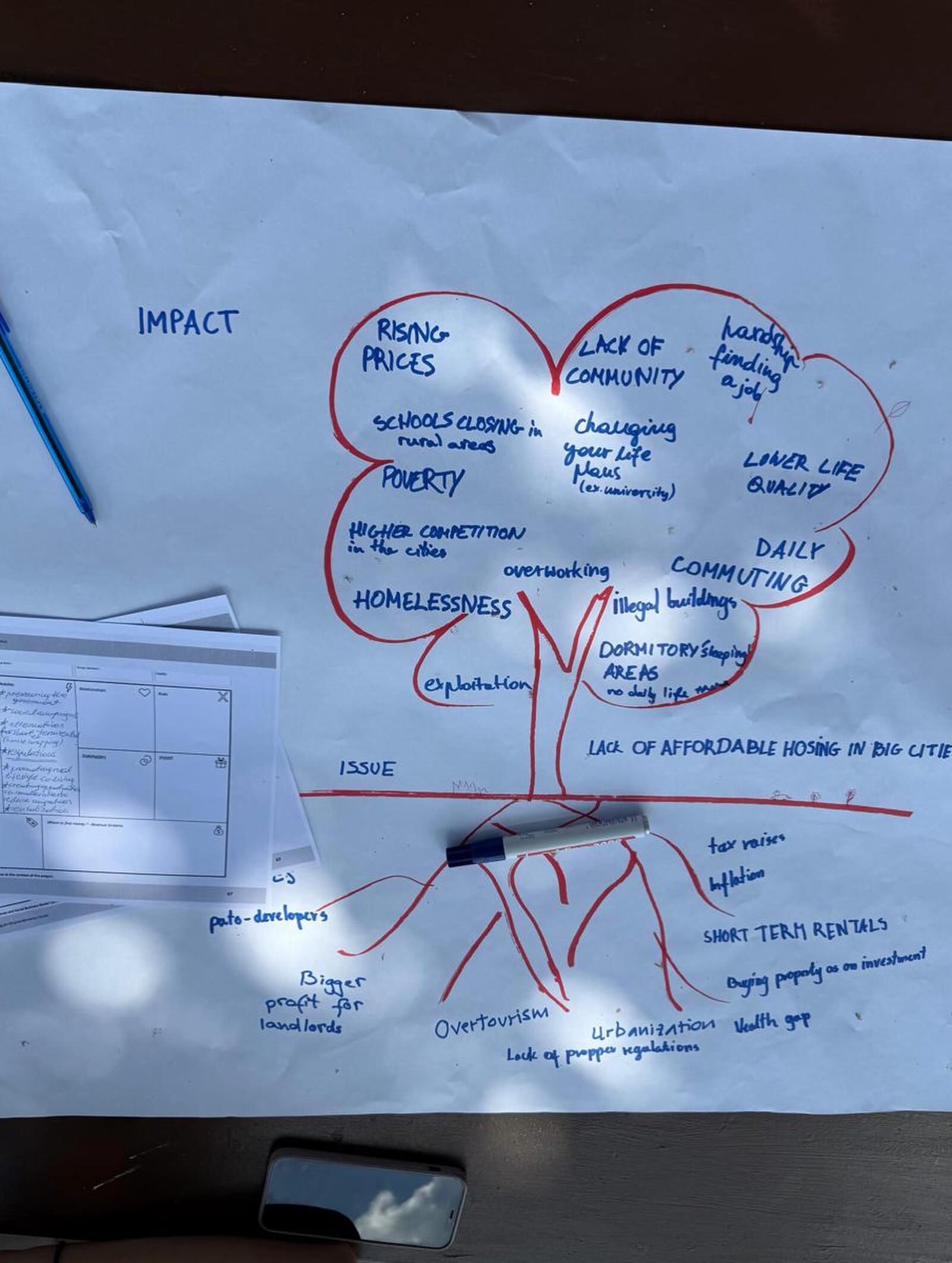
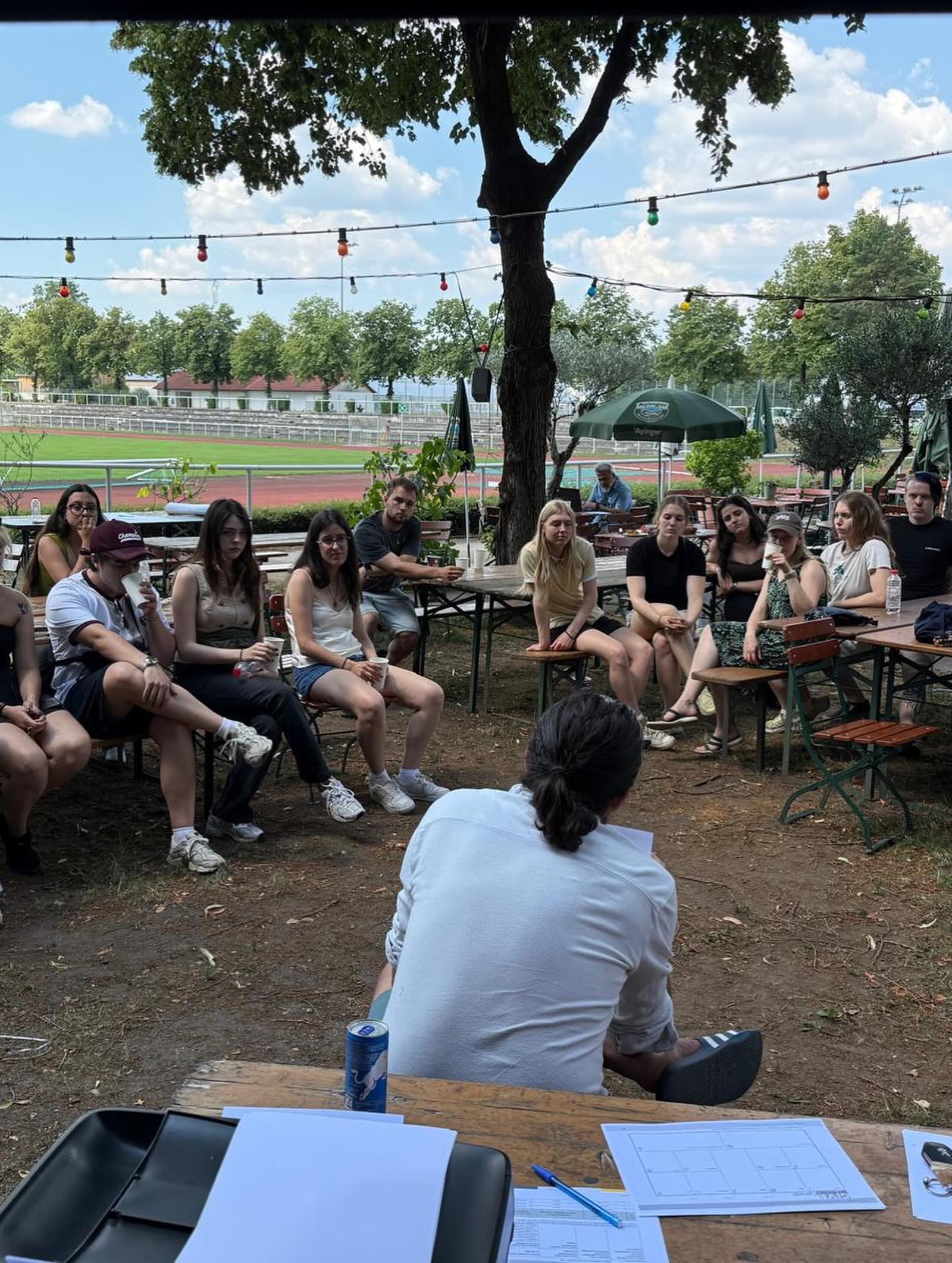
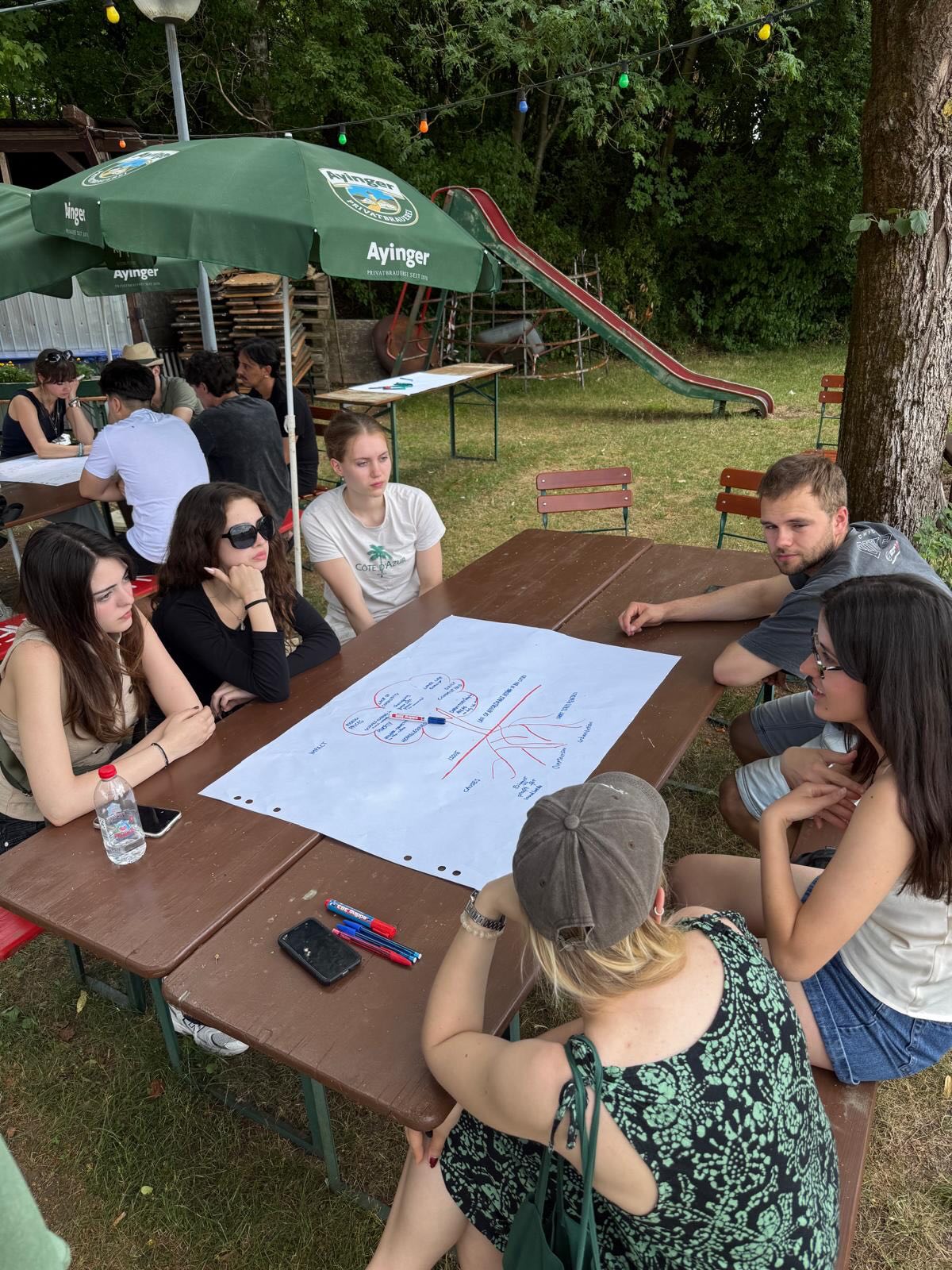
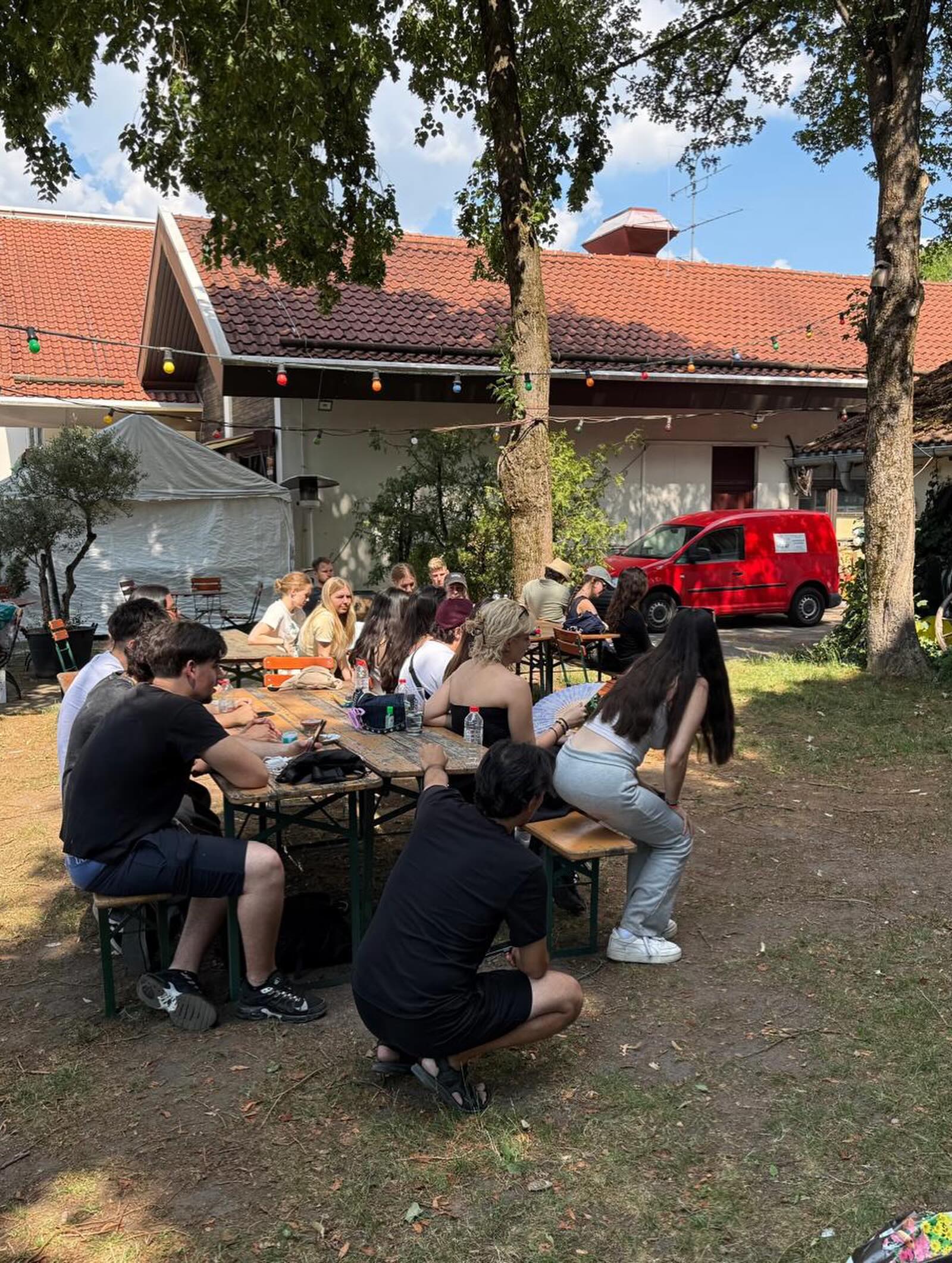
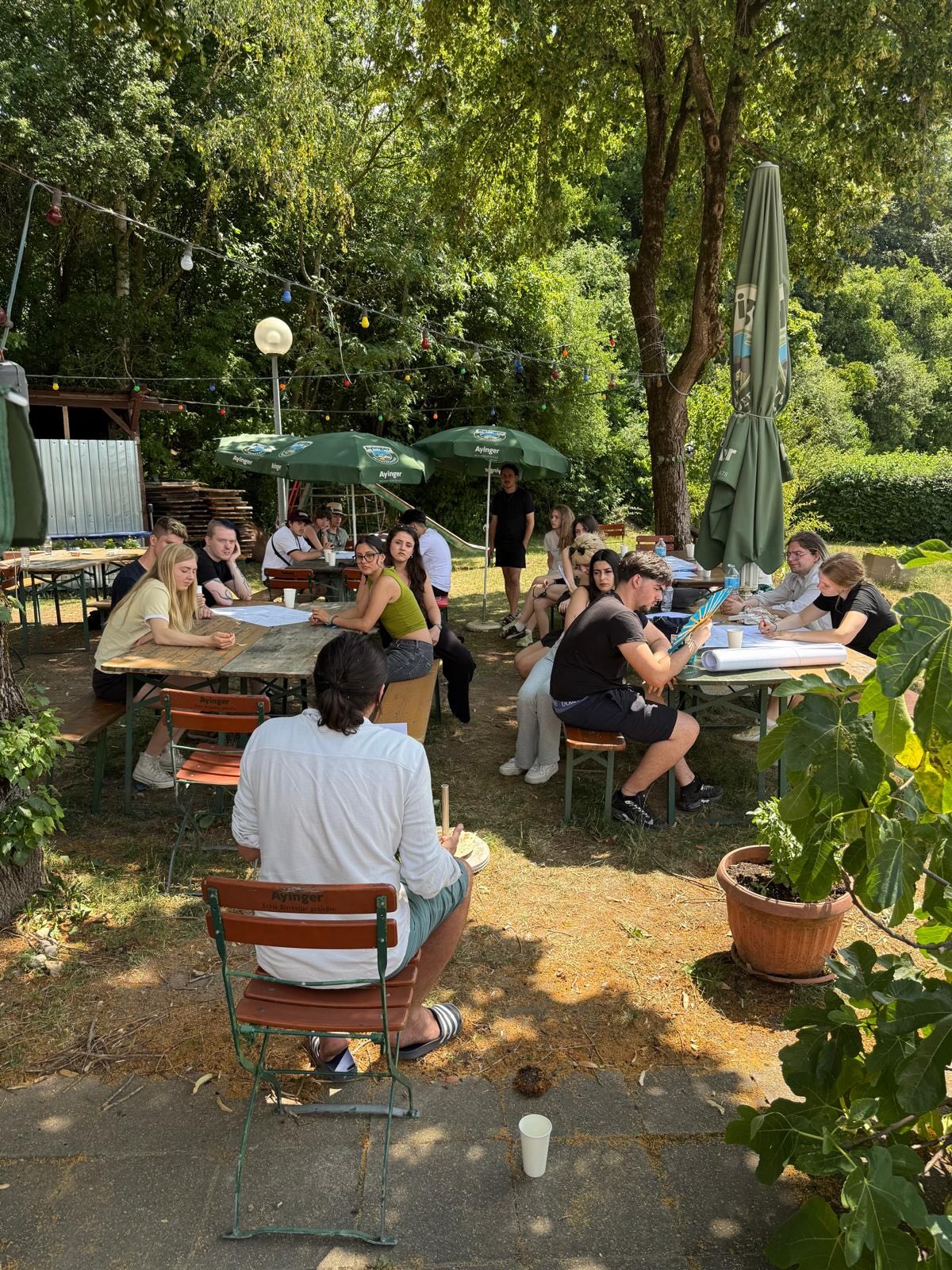
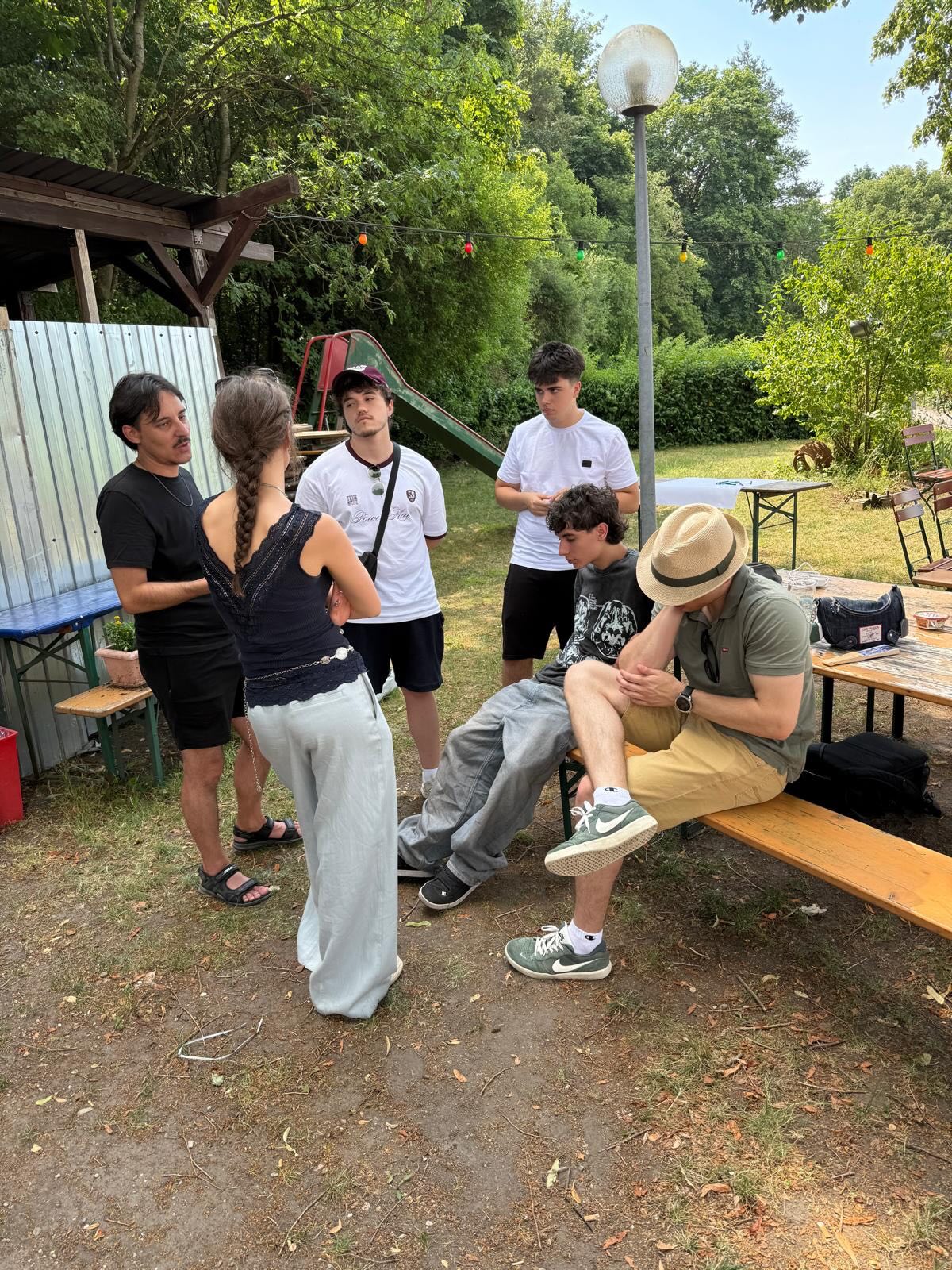
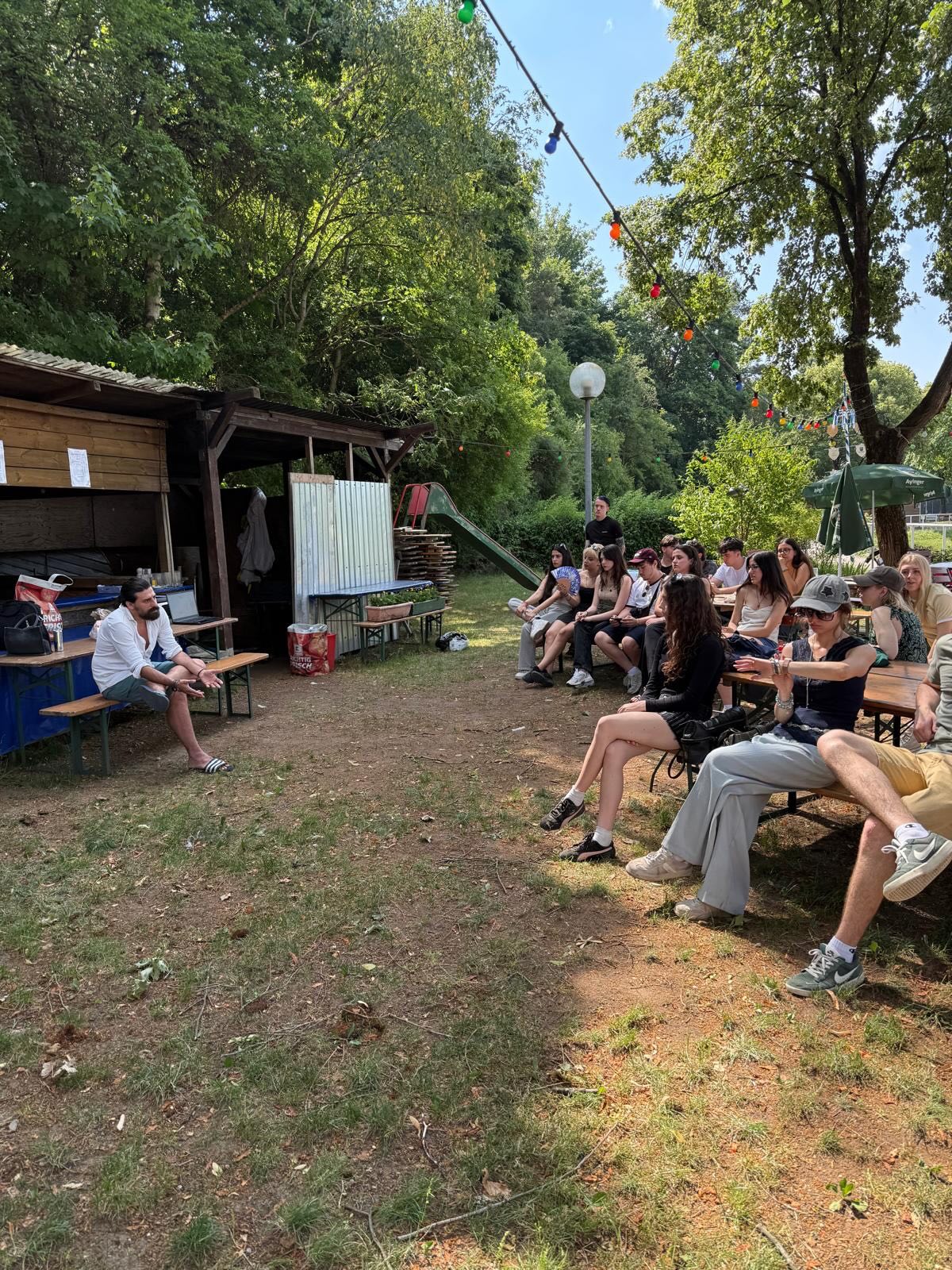
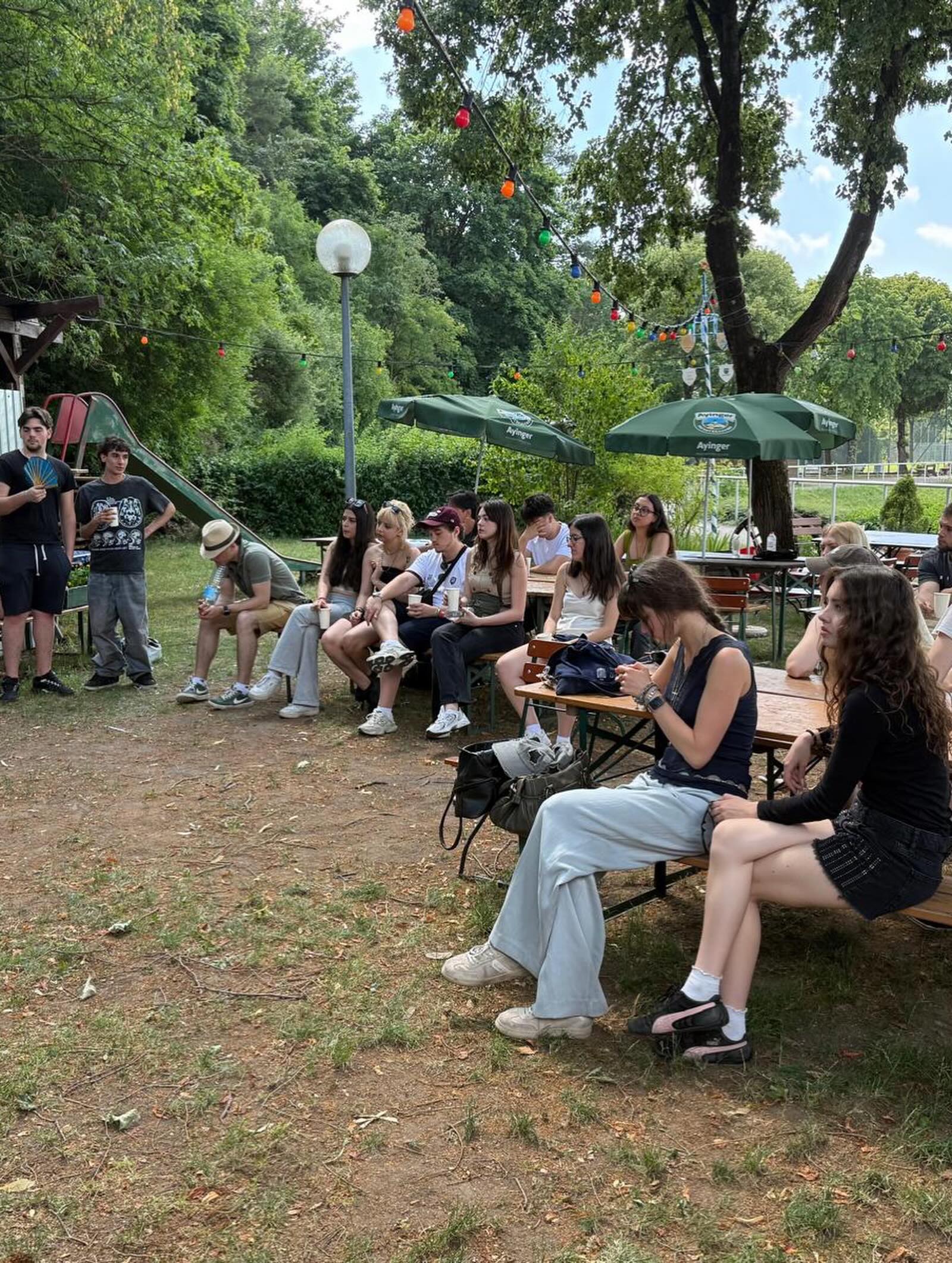
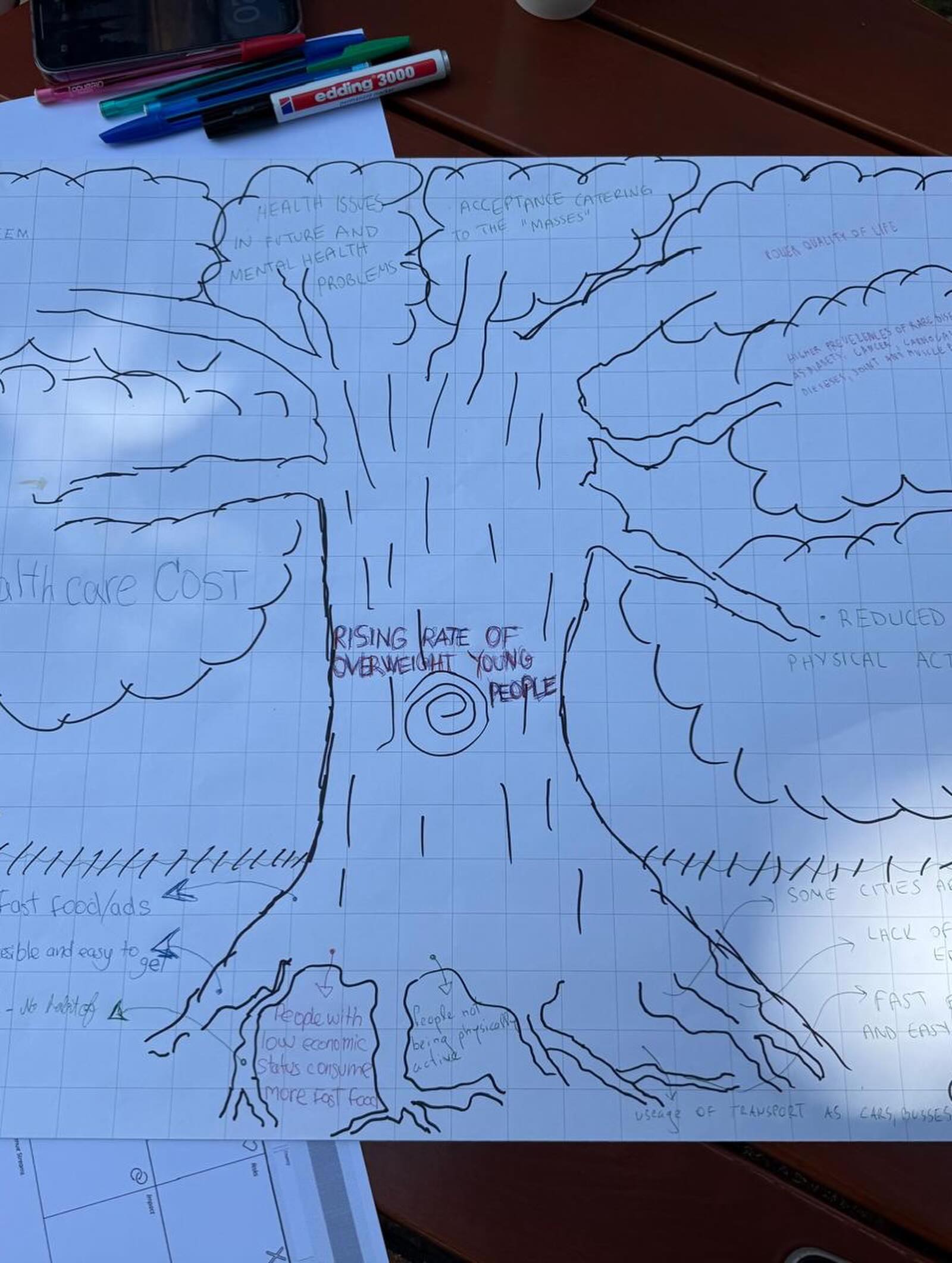
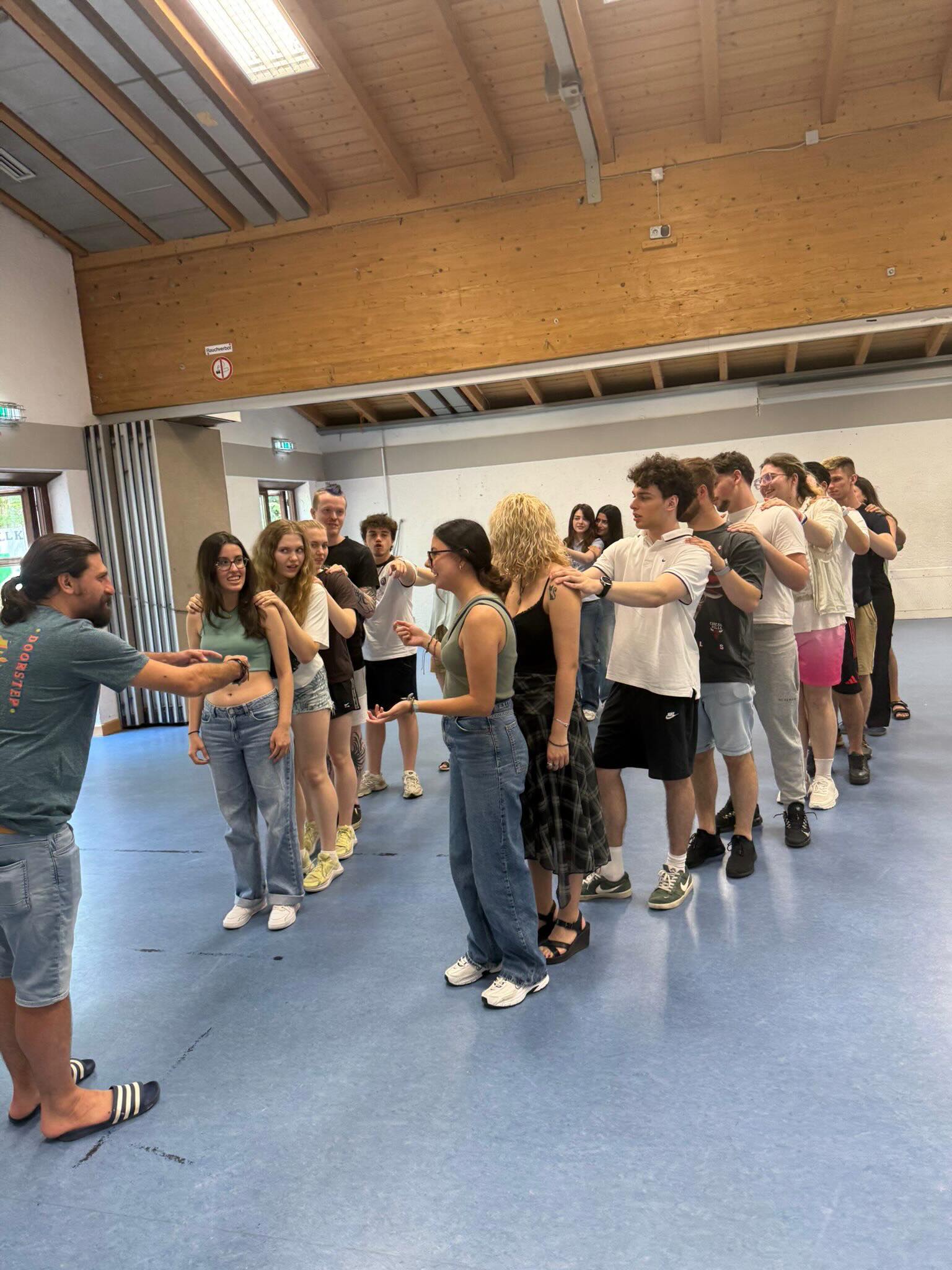
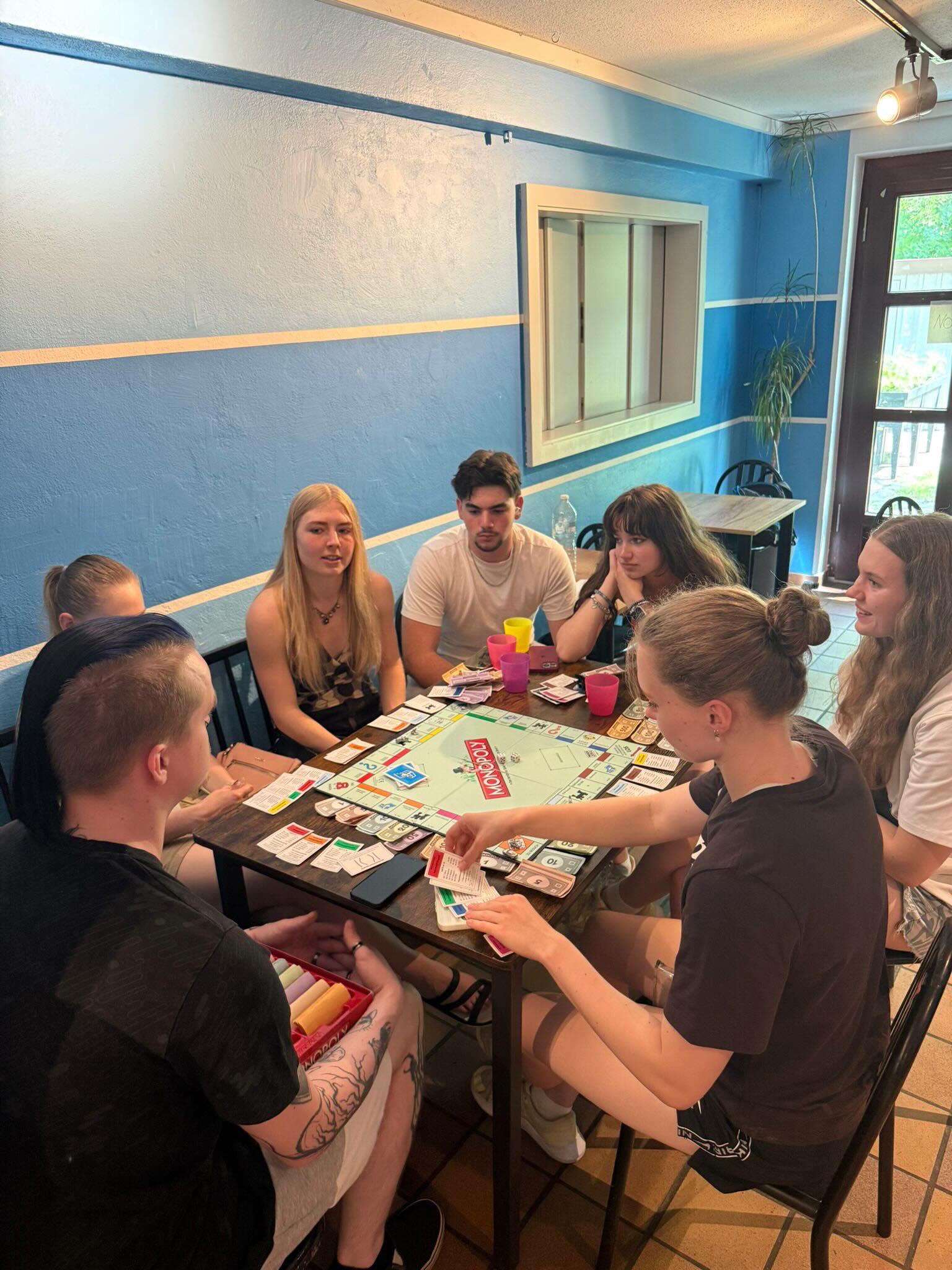
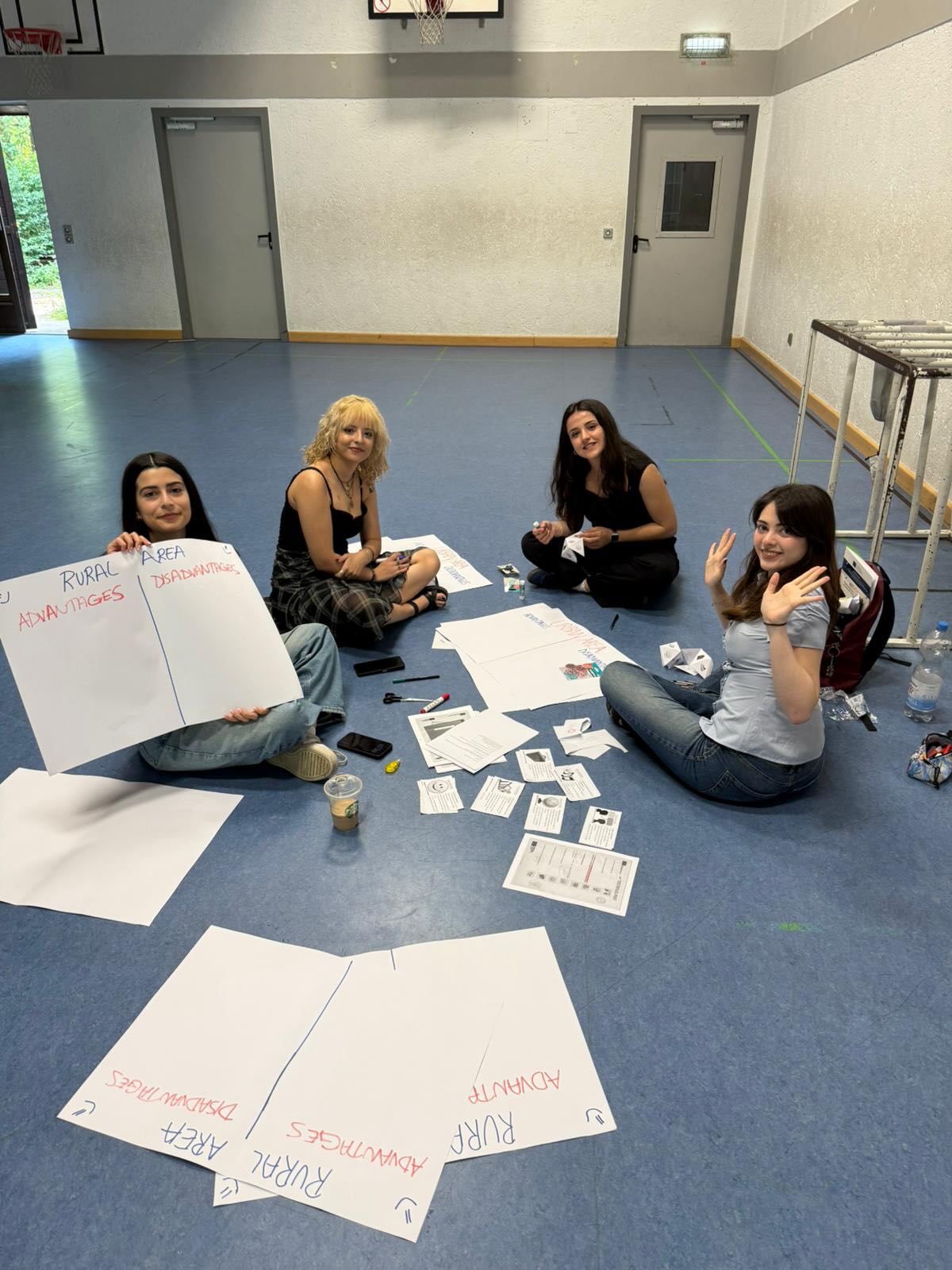
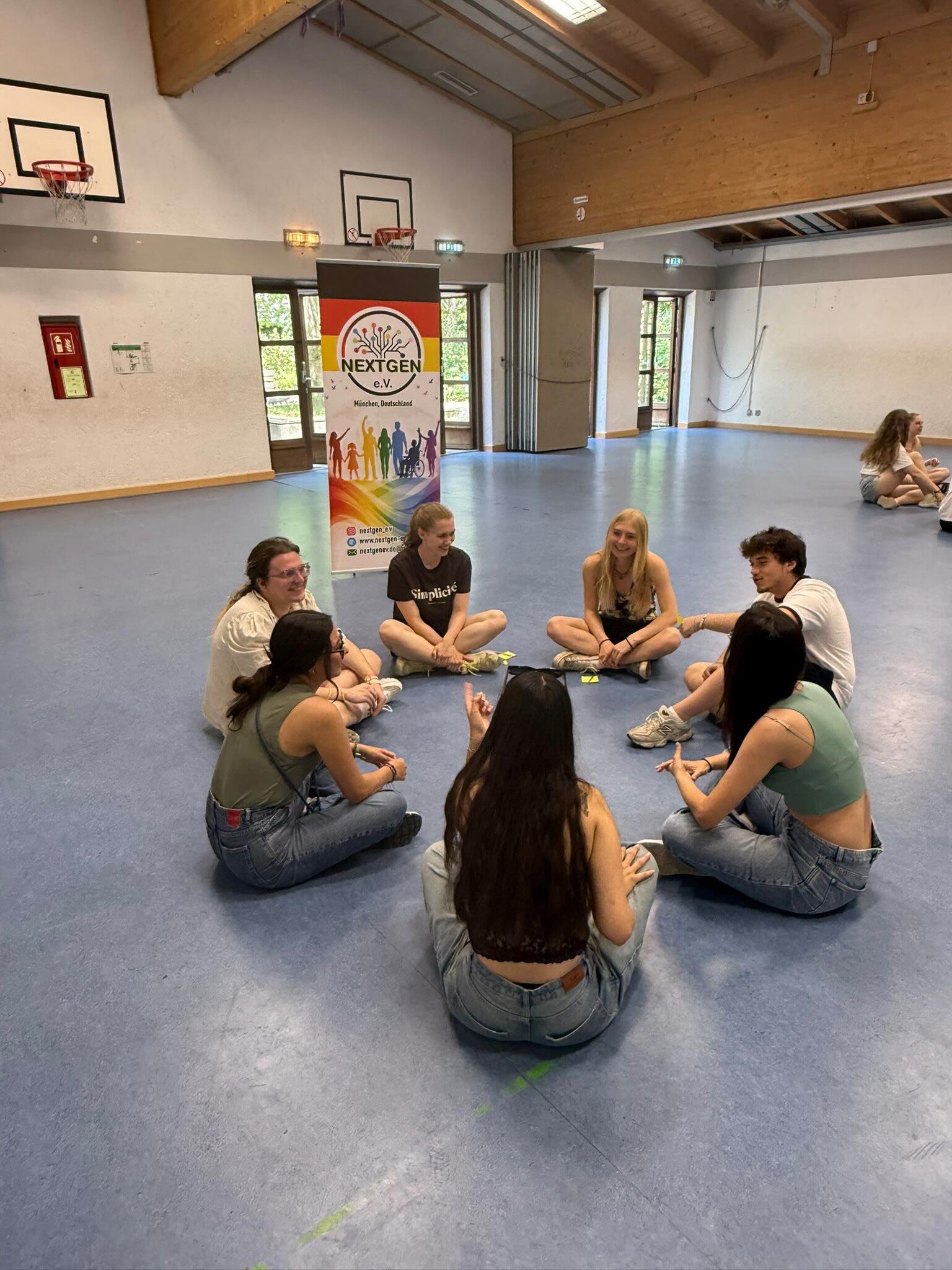
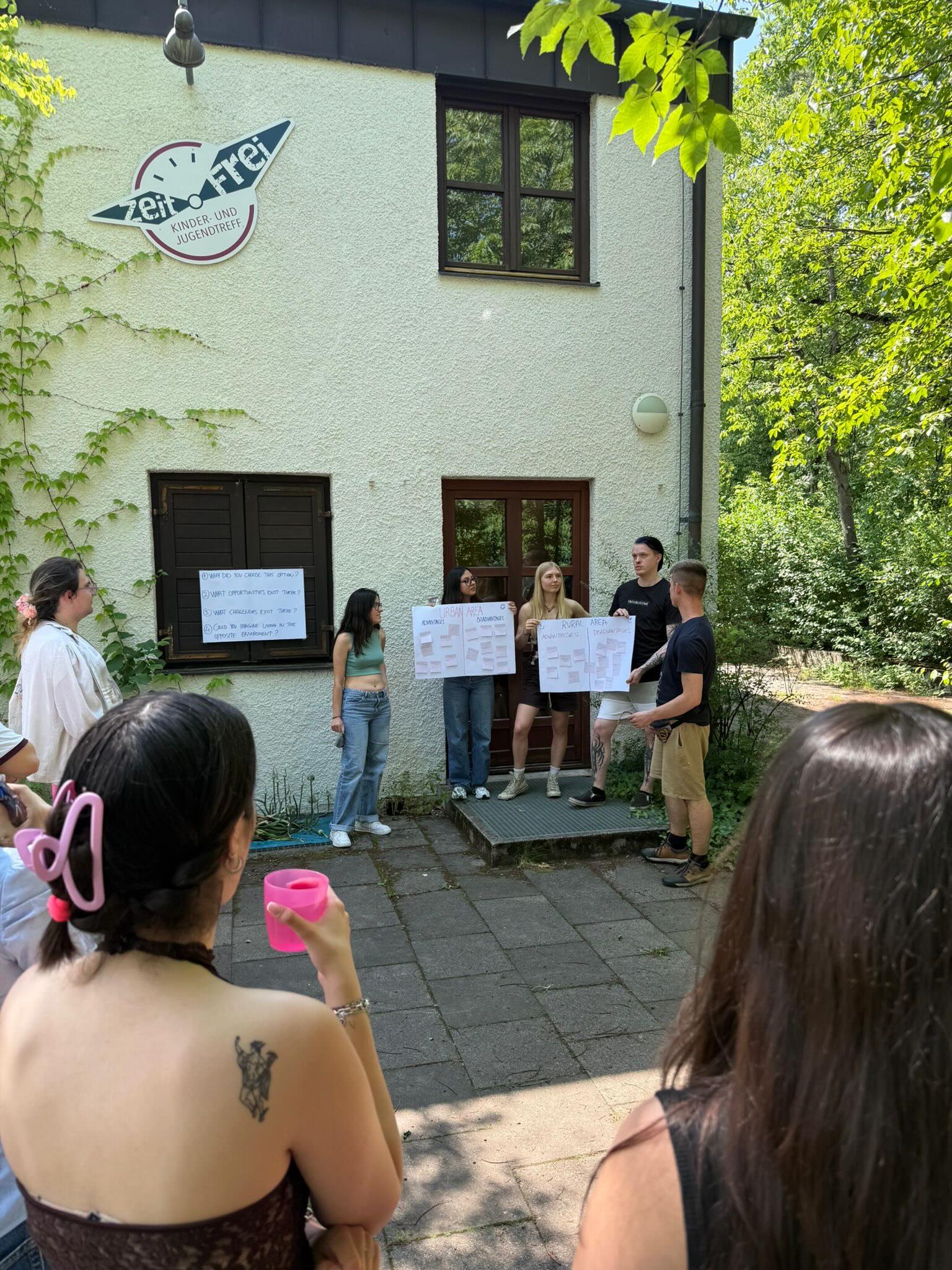
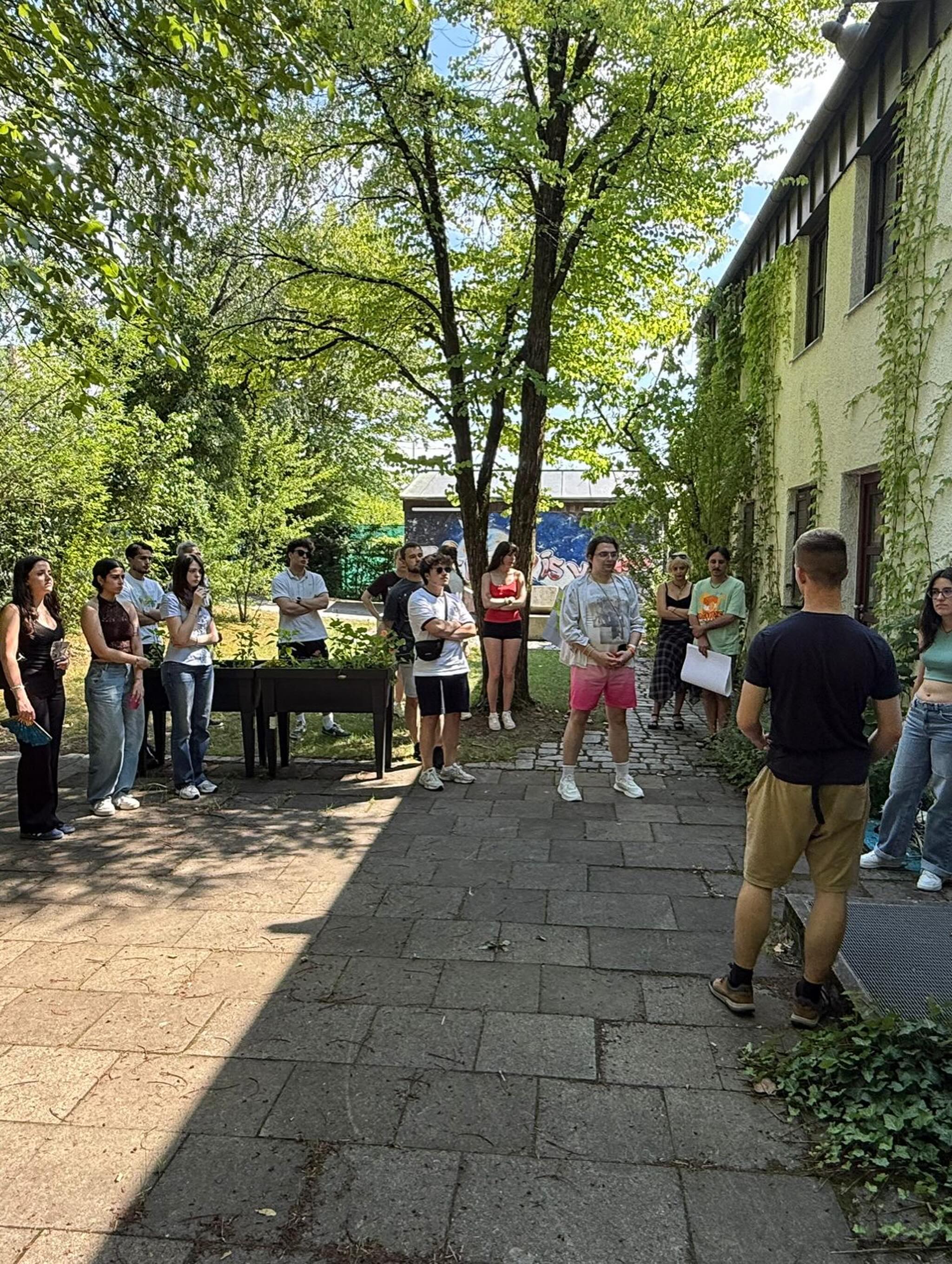
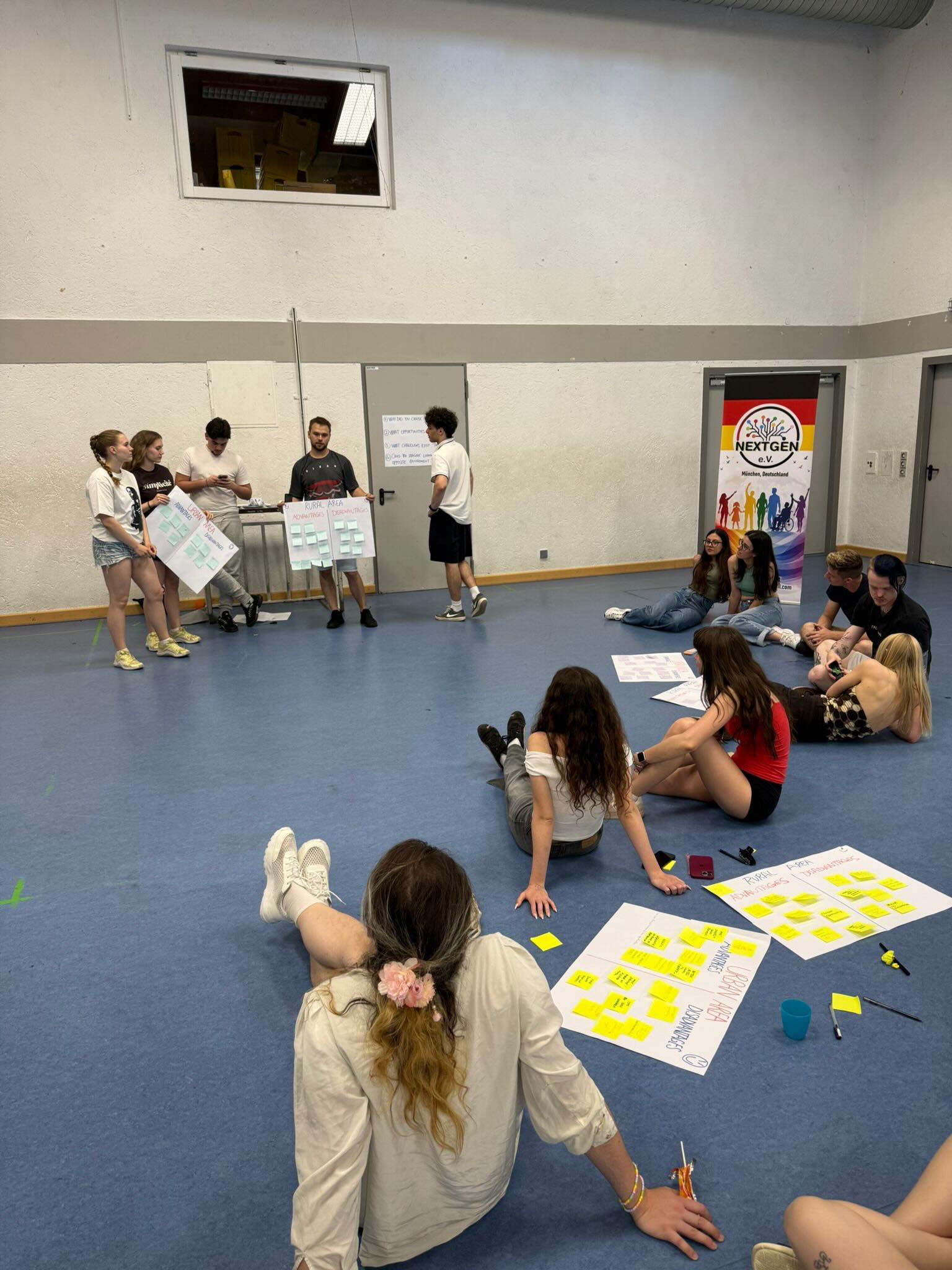
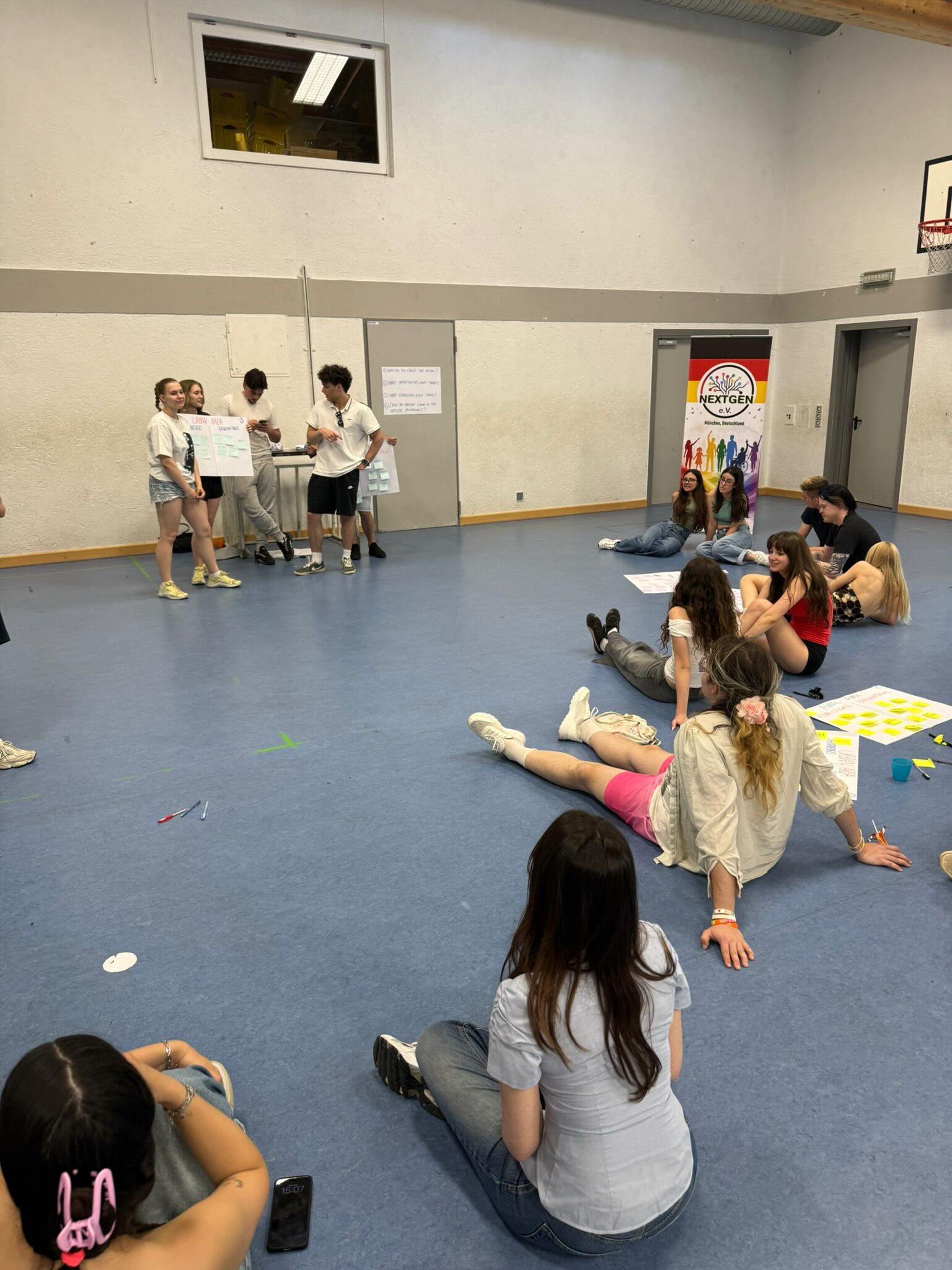
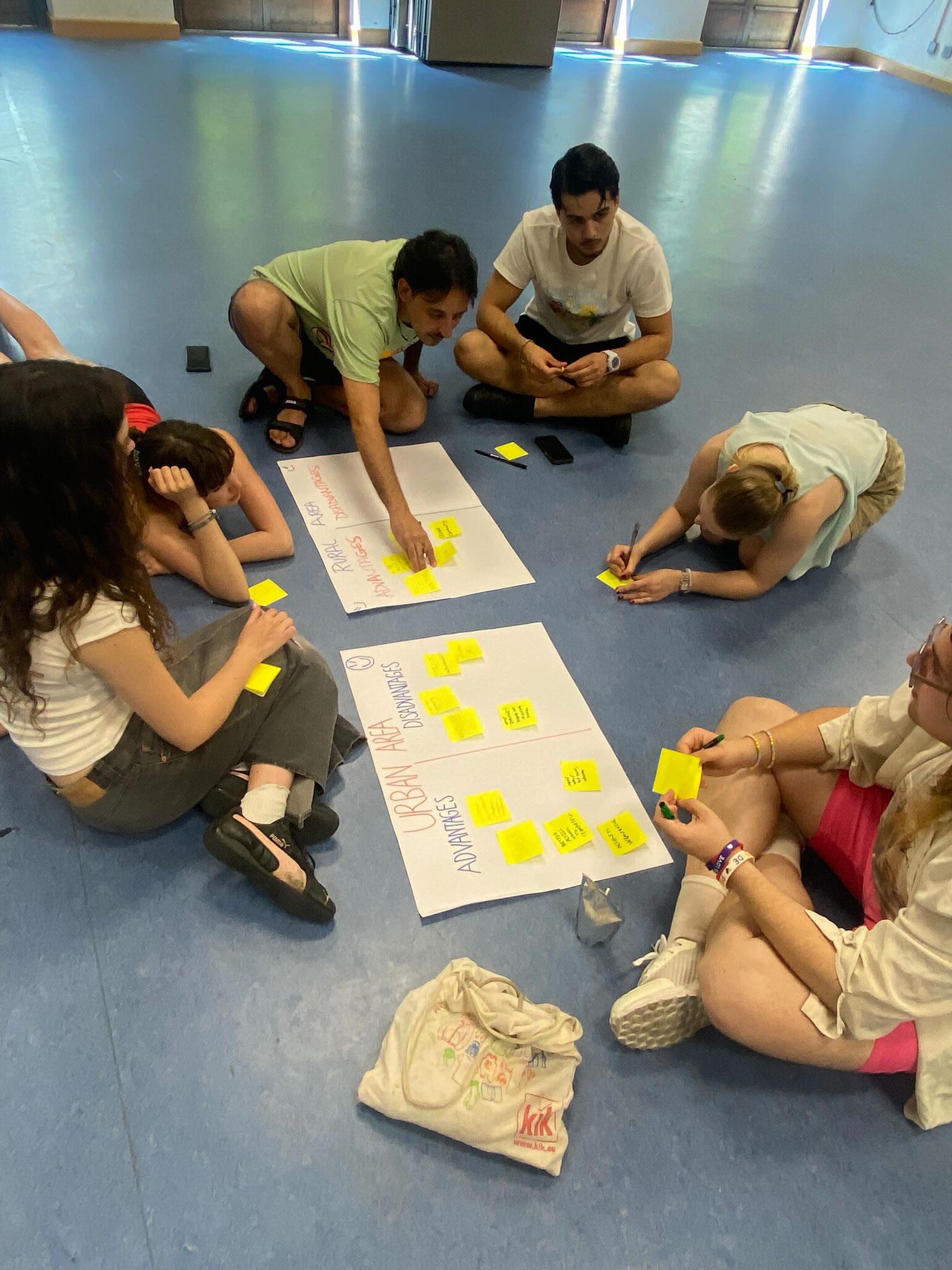
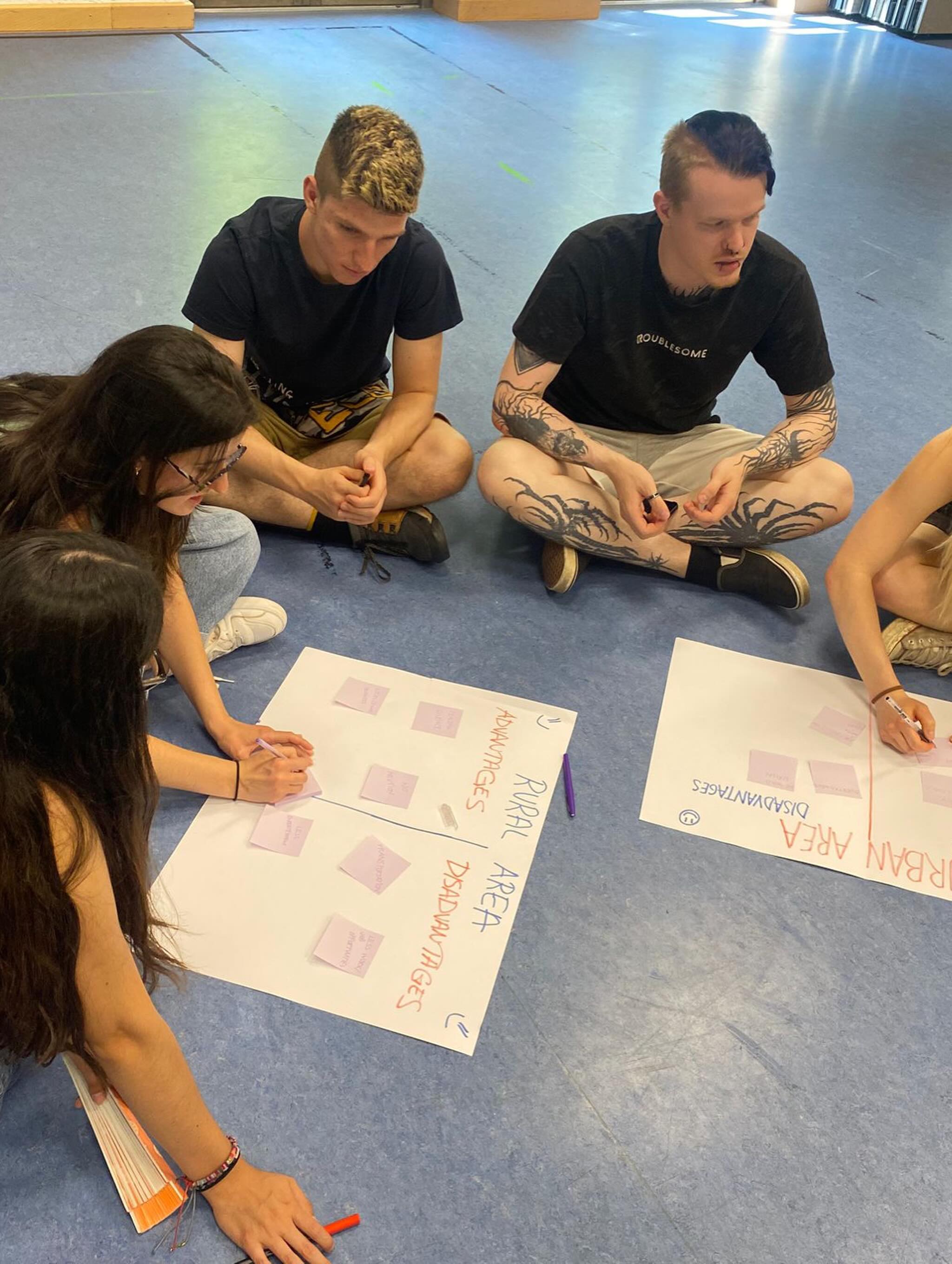
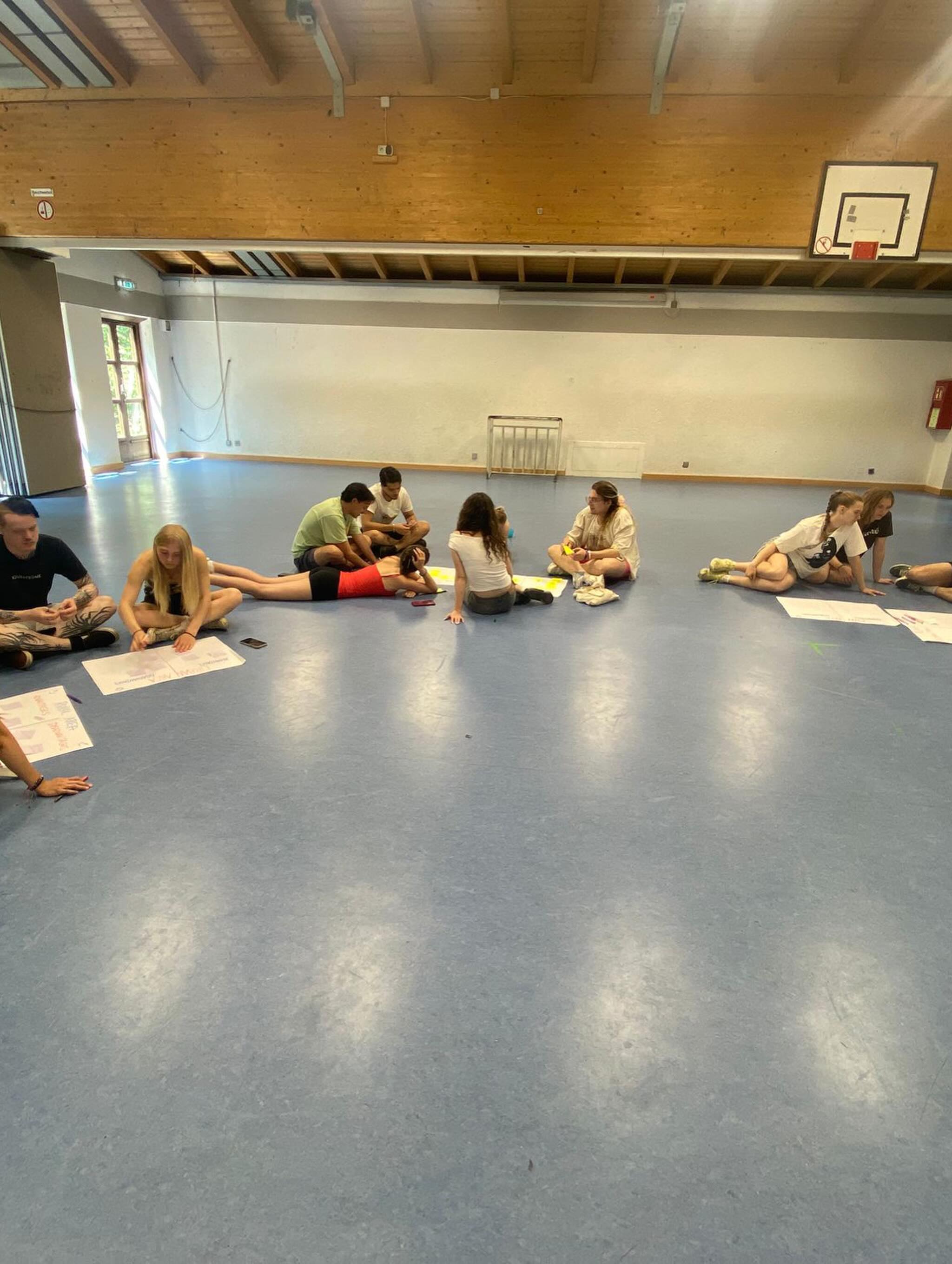
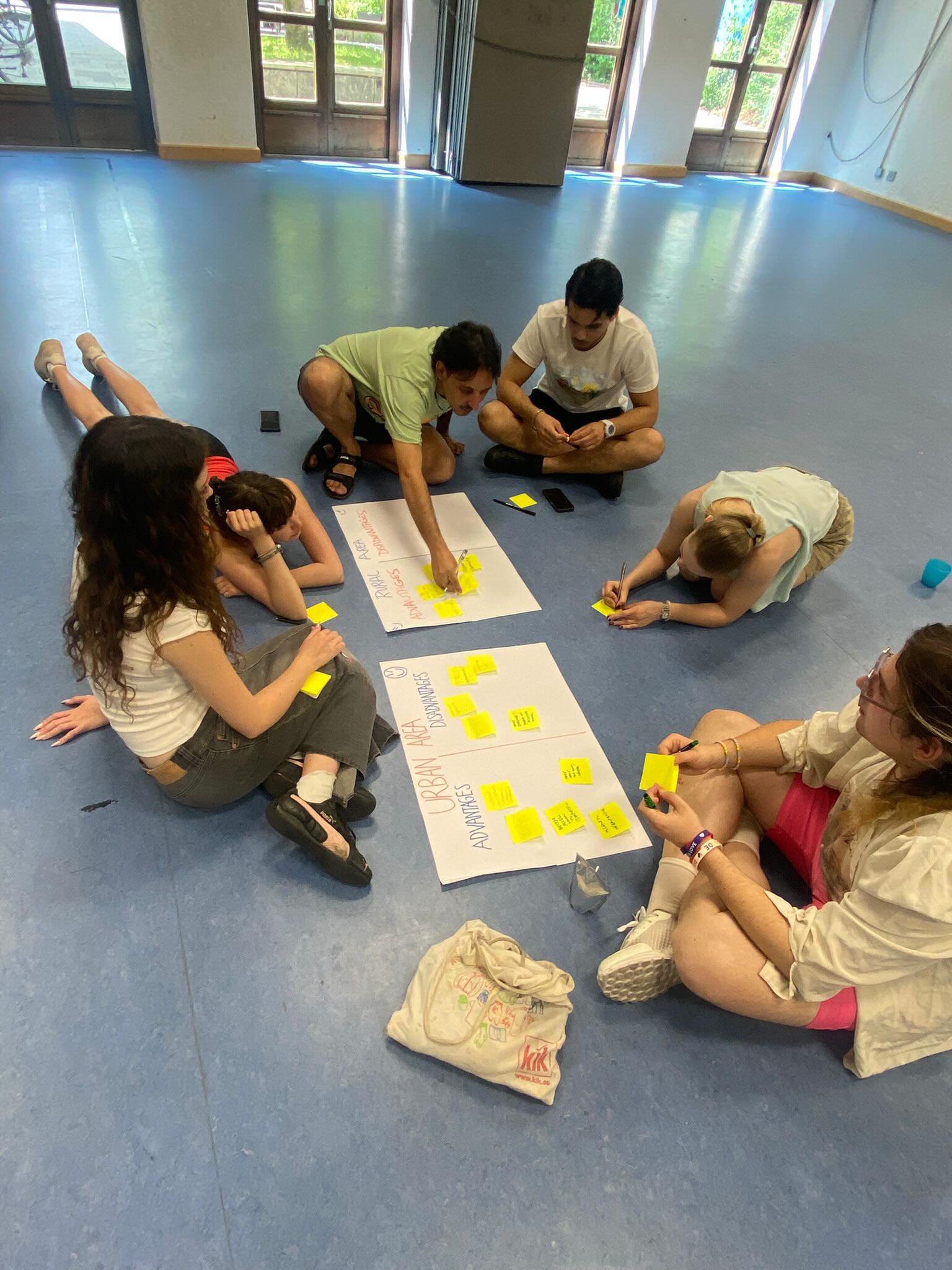
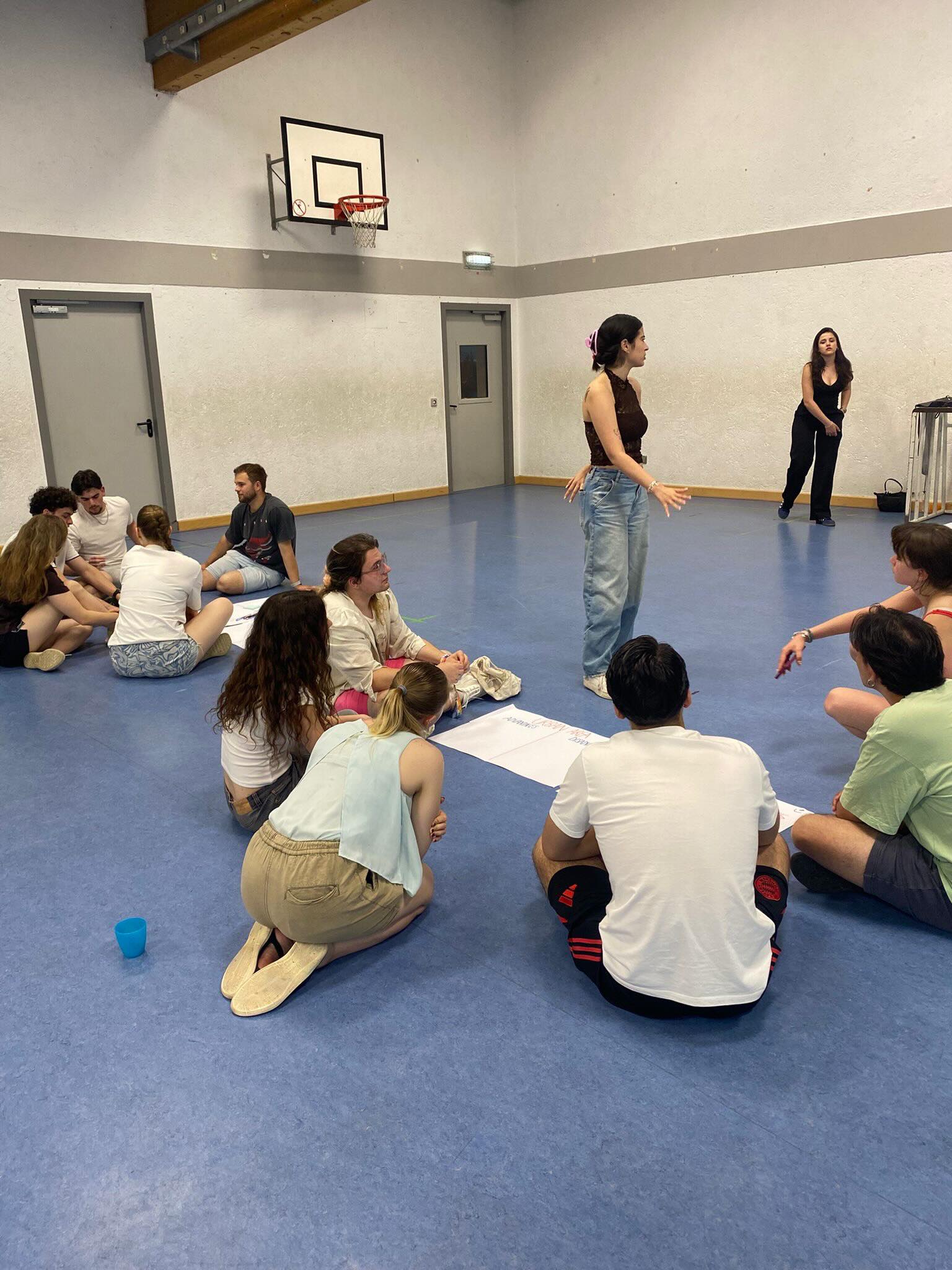
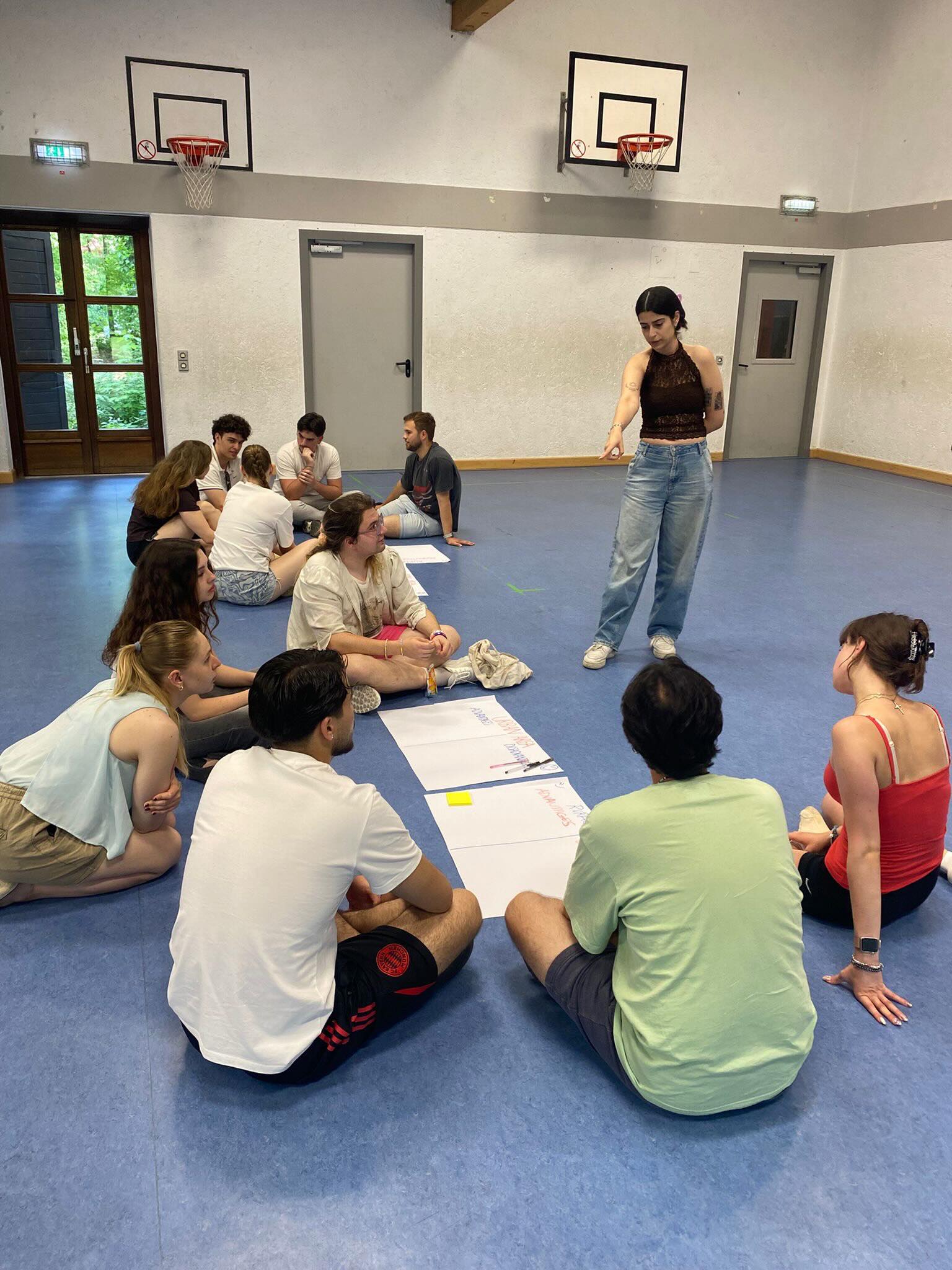
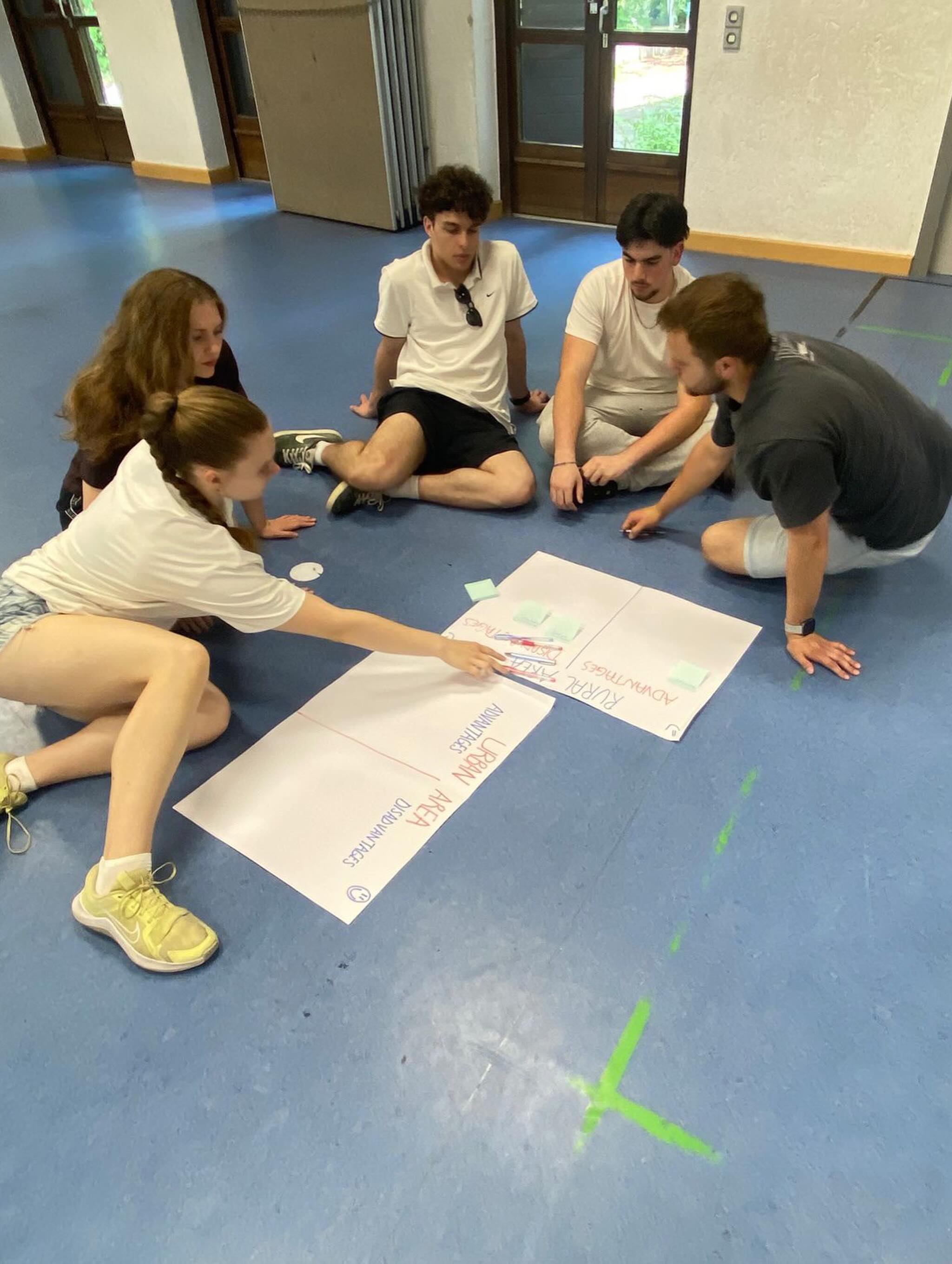
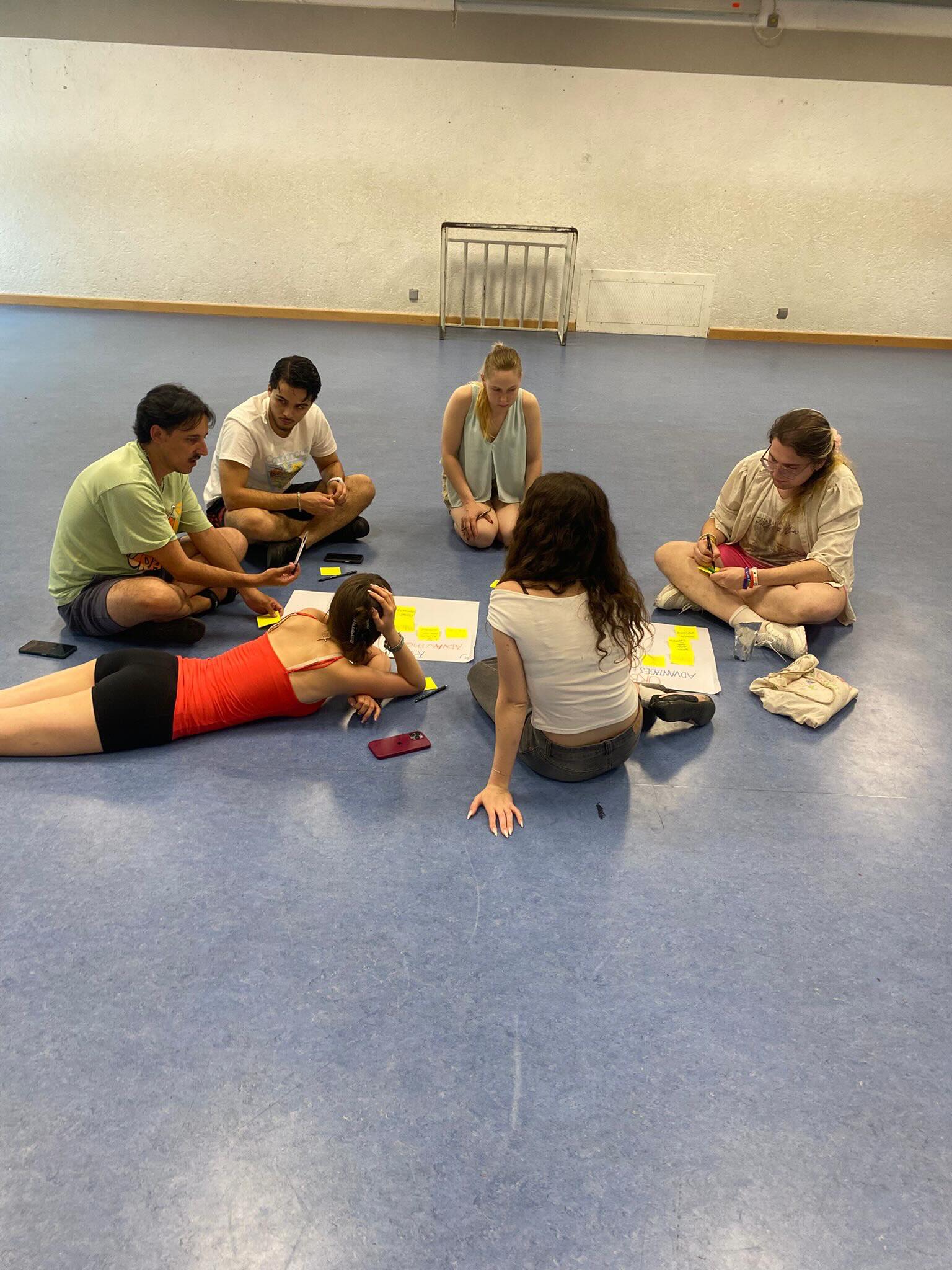
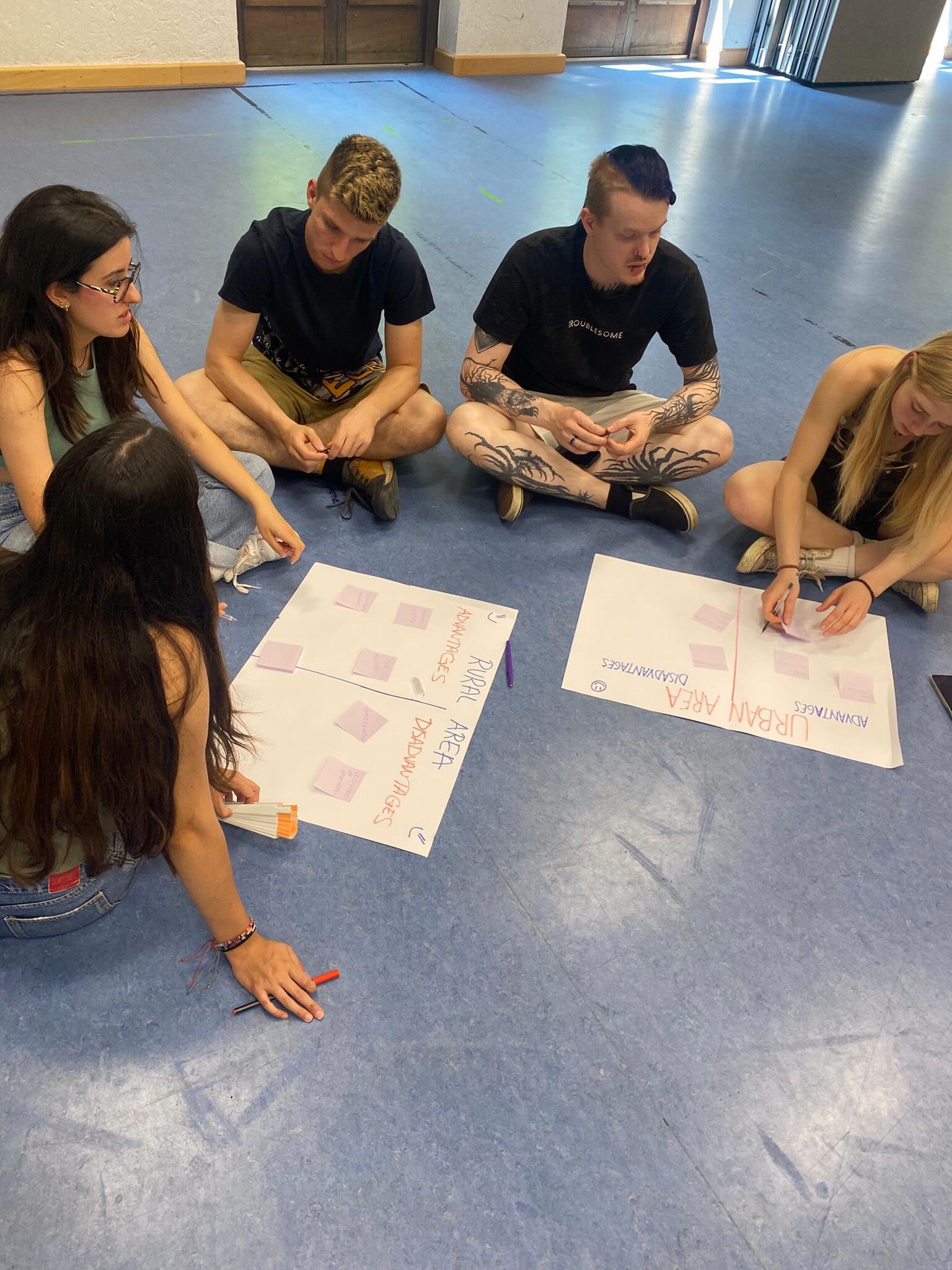
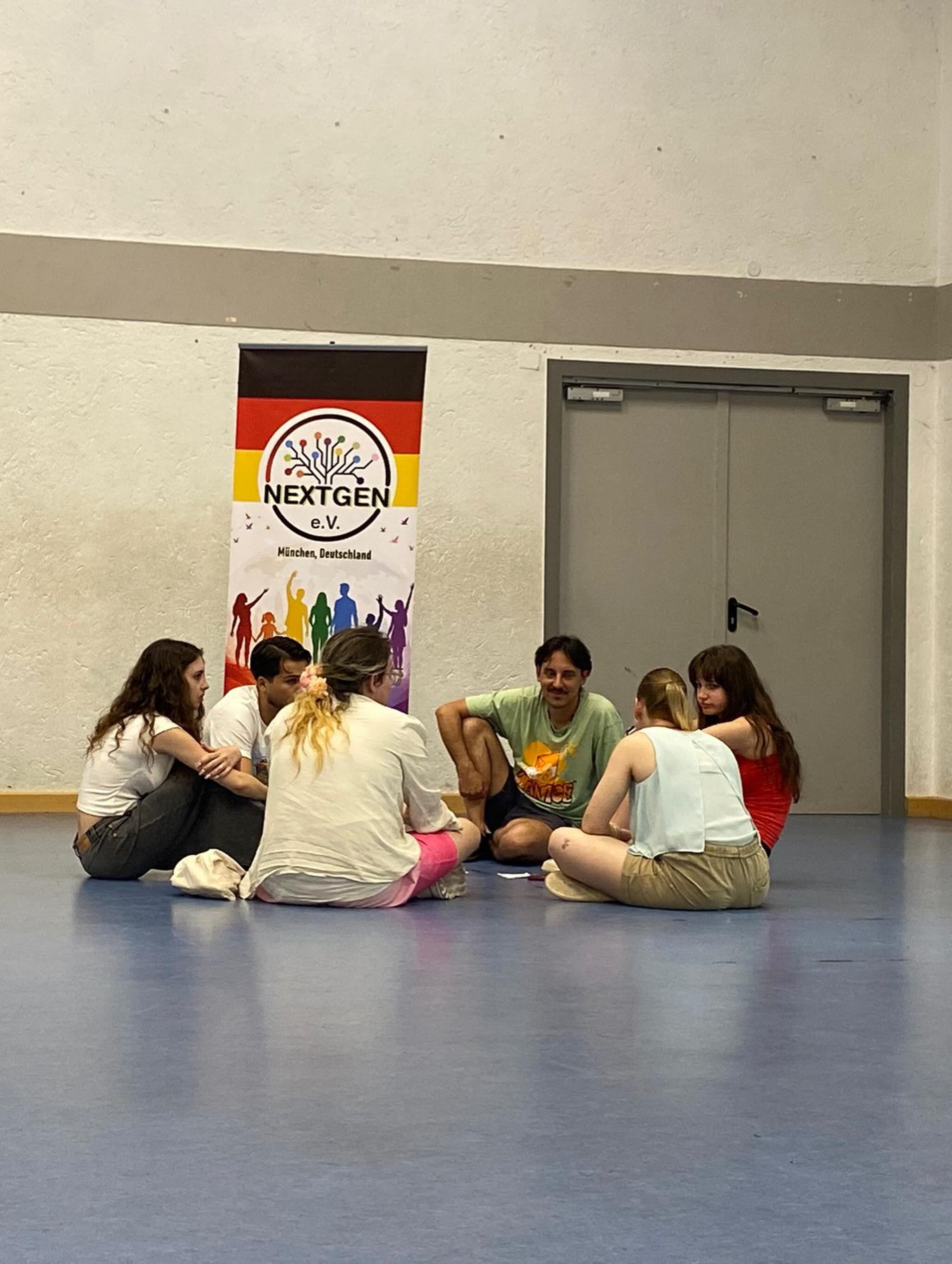
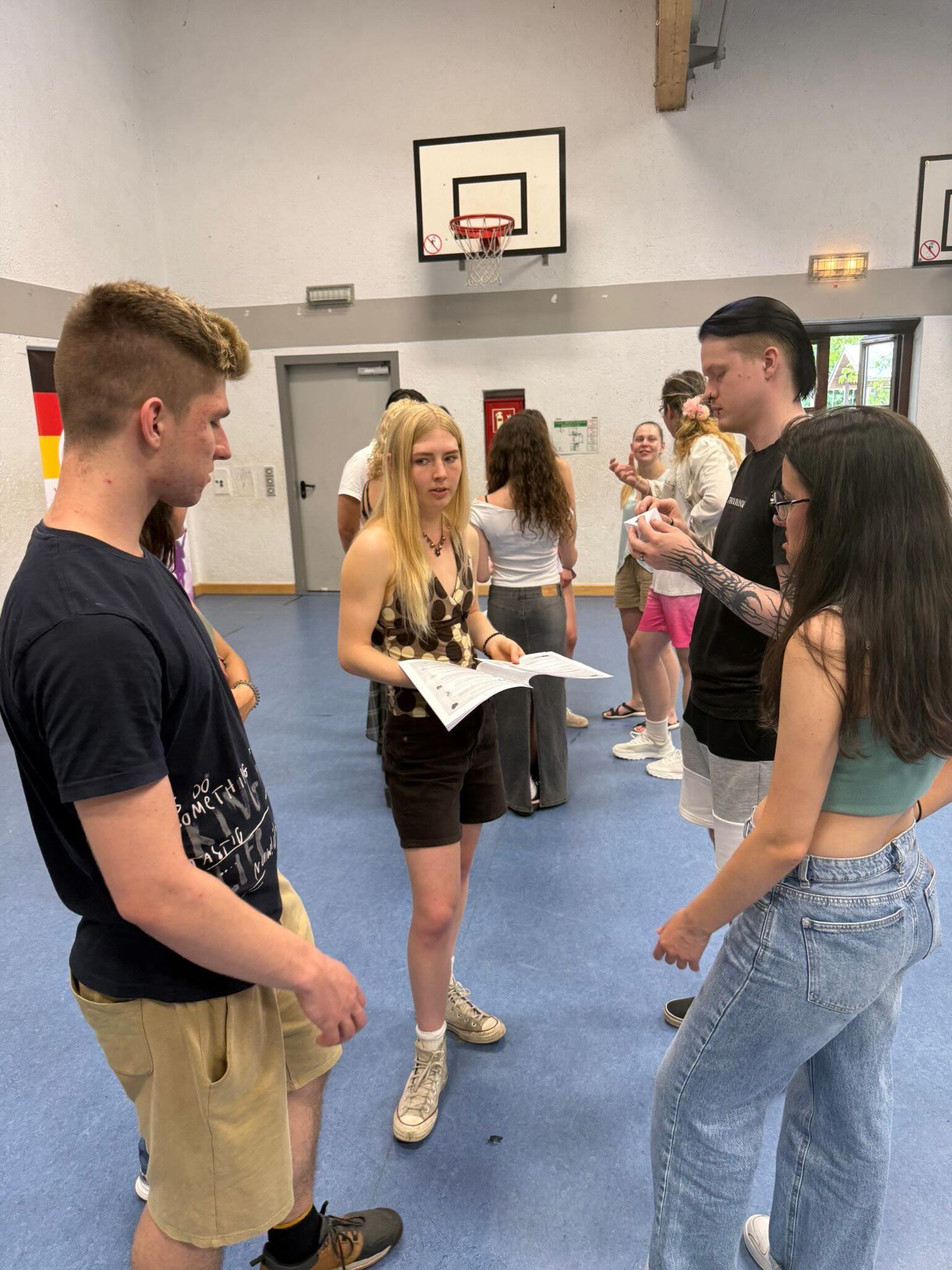
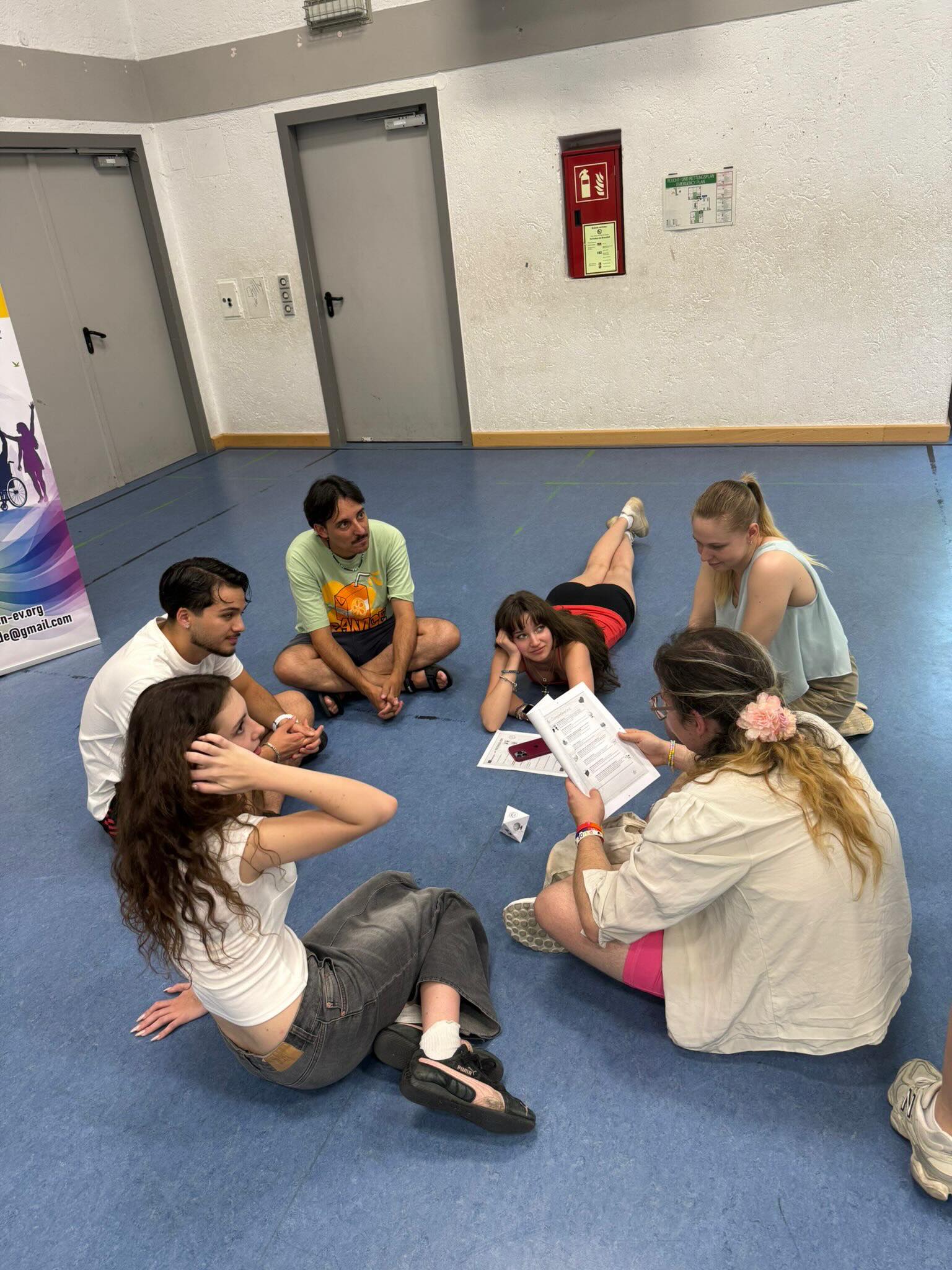
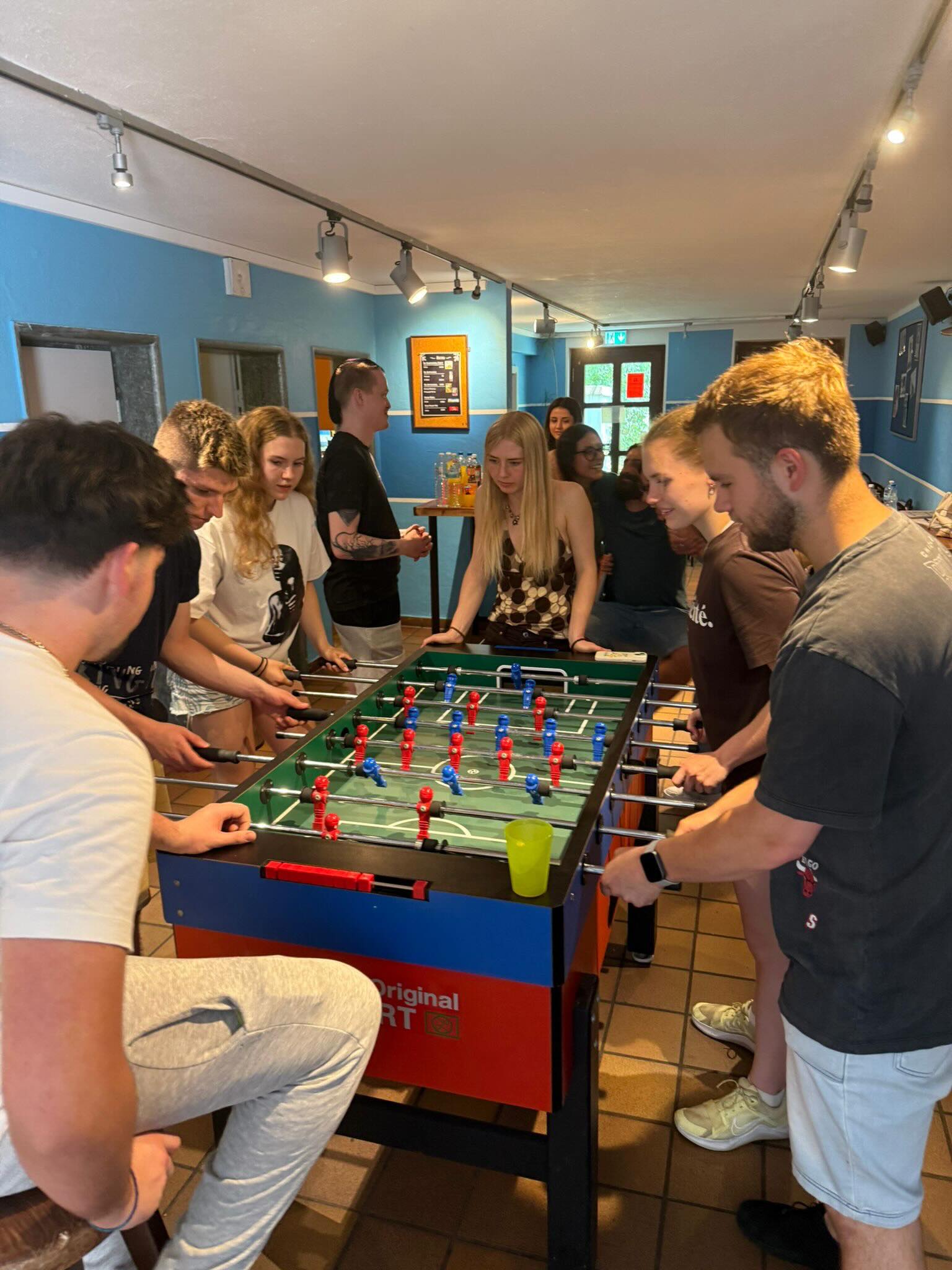
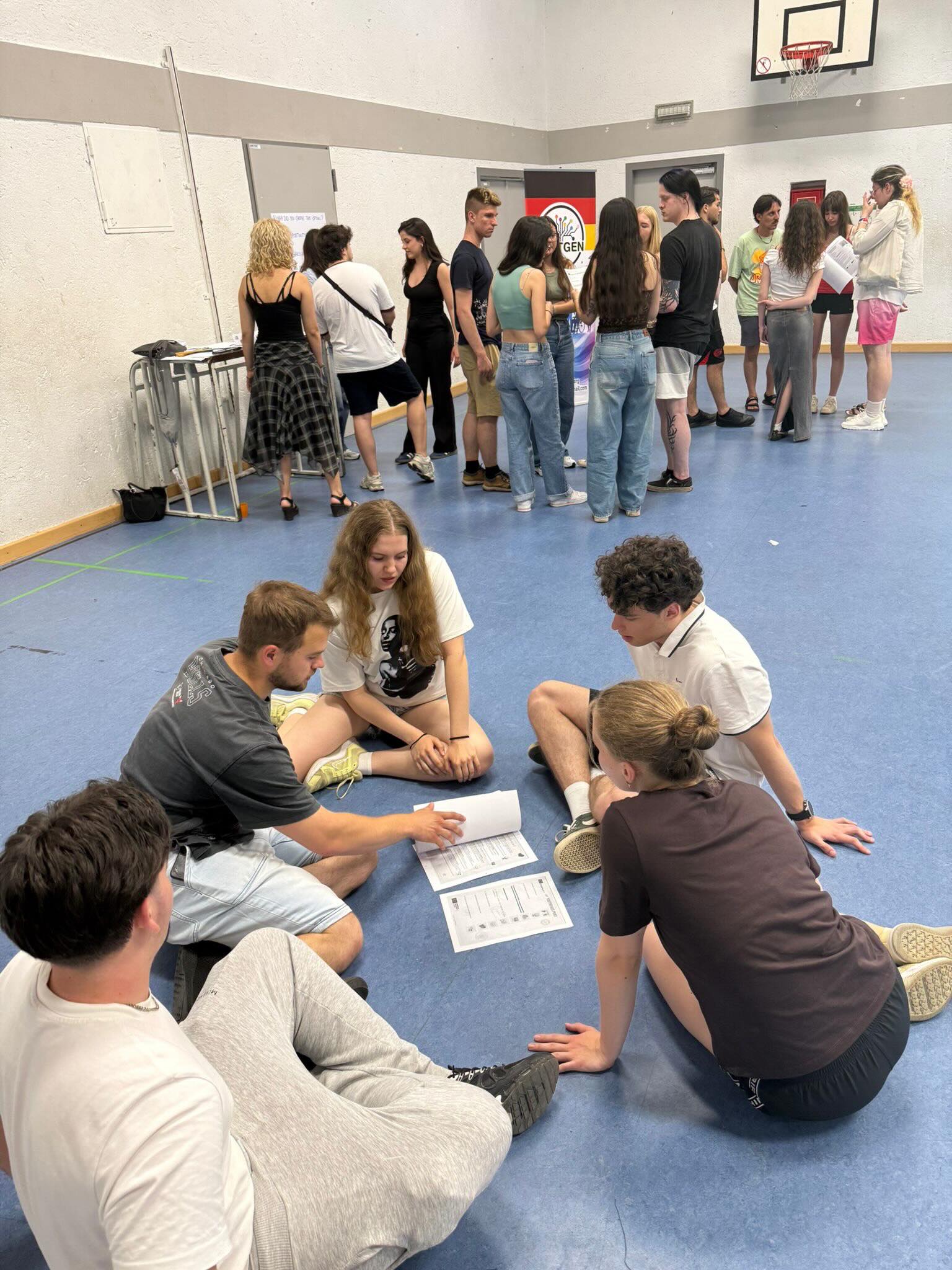
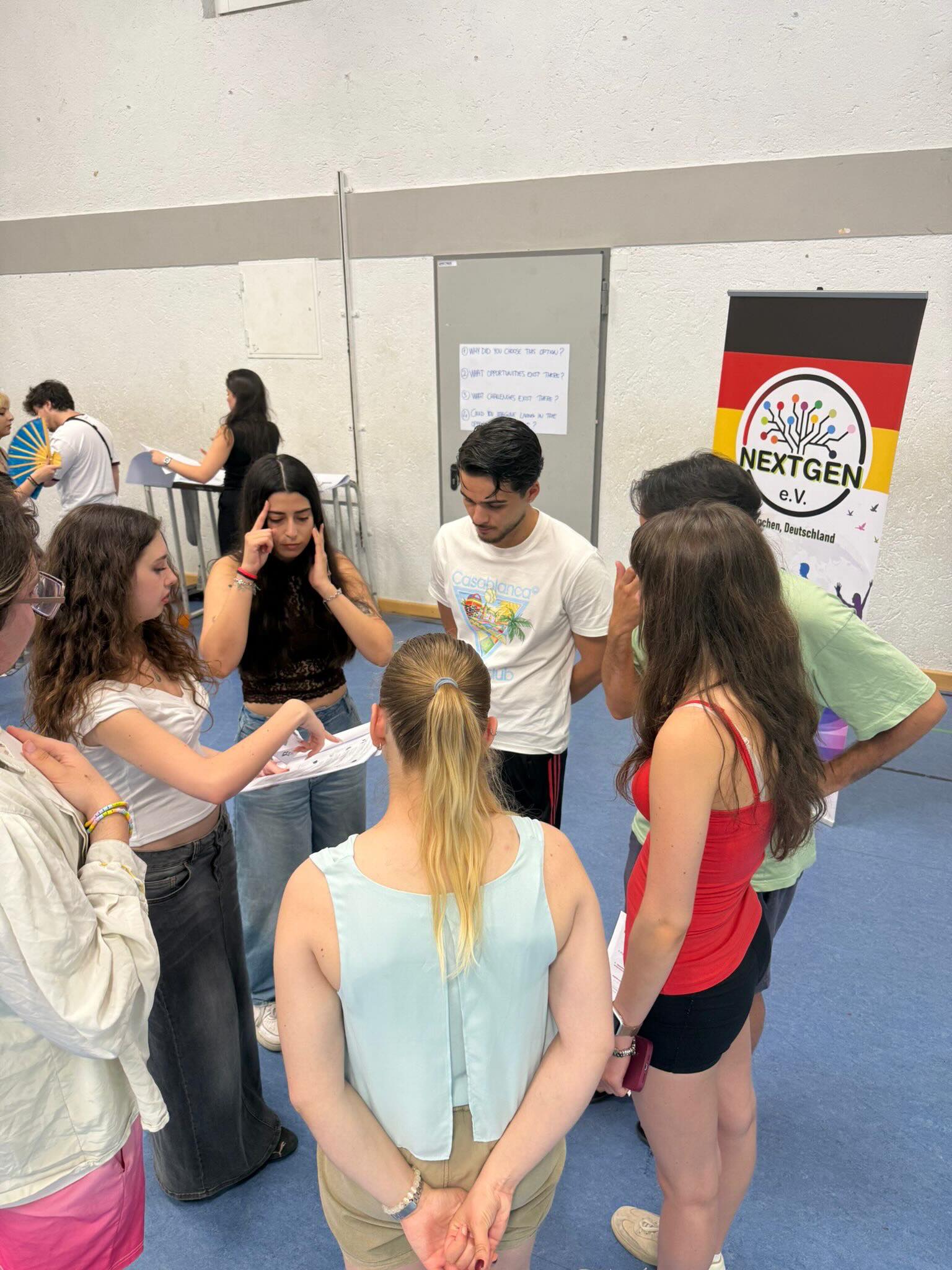
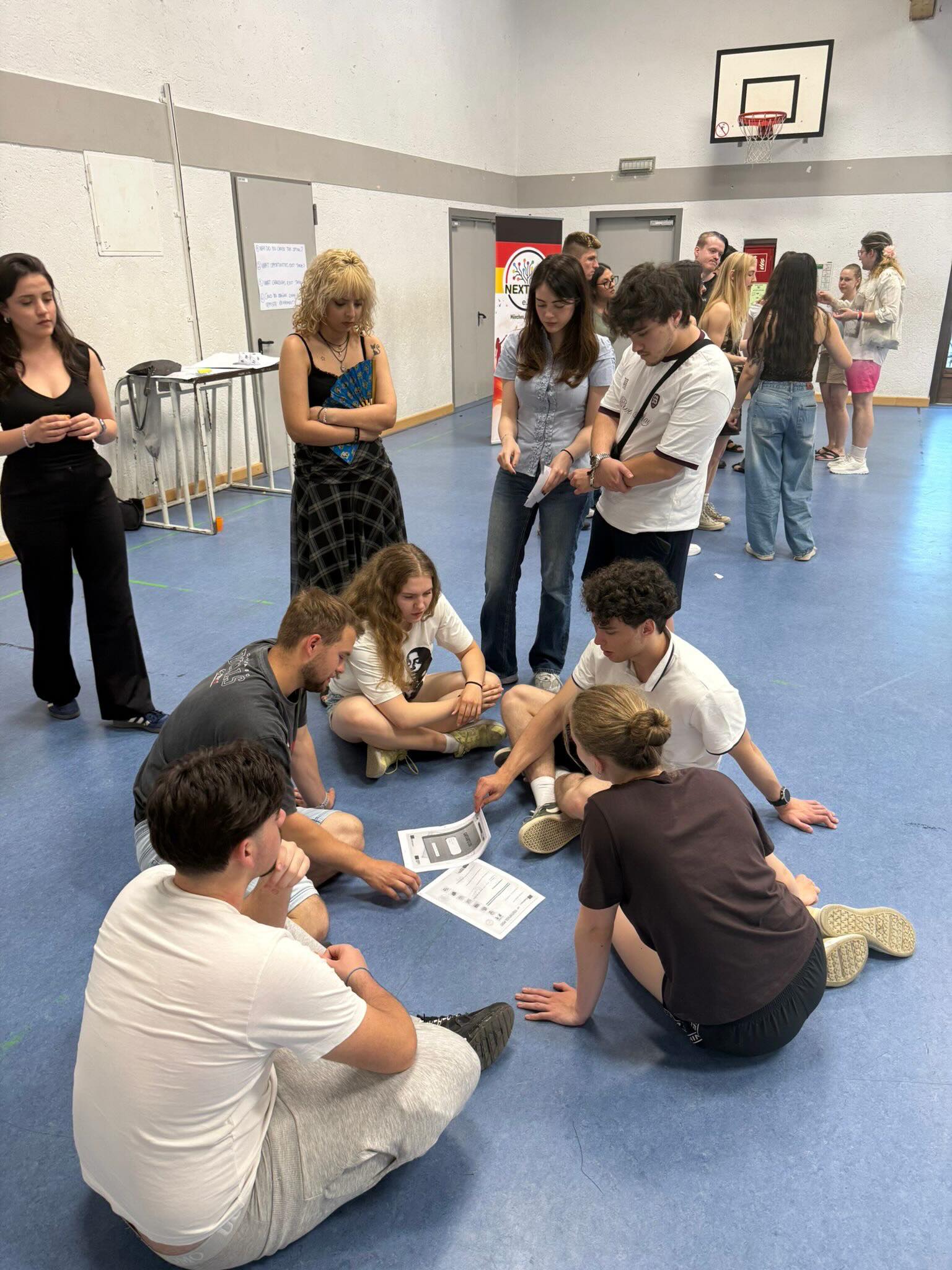
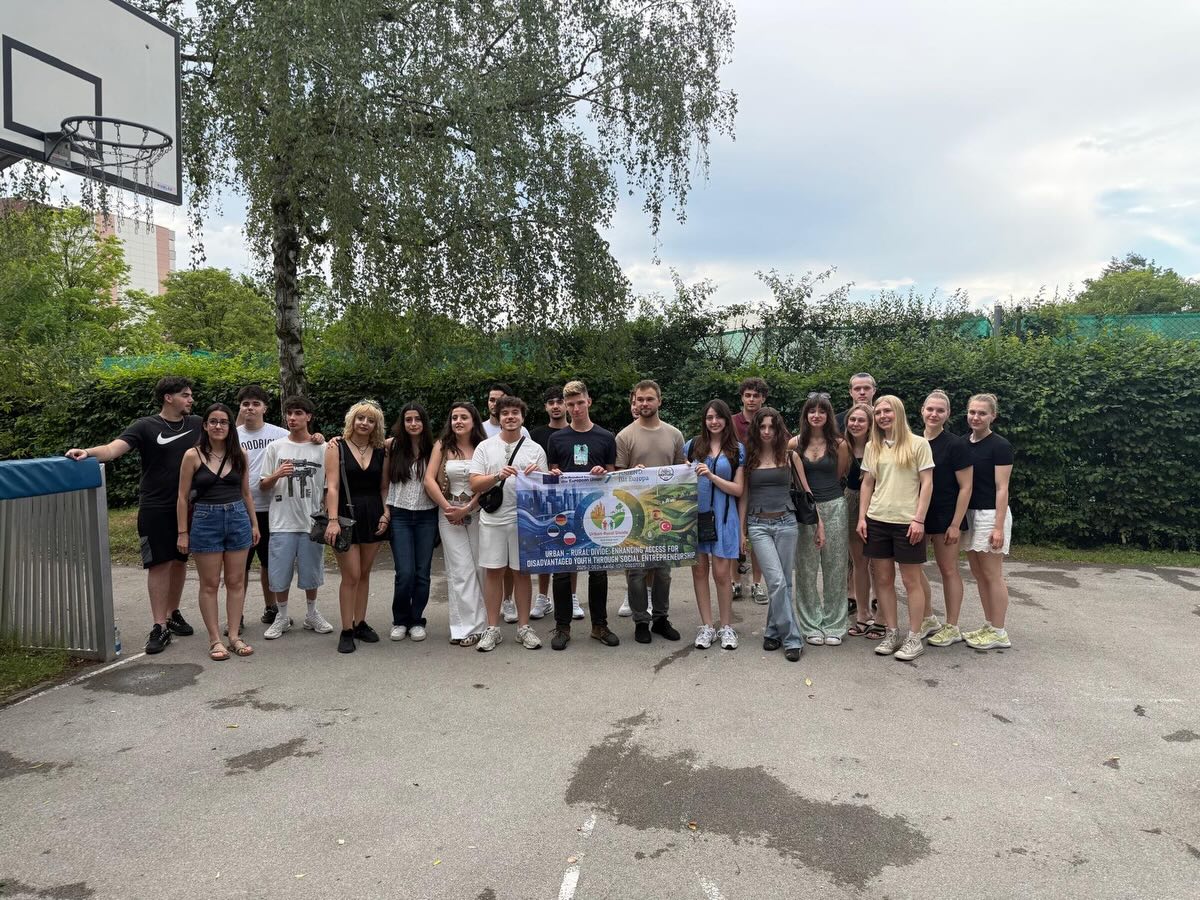
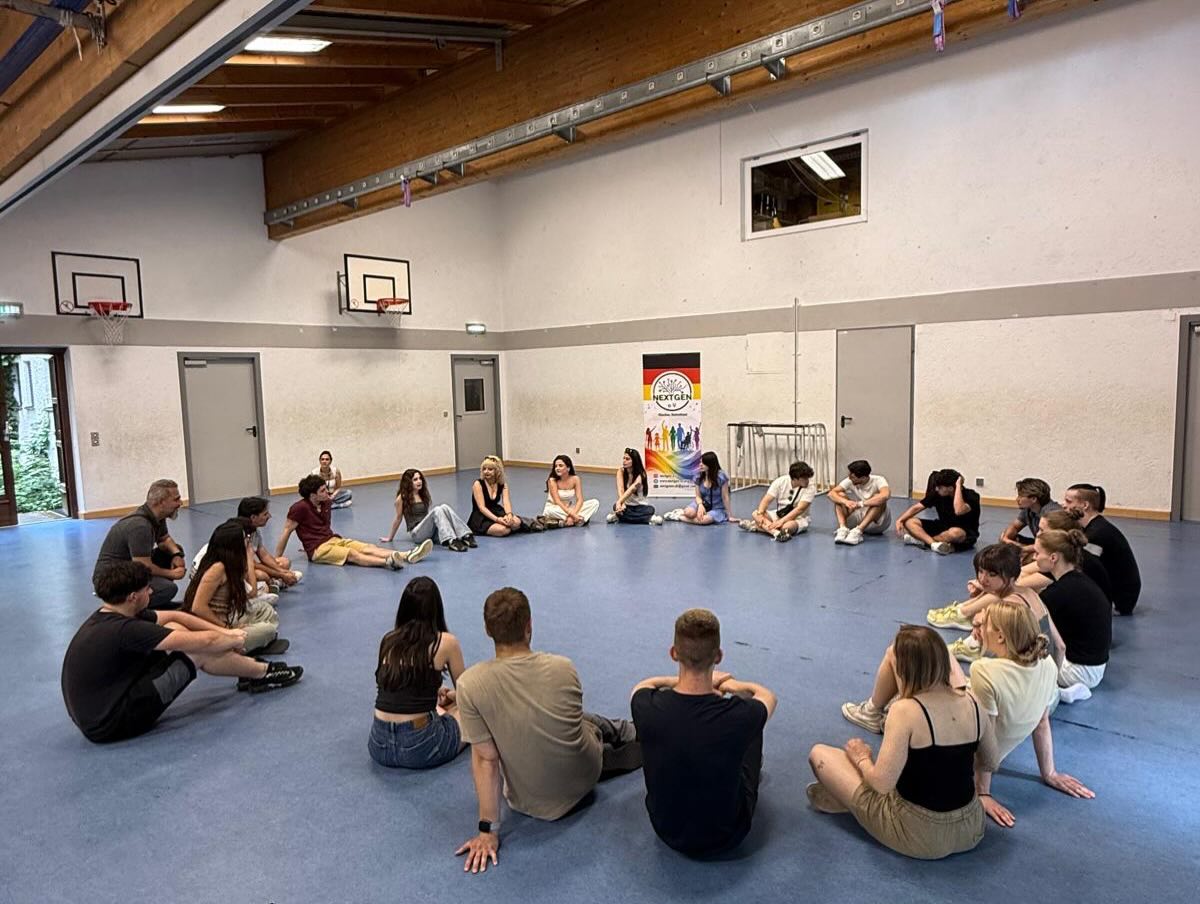
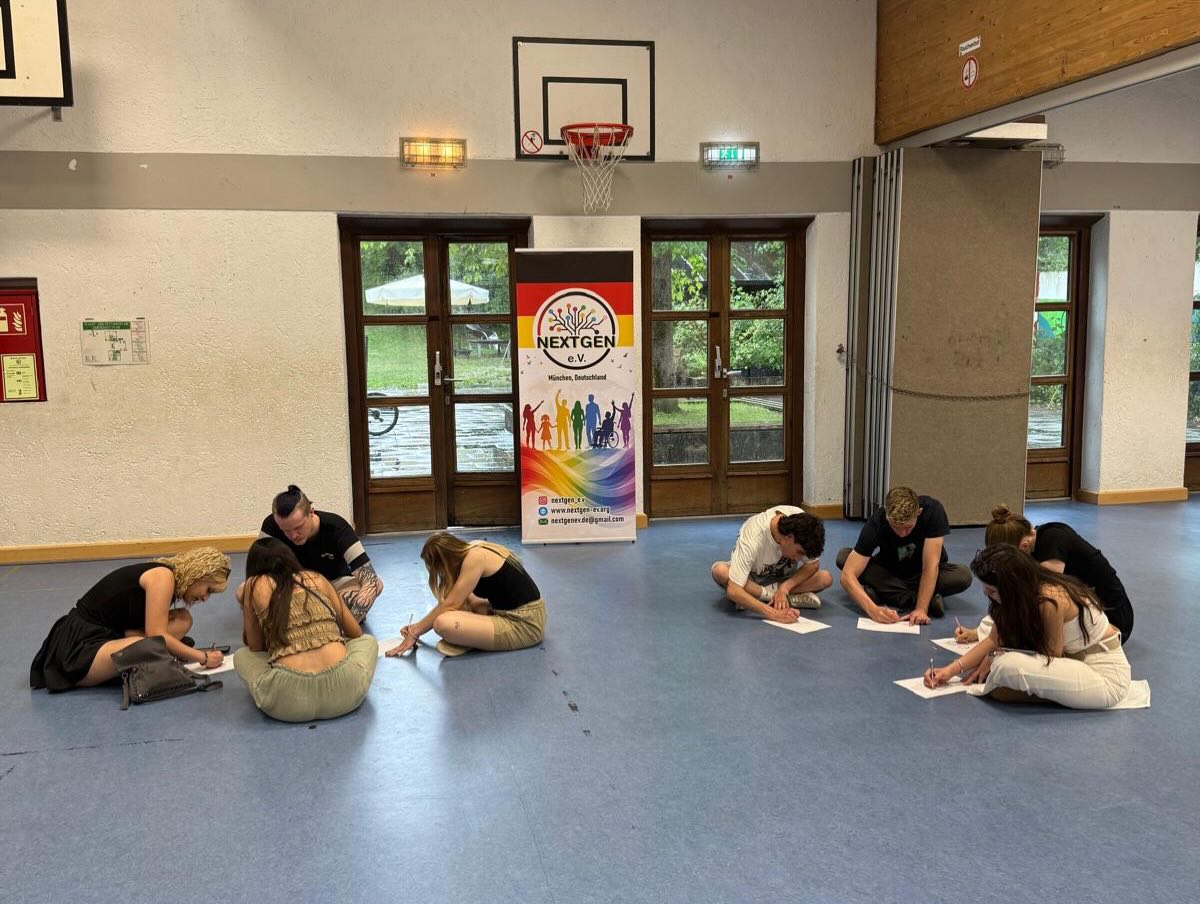
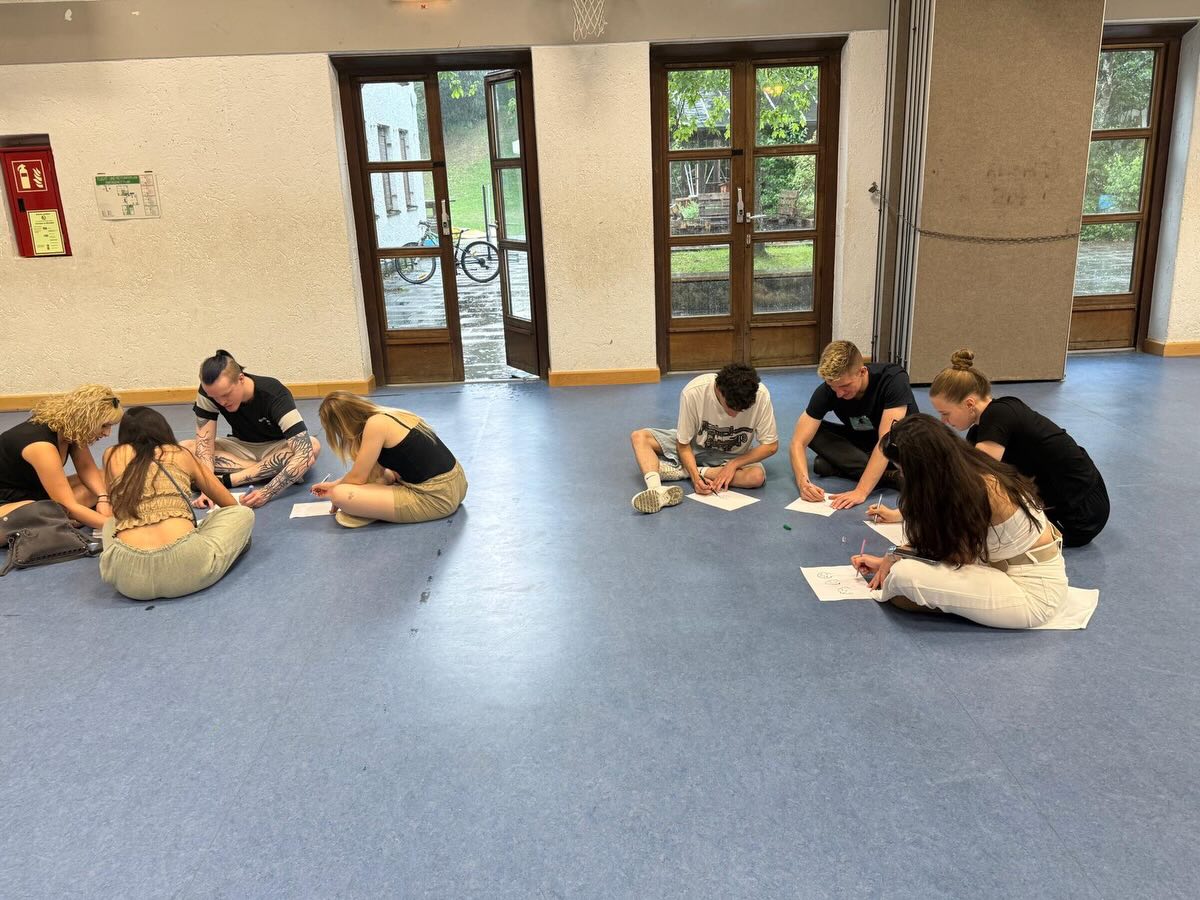
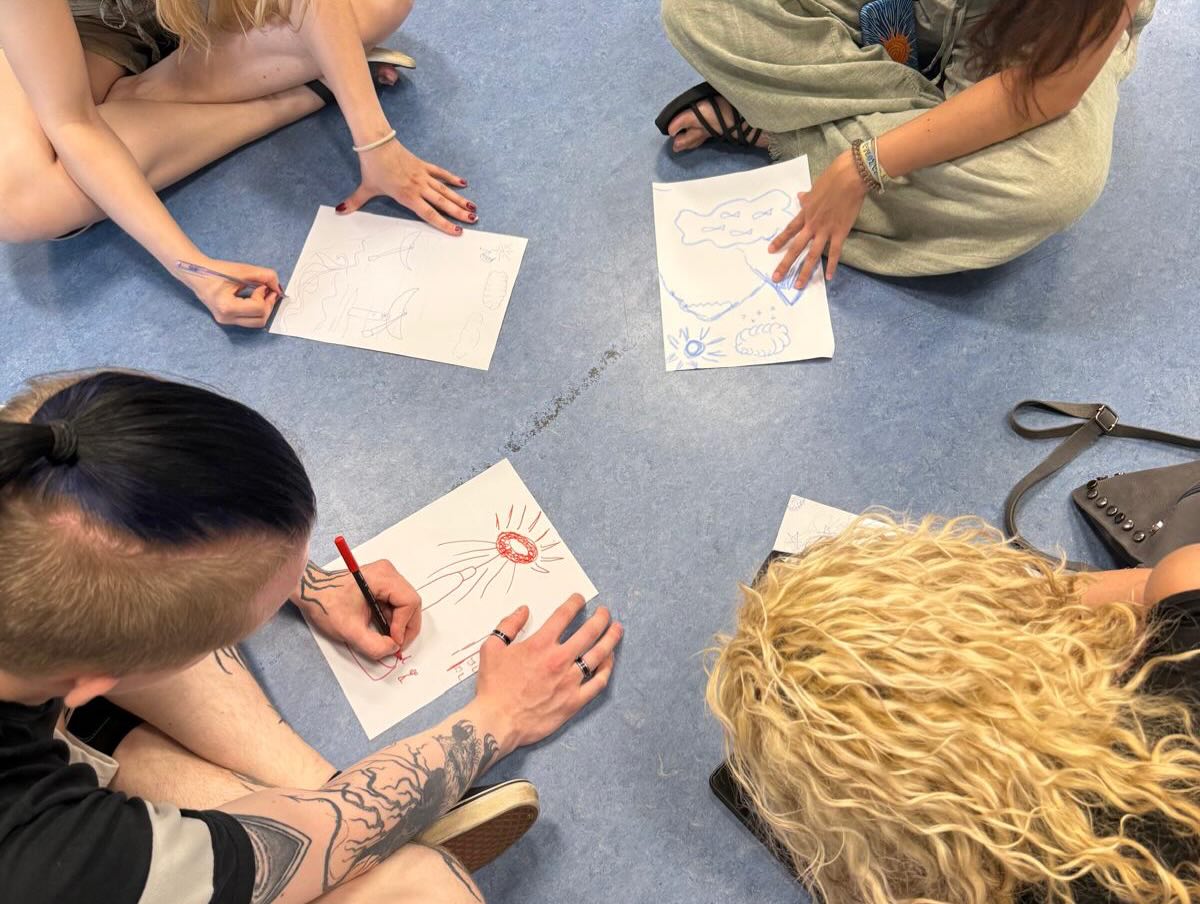
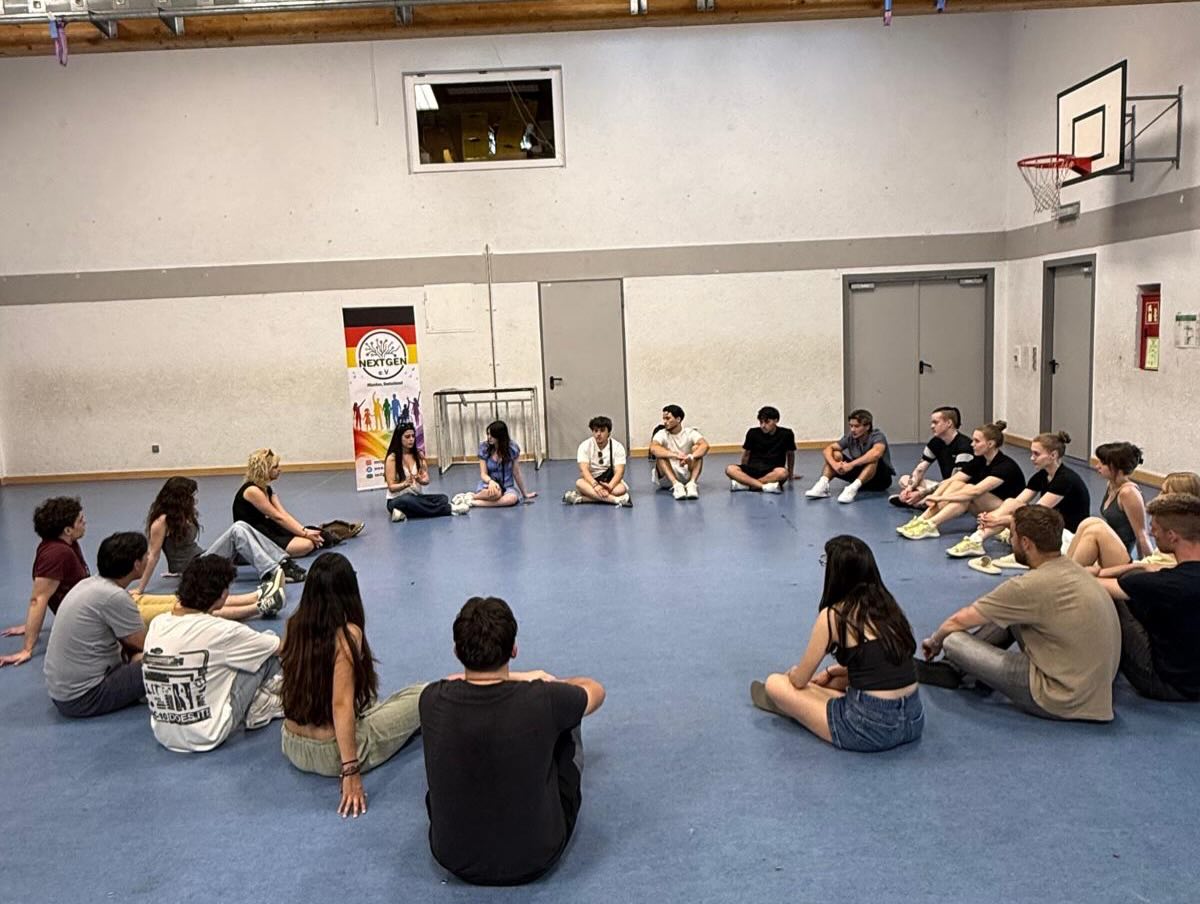
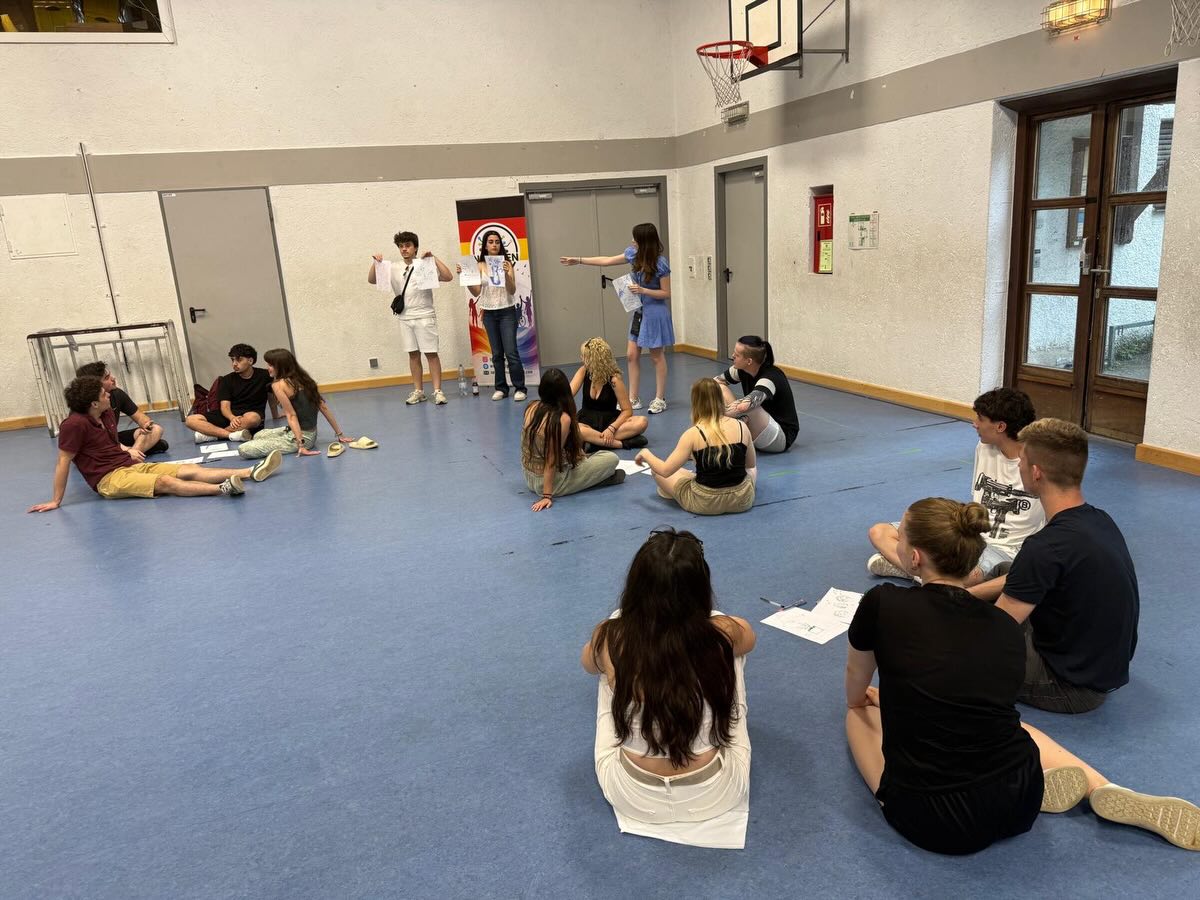
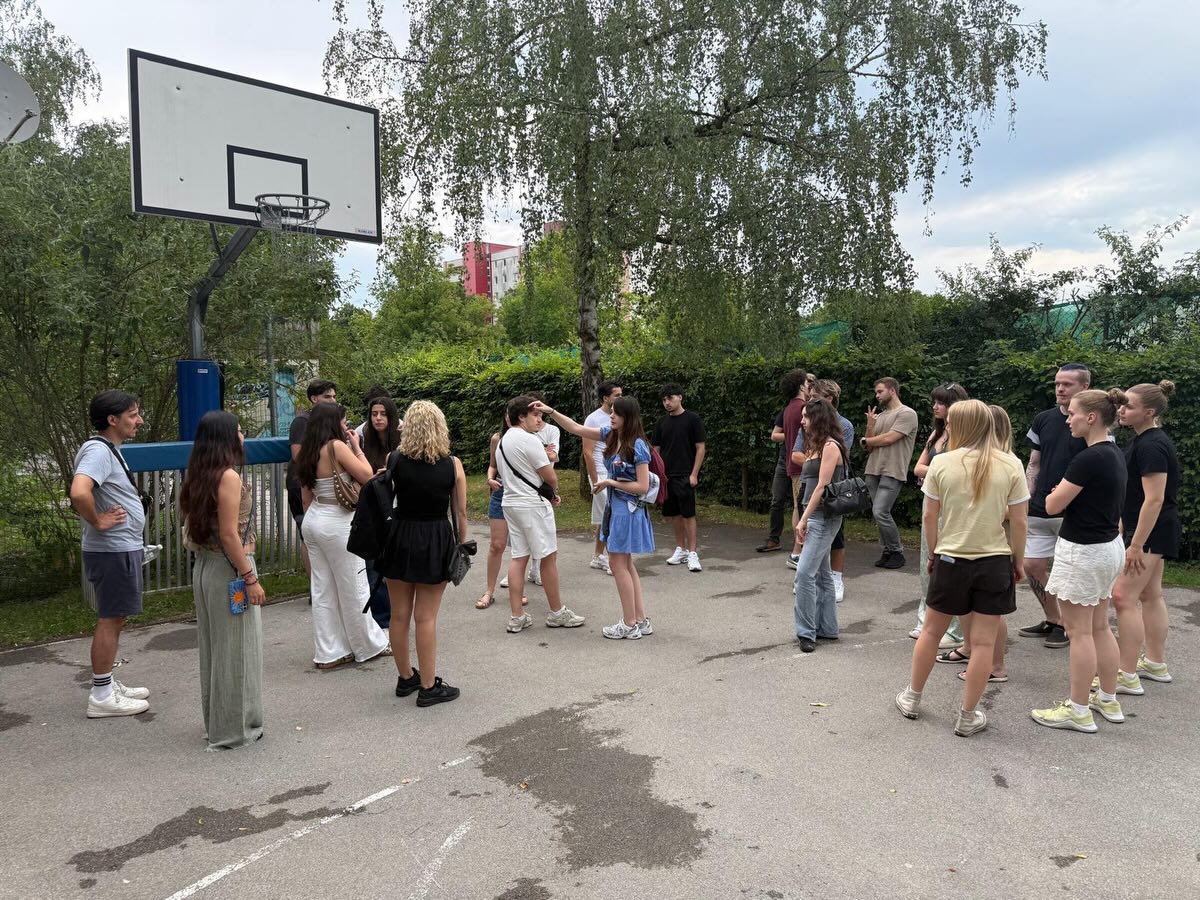
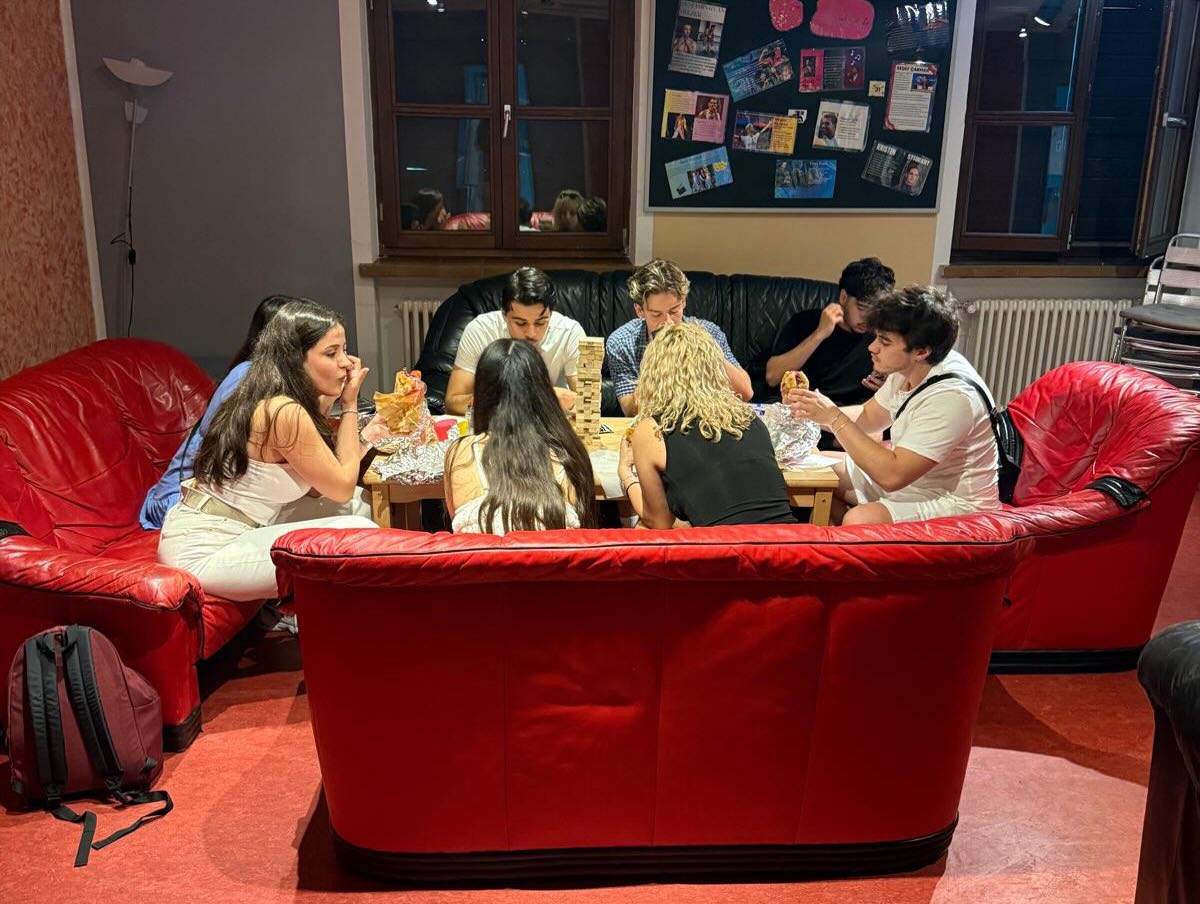
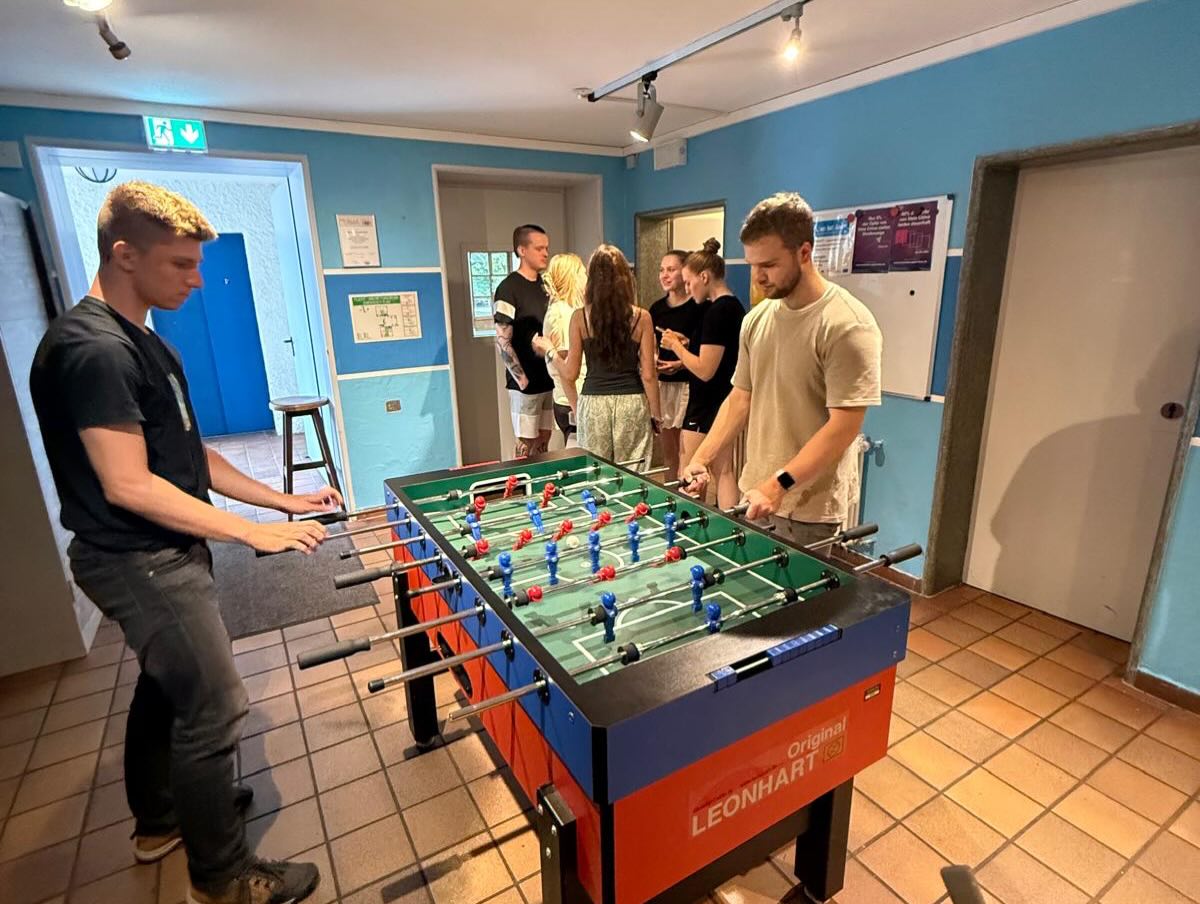
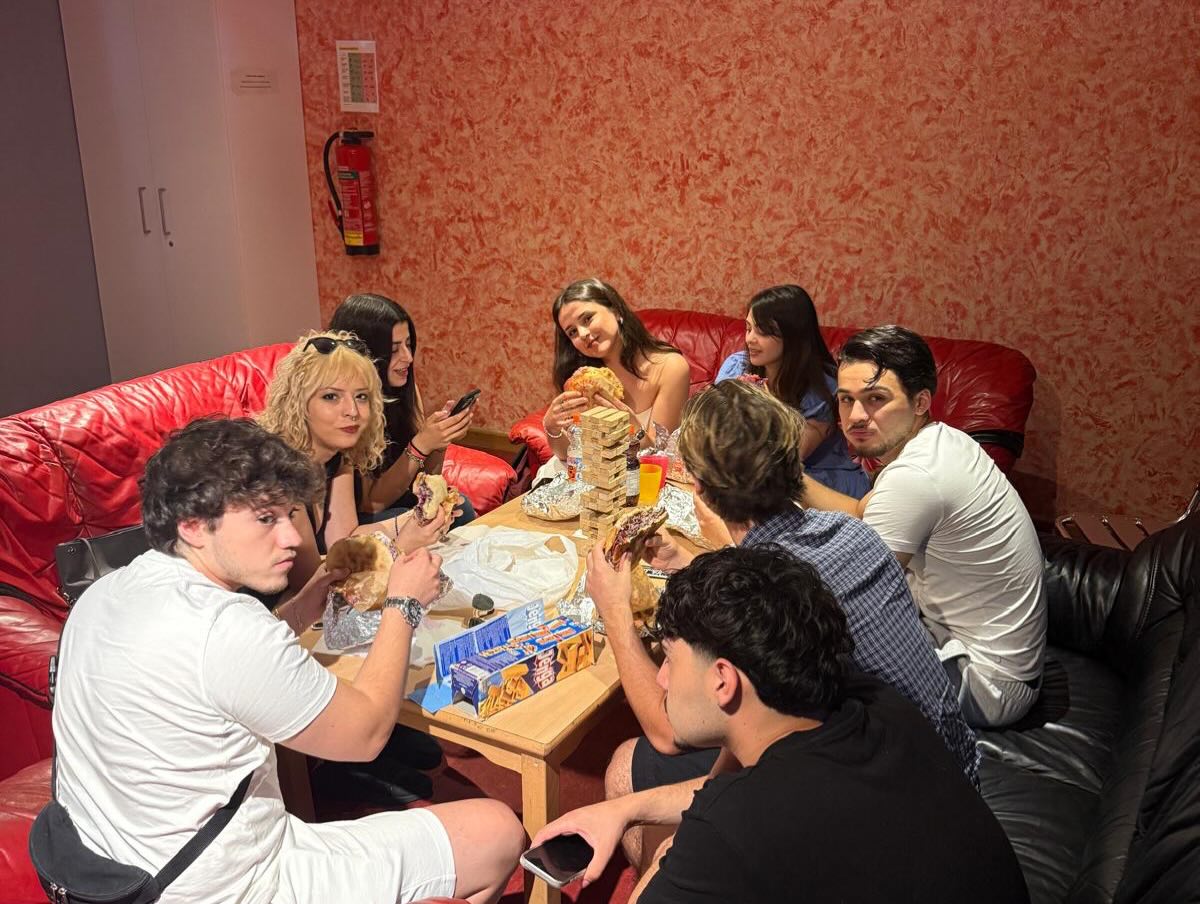
Reels load from Instagram when you play them.
Related news
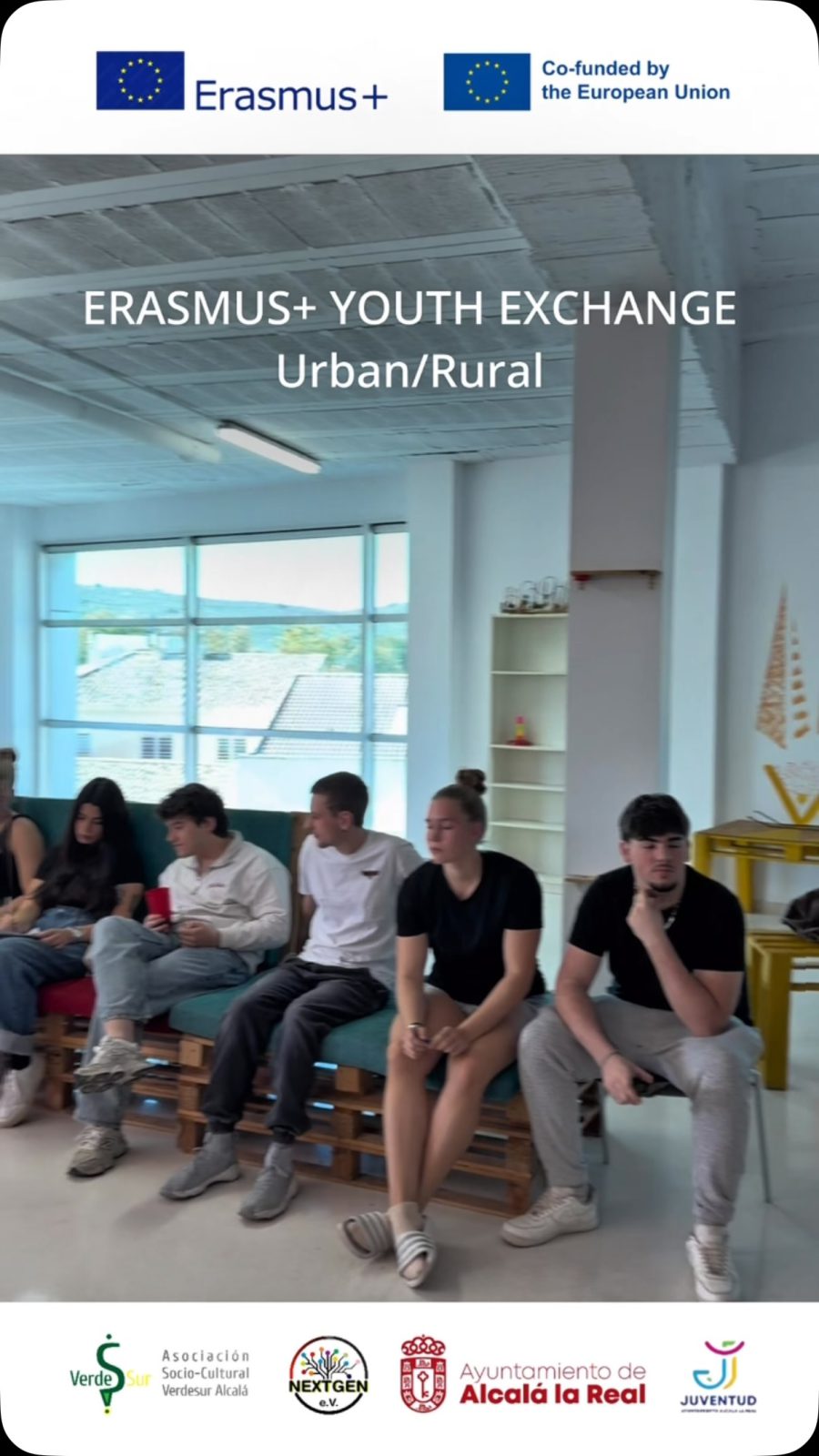
Urban-Rural Divide project continues in Alcalá la Real
After a first part in Munich, the Erasmus+ project on the urban/rural divide continues in Alcalá la Real.
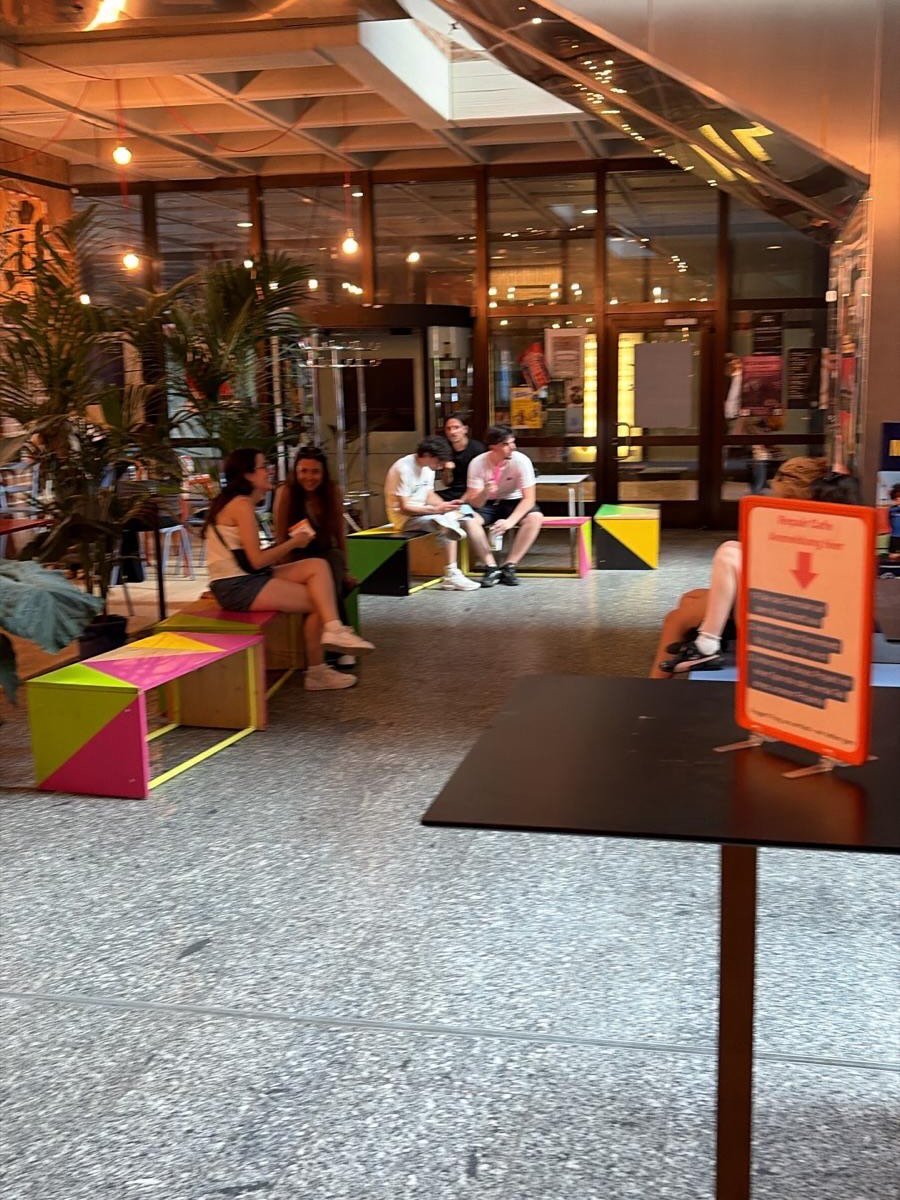
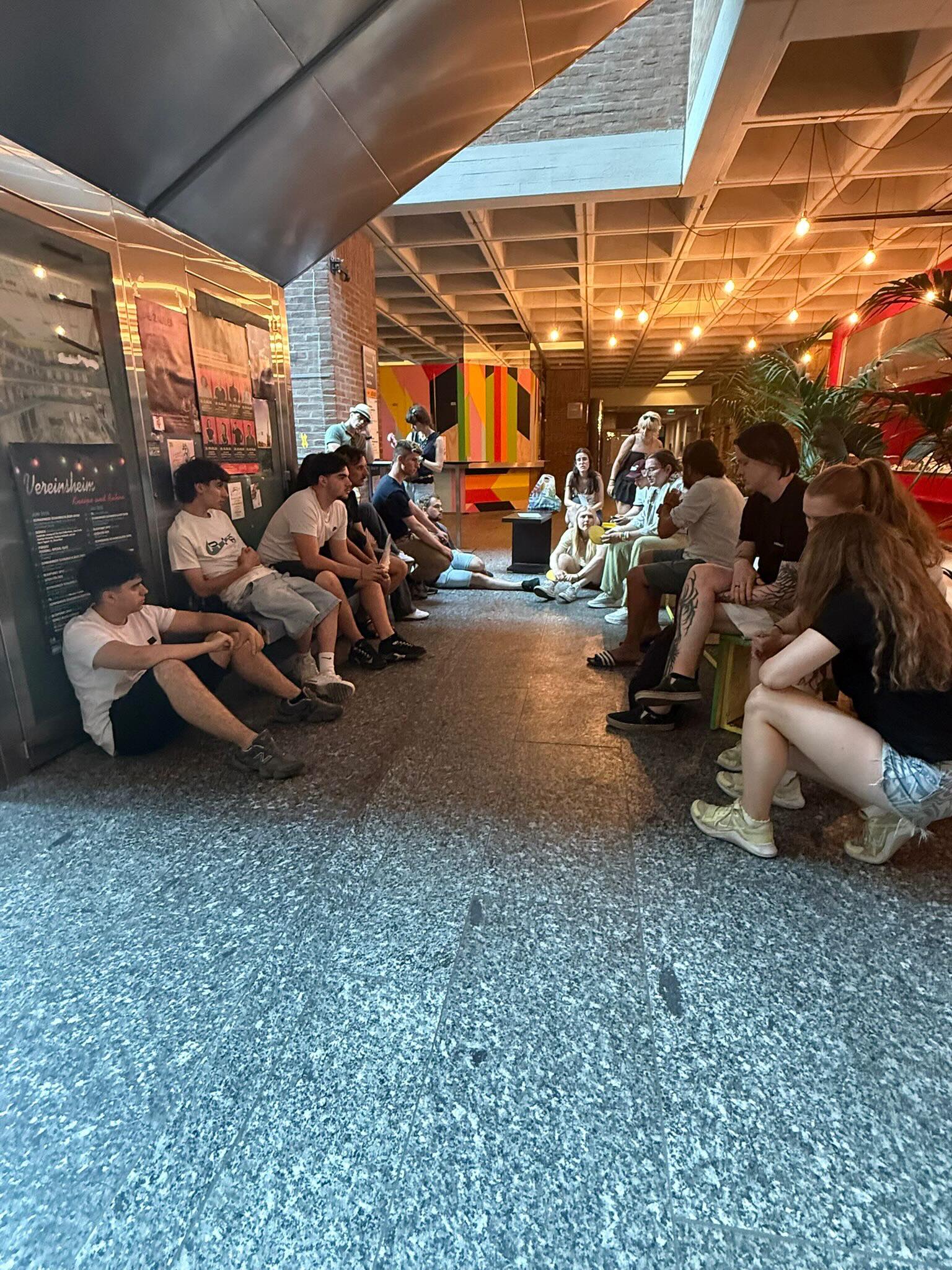
Urban-Rural Divide day 4: visit to the Gasteig Cultural Center in Munich
Youth exchange participants visited Munich's Gasteig Cultural Center to explore the role of culture in community development and inclusion.
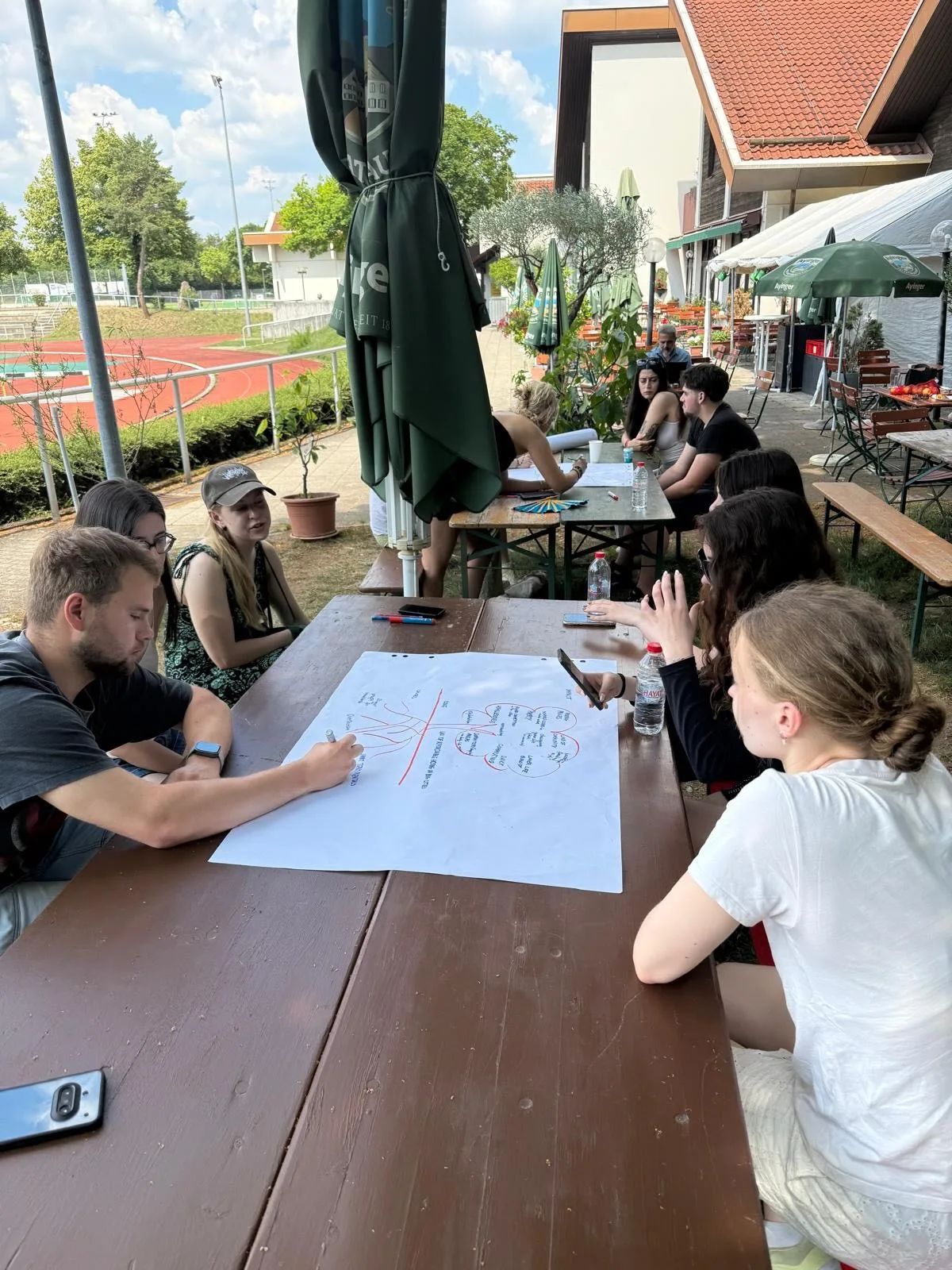
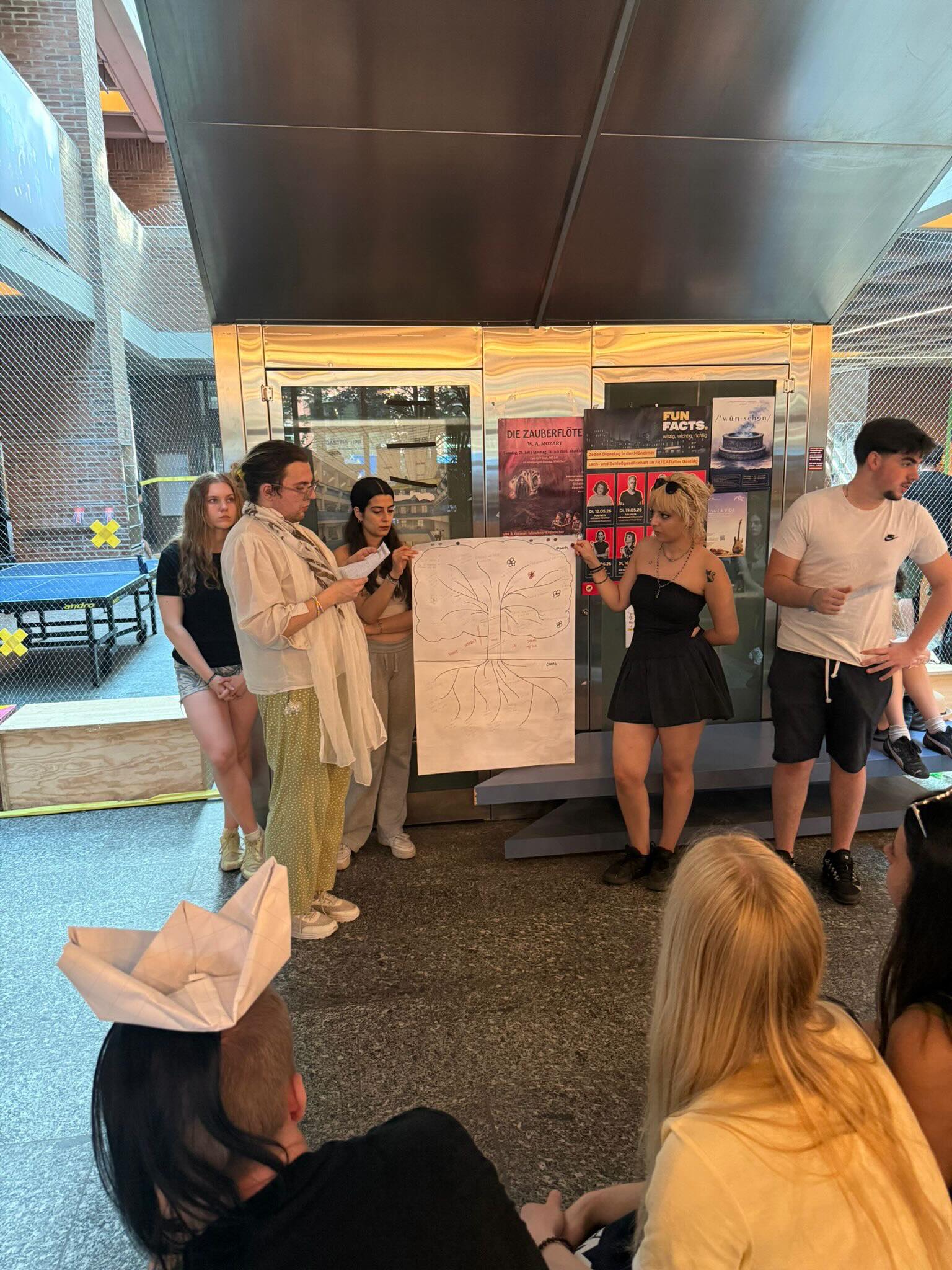
Urban-Rural Divide day 3: from ideas to action
On day 3 of the Erasmus+ youth exchange, participants assessed the needs of young people and developed projects using the Business Model Can...
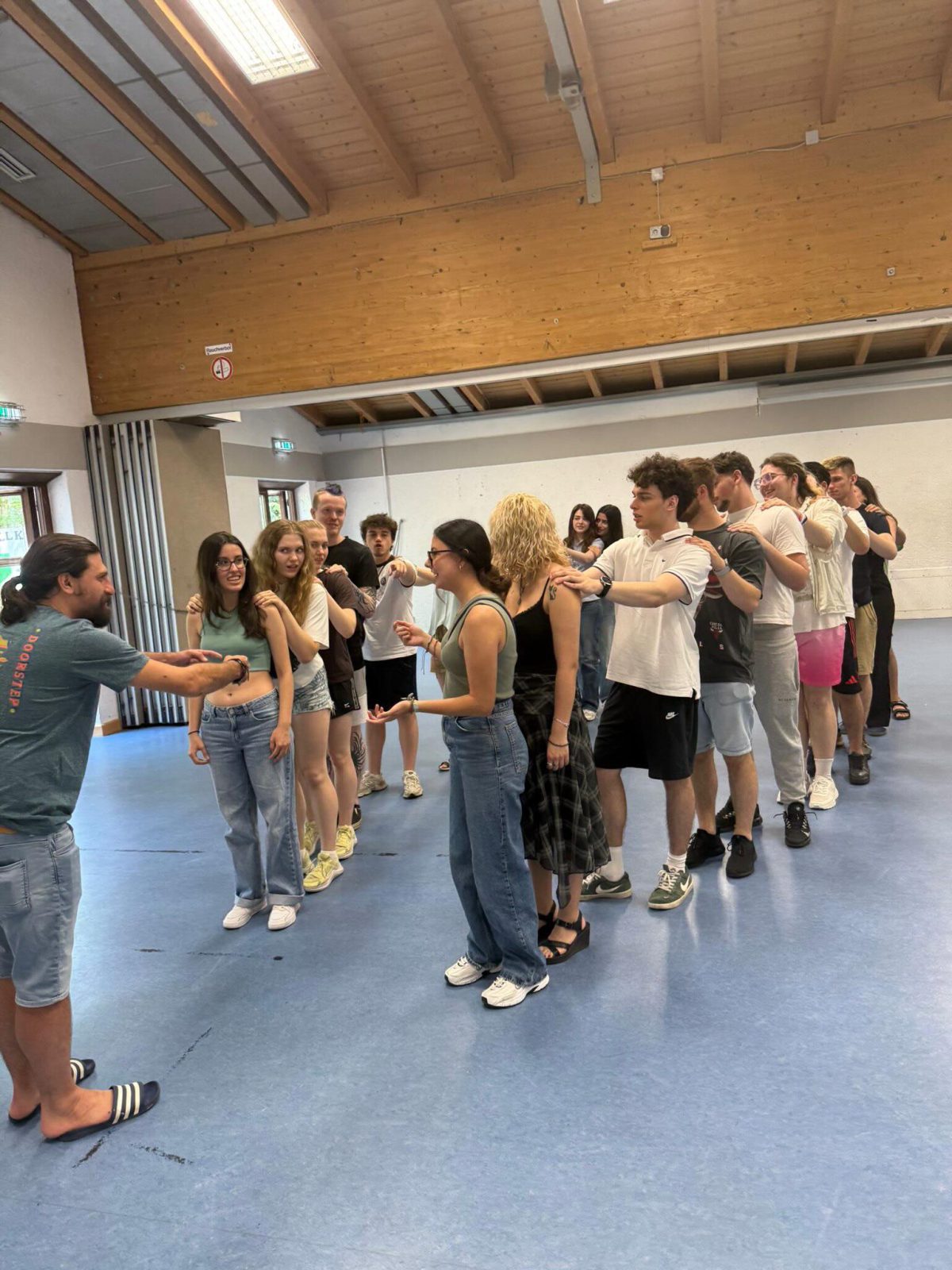
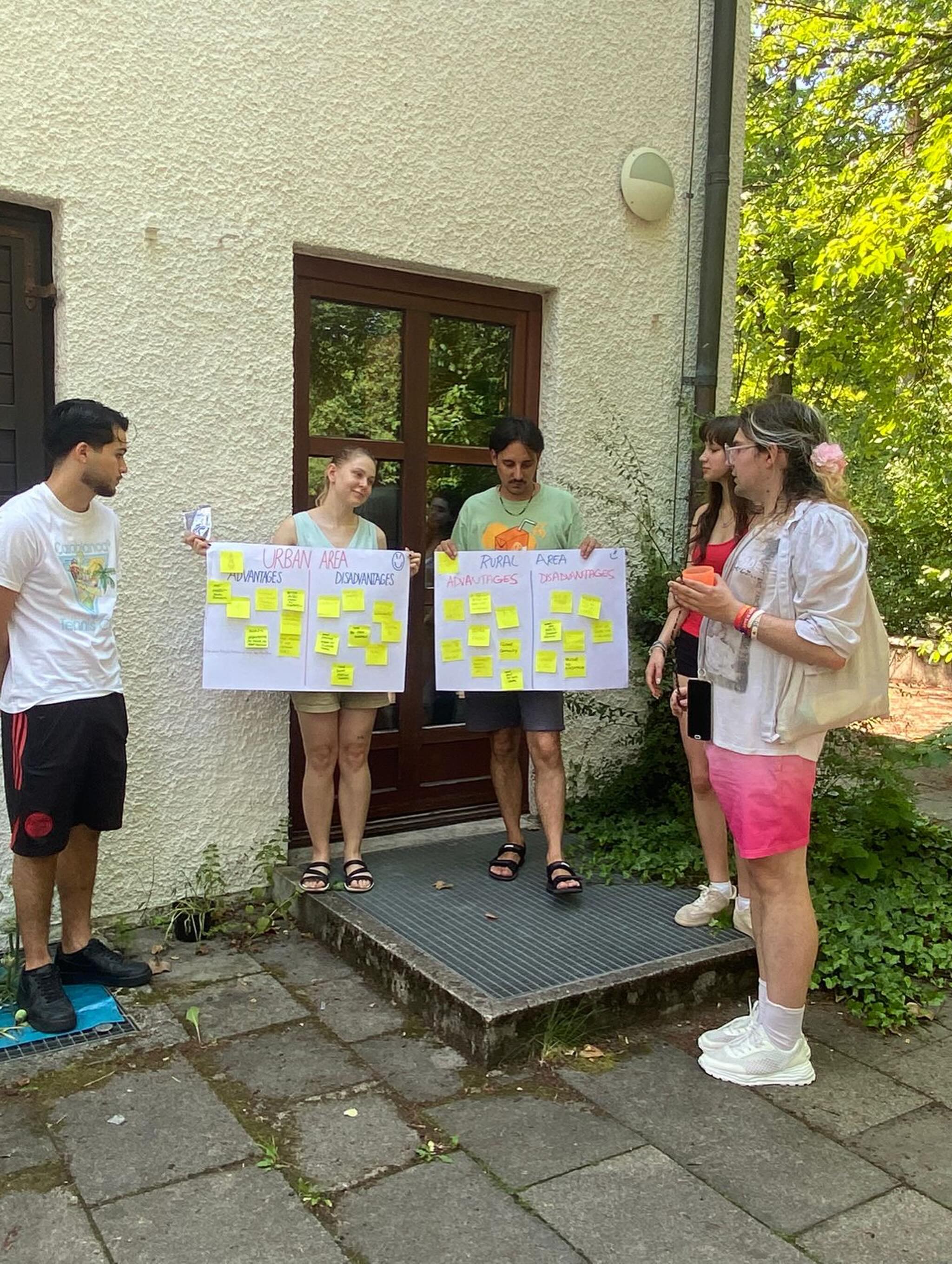
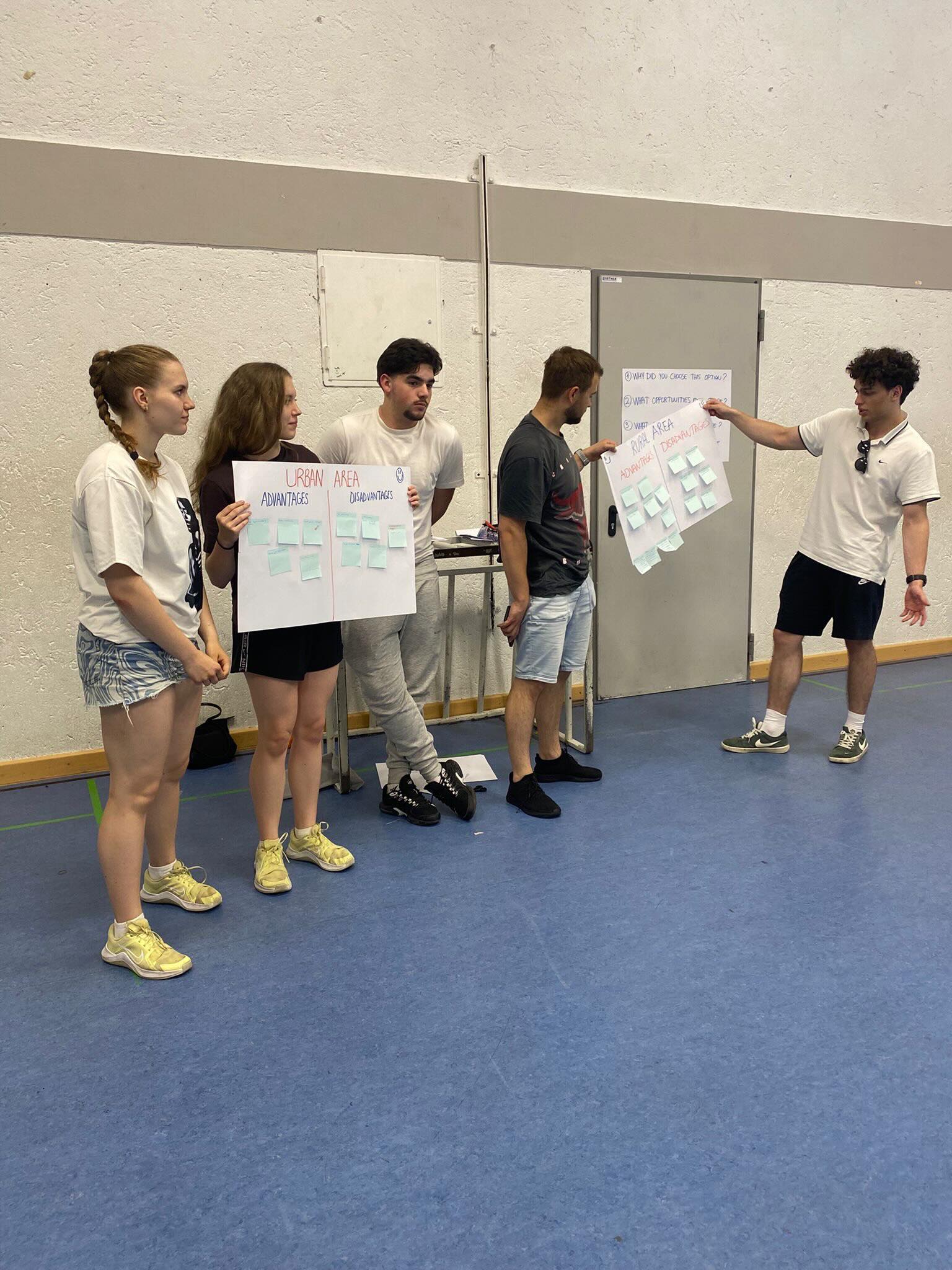
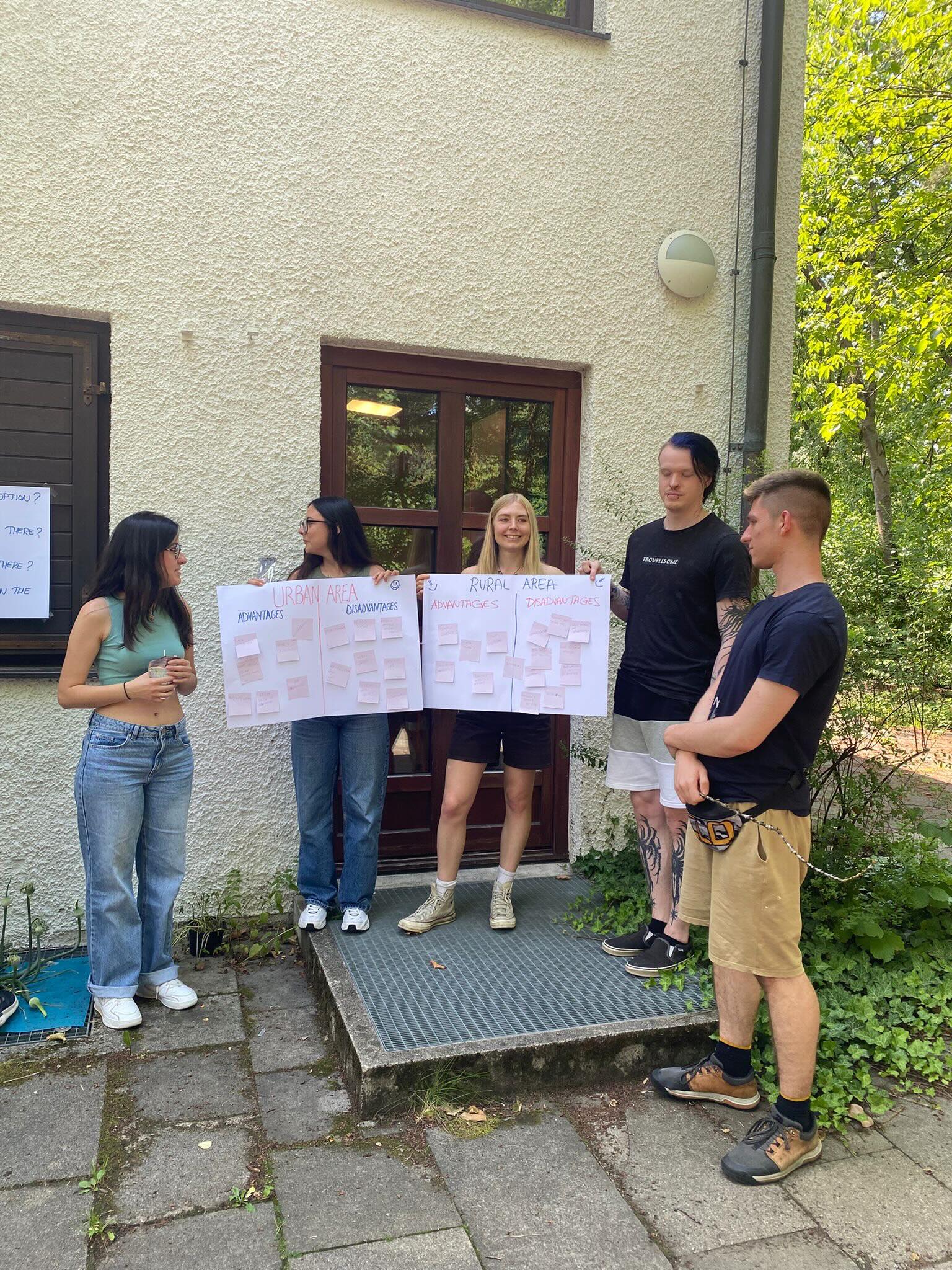
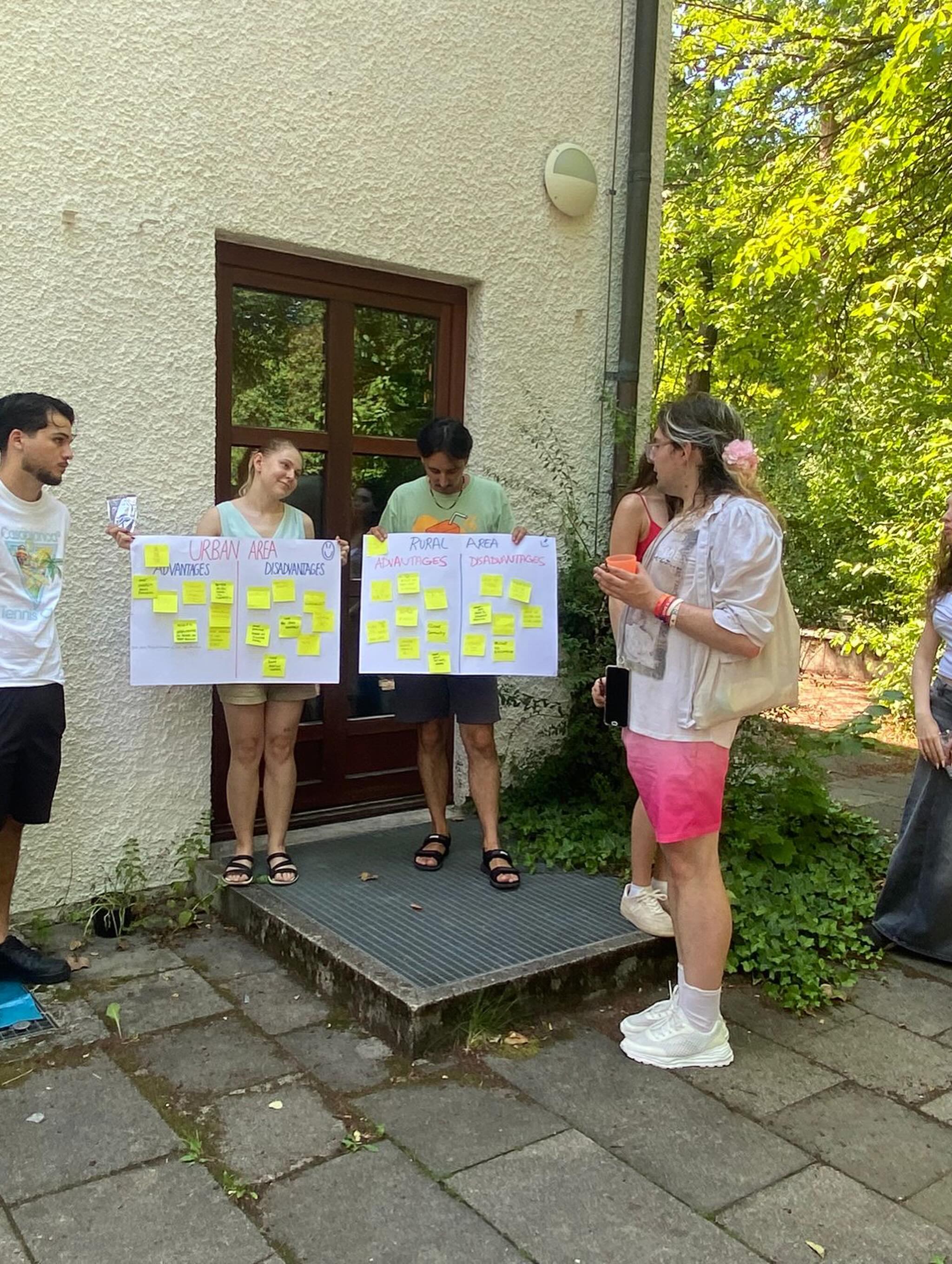
Urban-Rural Divide day 2: exploring the divide together
Images from day 2 of the Urban-Rural Divide youth exchange.
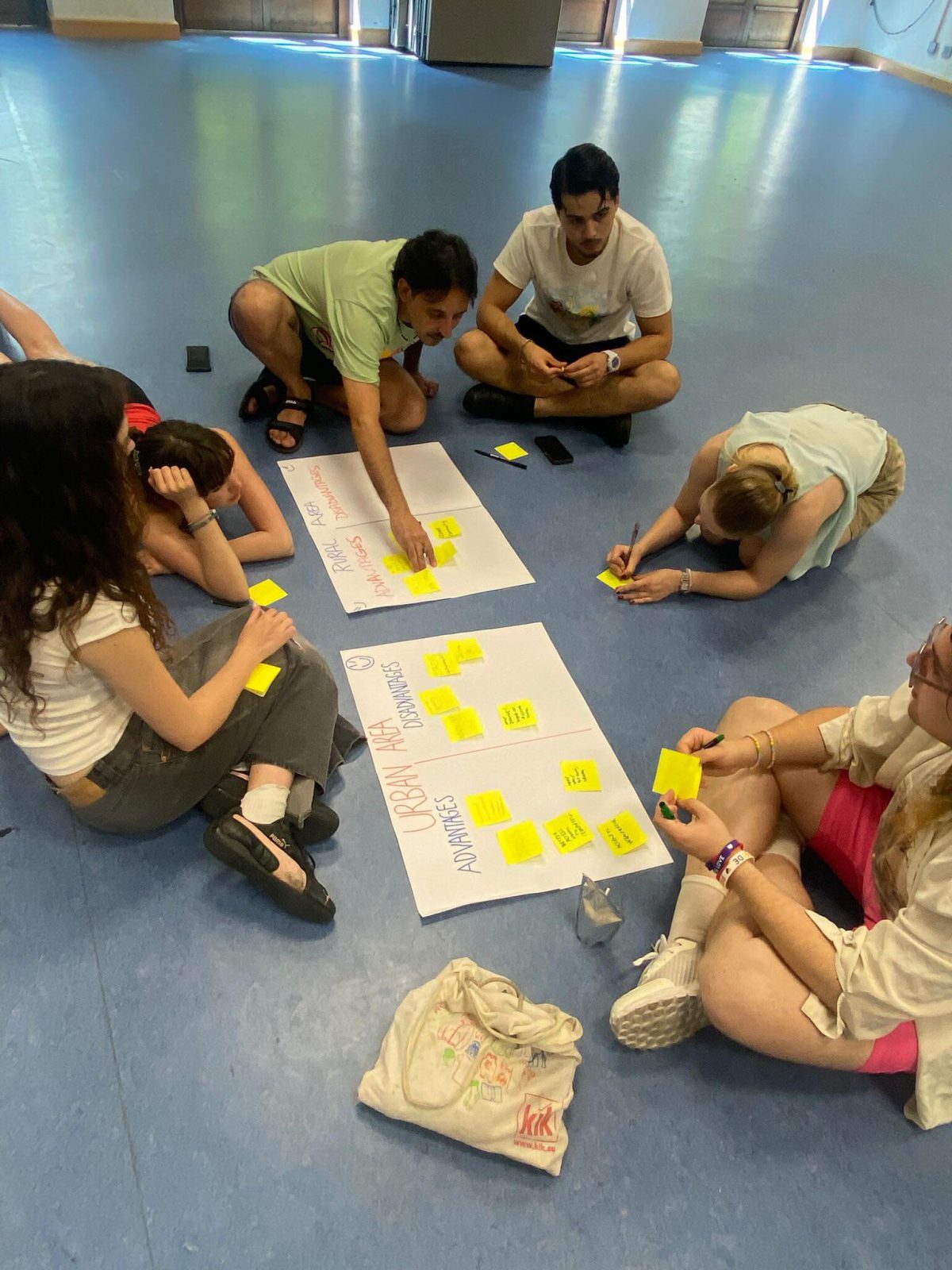
Urban-Rural Divide day 2: exploring the divide together
Day 2 introduced non-formal education and Youthpass, and participants analysed urban-rural challenges through case studies.
Urban-Rural Divide day 1: breaking the ice
Young people from Germany, Poland, Spain, Türkiye and Estonia met for the first time at the start of the Erasmus+ youth exchange.

Co-funded by the European Union. Views and opinions expressed are however those of the author(s) only and do not necessarily reflect those of the European Union or the JUGEND für Europa, German National Agency for Erasmus+ Youth and the European Solidarity Corps. Neither the European Union nor the granting authority can be held responsible for them.