Herramientas artísticas para trabajadores/as juveniles – Formación de formadores
When young people are given opportunity to experiment with a range of art forms self-esteem, together with individual and societal wellbeing, can be enhanced.
Objetivos
When young people are given opportunity to experiment with a range of art forms self-esteem, together with individual and societal wellbeing, can be enhanced. When such artistic and cultural activities take place in a community rather than a formal education setting there is very considerable potential to build local social networks. Social capital not only improves local relationships for the individual young people participating but also benefits the local area more widely. It is therefore critical that we do everything we can to unleash the full creative and artistic potential of our young people. Not surprisingly, given the centrality of self-discovery and self-expression to artistic practice, research also finds that community youth arts programs help young people develop self-confidence, self-efficacy, and self-awareness ; and the ability to self-regulate and express emotions. Therefore, there is a need to qualify the youth workers to increase the young people's skills through the art and promote their well-being while making them more included and welcomed in the community.
Communities with under-served and at-risk youth will very often have the least resources to provide quality art programmes, yet studies show that these youth are the most likely to benefit from exposure to the arts. A 2012 study, ‘The Arts and Achievement in At-Risk Youth: Findings from Four Longitudinal Studies’, shows that teenagers and young adults of low socio-economic status, who are involved in youth arts activities, are more civically engaged, have better academic results, higher career goals, and better work opportunities.Therefore, making the art a reality of every youth and boost their creativity will increase their participation and involvement to the society.
This project benefited from the outputs of our two projects : ARTivistic : Artistic Approaches to Solidarity, Inclusion and Creativity in Europe that we have finalised in 2022 and Inclusive Photography for Youth – Tools for Youth Workers to Engage Young People with Photography that we have started to run this year. In addition to that "El Acto Creativo" and "Dibujando Realidades" Local Solidarity Projects have been the main starting point of this training course to increase the capacities of the organisations about the usage of art which we have the expertise on. During these projects, we have created handbooks and tools that can benefit the youth workers to create art activities for the young people in their own communities.
There have been several studies that boosting creativity increases the active citizenship and inclusion of the young people who are at risk of marginalisation. However, the NGOs working in the field of youth have less skills or do not have any tools to promote the artistic approaches within their work. Therefore, the project increased the capacities of youth organisations while involving both art and youth organisations to its process. In addition to that, Artistic approaches gave opportunity to young people to claim their spaces and increases their participation to social life through the usage of artistic tools from theatre to plastic arts, from photography to videography. Due to our previous experiences with this approaches, we have built this training course to promote the artistic approaches in youth field to deal with the inclusion,active citizenship and social peace aspects. Therefore, the project was highly related as well with the European Youth Goals concerning the Goal "Space and Participation for All" by providing a safe space to boost the creativity of young people in their own communities.
During the project, participants gained a knowledge about the following aspects during this training course :
• A brief introduction of usage of artistic tools in youth work
• Understanding Art in Youth Work practice
• Creating Art-based educational programs
• Usage of Photography and Art Tools for Inclusion and Promoting Participation of Young People
The objectives of the project were;
-To create awareness on the usage of artistic tools for increasing the participation and involvement of young people to community
-To qualify the youth workers on how to develop art-based youth empowerment programs
-To increase the attractiveness of the participating organisations by making them able to offer art-based social programmes for the individuals
-To develop partnerships in the field of youth work
Actividades
The project activity took place between 31st May - 7th of June 2024 ( 6 full-working days - 2 travel days ) in Alcala la Real,Spain with the participating organisations from Spain, Türkiye, Germany Croatia,Estonia,The Republic of North Macedonia,Hungary,Slovenia,France,Portugal with 24 participants. The project activity is consisted of 8 day programme ( arrival and departure included ),it was consisted of preparation activities ( virtual component ) and follow-up activities which are explained detailed under project design. Though overall the activity plan is indicated below each segment of the project activities.
A1. Online Preparation Module ( April 2024- May 2024 )
Participants participated on e-learning program focused on art tools, the implementation of educational programs focusing on artistic approaches and theory of educational programme development prior to the training activity.
A2. Study with the Target groups ( April - May 2024 ) :
During the second week of virtual module, the participants implemented a small research study with their beneficiaries to understand their interests and needs on art-based educational programs. During this process, we provided participants with a guideline of the research study and made them aware about the local reality of their own communities before creating an educational programme.
Step 3 - Training of Trainers on ARTistic Tools for Youth Workers ( June 2024 ) :
The planned course on ARTistic Tools will be conducted and the themes of the training course will be : artistic approaches to youth work, development of educational methods and programmes, how to incorporate art in non-formal education practices, examples from inclusive photography and building peace through film making and theatre and Erasmus+ and Solidarity Corps Program.
Day Programme of Training Course and Themes of the Days:
1st Day : Arrivals, Welcome Evening
2nd Day : Getting to Know Each Other, Ice Breakers & Trust Building, Non-Formal Education and Youth Pass, Artistic Tools: What they are?, Evaluation of the Day
3rd Day : Examples from the Field -1 ( Photography - Videography ) , Examples from the Field -2 ( Theatre, Dance and Music ), Intercultural Night
4th day : Best Practices on Artistic Tools Usage in Youth Work : Examples from the World, Facilitation Skills for Art and Usage of Art-Based Methodologies, Method Development
5th Day : Practice Lab for Participants using their own methodologies
6th Day : Educational Programme Development & Cultural Visits and Visits to Local NGOs
7th Day : Erasmus+ Programme , Follow - up Actions, General Evaluation , Farewell Party
8th Day : Departures
Step 4 – Follow-Up Activities (August 2024 - October 2024)
After the training course was implemented, the participants implemented workshops in their own countries according to the educational plan that they have developed during the implementation of the project.
Participant Profile :
-18-50 years old
-Involved in the organisation as youth trainer, youth worker or project coordinator
-Previously provided activities for the young people in non-formal education context based on youth empowerment or art
-Motivation to partake in learning process and like to provide his/her unique experiences during the implementation of the training course
-Has interest to increase his/her capacity to develop new art-based educational programs
-Has sufficient level of English ( B1 – C1 ) to involve to the discussions and co-develop activities with the other participants
-Have lack of capacity on art-based educational programs or youth empowerment through art
Impacto
The directly focused on the capacity building of the youth workers in relation with art-based educational programs and artistic tools for promoting the social peace, human rights issues and the inclusion. Therefore, the project partners participants' gained knowledge, skills and attitudes therefore they became able to provide art-based activities more efficient with their target groups and following the skills of youth workers we expect to develop such as :
a) Competences to develop new activities for their target groups regarding to their needs : The participants implemented a small research within their youth group focusing on 50 people prior to the training activity during the virtual module and involve the online learning activity. That enabled them to understand the needs of their beneficiaries and their needs and interests specifically focusing on the usage of artistic tools. As a result of this survey work that they did within the project, they became able to understand the needs and provided activities accordingly to the needs of the own societies and it increased the efficiency of their programs based on artistic approaches that they provide for the young people in the society.
b) Positive attitude to vary the activities of their NGOs : The participants became aware about the different target groups due to heterogenity of the partner organisations involved in the project as the each partner organisations work with young people but in different sub-groups such as refugees, minorities, rome people and etc. Therefore the participating organizations used the training course as an exchange of practices targeting the youth empowerment and that increased the attitude to implement new actions within their organizations for different target groups rather than the target groups that used to work.
c) Ability to develop art-based educational programmes for their NGOs : All participants worked on the art-based educational programmes of their NGOs within their peers and involving the young people with fewer opportunities helped them to develop create more coherent and inclusive approach to implement these activities. During the training activity, the youth workers gained skills on implementing activities focused on different practices of art and using these activities to promote social peace, human rights and inclusion. The approaches that they learnt are :
- A brief introduction of usage of artistic tools in youth work
- Understanding Art in Youth Work practice ( Photography, Theatre, Plastic Arts and Videography )
- Creating Art-based educational programs
- Usage of Art Tools for Inclusion and Promoting Social Peace and Participation of Young People
These tools increased the capacity of the organizations and made them realize the necessity of the art-based programs within their organisations and diversify their activities by using the artistic approaches. Therefore, the project activities were directly working on service provision aspect of youth NGOs in specific the development and implementation of educational programmes.
Therefore, those tools were used in their daily work and the educational practices of the youth organisations and it made them realise the need behind the implementation of creative programs as they are more powerful to engage the young people to the activities due to their fun and playful nature. They became more willing to use these tools and willing to multiply the usage of those tools in their organizations. Therefore, the activities that they implemented directly created an impact on the work that they do with the young people in their areas.
d) Enlarged network of the youth workers from different countries: As a result of the project, new international partnerships were developed and they learnt from the practices of the other organizations working in the field of youth and developed a tendency to develop new projects concerning the art-based programs.
e)Implementing activities for young people with fewer opportunities : The participating organisations had capacity and tools to implement educational activities with young people with fewer opportunities in all phases of the project specifically after the mobility activity which lasted after the project lifetime.
Socios
- 🇪🇸Asociación Socio-Cultural VerdeSur Alcalá
España - 🇵🇹ARTE M ASSOCIACAO CULTURAL E ARTISTICA NA MADEIRA
Portugal - 🇹🇷GAZIANTEP EGITIM VE GENCLIK DERNEGI
Turquía - 🇩🇪planIMPACT - Verein für Menschenrechte, Frieden und Entwicklung e.V
Alemania - 🇭🇷The Rijeka Youth Theatre
Croatia - 🇪🇪SEIKLEJATE VENNASKOND
Estonia - 🇲🇰CENTER FOR INTERCULTURAL DIALOGUE ASSOCIATION
North Macedonia - 🇭🇺Hidak Ifjúsági Alapítvány
Hungría - 🇸🇮ZNANSTVENO-RAZISKOVALNO ZDRUZENJE ZA UMETNOST, KULTURNE IN IZOBRAZEVALNE PROGRAME IN TEHNOLOGIJO EPEKA, SOCIALNO PODJETJE
Slovenia - 🇫🇷Association de Développement Rural International du Bas-Ségala
France
De Instagram
Los Reels se cargan desde Instagram al reproducirlos.
Noticias relacionadas
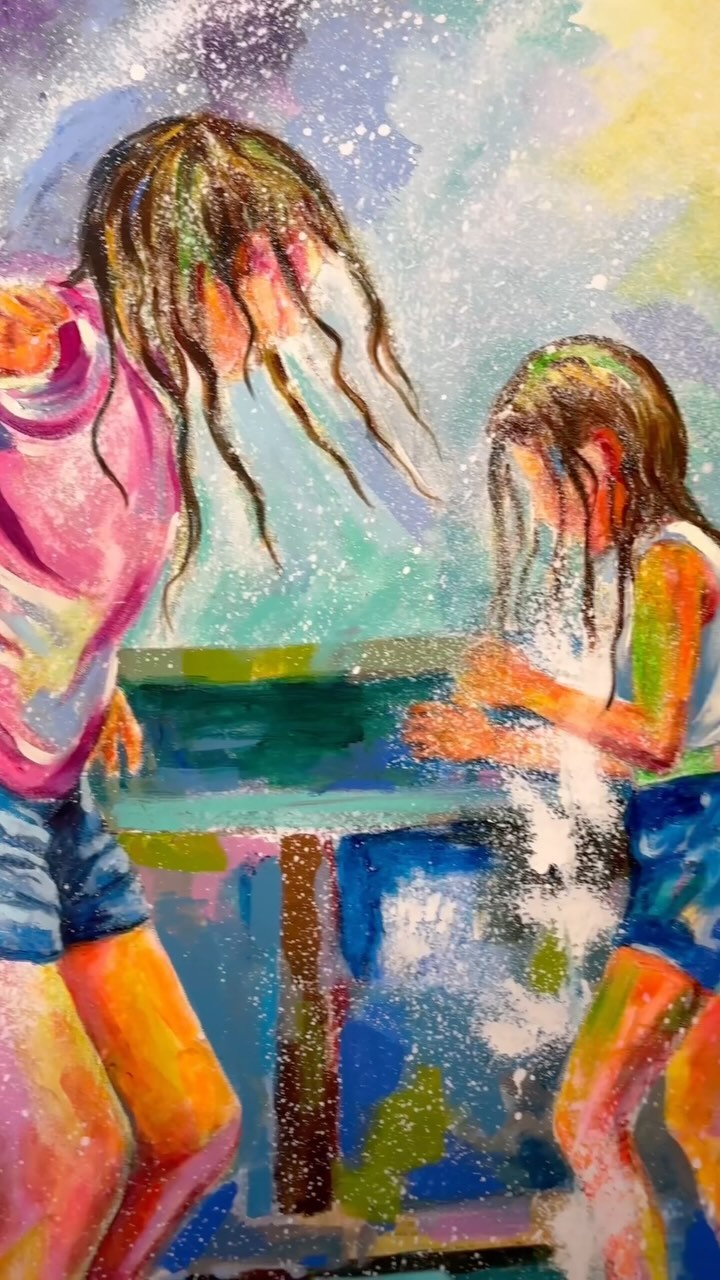
Art exhibition at the Artistic Tools for Youth Workers training
An art exhibition held on 04/06/2024 during the Artistic Tools for Youth Workers training of trainers.
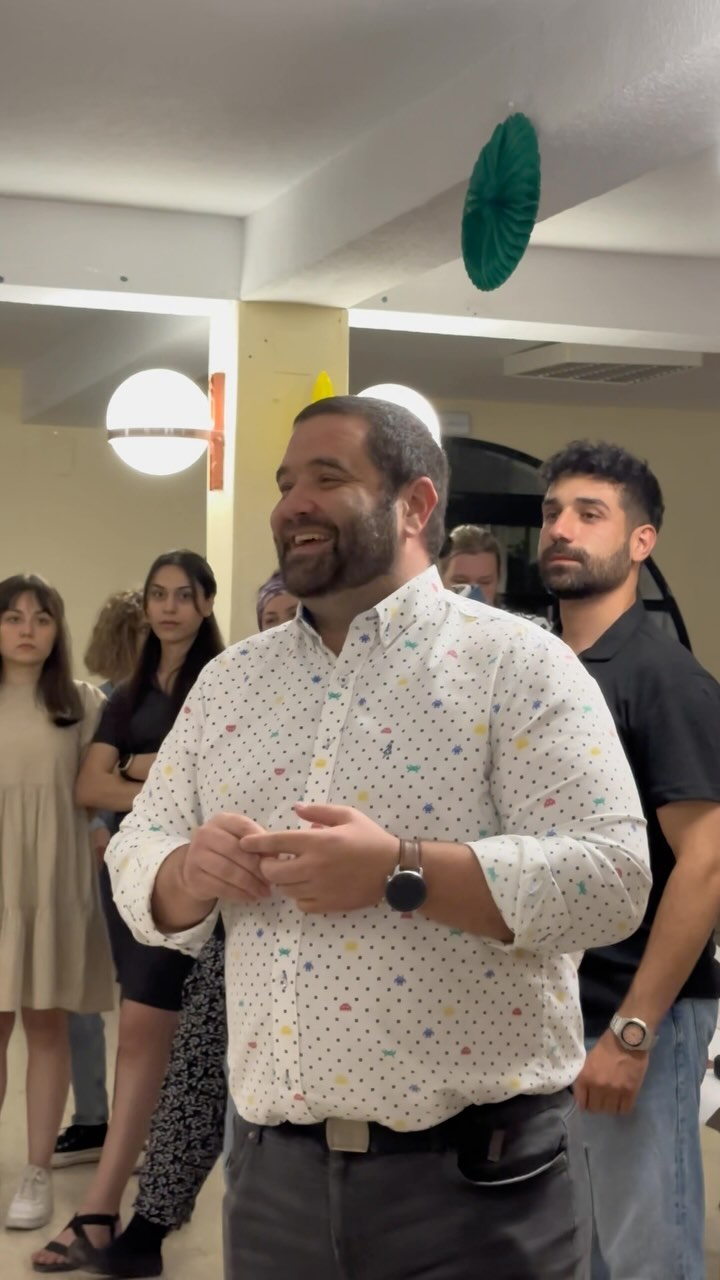
Intercultural night at the Artistic Tools for Youth Workers training
Highlights from the intercultural night of the Artistic Tools for Youth Workers training of trainers.
Cofinanciado por la Unión Europea. Las opiniones y puntos de vista expresados solo comprometen a su(s) autor(es) y no reflejan necesariamente los de la Unión Europea ni los de la Agencia Nacional Española para Erasmus+ Juventud y el Cuerpo Europeo de Solidaridad (INJUVE). Ni la Unión Europea ni la autoridad concedente pueden ser consideradas responsables de ellos.