Ecoemprendimiento para el desarrollo rural
Eco-Entrepreneurship for Rural Development aims to strengthen the capacities of youth workers in rural Europe to better address the economic, social, and ecological challenges faced by young people.
Objetivos
Eco-Entrepreneurship for Rural Development aims to strengthen the capacities of youth workers in rural Europe to better address the economic, social, and ecological challenges faced by young people. Rural youth across the continent encounter structural disadvantages compared to their urban peers, including fewer job opportunities, weaker infrastructure, and limited exposure to innovation or mobility. These barriers translate into higher unemployment, precarious jobs, and increased outmigration. Youth workers are often the first point of contact for young people in these regions, yet they lack specific competences and resources to connect ecological sustainability with entrepreneurial opportunities. EcoRuralYouth provides a practical response that aligns the urgent needs of rural youth with the European Union’s strategic priorities on youth empowerment, sustainable growth, and rural revitalisation.
Across the EU, youth unemployment stands at 14.4 % compared to a general unemployment rate of 5.9 %, with rural areas particularly affected by seasonal, informal, and low-wage work that pushes young people to migrate to urban centres. Among partner countries, Spain (23.5 %) and Portugal (21.2 %) report some of the highest youth unemployment rates, while France (16.6 %), Croatia (16.8 %), and Türkiye (15.6 %) also face significant challenges, especially in rural zones suffering from depopulation, weak labour markets, and limited access to innovation. The situation is more acute in Romania, where rural youth unemployment exceeds 30 % and nearly one in five young people are NEETs, while Germany, despite its relatively low rate of 6.7 %, still struggles with rural outmigration and innovation gaps indicates that rural youth across Europe remain disproportionately disadvantaged and that eco-entrepreneurship offers a promising pathway forward.
Our project is connected fully with European priorities, responding to the EU Youth Strategy 2019–2027, which calls for young people to be engaged, connected, and empowered, while also addressing evidence that rural youth remain under-represented in EU initiatives. At the same time, the European Green Deal, the Nature Restoration Law (2024), and the Clean Industrial Deal (2025) frame sustainability, circularity, and eco-innovation as central to Europe’s growth, opening new opportunities for rural youth through green entrepreneurship. Aligned with the Long-Term Vision for Rural Areas (2021) and the EU Rural Action Plan, the project equips youth workers with the competences to translate these policies into practice, fostering eco-entrepreneurship as a driver of rural revitalisation across Europe.
Even though, the issues continue to be challenging in the participating countries; local capacity of youth workers remains insufficient to respond to the challenges rural youth face and provide them with mentoring skills to engage them in entrepreneurial activities. Youth workers often lack practical knowledge of eco-entrepreneurship, pedagogical tools to adapt complex green transition concepts to local realities, and transnational networks to exchange good practices. The needs are twofold: first, to provide youth workers with professional development that enhances their ability to guide rural youth towards sustainable livelihood opportunities; and second, to strengthen youth organisations’ capacity to integrate eco-entrepreneurship into regular youth work practice. Addressing these needs will empower youth workers to act as multipliers, fostering resilience and creativity among rural youth and reducing the gap between rural and urban Europe.
The project pursues the following objectives:
- Strengthen competences of youth workers in eco-entrepreneurship, sustainable rural development, and non-formal education methodologies
- Equip youth workers with practical tools and methods (curricula, mentoring frameworks, eco-challenge formats) tailored to rural realities and transferable across partner countries
- Foster transnational cooperation among youth organisations, universities, and local stakeholders to create supportive ecosystems for rural eco-entrepreneurship
- Support local pilot actions led by youth workers, engaging rural youth in designing and testing small-scale eco-entrepreneurial initiatives in their communities
- Embed results into long-term practice, ensuring that partner organisations integrate eco-entrepreneurship into their regular youth work and policy advocacy
- Contribute to EU strategies by linking youth work with the European Green Deal, the EU Youth Strategy, and the Long-Term Vision for Rural Areas, ensuring policy relevance and sustainability
Actividades
The project activity will take place in Alcalá la Real, Spain, from 10–17 May 2026 (6 working days + 2 travel). It will gather 16–18 youth workers from Türkiye, Spain, Portugal, Germany, France, Romania, and Croatia. Each country will send two participants, with extra places for the applicant and host to secure strong local engagement. Every group will include one young person with fewer opportunities, involved as a future peer trainer. The activity is framed as an 8-day programme with blended learning, including an online preparation and follow-up actions.
A1. Preparation Module (Jan–Mar 2026): One-day national workshops will introduce eco-entrepreneurship, motivate participants, and link them with sending organisations.
Objectives: raise visibility of eco-entrepreneurship in rural areas, prepare participants, ensure organisational involvement.
A2. Online Module (Mar–May 2026): A 4-week course via Microsoft Teams and Moodle covering rural development, eco-tourism, ecology, and entrepreneurship, with small community research tasks.
Objectives: build theoretical knowledge, bring local perspectives, ensure readiness.
A3. Training Course in Spain (10–17 May 2026): “Rural Development through Eco-Entrepreneurship” will combine workshops, case studies, fieldwork, and visits.
Programme overview:
Day 1: Arrivals, welcome.
Day 2: Team building, NFE, Youthpass, intercultural evening.
Day 3: Eco-entrepreneurship, ecology, rural youth challenges, reflection.
Day 4: Case studies, role plays, council simulation, fieldwork.
Day 5: Designing eco-initiatives with Eco-Canvas, group work, reflection.
Day 6: Study visits to cooperatives and eco-tourism projects, exchange.
Day 7: Erasmus+ resources, dissemination planning, public presentations, evaluation.
Day 8: Departures.
Working Methods: The course will mix non-formal and experiential learning. Workshops (brainstorming, discussions, simulations) will introduce concepts, while study visits and fieldwork will provide hands-on experience. Case studies and role plays will analyse challenges, and design tools (Eco-Canvas, Business Model Canvas) will support project creation. Intercultural learning will be promoted through teamwork, reflection, and cultural evenings. Peer-to-peer sharing will allow exchange of organisational practices. Digital tools (Teams, Moodle) will support preparation and follow-up. Reflection and evaluation will be integrated daily with Youthpass tools.
A4. Follow-Up (Jun–Oct 2026): Participants will implement eco-initiatives in their organisations with trainer mentoring, targeting rural youth. They will also co-create an Eco-Initiatives and Eco-Entrepreneurship Guidebook based on project outputs.
Objectives: transfer competences to organisational practice, pilot eco-programmes for rural youth, and disseminate results locally and nationally via workshops, articles, and social media.
The general profile of participants is:
- 18–60 years old, with most expected to be between 20–50 years old, reflecting the typical age of professionals and volunteers in youth work.
- Active in eco-entrepreneurship, ecology, or the youth field as NGO workers or youth workers.
- Motivated to join the training in relation to the topic.
- Interested in seeing and practising eco-entrepreneurial activities in rural Spain.
- Sufficiently proficient in English to actively participate in training and discussions.
- Willing to implement eco-entrepreneurship initiatives in their local context.
In addition, one young person with fewer opportunities from each country will be included to promote their engagement and qualify them as trainers, enabling them to be the voice of their communities. Their profile is:
- 18–30 years old.
- Belonging to one of the fewer opportunities categories (educational barriers, cultural differences, geographical obstacles, social or economic barriers, or discrimination).
- Willing to mobilise their peers upon return and take initiatives in ecology and eco-entrepreneurship.
The inclusion of young people with fewer opportunities is a core element of the project’s design. Their participation ensures that the training addresses real challenges faced by rural and disadvantaged youth, and empowers them as peer educators. This approach supports the Erasmus+ priority on inclusion by giving these young people visibility, recognition, and a platform to influence youth work practices in eco-entrepreneurship.
Impacto
Eco-Entrepreneurship for Rural Development will create results at individual, organisational, community, and European levels. It will enhance youth workers’ competences, develop practical eco-entrepreneurship tools, and transfer these into rural youth work through follow-up activities. Beyond individual learning, it will foster organisational innovation, strengthen cross-border cooperation, and contribute to strategies for sustainable rural development.
For participants, the most immediate result will be improved knowledge, skills, and attitudes. Sixteen to eighteen youth workers will gain a clear understanding of eco-entrepreneurship, including eco-tourism, sustainable agriculture, circular economy, and heritage-based initiatives. They will develop competences in non-formal education methods adapted to rural youth, such as simulations, role plays, and experiential learning through study visits. Participants will improve their ability to design and mentor eco-initiatives in their communities while strengthening transversal skills like teamwork, communication, problem-solving, and intercultural awareness. For the young participants with fewer opportunities, the project will serve as an entry point into leadership, preparing them as peer educators and future trainers.
Organisations will benefit by diversifying methodologies, enriching their educational offers, and strengthening their role in linking entrepreneurship with environmental awareness and rural development. They will gain access to trained youth workers who can lead new activities and transfer knowledge to colleagues and volunteers. This will enhance organisational capacity and visibility, while stronger cooperation between partners will expand their ability to design and implement Erasmus+ projects.
Tangible outputs will ensure long-term use. A Guidebook on Eco-Initiatives and Eco-Entrepreneurship will compile methodologies, case studies, and project ideas, published as an Open Educational Resource. Training materials from online and physical activities will be available to all partners. Dissemination outputs such as articles, social media content, and public presentations will engage rural youth, local authorities, and community members.
At community level, follow-up eco-initiatives will allow participants to apply their competences and directly involve rural youth. These initiatives may include workshops on sustainable agriculture, eco-tourism, upcycling, or heritage-based enterprises. Young people will gain new opportunities and see role models in action, reducing marginalisation. Local communities will benefit from increased visibility of sustainable practices and concrete small-scale initiatives.
At regional level, the project will create synergies with municipalities, chambers of commerce, and rural associations. For example, Verdesur will involve Alcalá la Real municipality in dissemination, while partners in Romania and Türkiye will connect results to regional strategies. These partnerships will demonstrate how youth work can support priorities such as tackling depopulation, improving rural employability, and promoting sustainable tourism. At national level, dissemination through networks and multipliers will increase awareness of eco-entrepreneurship as a tool for rural youth.
At European level, the project aligns with EU youth and green priorities. It will contribute to the Erasmus+ objectives of inclusion, sustainability, and rural development by showing how eco-entrepreneurship can be integrated into youth work across rural contexts. It will create a transferable blended learning model replicable in other Erasmus+ projects, while contributing to debates on green transition, depopulation, and youth employment. By strengthening cooperation between seven organisations from Türkiye, Spain, Portugal, Germany, France, Romania, and Croatia, the project impact will extend across diverse European contexts.
Sustainability will be secured through trained youth workers who continue applying competences in their organisations. The Guidebook and training resources will remain freely available, while local eco-initiatives will act as pilots for future projects. Partners will integrate eco-entrepreneurship into ongoing programmes and link it to future Erasmus+ and ESC actions.
The project will empower youth workers as multipliers of eco-entrepreneurship, strengthen organisations as drivers of rural innovation, and engage local communities in sustainable practices. Its impact will extend from individuals to European networks, contributing to resilient rural societies and the long-term objectives of Erasmus+ and EU youth policy.
Socios
- 🇹🇷ISTANBUL TICARET UNIVERSITESI
Türkiye - 🇪🇸ASOC SOCIO CULTURAL VERDESUR ALCALA
España - 🇩🇪NextGen e.V.
Germany - 🇵🇹Motivos Alternativos - Associação Cultural
Portugal - 🇷🇴Asociatia Intercomunala Tara Hategului
Romania - 🇫🇷France Culture Connection
France - 🇭🇷SPORTSKO VOLONTERSKA ORGANIZACIJA NATURALISTA
Croatia
De Instagram
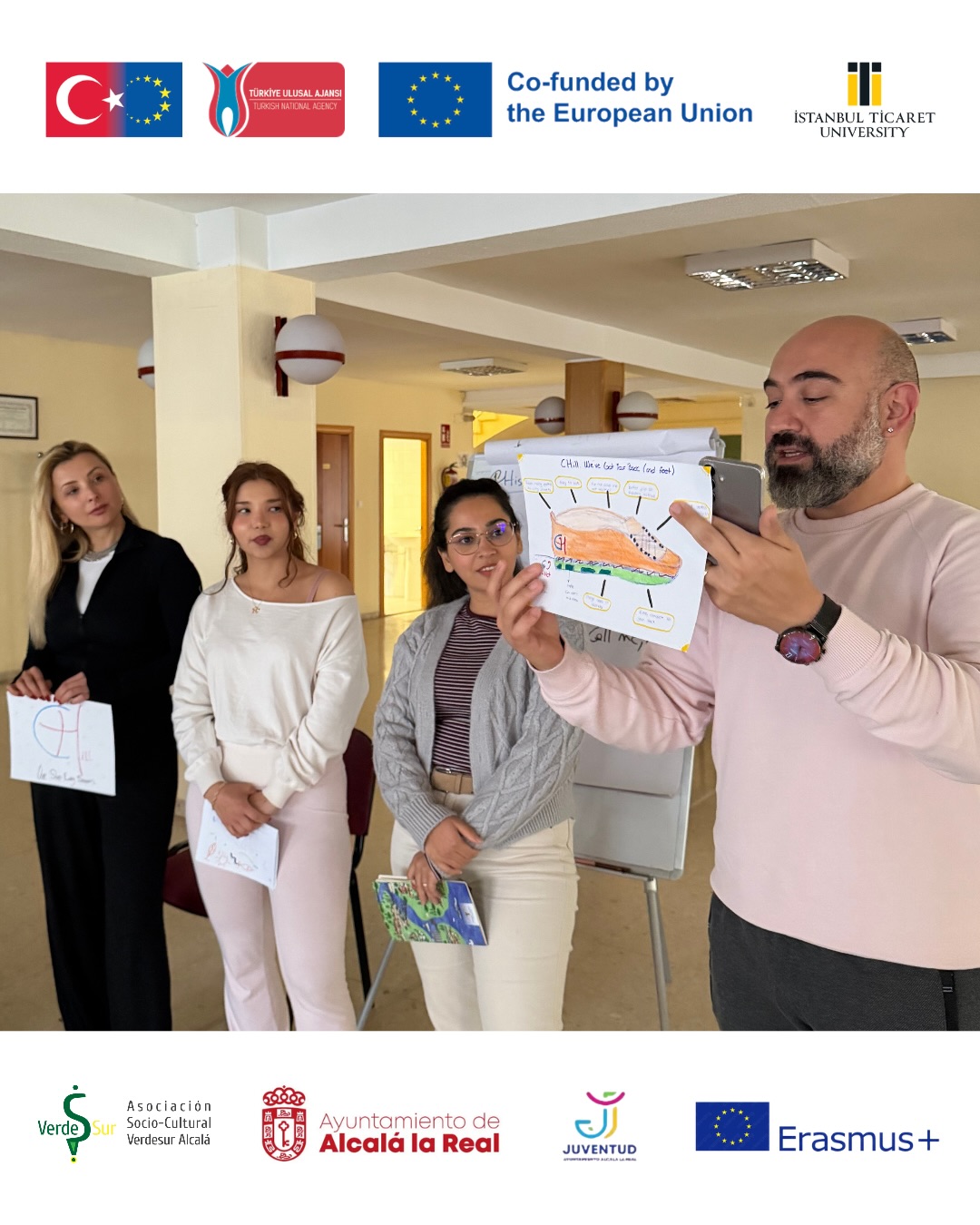
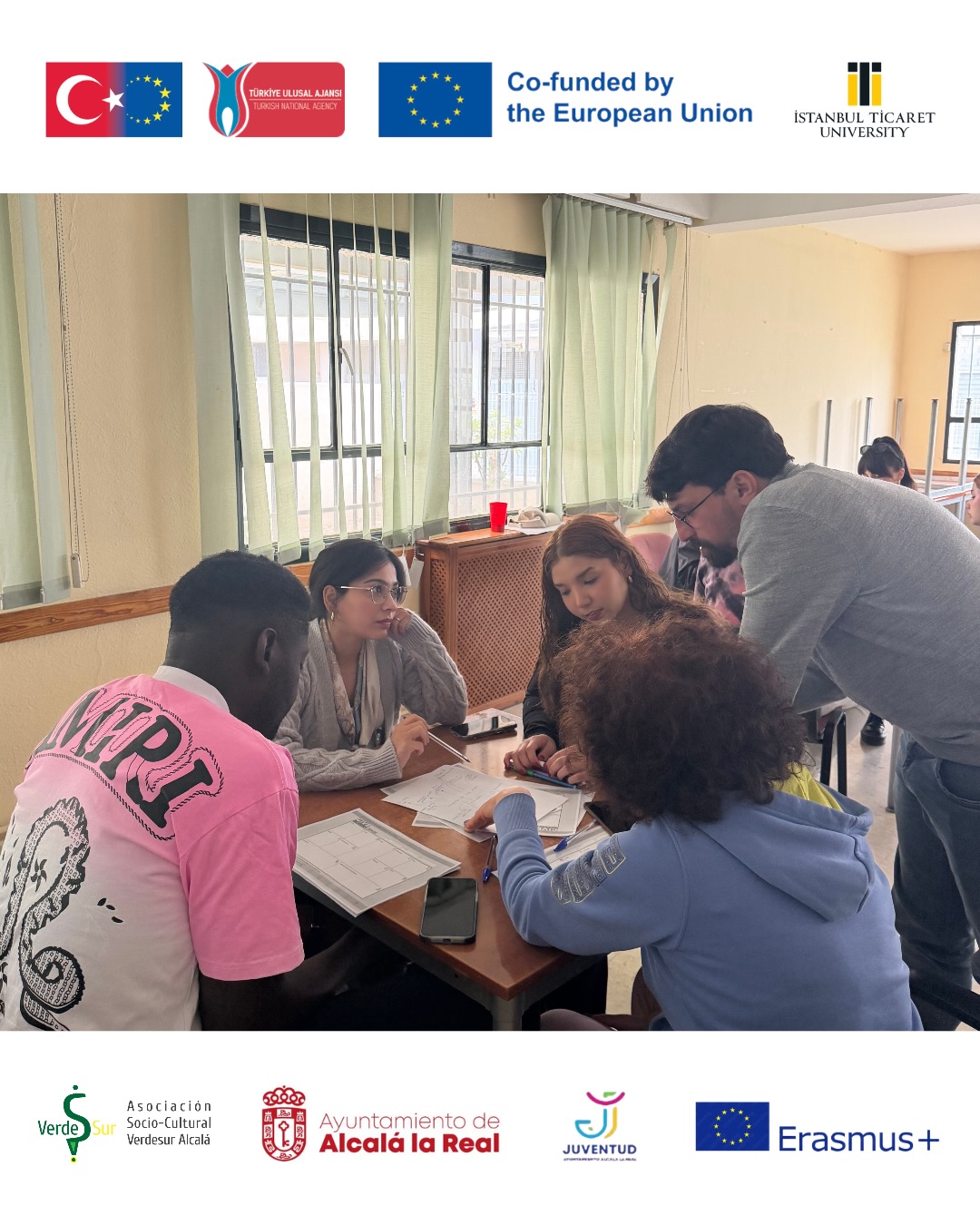
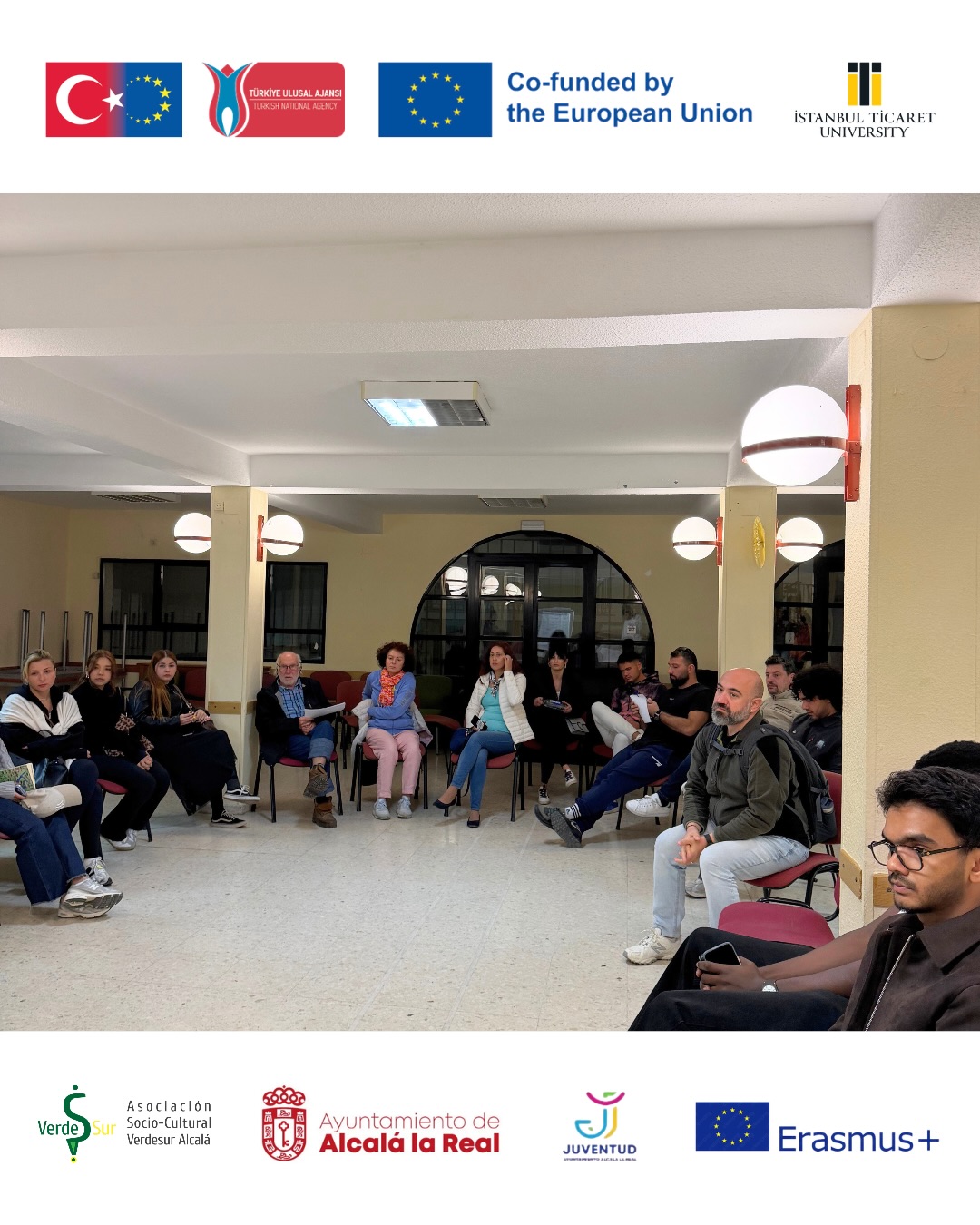
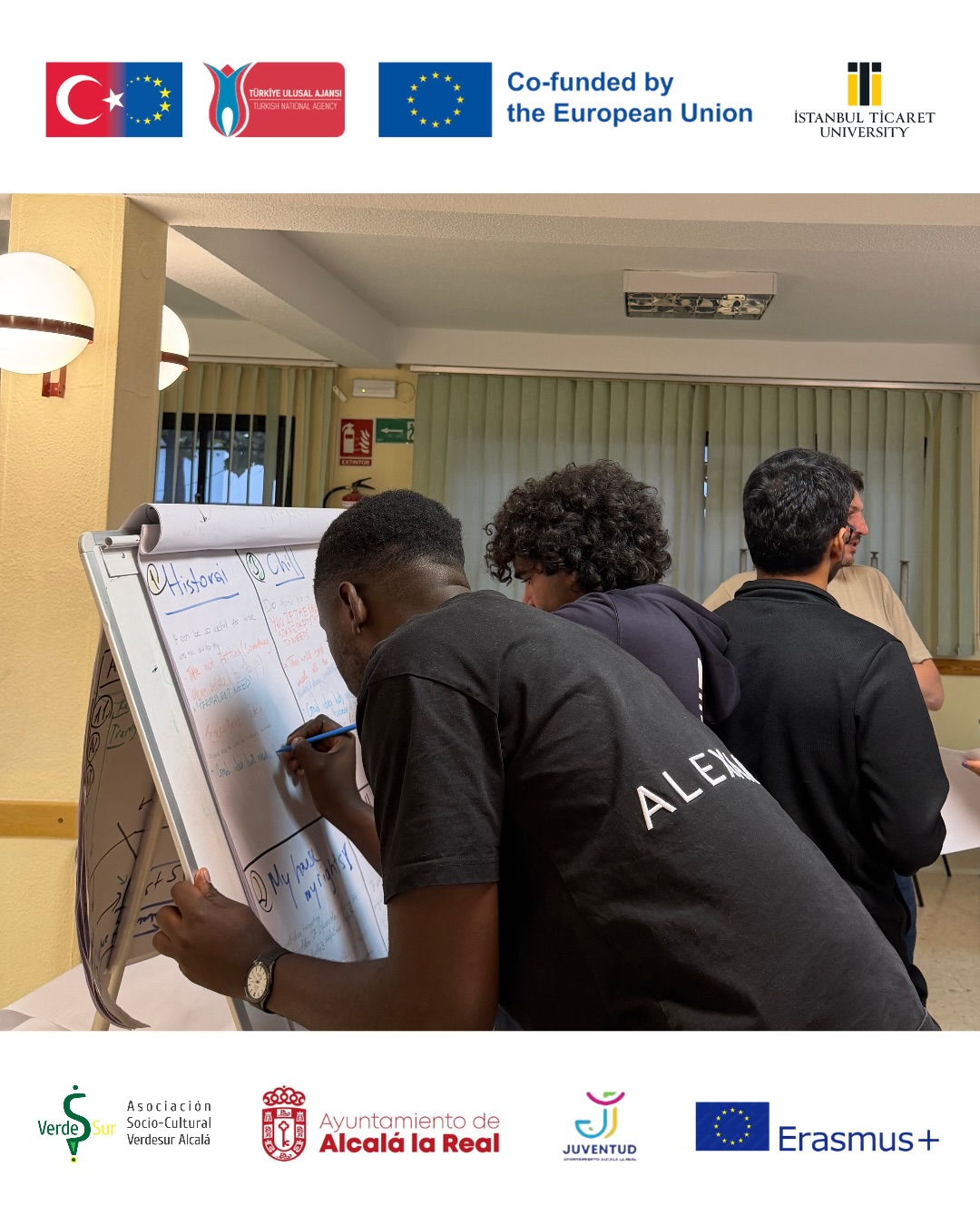
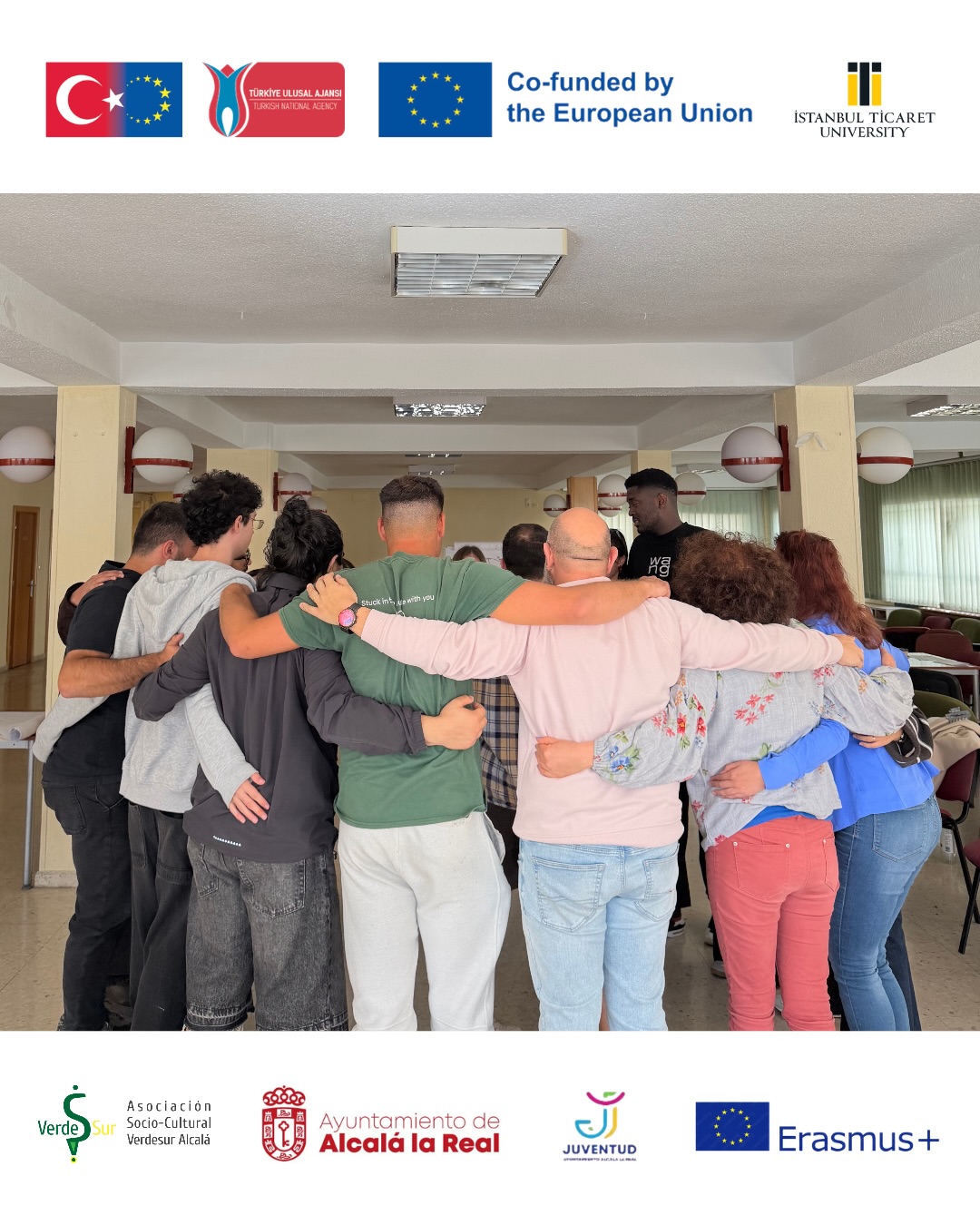
Los Reels se cargan desde Instagram al reproducirlos.
Noticias relacionadas
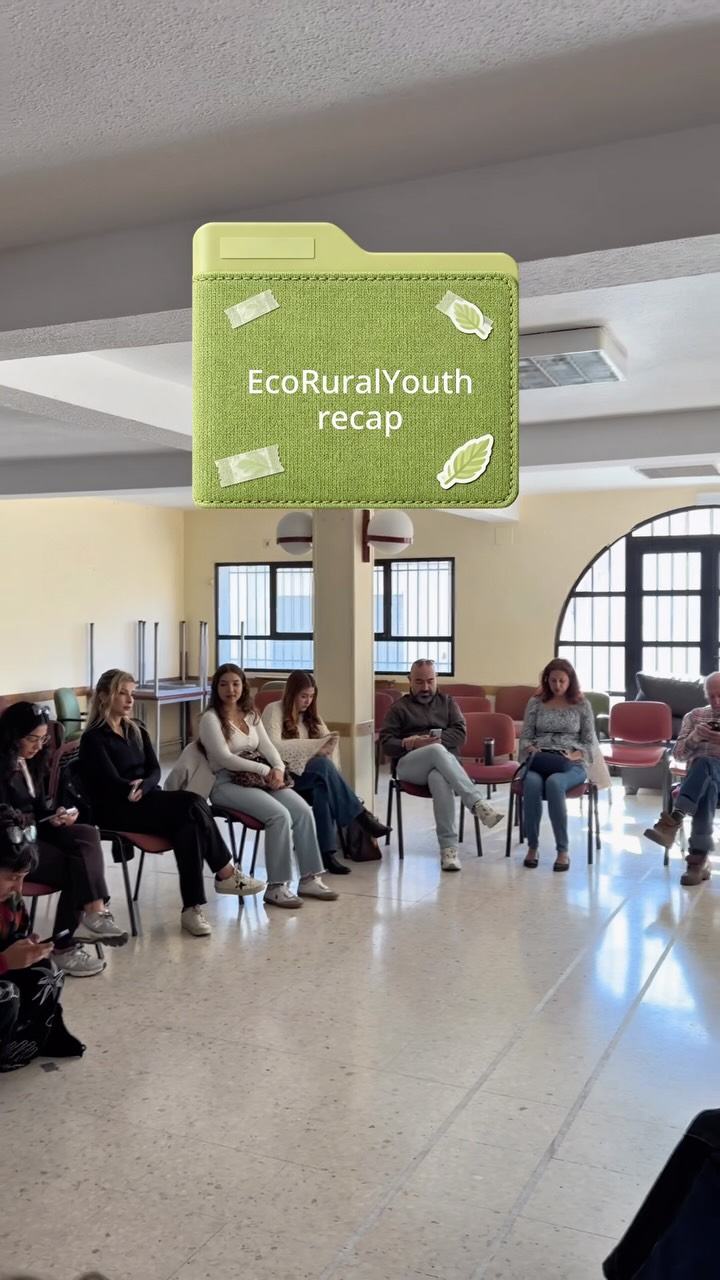
EcoRuralYouth: replanteando el desarrollo rural sostenible
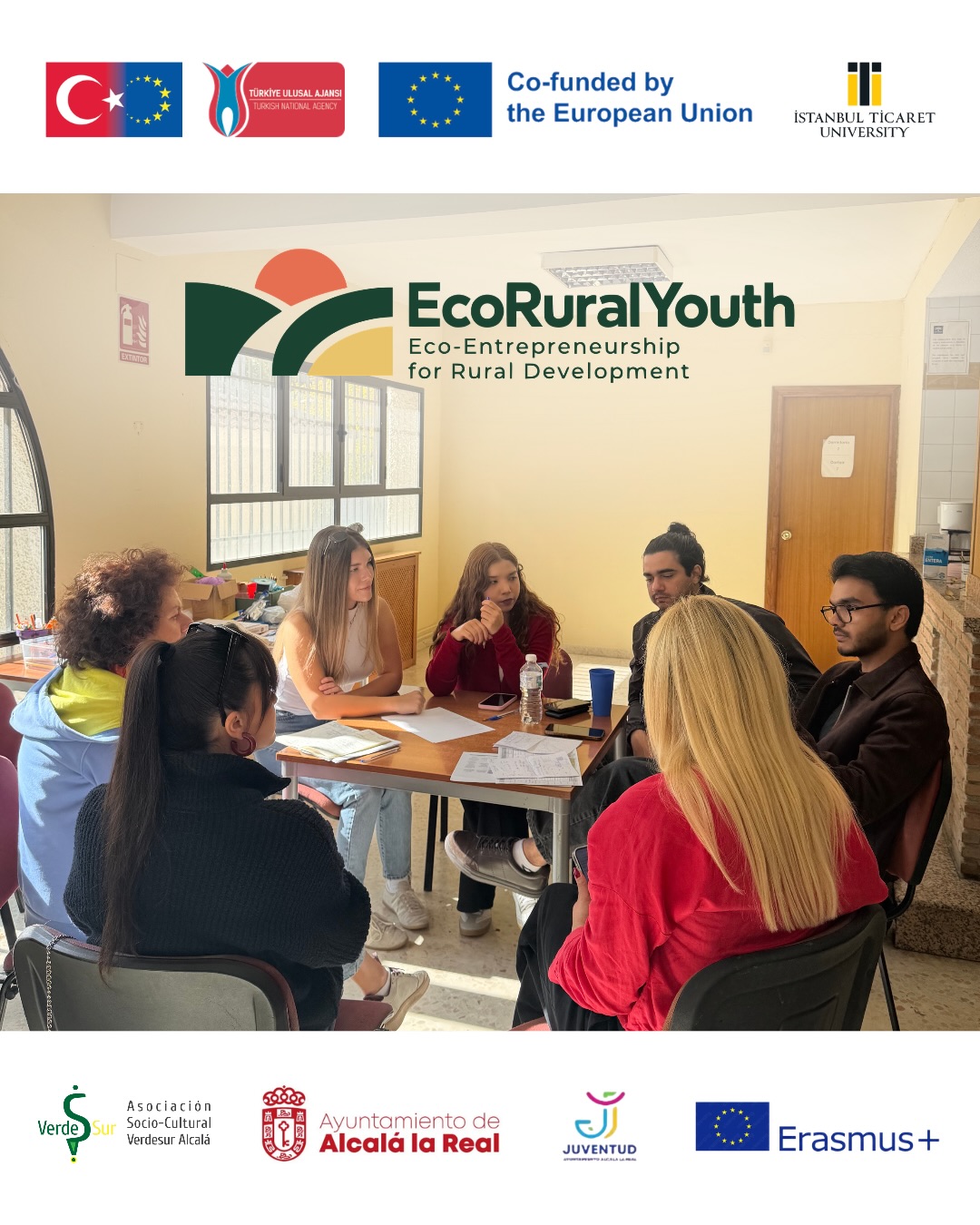
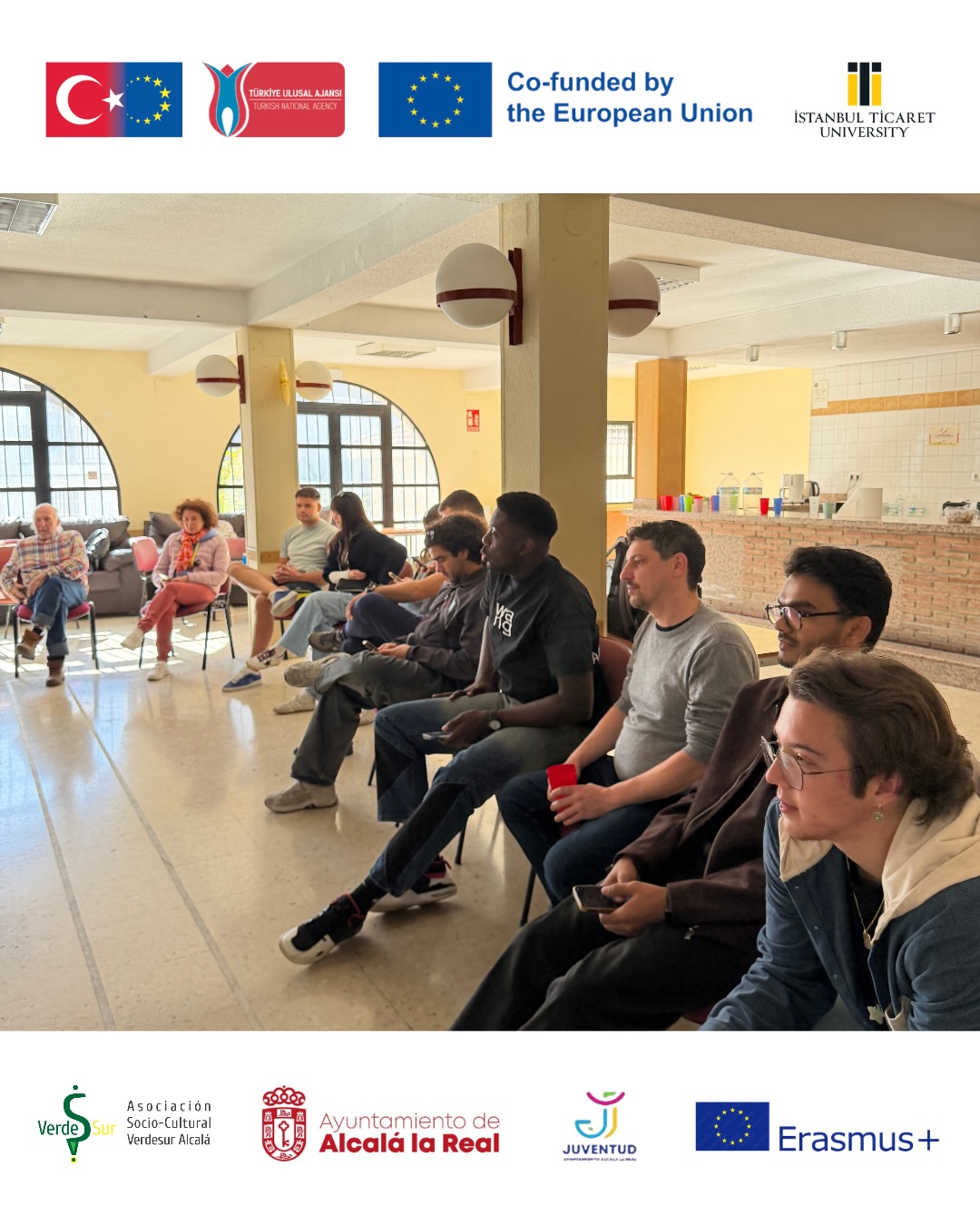
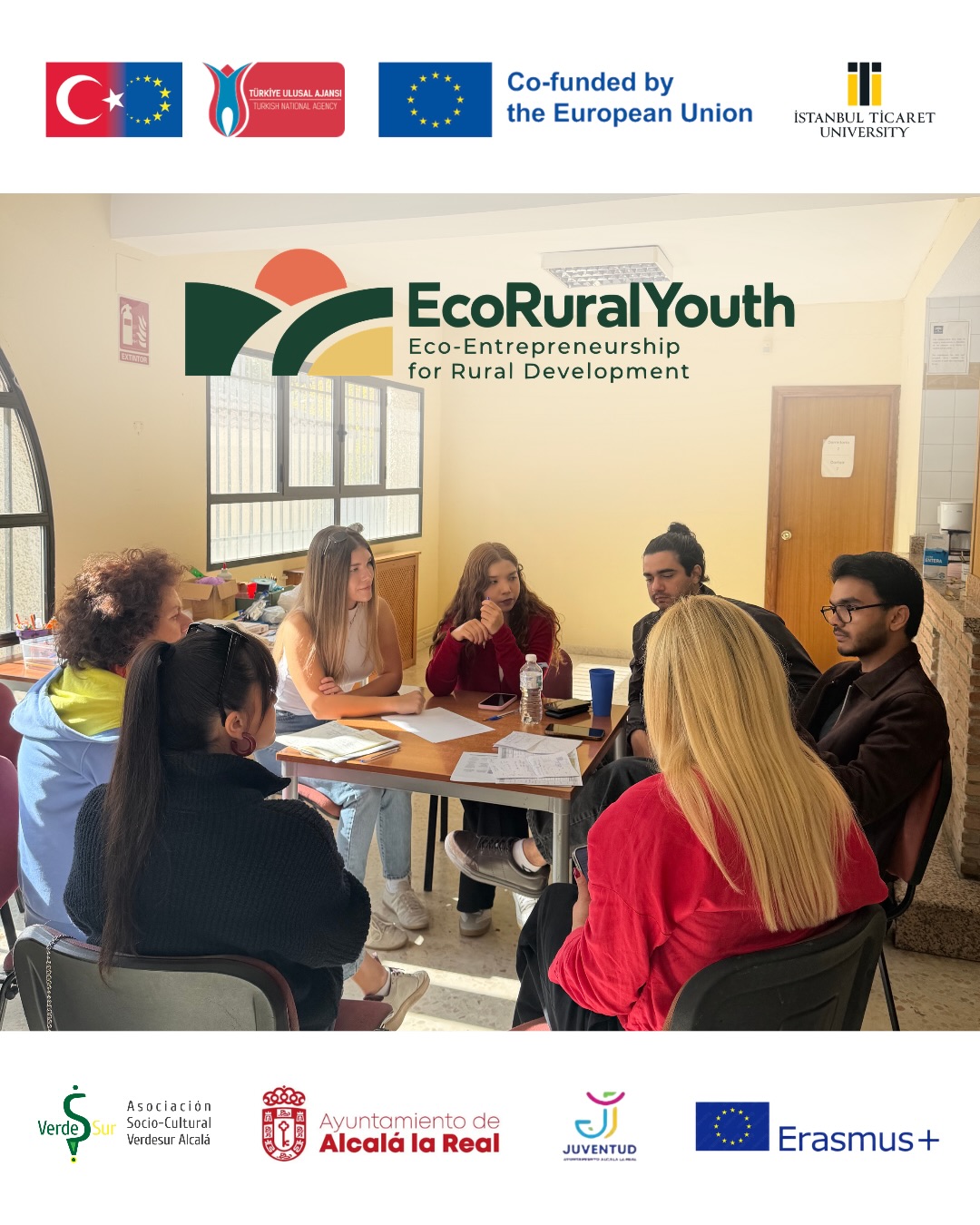
EcoRuralYouth reunió a siete países en Alcalá la Real para aprender, intercambiar experiencias y replantear el desarrollo rural sostenible.
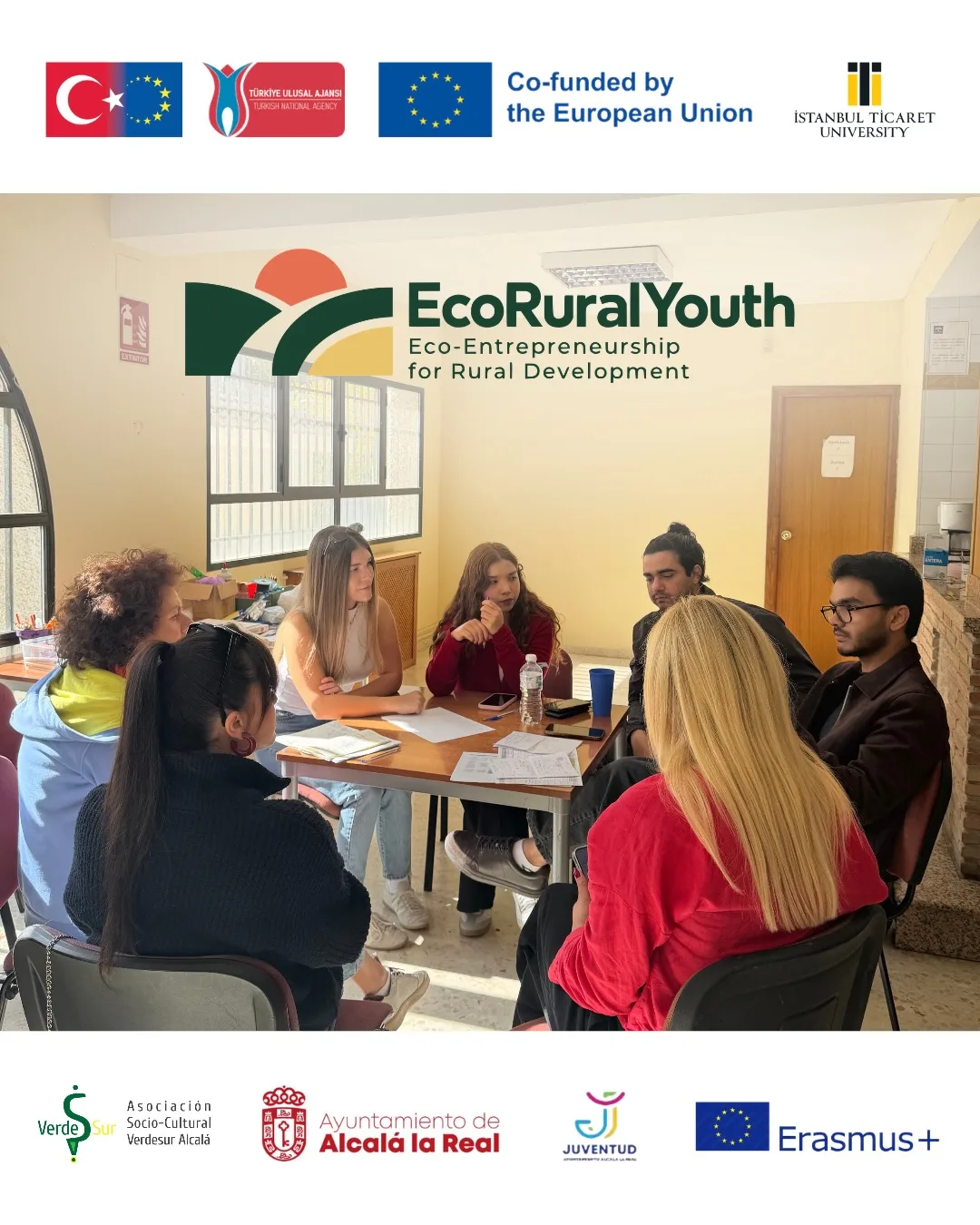
Siete países se reúnen en Alcalá la Real para la formación en Eco-Emprendimiento
Del 23 al 30 de octubre de 2026, trabajadores/as juveniles de siete países se reunieron en Alcalá la Real para el curso de formación Erasmus+ "Eco-Entrepreneurship...

Co-funded by the European Union. Views and opinions expressed are however those of the author(s) only and do not necessarily reflect those of the European Union or the Turkish National Agency (Türkiye Ulusal Ajansı). Neither the European Union nor the granting authority can be held responsible for them.