Objetivos
"Paint your fEUture" grew out of the preparation of our first approved youth exchange, "Log In – Back to Life". Its main aim was to explore non-formal methods that value people and their genuine emotions, which are put under strain by hyper-connection to the internet and social media – a phenomenon that, as it turned out, encourages dangerous behaviour such as cyberbullying, hate speech and media illiteracy.
The volunteers involved all came from rural, socially marginalised backgrounds, and so shared common needs and sensitivities. The choice of theme came from meaningful personal experiences: the young people had witnessed, directly or through friends, the difficulties and risks of excessive, uncritical use of social media. Our first aim was therefore to raise participants' awareness of how serious the situation really is – often hidden behind a superficial search for social contact that is in fact a desperate search for approval and acceptance, leading to fragility and exposure to online hate.
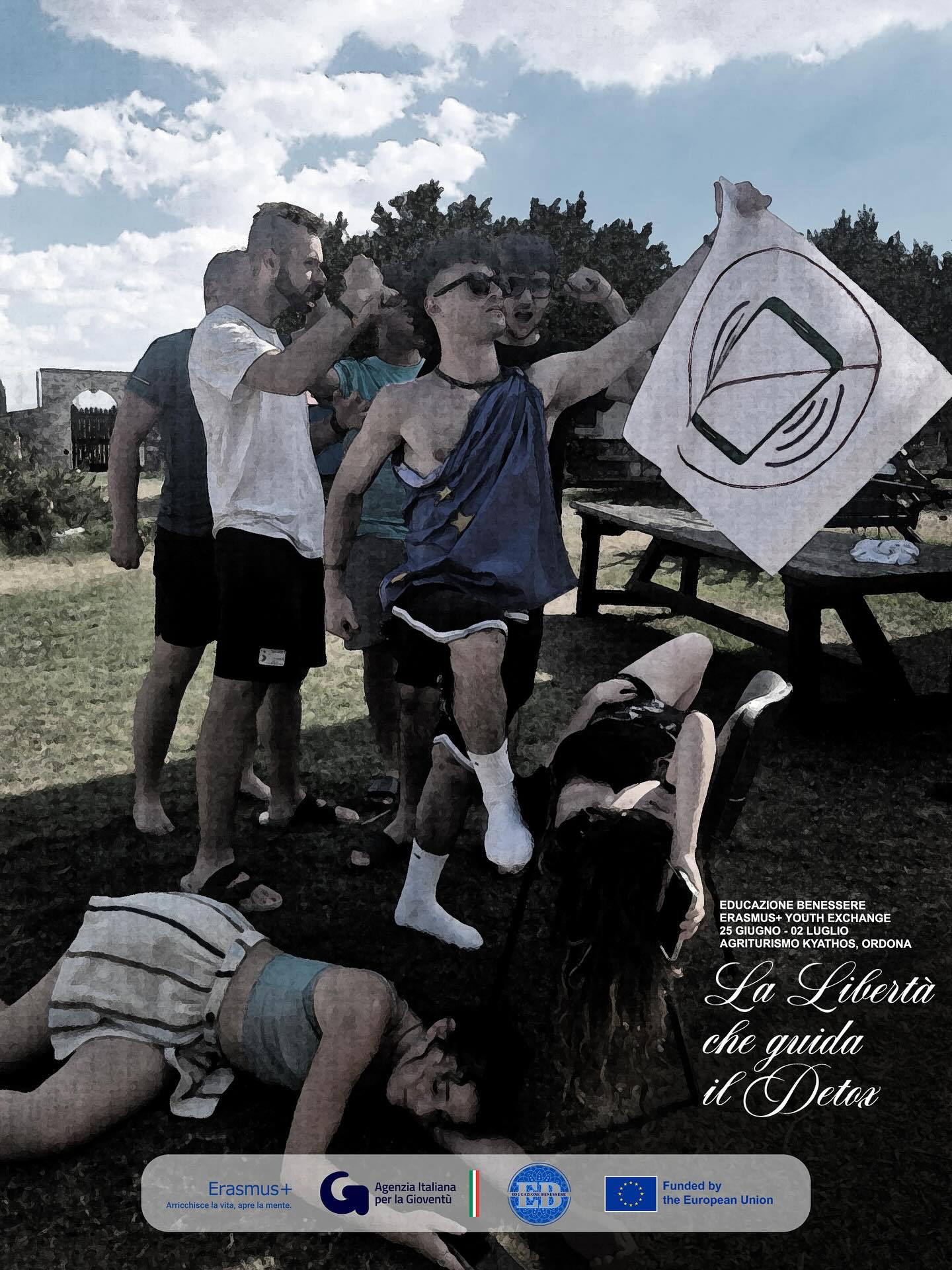
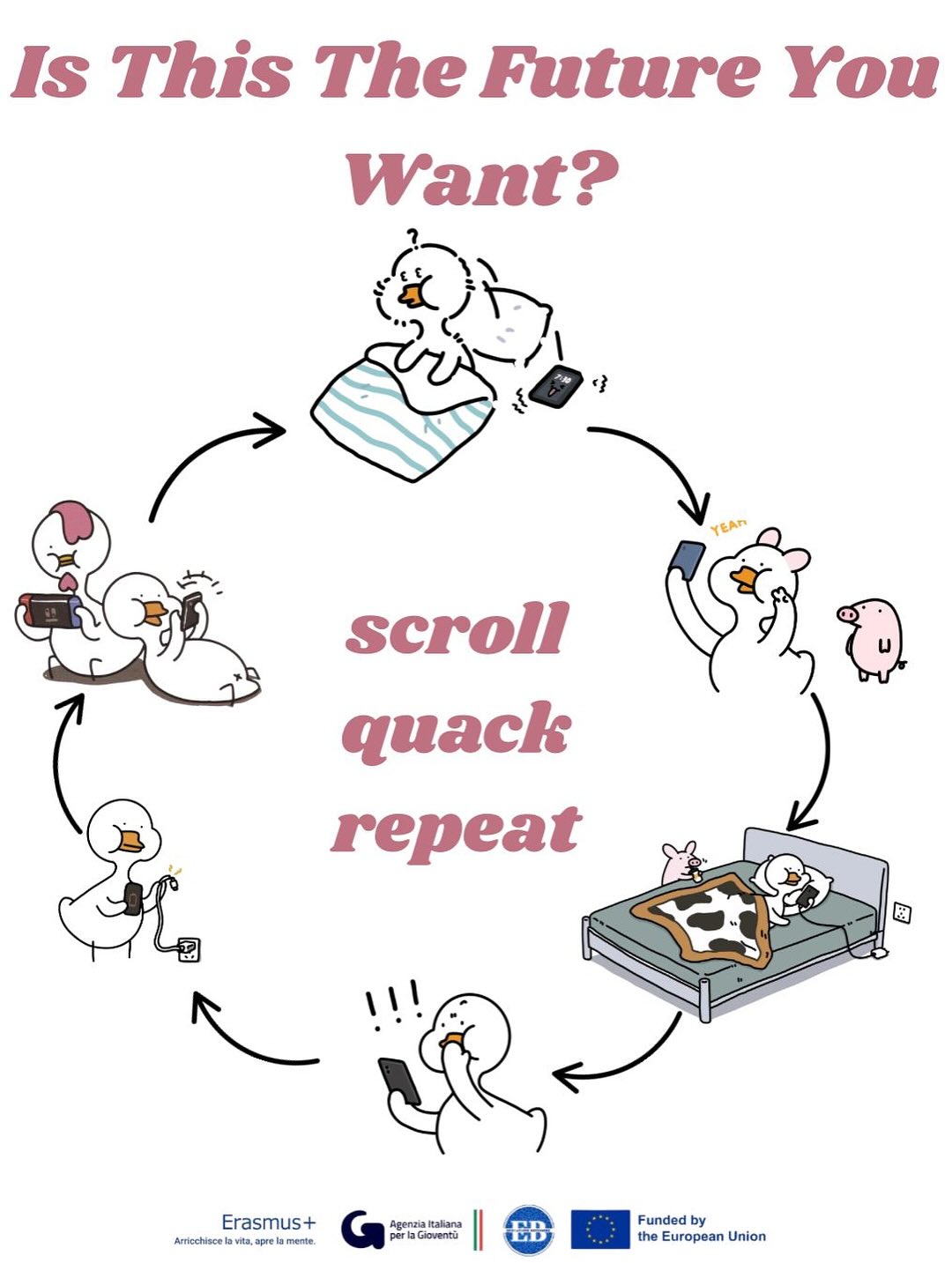
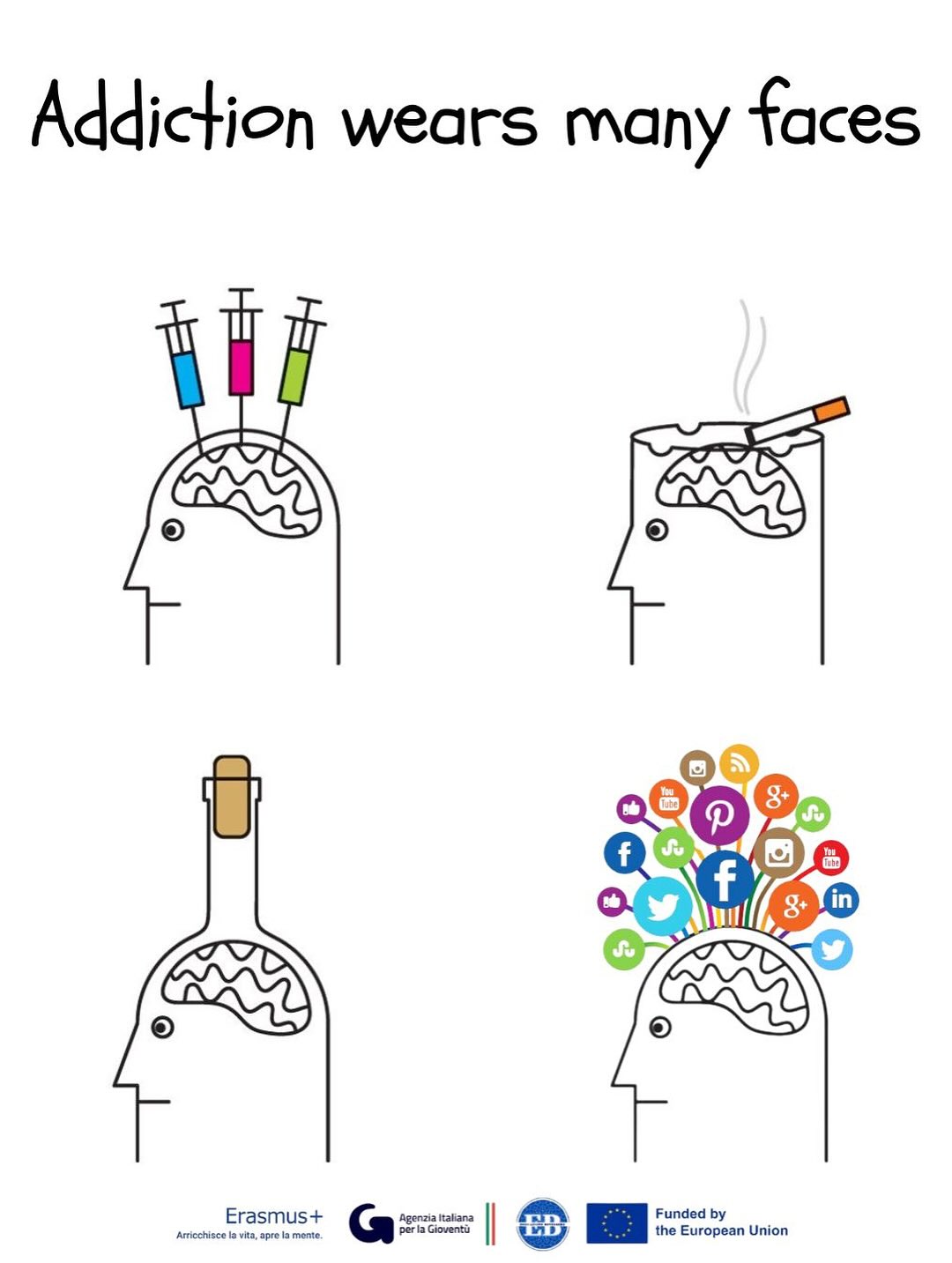
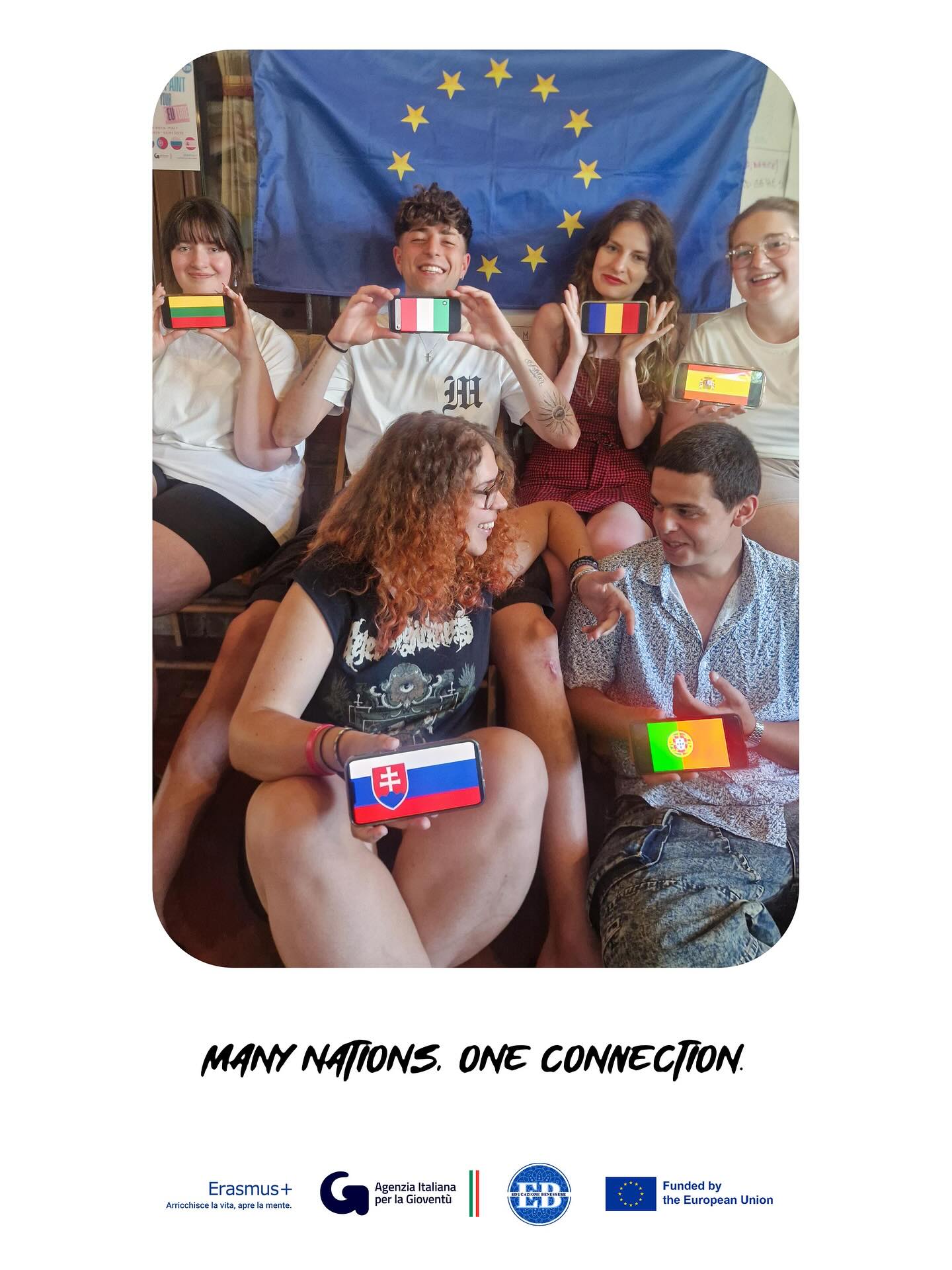
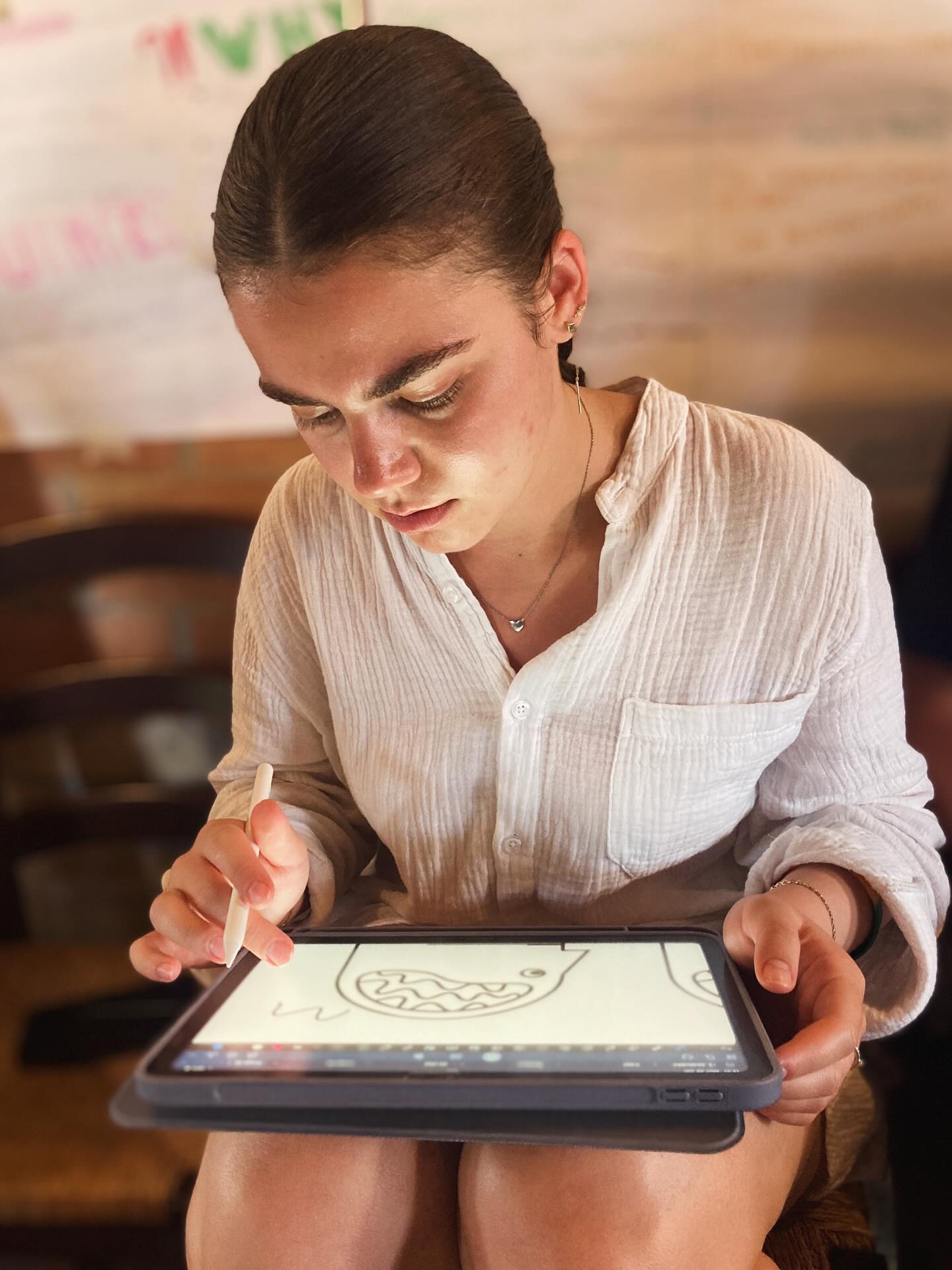
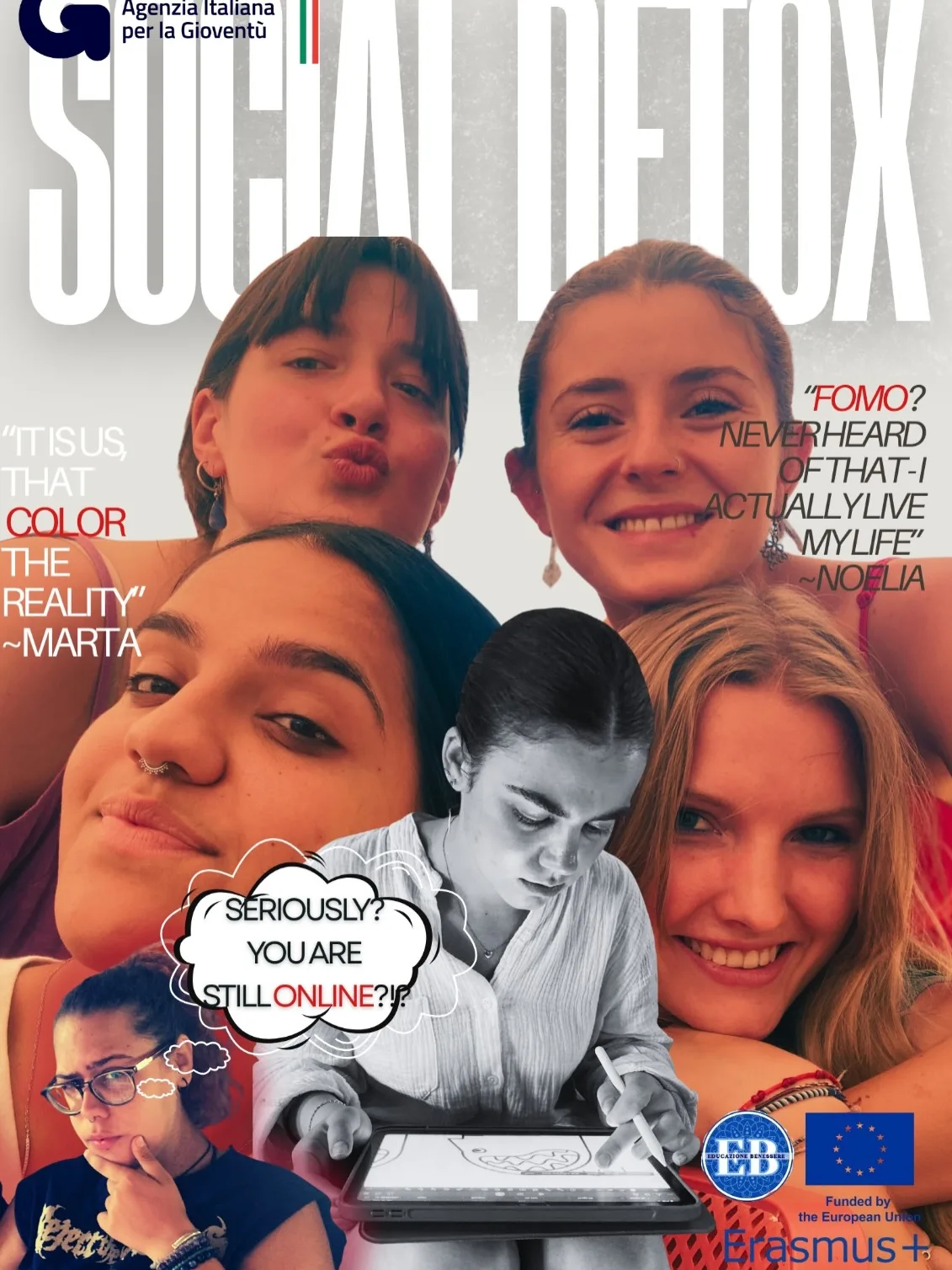
Compared with the previous project, Michele, Mihnea and Thiago decided to add an innovative element: visual art as a means of expression and communication. Drawing, photography and digital graphics were used to convey messages of hope and inner peace. This artistic practice encouraged concentration and mindfulness, giving young people a positive way to step away from daily stress and from forms of online discrimination such as cyberbullying and hate speech. At the same time, more aware and critical media literacy was promoted.
The project had several specific objectives. First, to raise young people's awareness of mental health, countering cyberbullying, hate speech and media illiteracy. Alongside this, to promote active citizenship and strengthen civic responsibility. Another key objective was to develop the transversal skills of participants and local young people, including those with fewer opportunities, with particular attention to language and digital skills, managing an Erasmus+ project and running awareness campaigns. Participants were directly involved in follow-up activities in their home communities.
The project also aimed to support youth work locally and internationally, strengthening the network of partner organisations, and to spread core values such as social inclusion and solidarity. A further expected result was more European mobility opportunities for young people, especially the most marginalised.
The overall objective, fully in line with the Erasmus+ programme and the EU Youth Strategy 2019–2027, was the learning and personal development of the participants through non-formal education – contributing not only to individual growth but also to the social and civic engagement that young people took back to their communities.
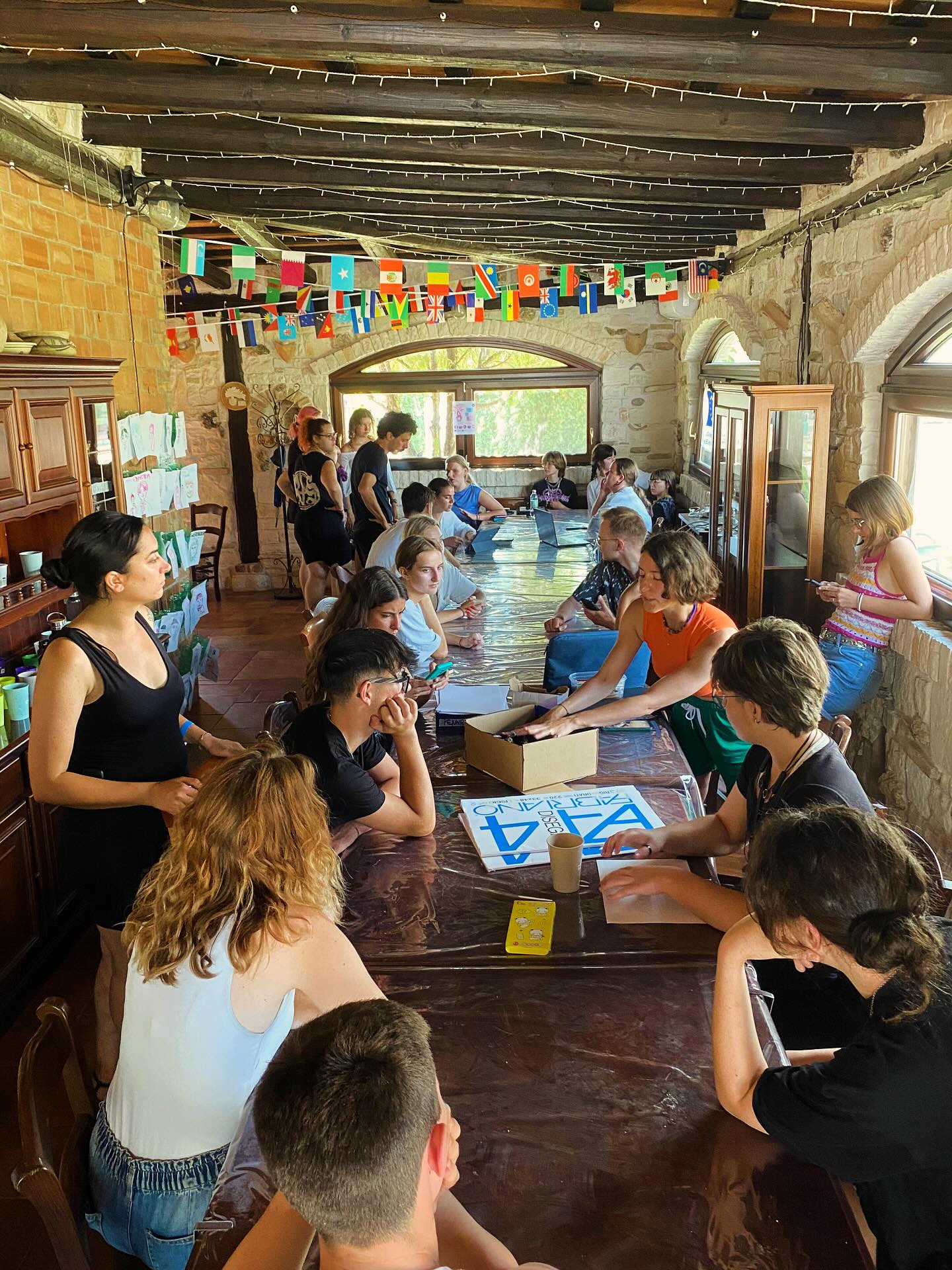
In particular, the project was aligned with the main goals of Erasmus+, promoting intercultural dialogue and European values. It took place in a multicultural environment, encouraging exchange and cooperation between partner organisations and building a solid network for future initiatives.
Developing artistic skills such as drawing, photography and digital graphics gave participants useful tools for healthier lifestyles, with less time spent on digital devices and social media. By promoting social inclusion, the project also worked to break down prejudice and stereotypes and to value cultural and linguistic diversity, helping participants recognise and effectively counter discrimination and hate.
The project raised awareness of socially relevant issues, encouraging young people's engagement in society and their active participation in democratic life, in line with the aims of the EU Youth Strategy and Erasmus+.
Actividades
During "Paint your fEUture" we ran a series of structured, targeted activities over eight days to actively involve participants and address mental health and conscious use of social media through non-formal, artistic methods.
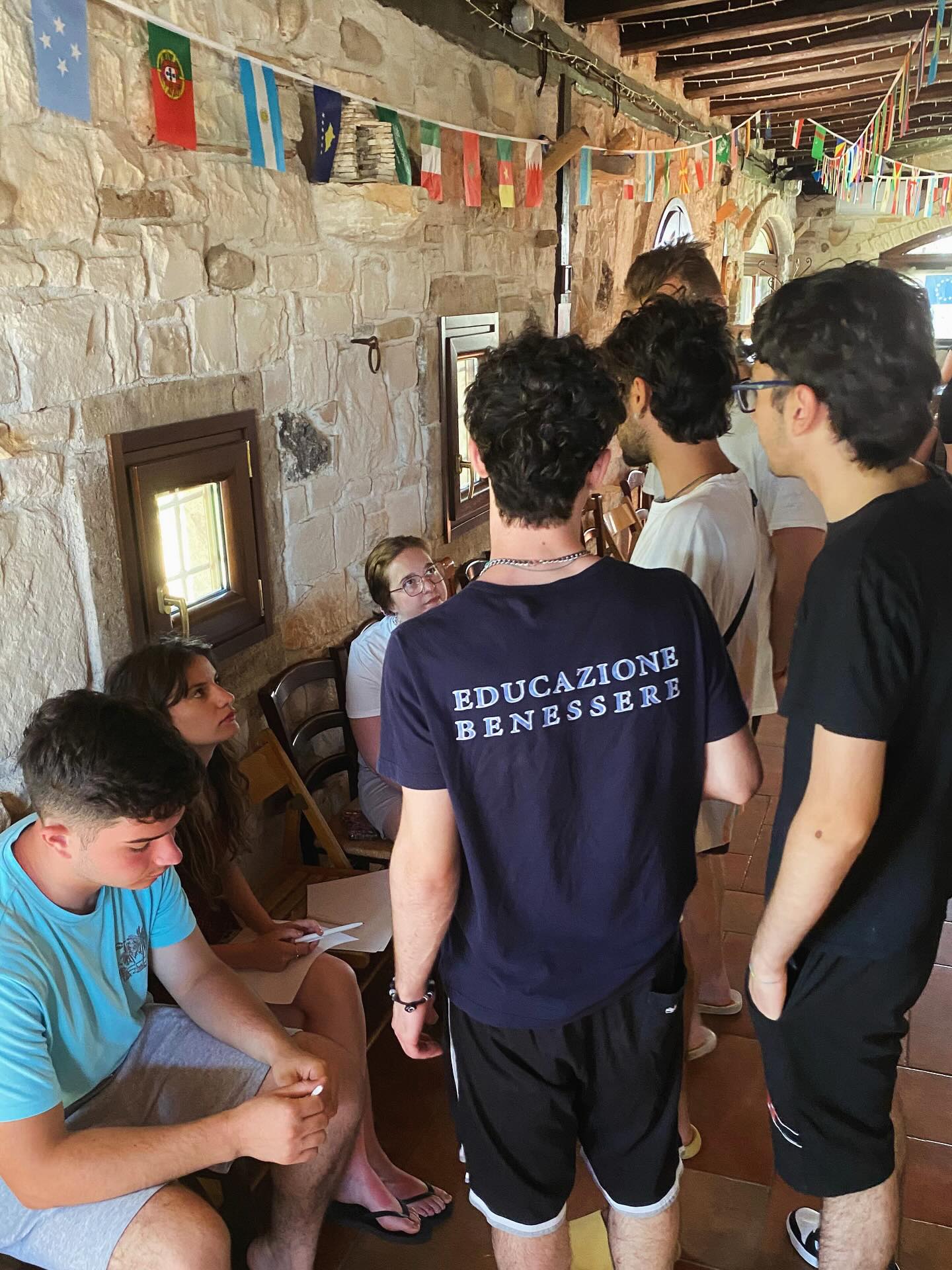
Days 1 and 8 were arrival and departure days. Day 2 began with energisers and a welcome, followed by the Italian team's presentation of the project and practical information. To build trust and cooperation, we ran icebreaking and group-building activities such as "Secret Friend" and "Clock", plus name games. Participants then shared their fears, expectations and contributions anonymously, opening up to the learning experience. Ground rules for the exchange were agreed, and the coordinators presented Erasmus+ and Youthpass, before the day closed with a group evaluation and reflection.
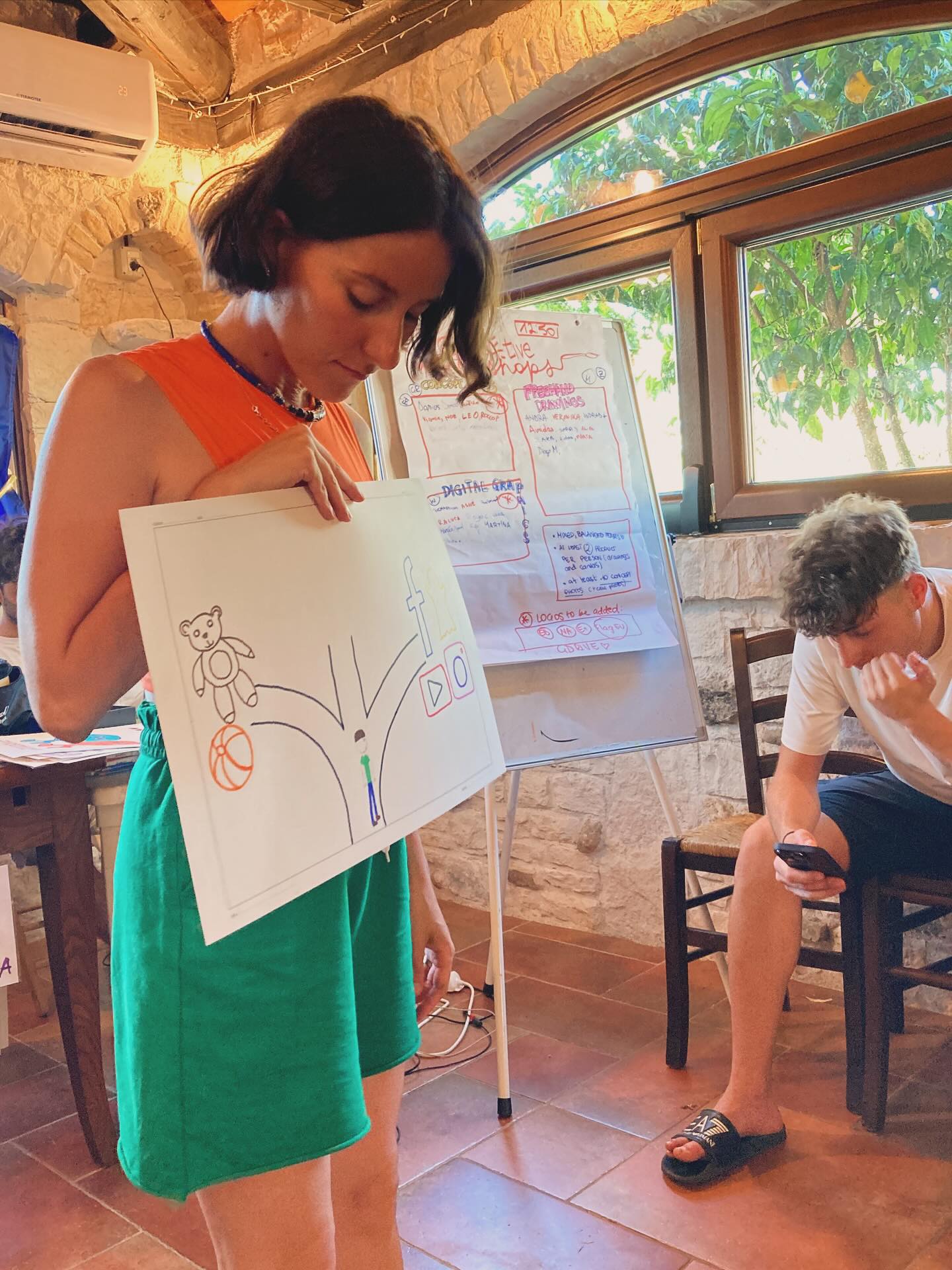
On day 3 the core principles and objectives of the project were presented, followed by research in national groups on the problems linked to social media abuse in each country, with the results shared afterwards. In "Post the post", participants tried to interpret Facebook and Instagram posts through their likes and views, becoming more aware of the trending topics social media push. A further reflection, "Instead of…", encouraged them to think of alternatives to excessive use of digital platforms.
On day 4, led by the Italian team and the facilitators, the activities focused on the project theme. A "World Café" helped participants share ideas on the effects of social media abuse. With "Media illiteracy" and "Behind the news", participants examined how distorted information shapes opinions of public figures. An "Agree/Disagree" exercise sparked debate on sensitive issues around cyberbullying and hate speech. To close, Educazione Benessere presented the European Commission's June 2023 communication on mental health.
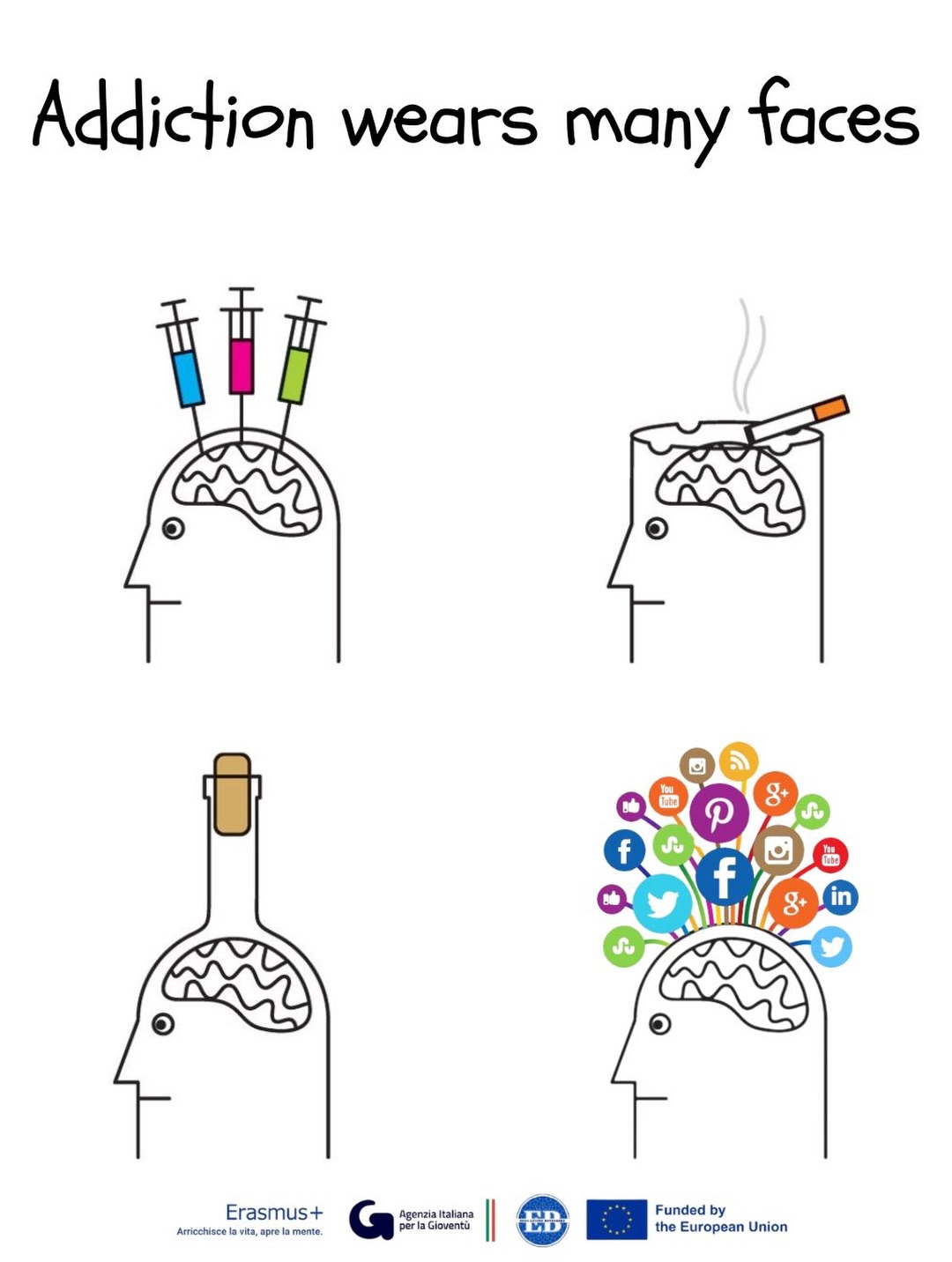
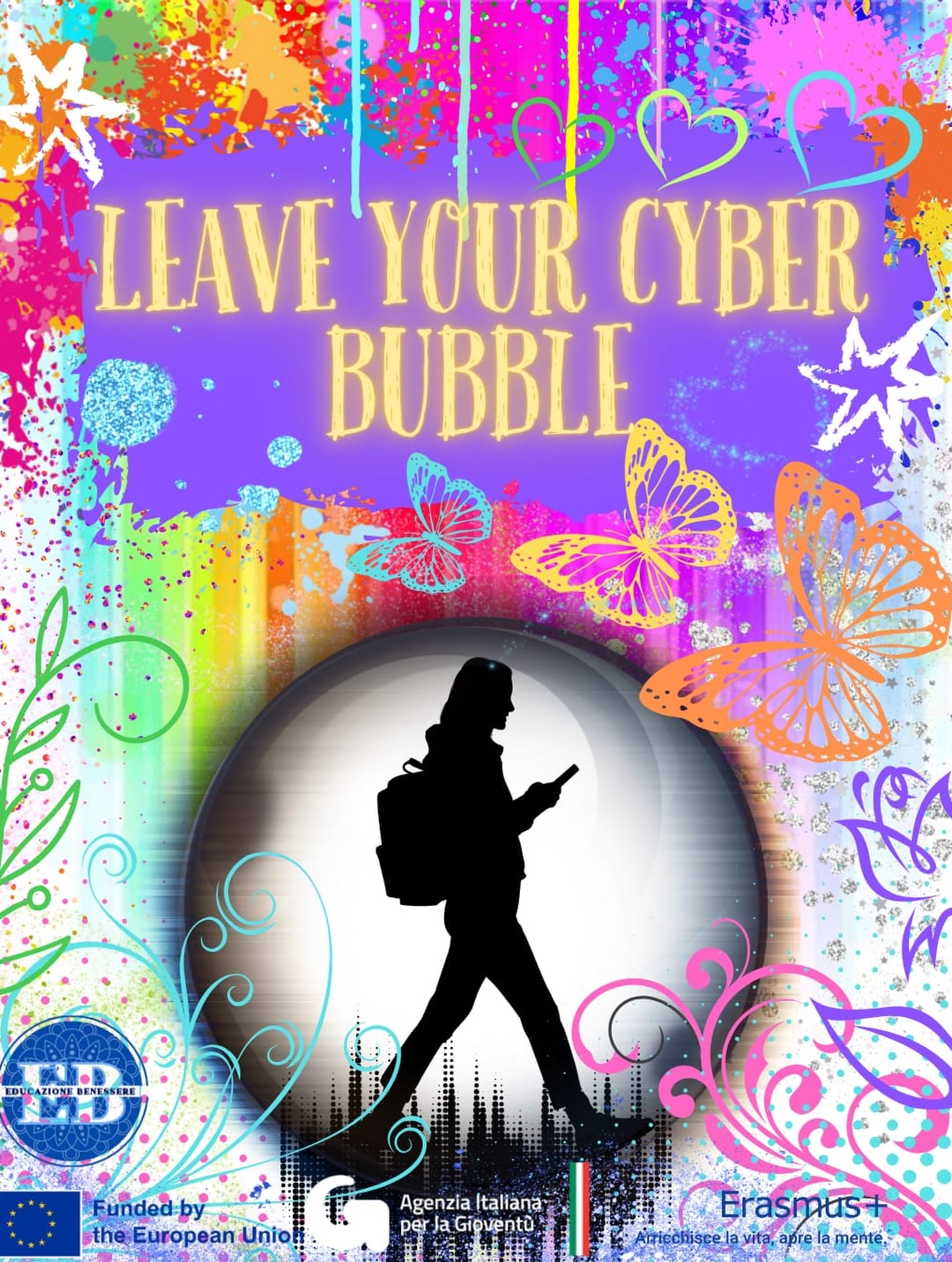
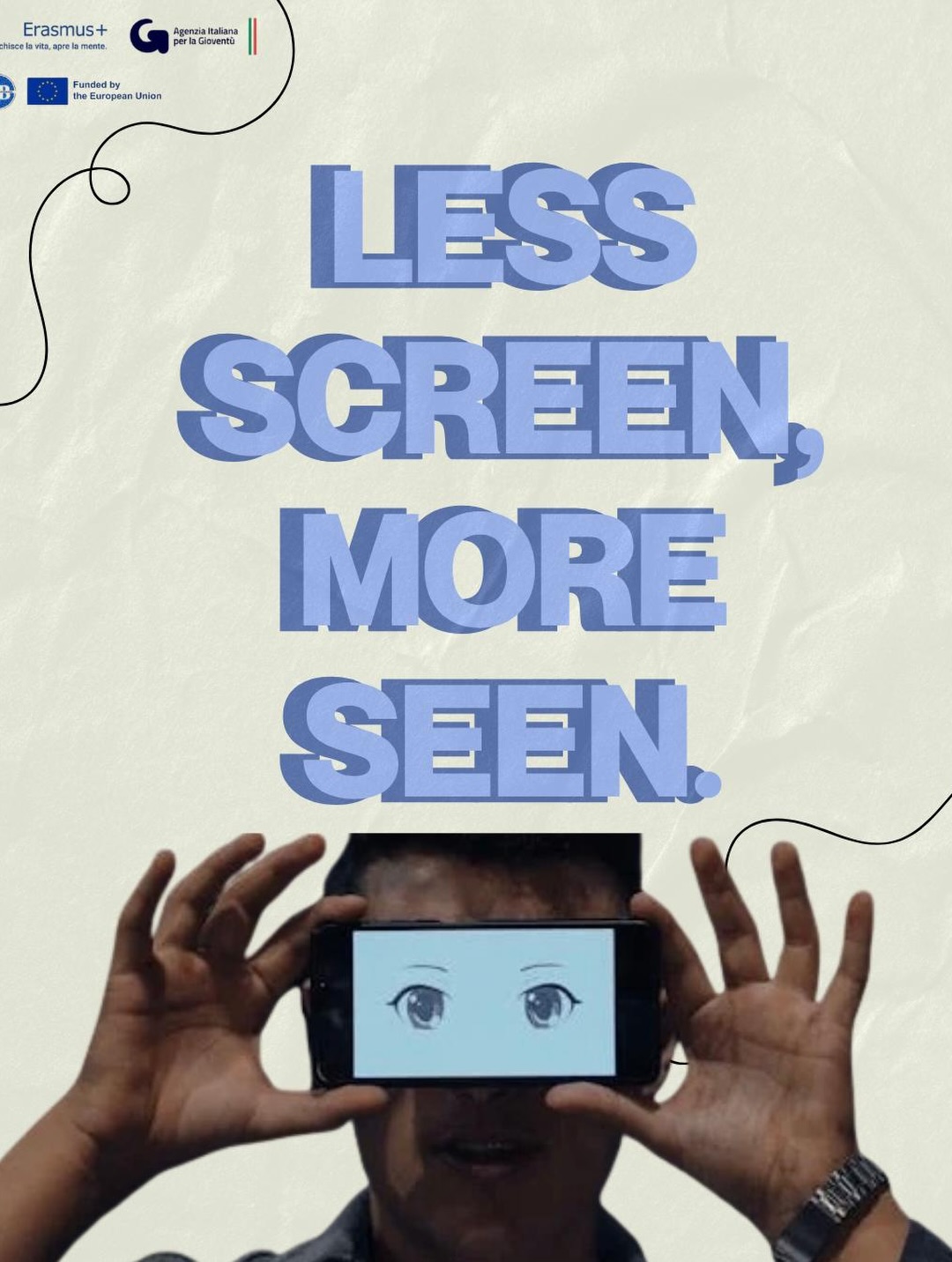
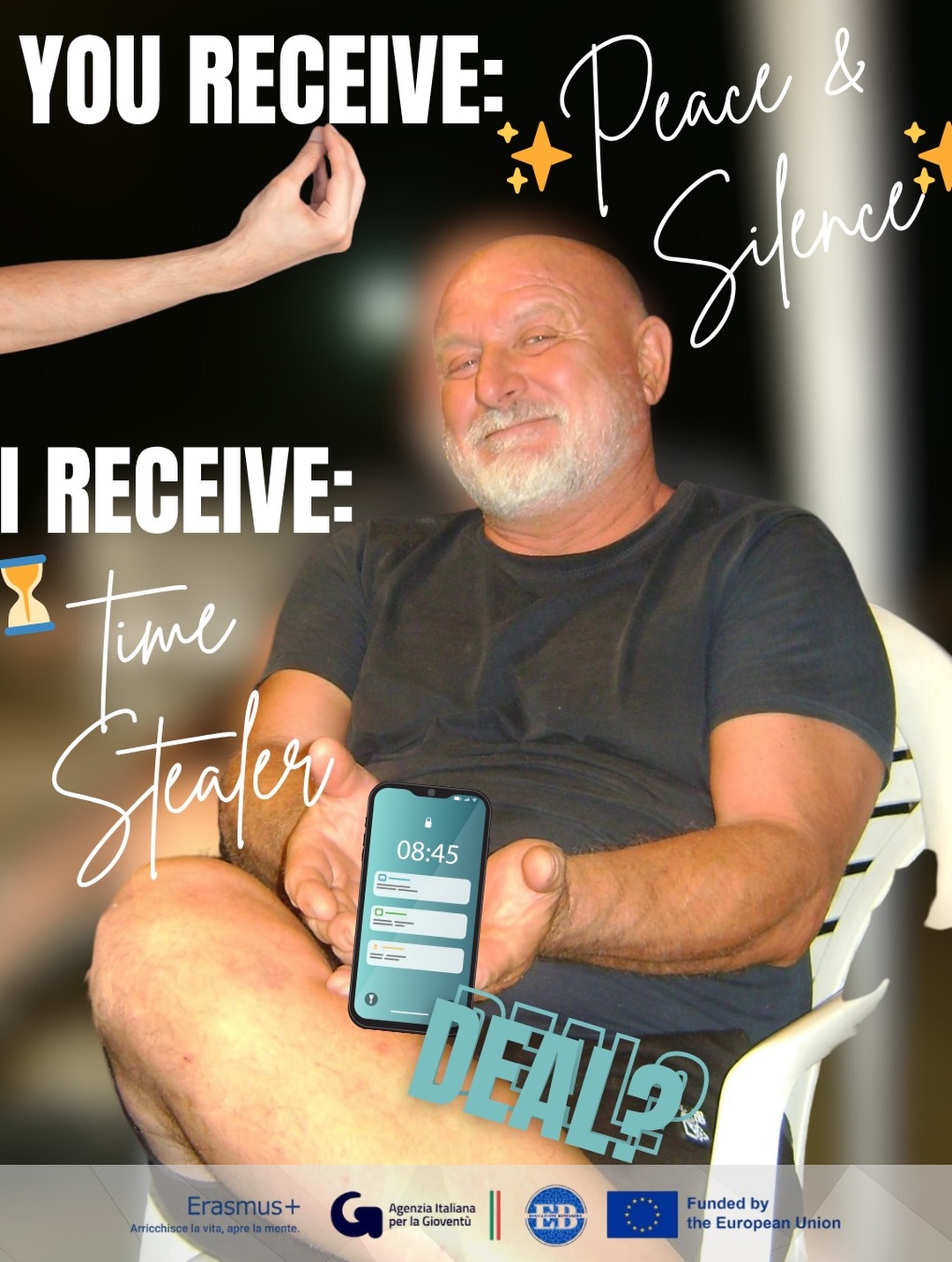
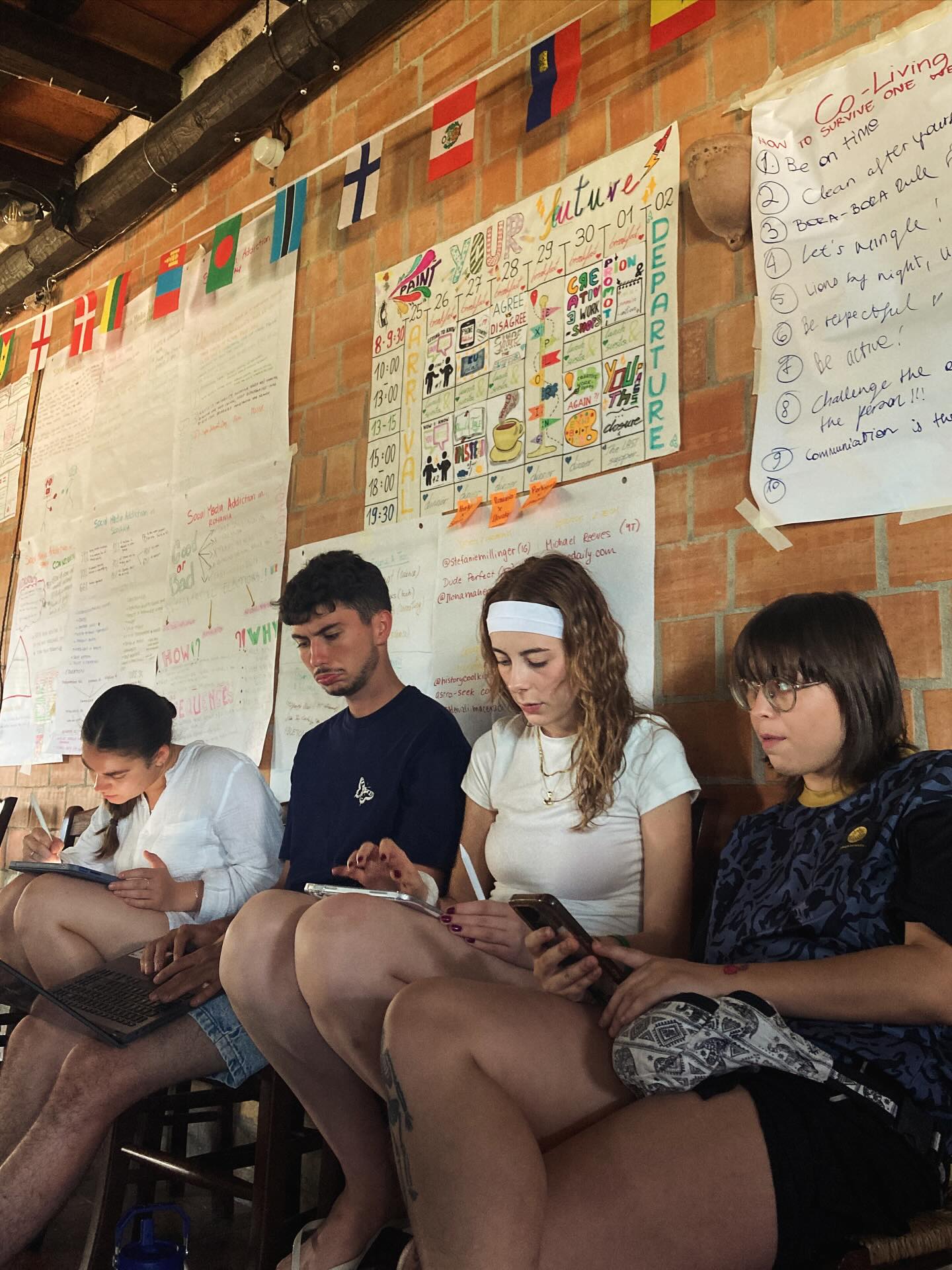
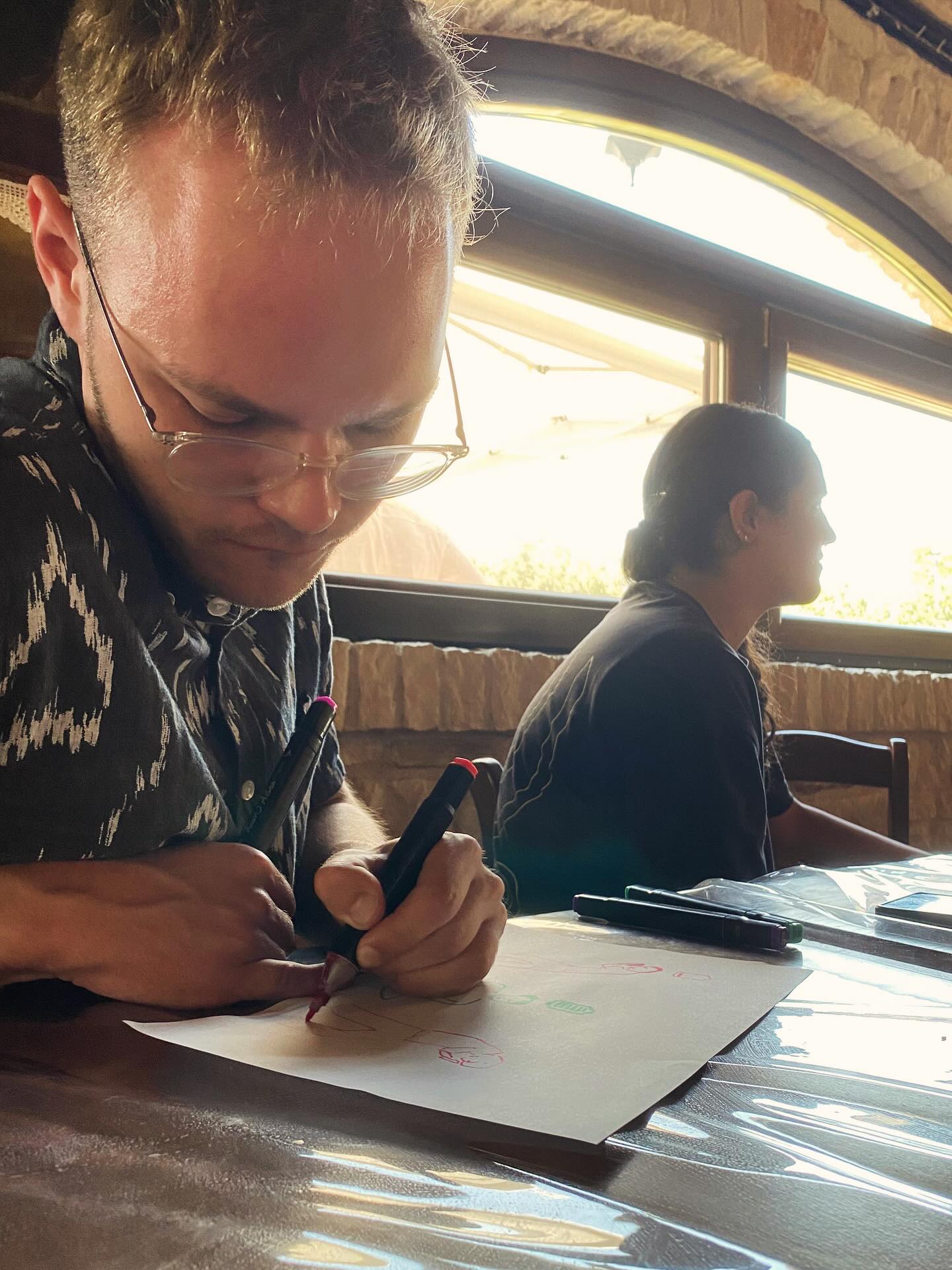
Day 5 opened with "Instagram vs Reality", followed by the start of the art workshops: through drawing, photography and digital graphics, coordinated by Educazione Benessere, participants explored cyberbullying, hate speech, media illiteracy and mental health.
On day 6 the morning was used to finish the art workshops, followed by a group debriefing. In the afternoon participants set up "The Well-being Gallery" in the public gardens of Orta Nova, showing the artworks and slogans created in the workshops. The exhibition was officially opened and became a moment of sharing with the local community.
Day 7 was about dissemination: writing an article for local media, interviewing each other and making a final video. In "Future plans", participants worked in groups on follow-up plans for their communities. The closing activities included revealing the "Secret Friends", positive farewell messages, handing out Youthpass certificates with a reflection on the competences gained, and an overall evaluation of the project.
The participants were young people aged 18–26, selected for their involvement in the sending partner organisations, which they represented during the exchange. The selection favoured those interested in mental health, non-formal education and the visual arts (drawing, photography, digital graphics), to create a rich and motivating environment. Particular attention was paid to gender balance, to ensure equal opportunities for learning and growth for everyone, regardless of sexual orientation or gender identity. Participants were prepared to become active players in their communities, carrying forward the skills and experience they gained.
Impacto
"Paint your fEUture" had significant results and impact at several levels, giving participants a many-sided growth experience with benefits for individuals, communities and internationally.
At individual level, a main outcome was the personal growth of the young people involved. Through the multicultural exchange, participants gained artistic and creative skills, especially in drawing, photography and digital graphics. These skills gave them concrete tools to move away from digital dependency and hyper-connection to social media – real positive "ways out". Many experienced less stress and anxiety linked to compulsive internet use, while their creativity and self-esteem grew, supporting more balanced physical and mental well-being.
On mental health, the project effectively addressed critical issues such as cyberbullying, hate speech and media illiteracy. Participants not only became aware of these issues but also developed artistic tools and awareness to deal with them proactively, reducing the negative effects of technology dependency on their mental health. The approach promoted lasting psychological well-being and greater resilience to digital risks.
The project also encouraged active citizenship and social inclusion. Participants, especially those from disadvantaged backgrounds, were valued as drivers of change in their communities. By learning values such as inclusion, diversity and solidarity, they gained a stronger civic awareness, in line with European youth goals. Art received particular attention as an inclusive medium, recognised as a tool that can ease emotional stress and help people reconnect with themselves and others. This had a positive effect on the emotional situation of young people with fewer opportunities, giving them new possibilities for expression and well-being.
In terms of skills, besides their artistic development, participants strengthened key transversal skills such as teamwork, empathy, public speaking and time management – decisive not only for the success of the project but also for their personal and professional future. They also gained digital skills by using technology for artistic creation, encouraging a conscious, positive use of technology, a healthier relationship with social media and the prevention of digital abuse.
Locally and regionally, the impact was tangible thanks to cooperation with local associations and media. "The Well-being Gallery", open to the community, showcased the positive messages developed during the project and strengthened the local network for physical and mental well-being. It reached not only the participants but a wider public, raising awareness of the risks of hyper-connection and promoting creative, healthy alternatives.
Internationally, the project gained an important dimension by involving organisations from geographically and economically disadvantaged areas. When participants returned home, many follow-up and dissemination activities began, building a wide, sustainable network. The partner associations consolidated their organisational skills, improved their educational methods and developed future cooperation on mental health and social inclusion. Through workshops, cultural events and meetings with policy-makers, the project contributed to a lasting impact beyond the single experience, offering a model that can be repeated and spread more widely.
In short, "Paint your fEUture" had an important overall impact, strengthening skills, awareness and cooperation networks, with tangible benefits for individuals, local communities and Europe more widely.
Socios
- 🇮🇹APS EDUCAZIONE BENESSERE
Italy - 🇸🇰Budúca Generácia Európy, o.z.
Slovakia - 🇱🇹MB KIKULIS
Lithuania - 🇵🇹Associação Leopardo Daltónico
Portugal - 🇷🇴Asociatia "Tineret pentru Dezvoltare Durabila"
Romania - 🇪🇸ASOC SOCIO CULTURAL VERDESUR ALCALA
España
De Instagram
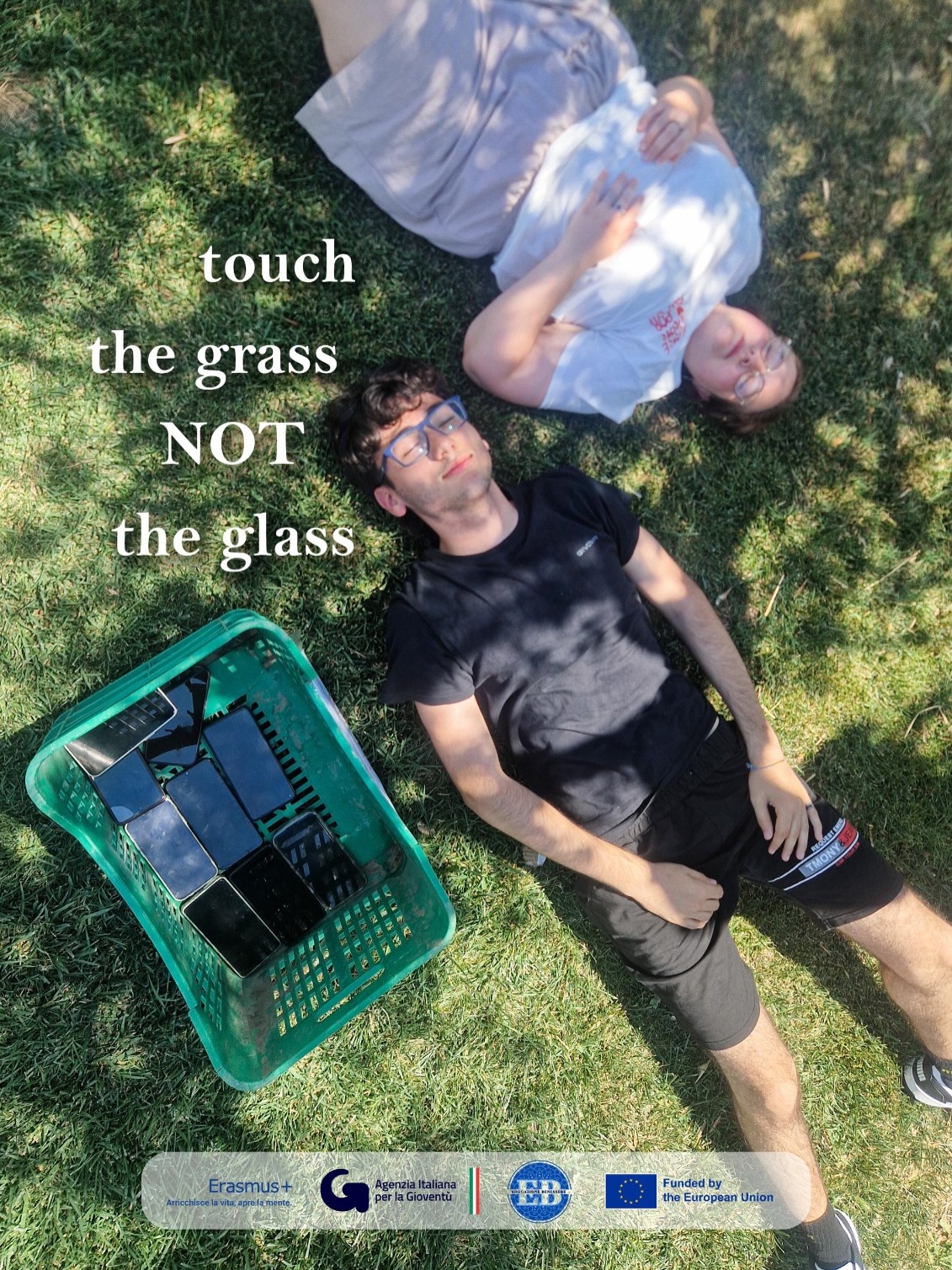
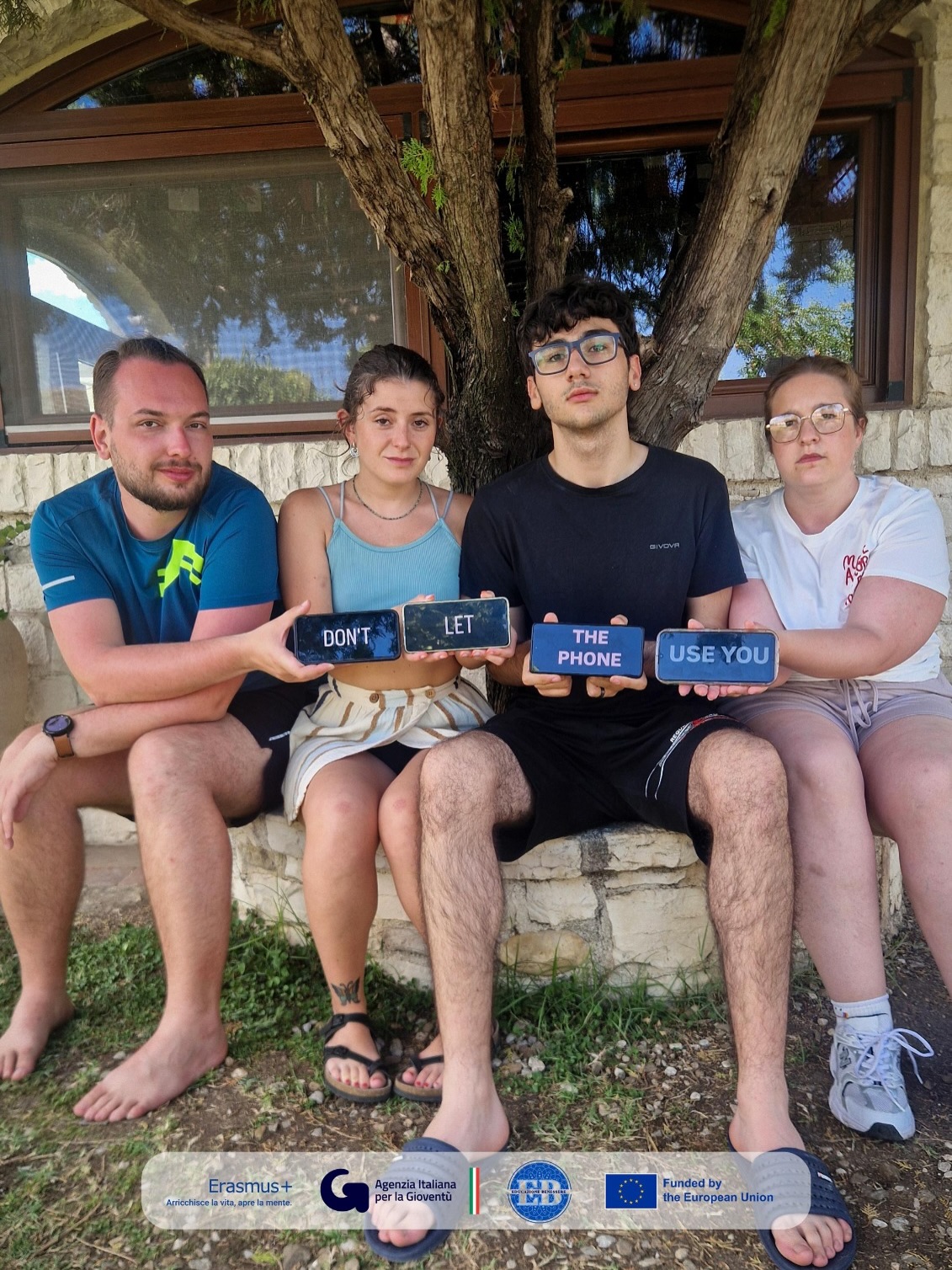
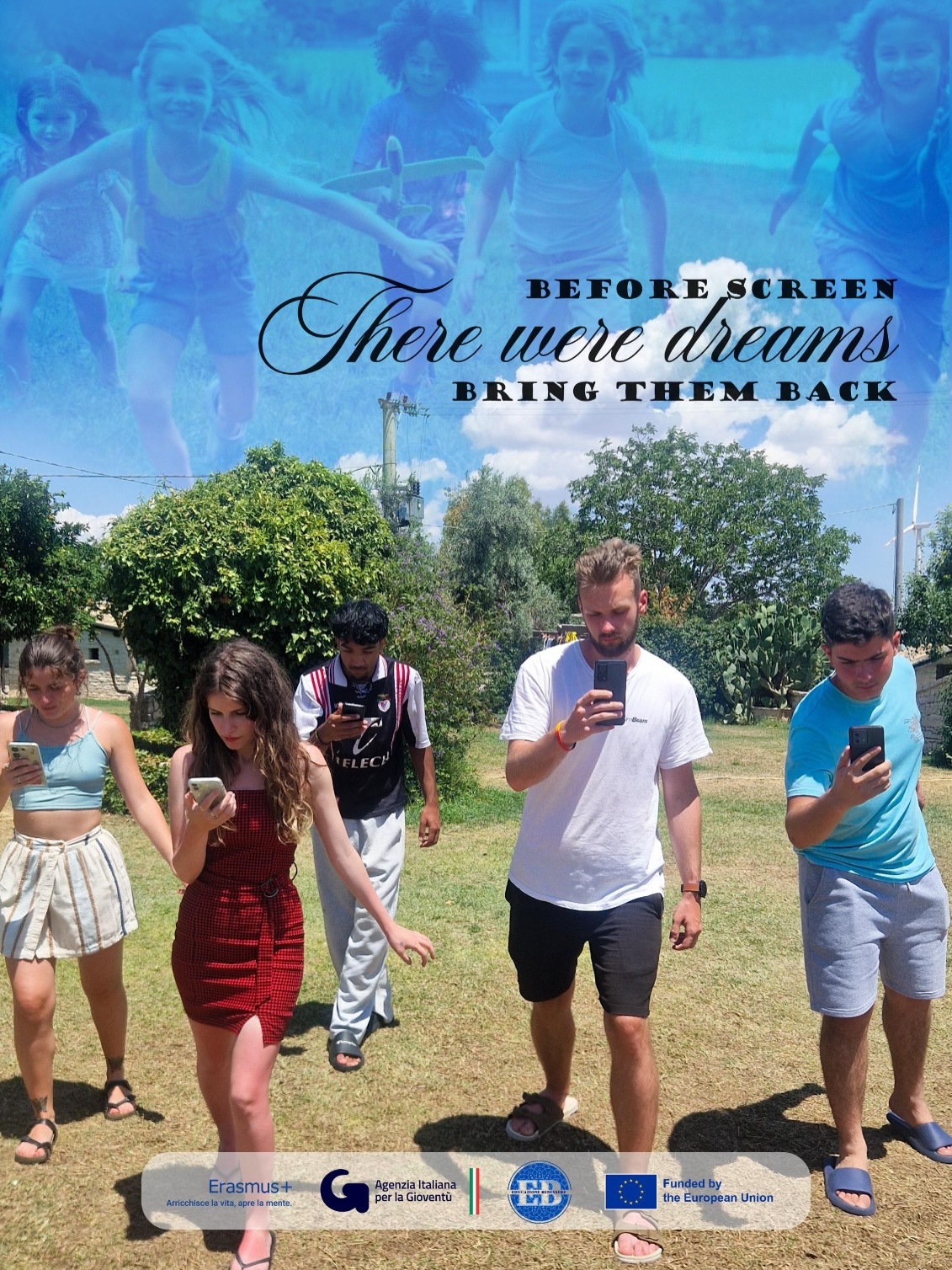
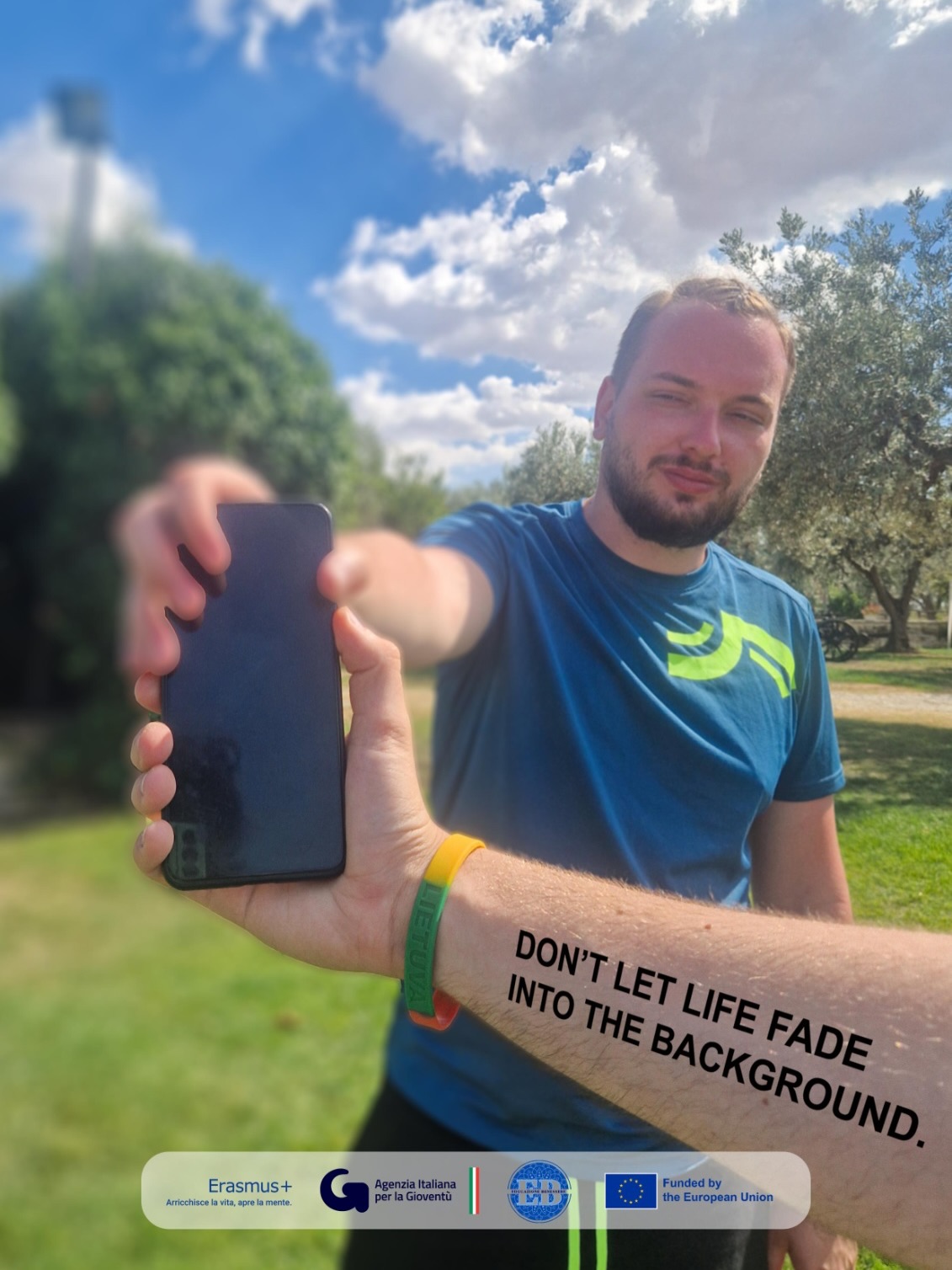
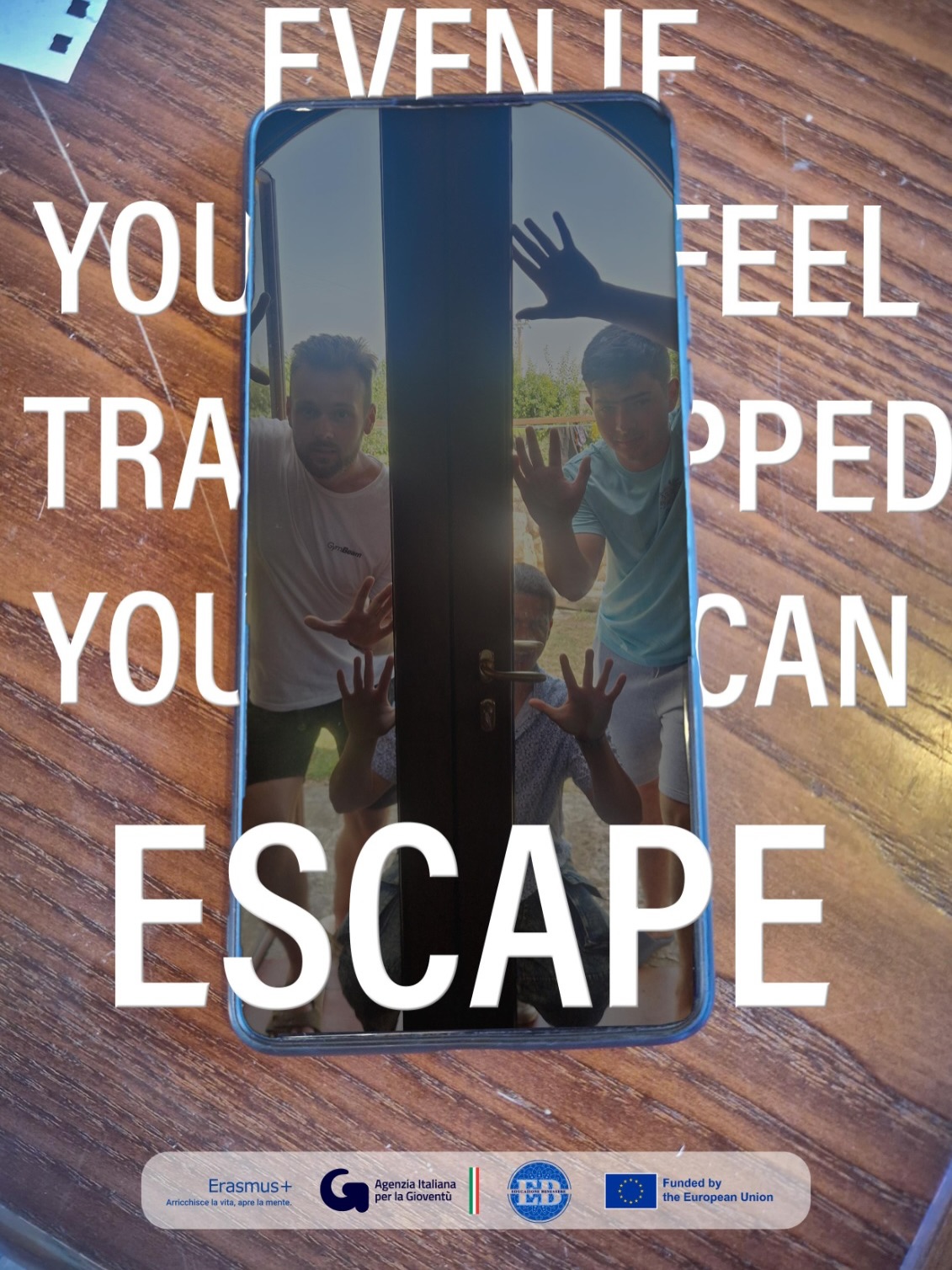
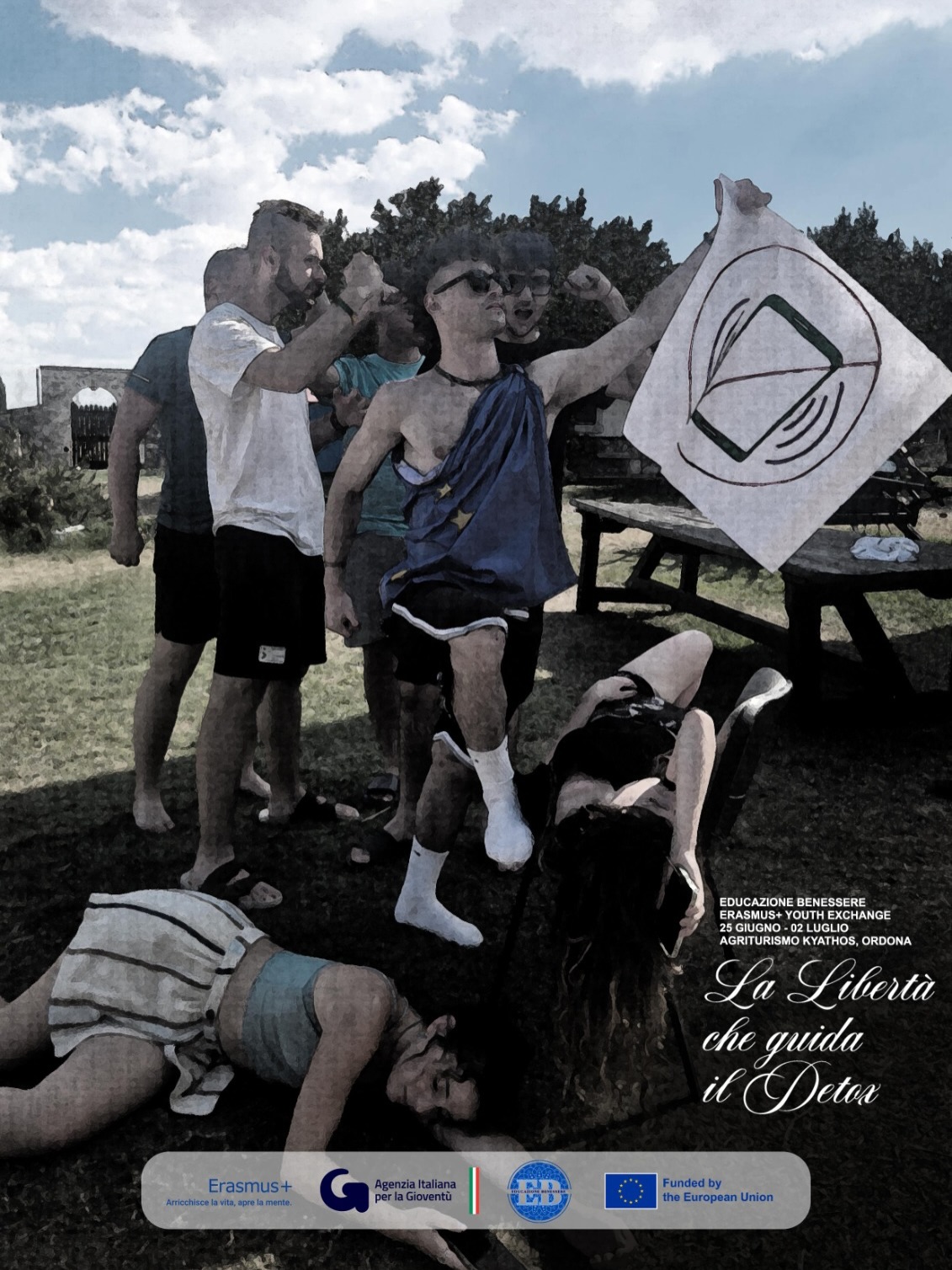
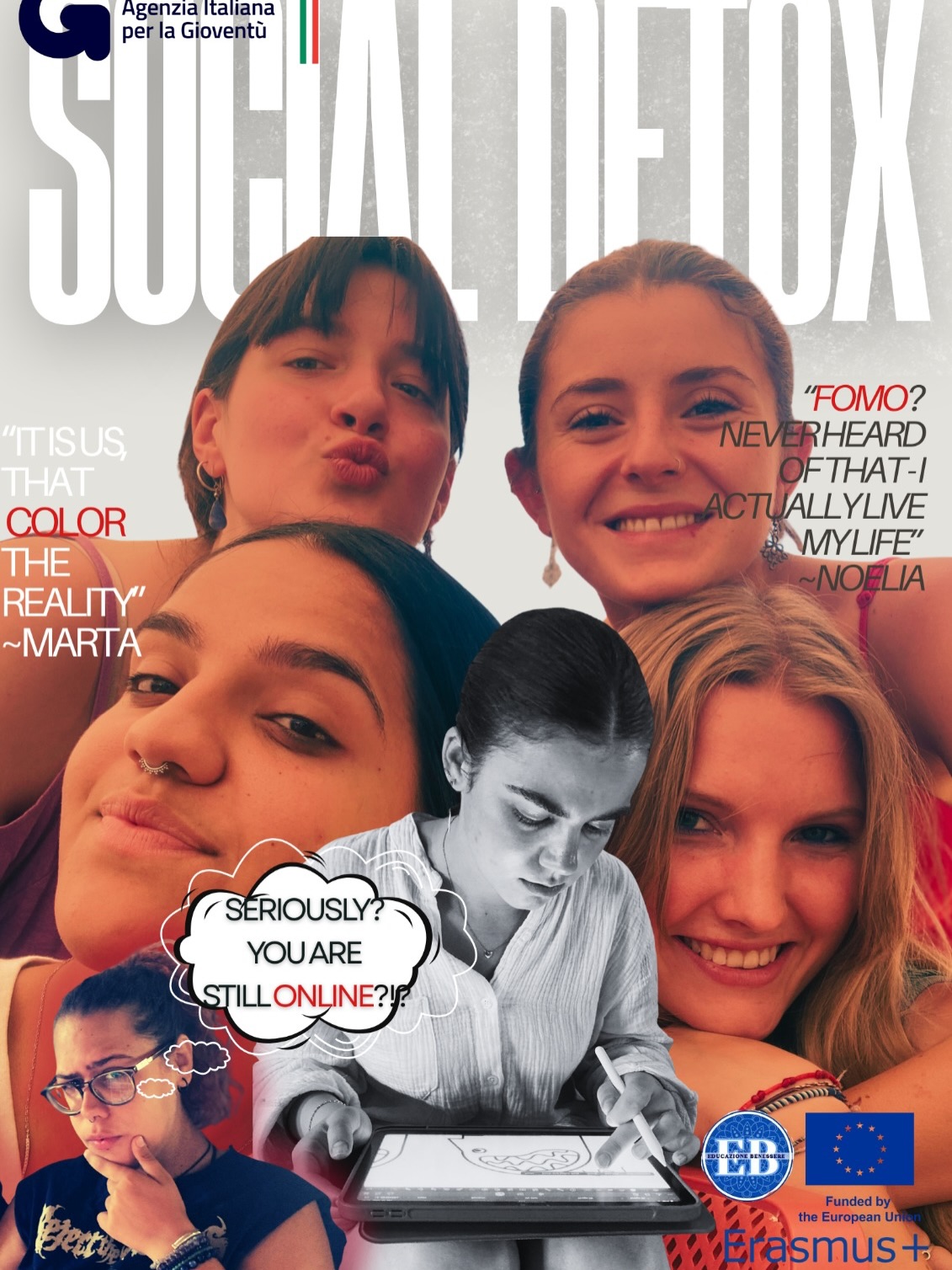
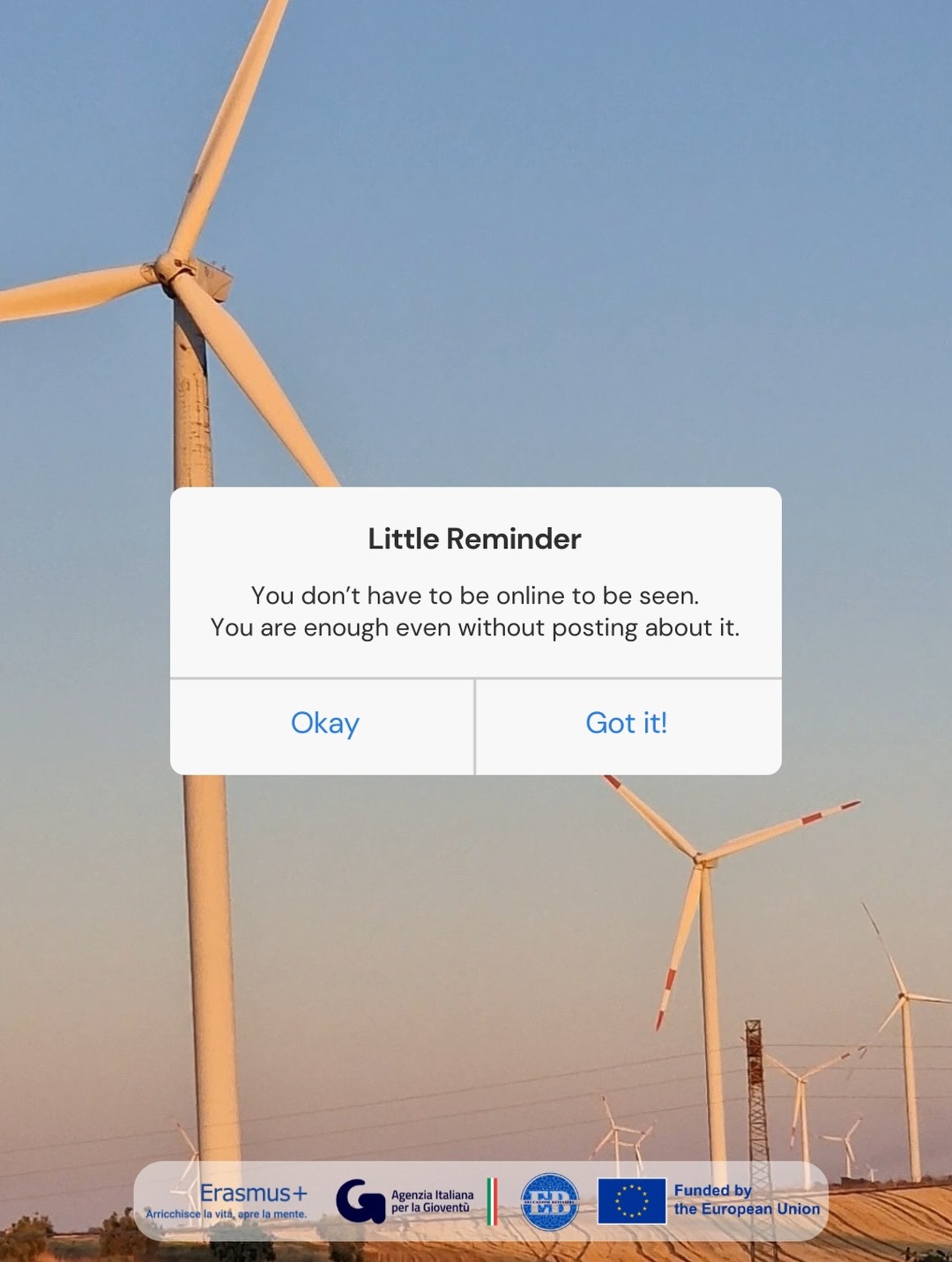
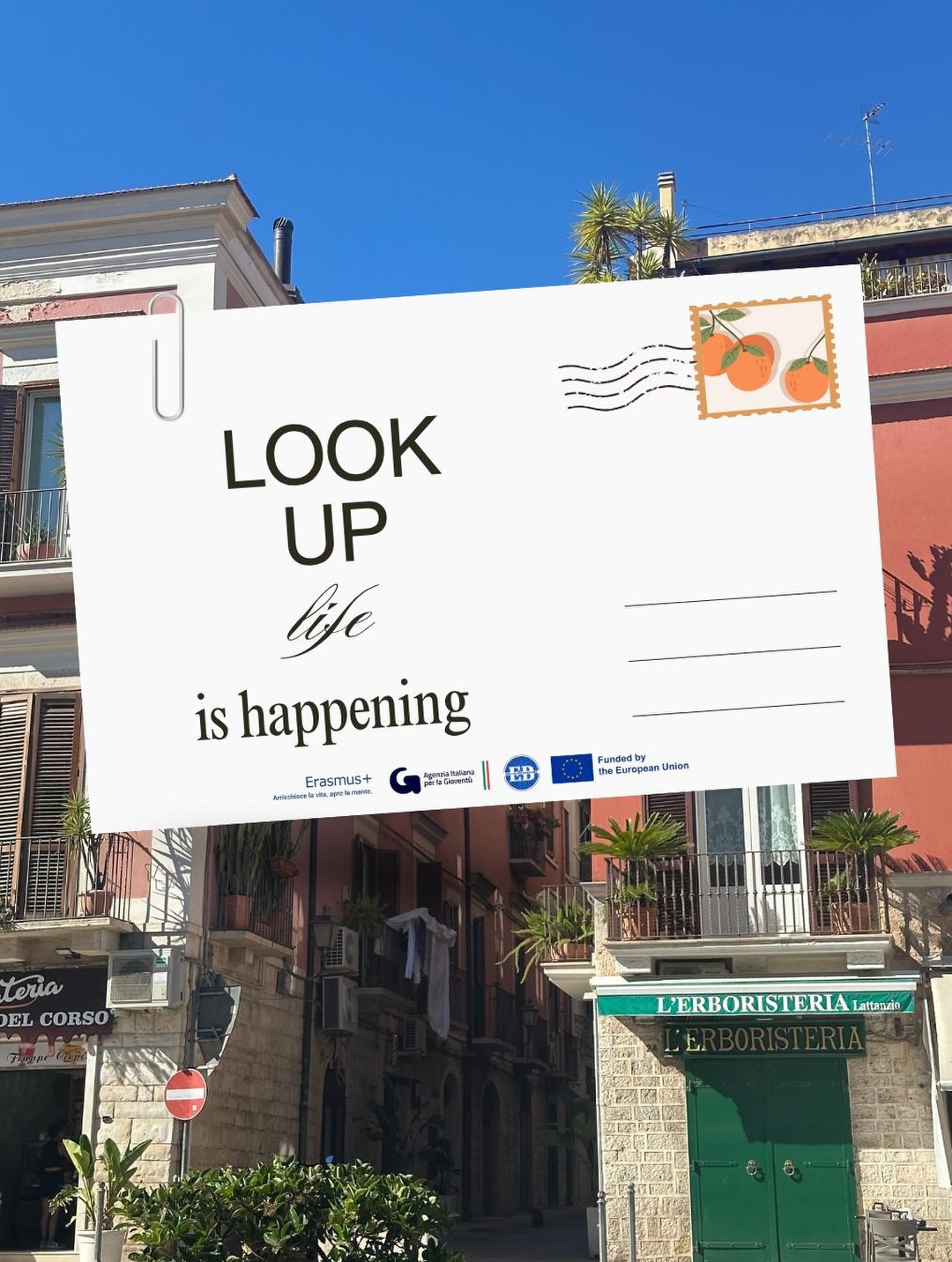
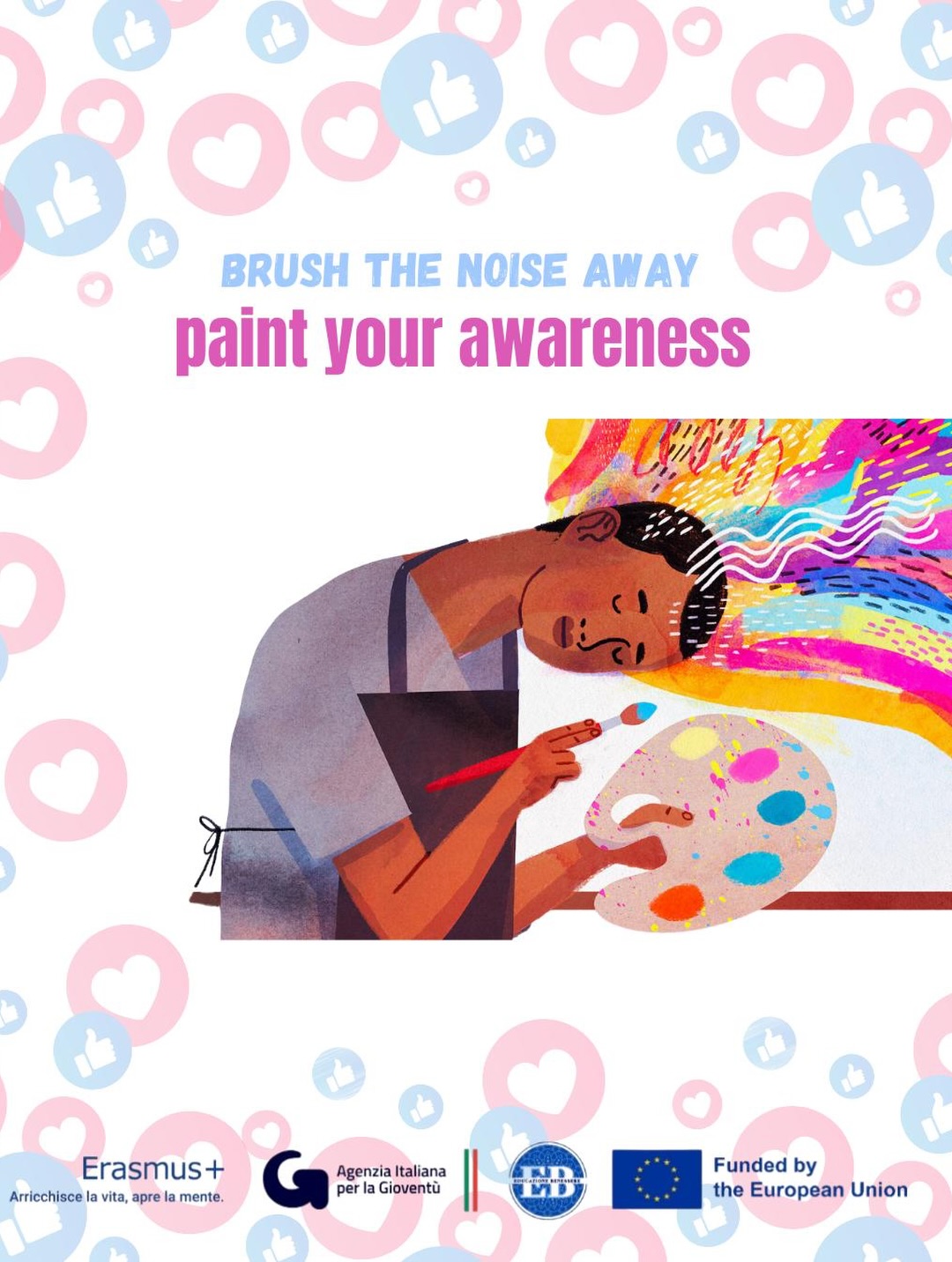
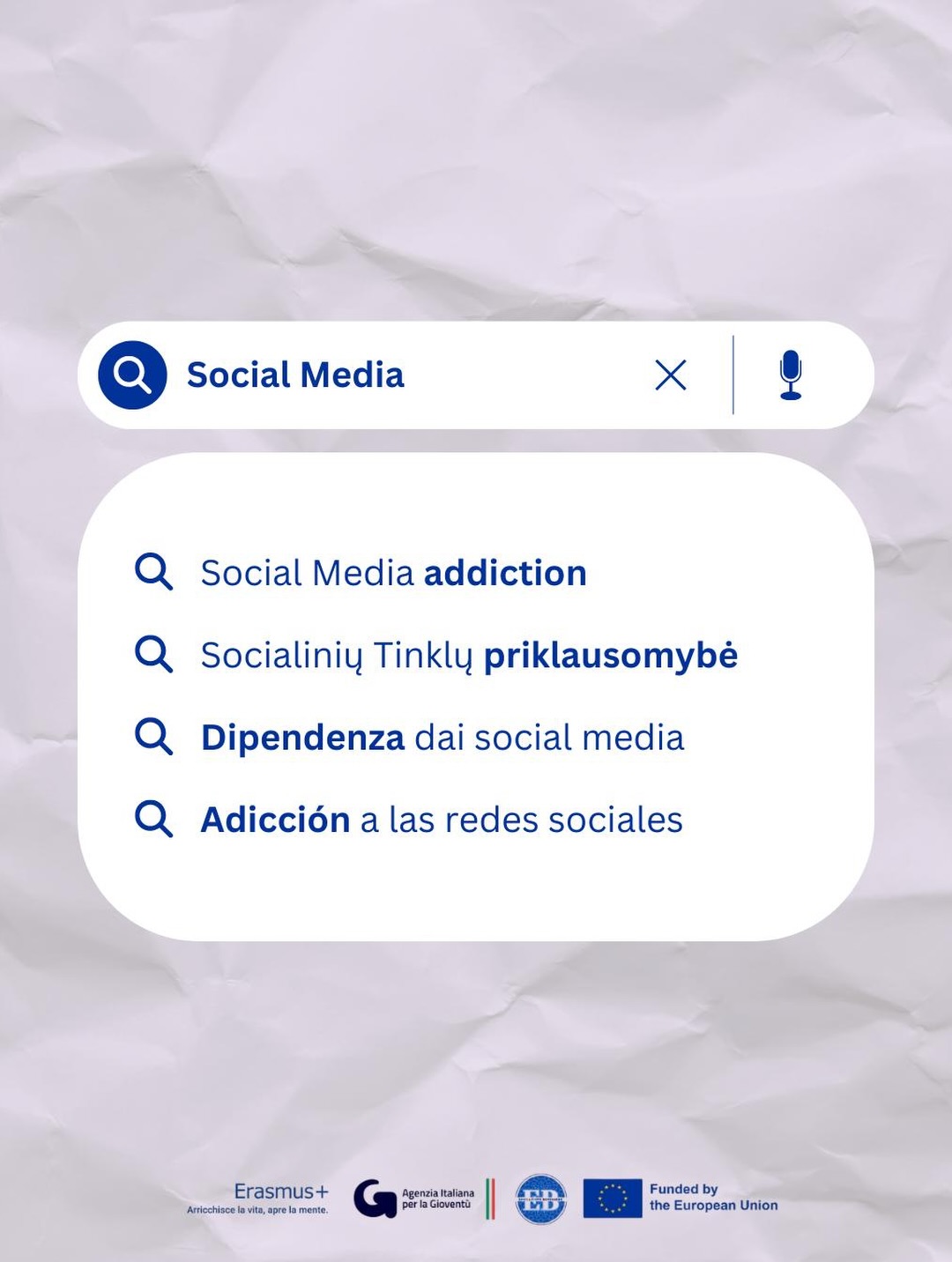
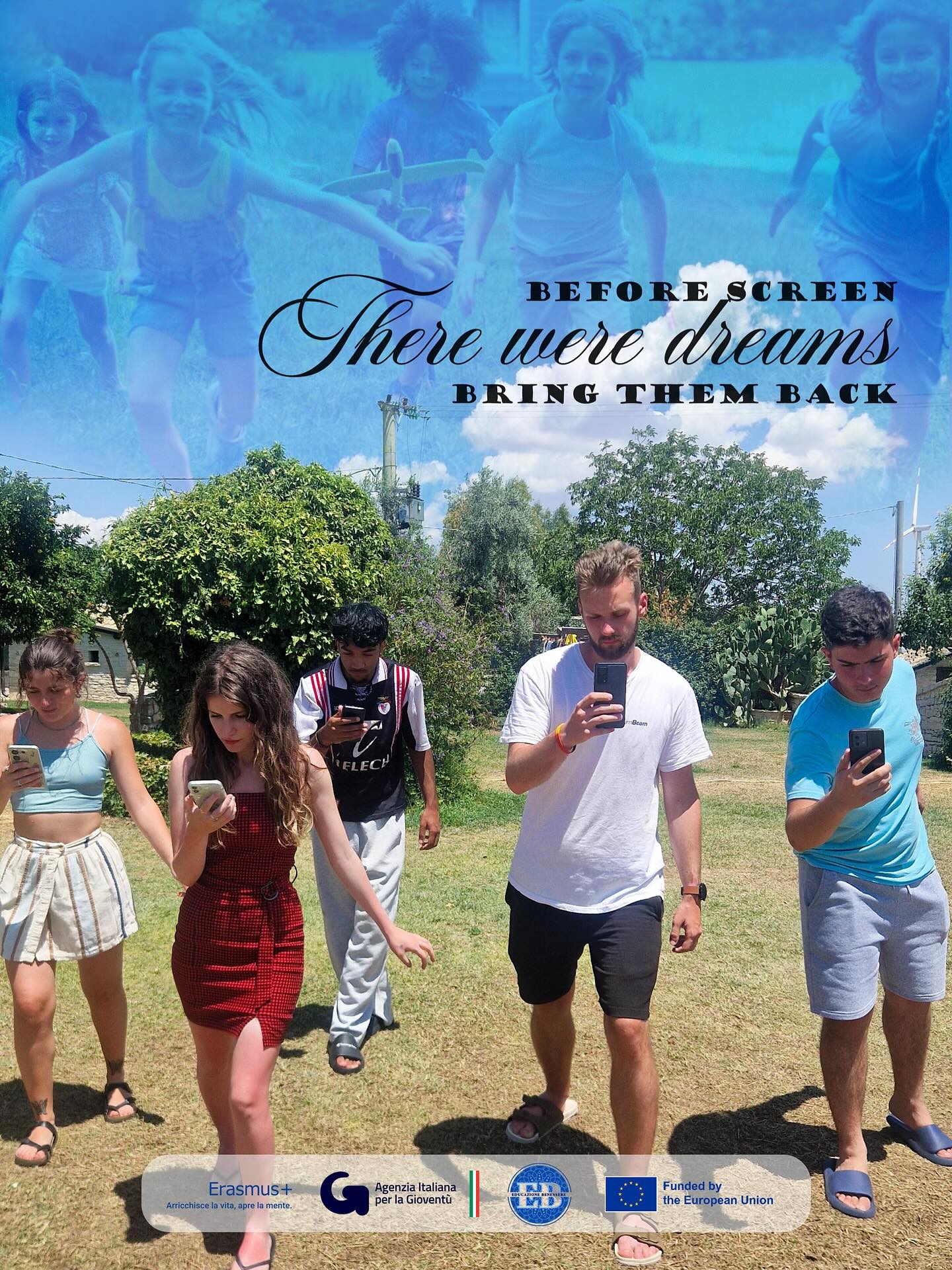
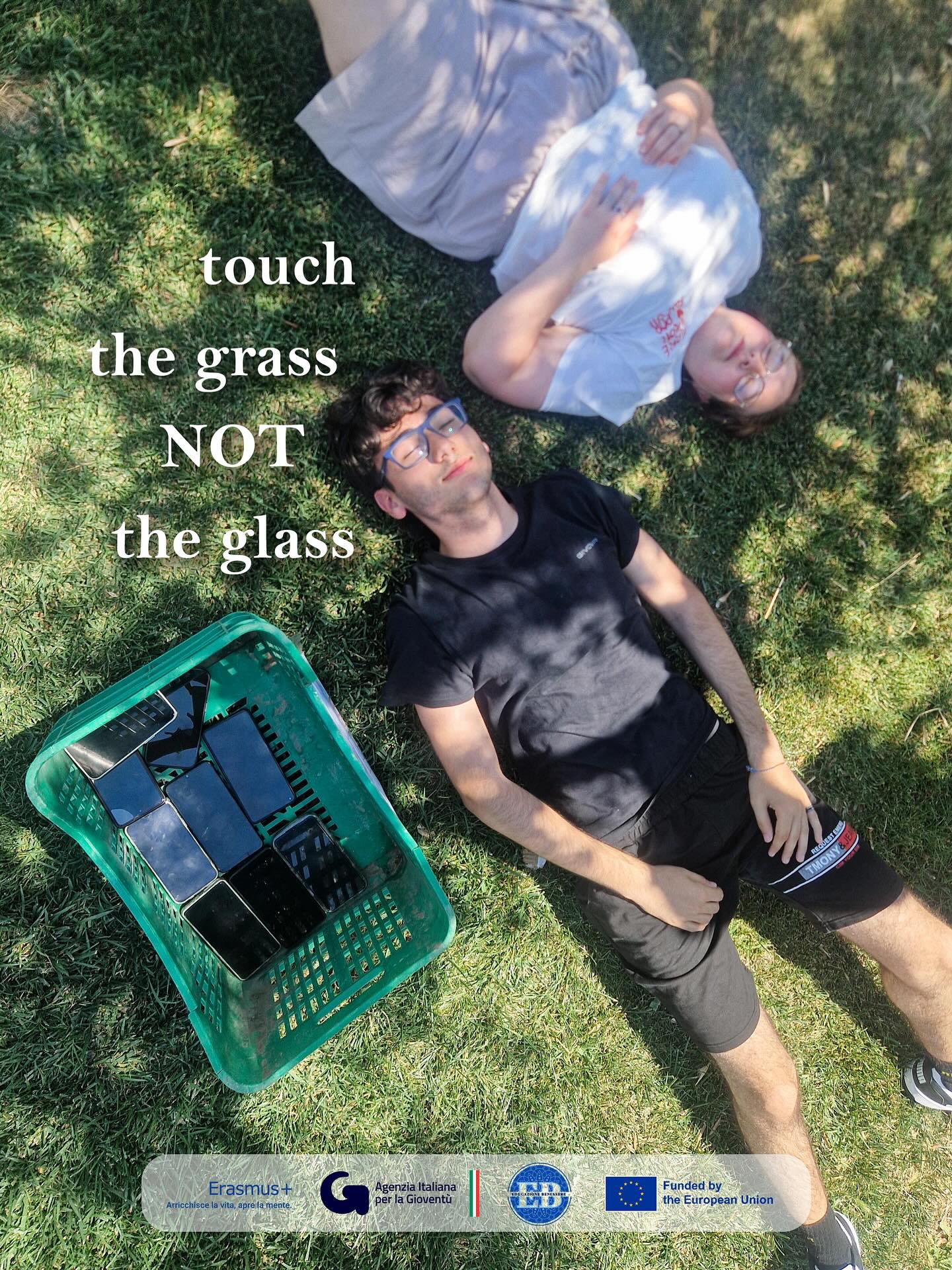
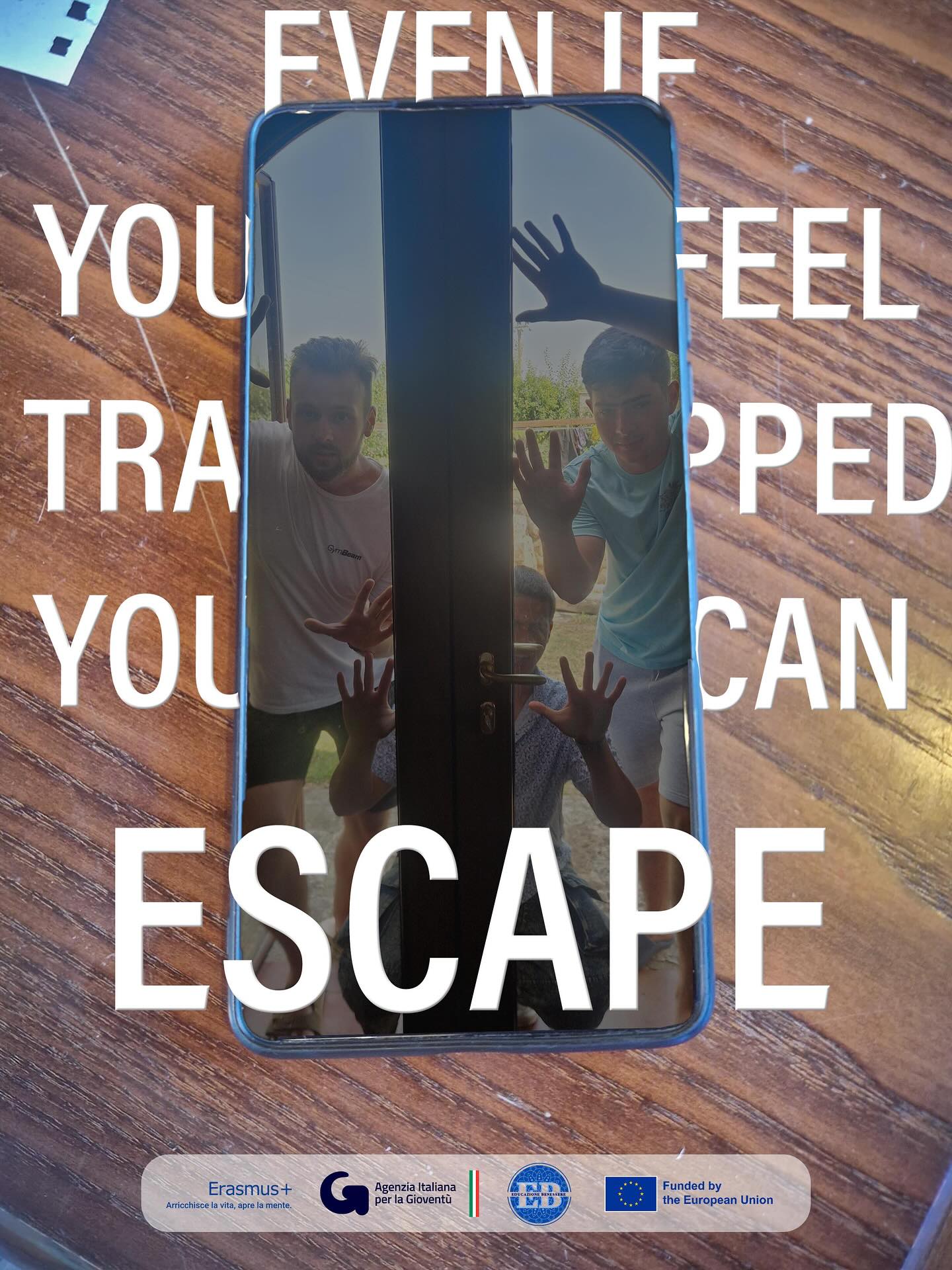
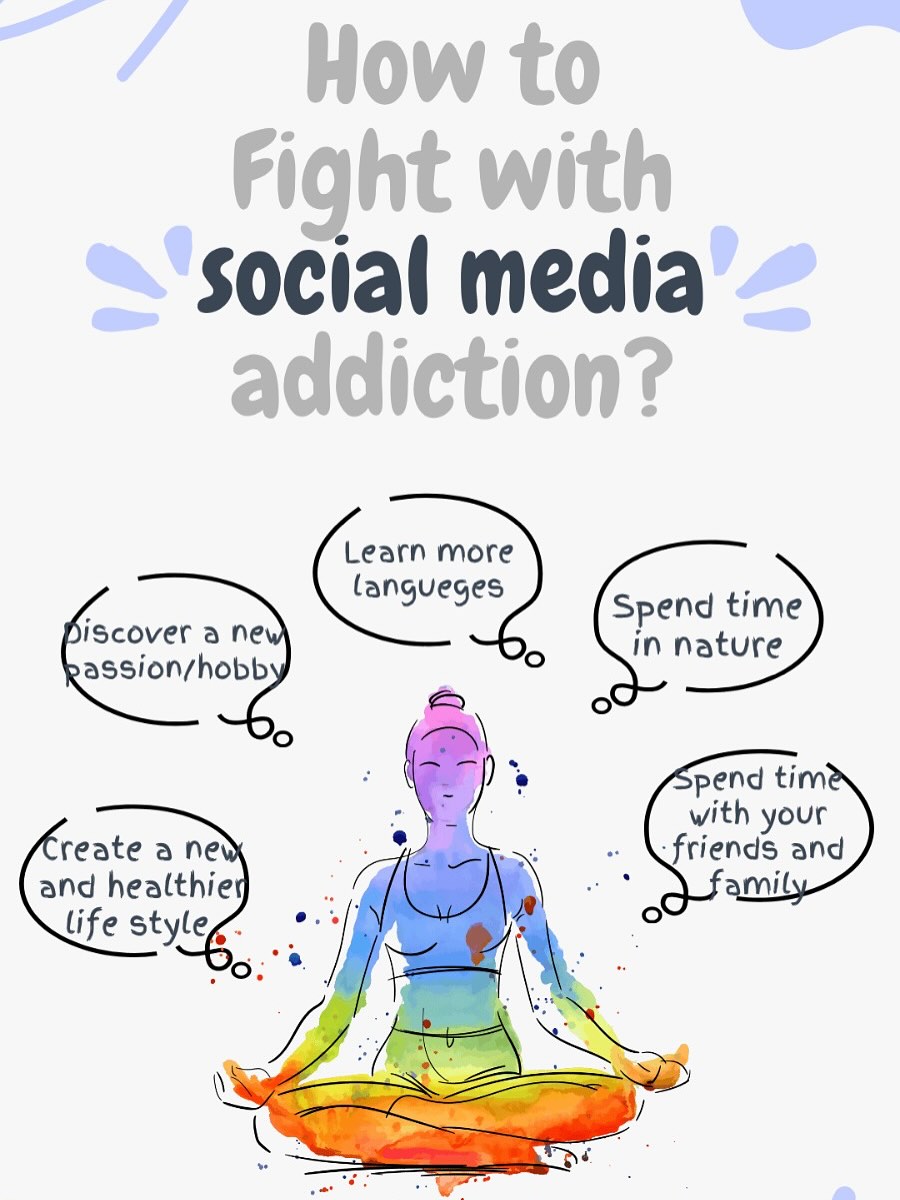
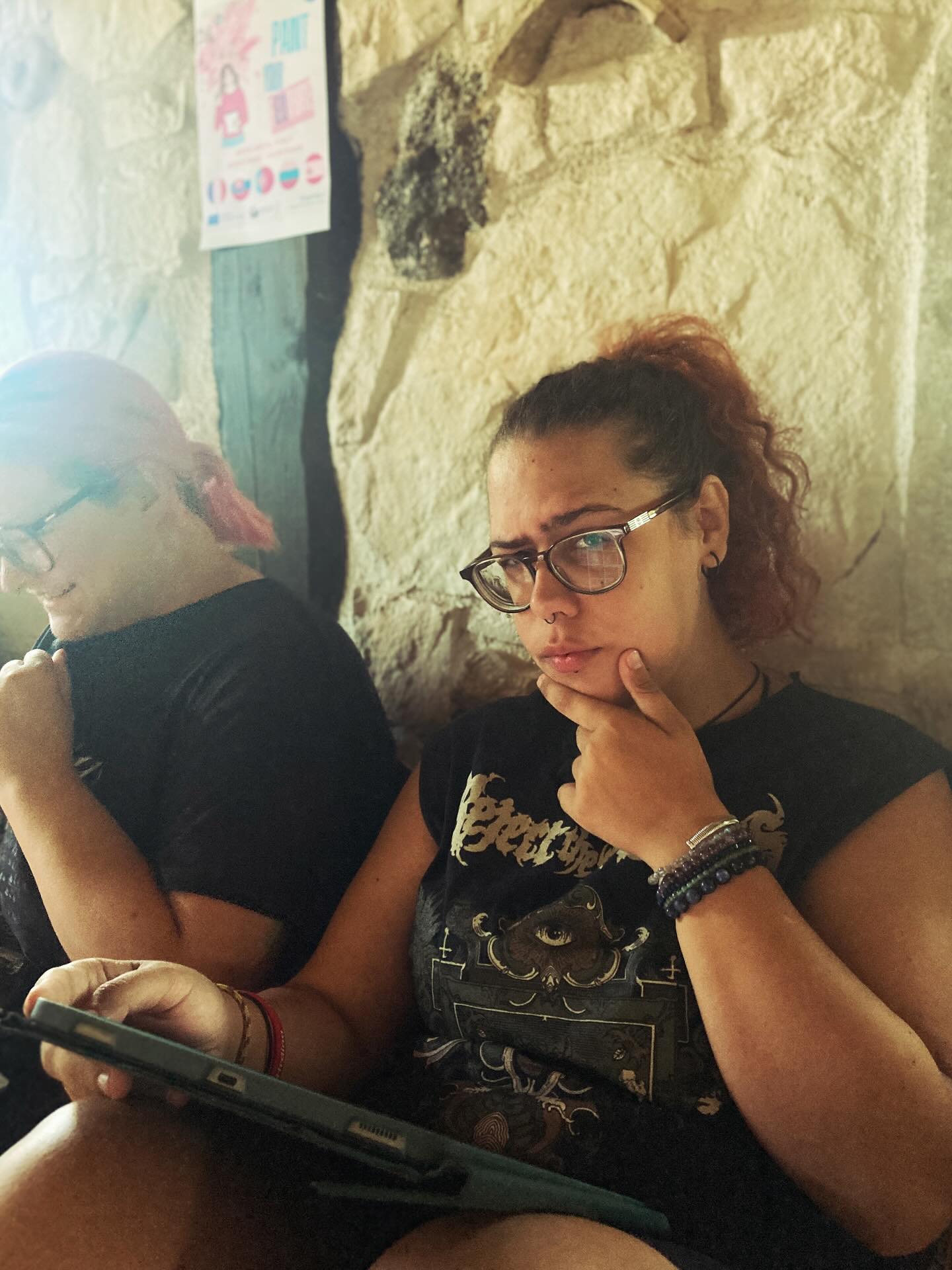
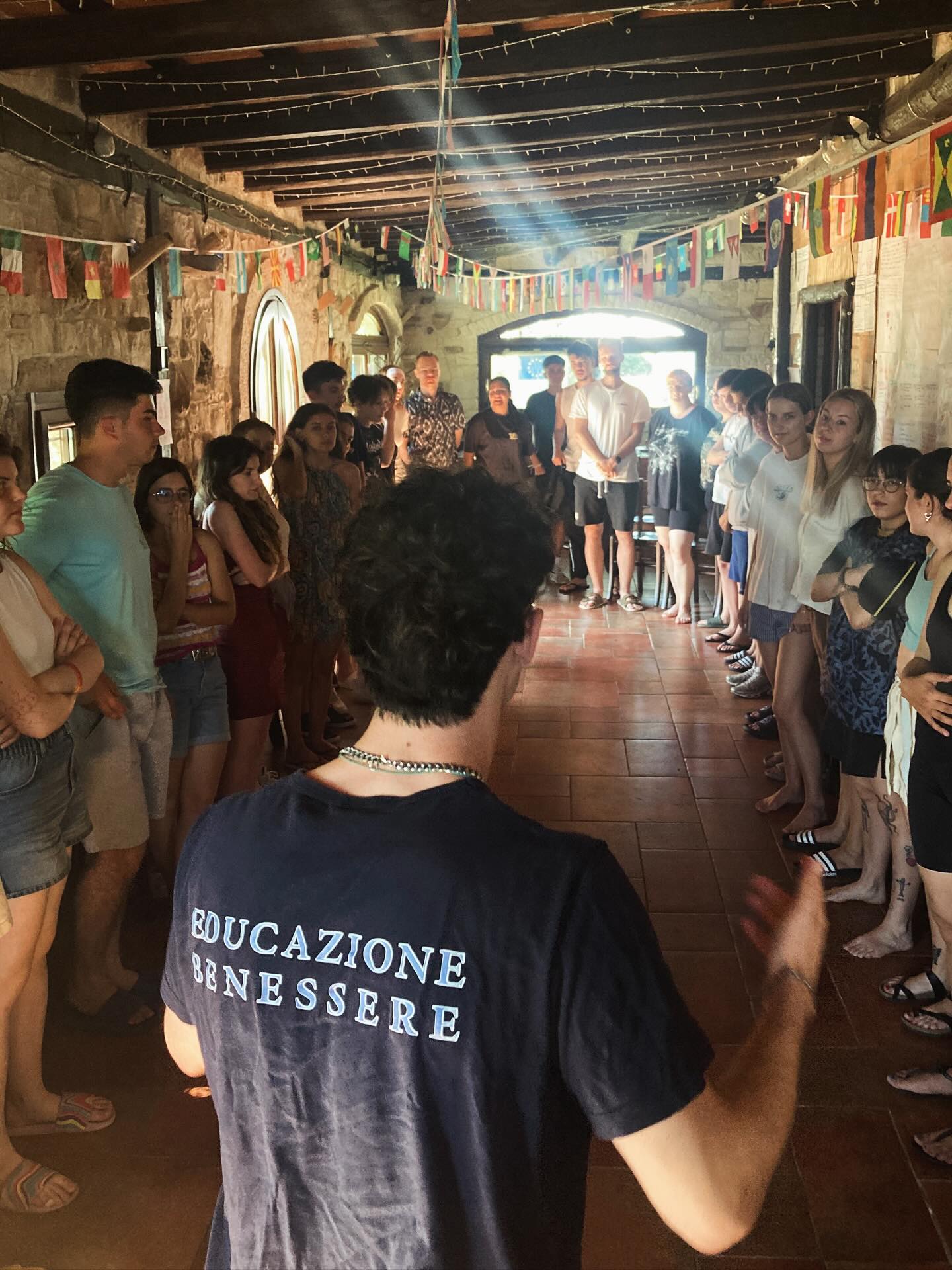
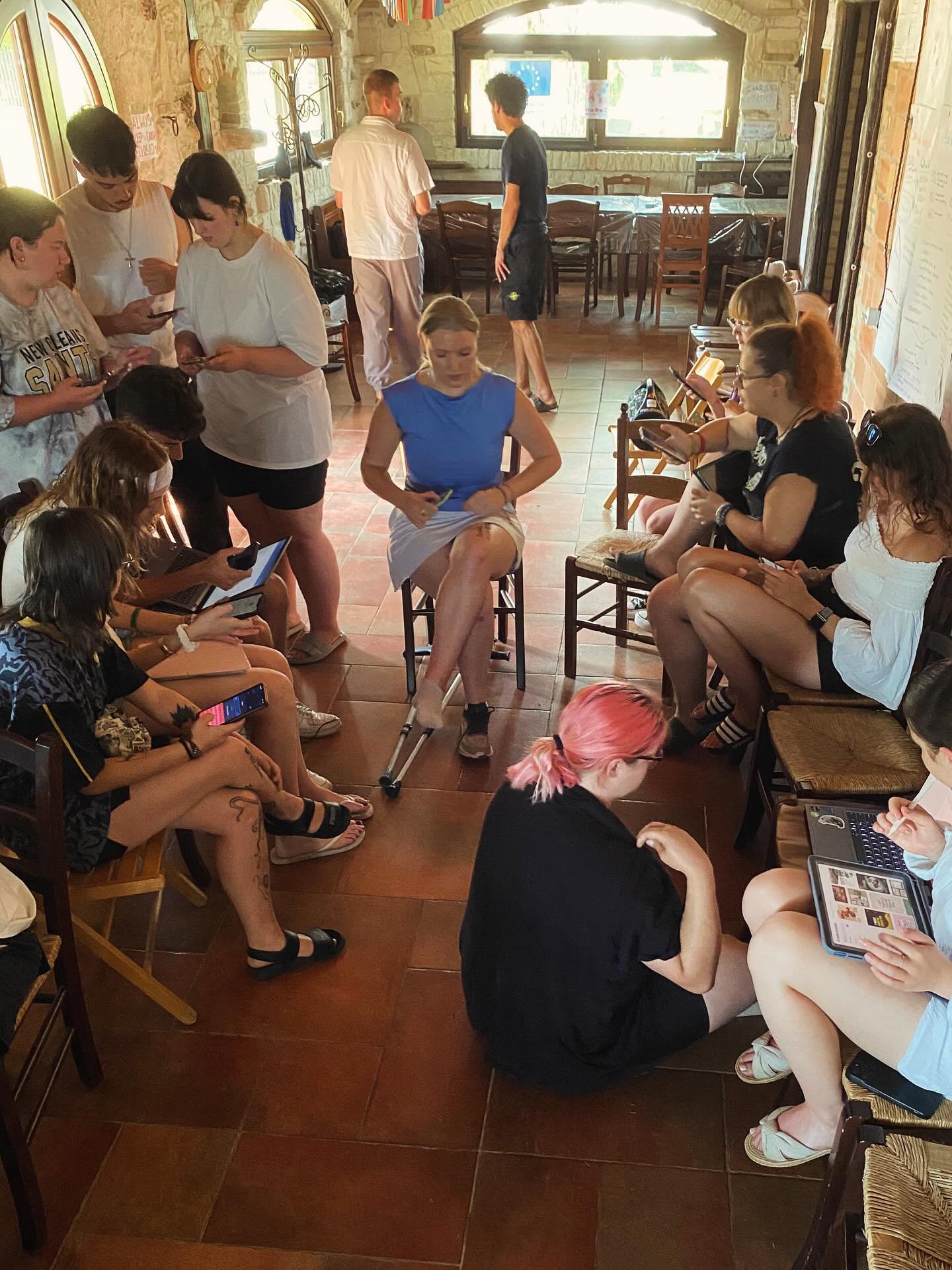
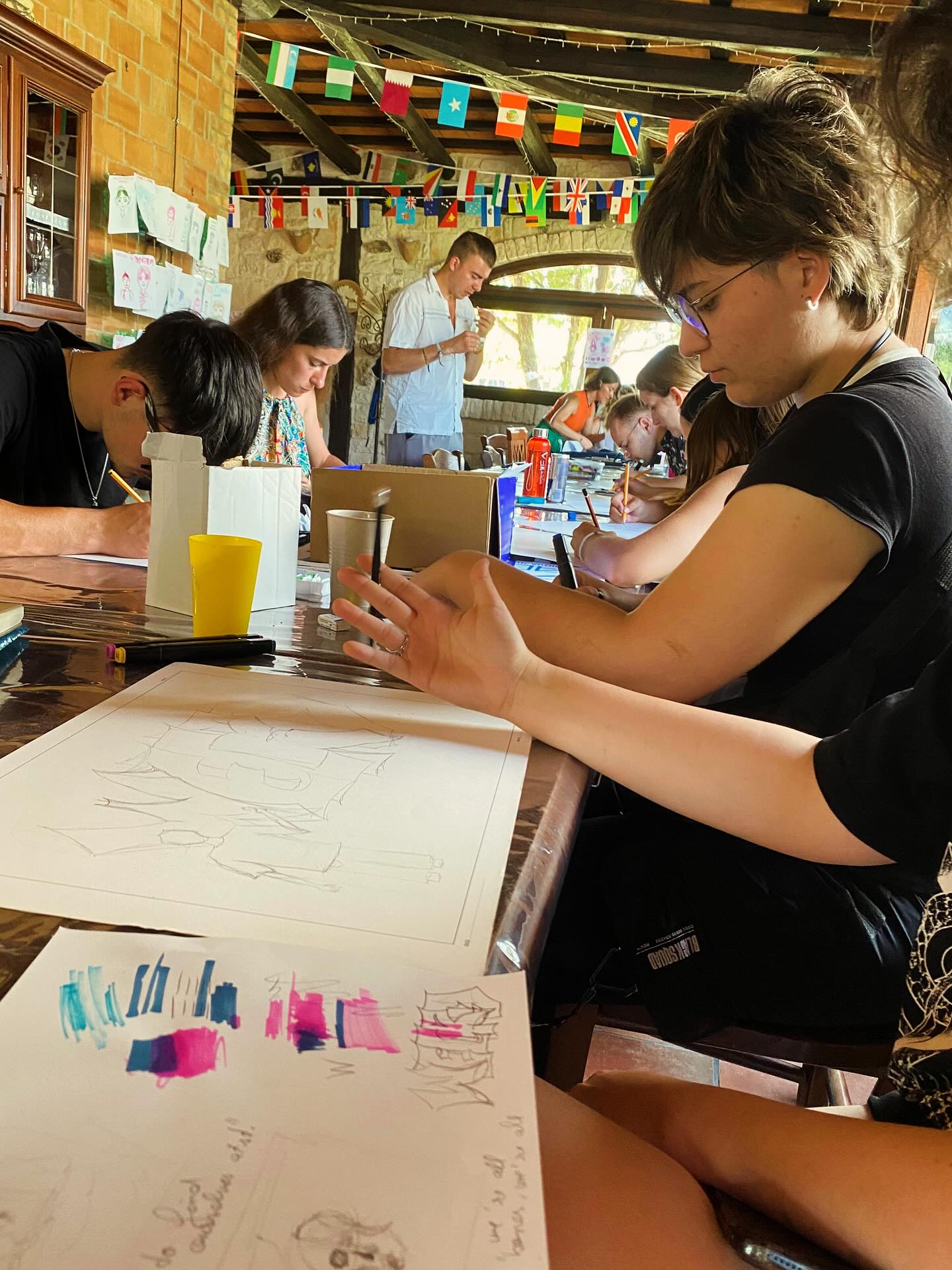
Los Reels se cargan desde Instagram al reproducirlos.
Noticias relacionadas
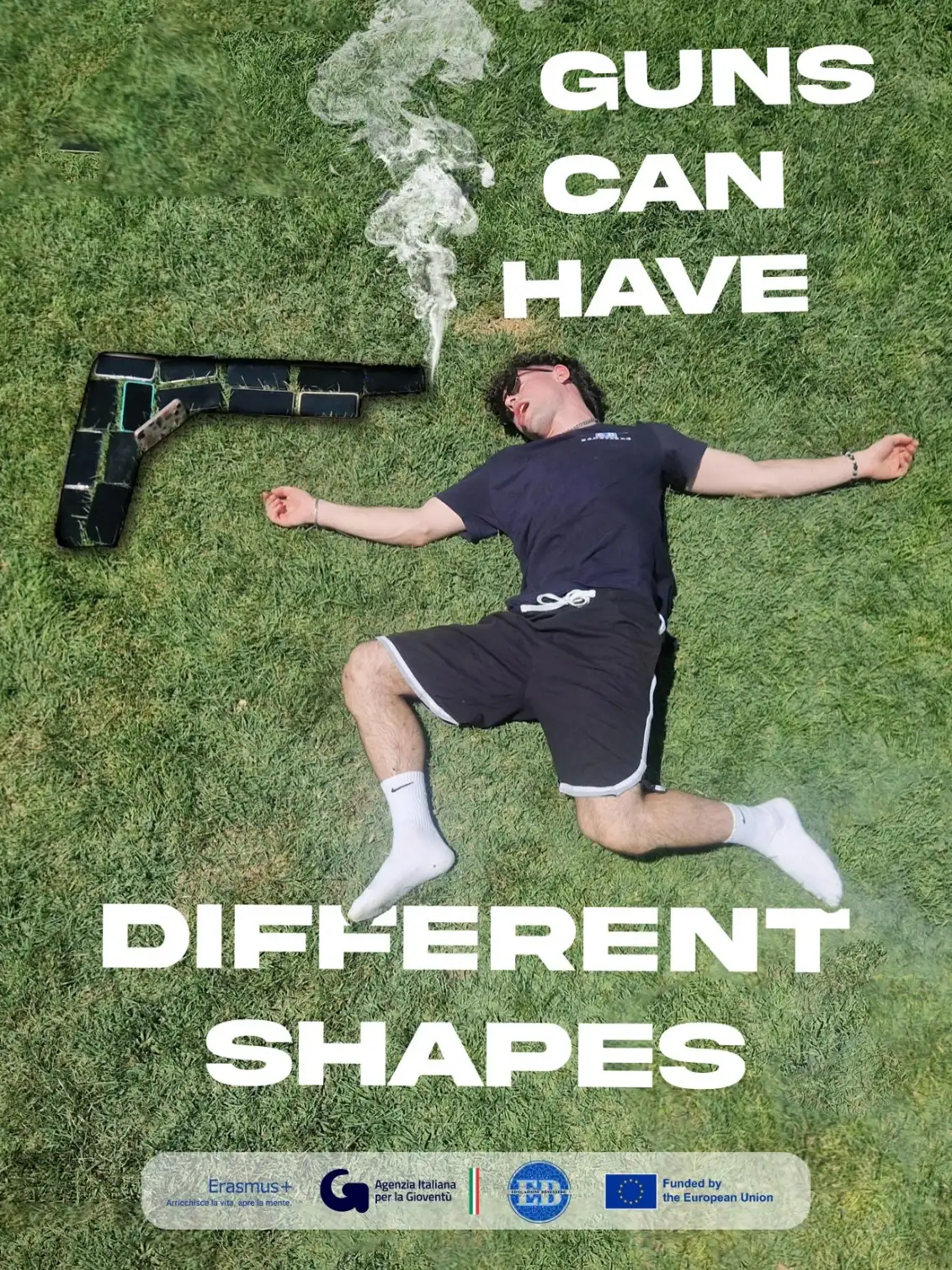
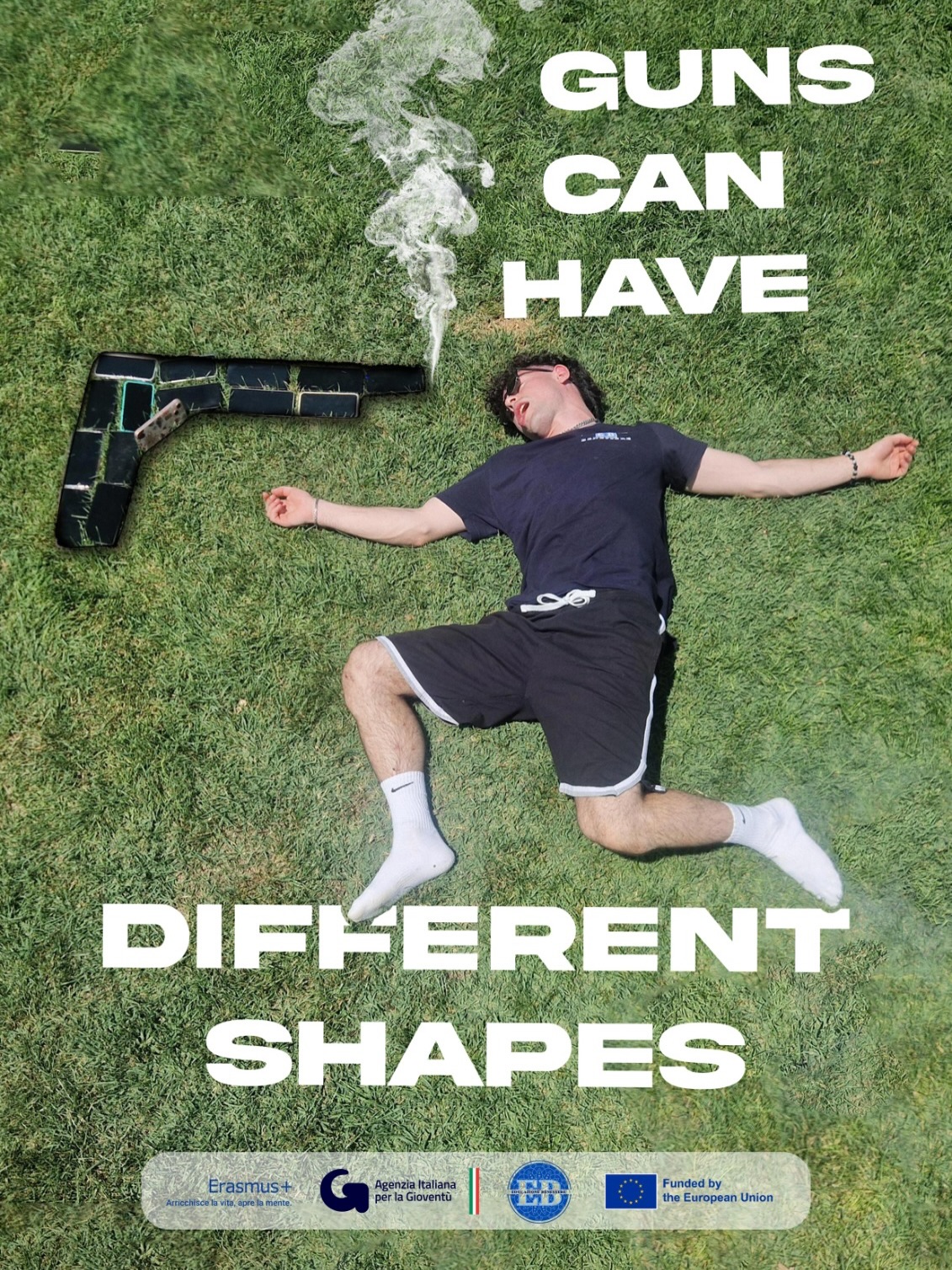
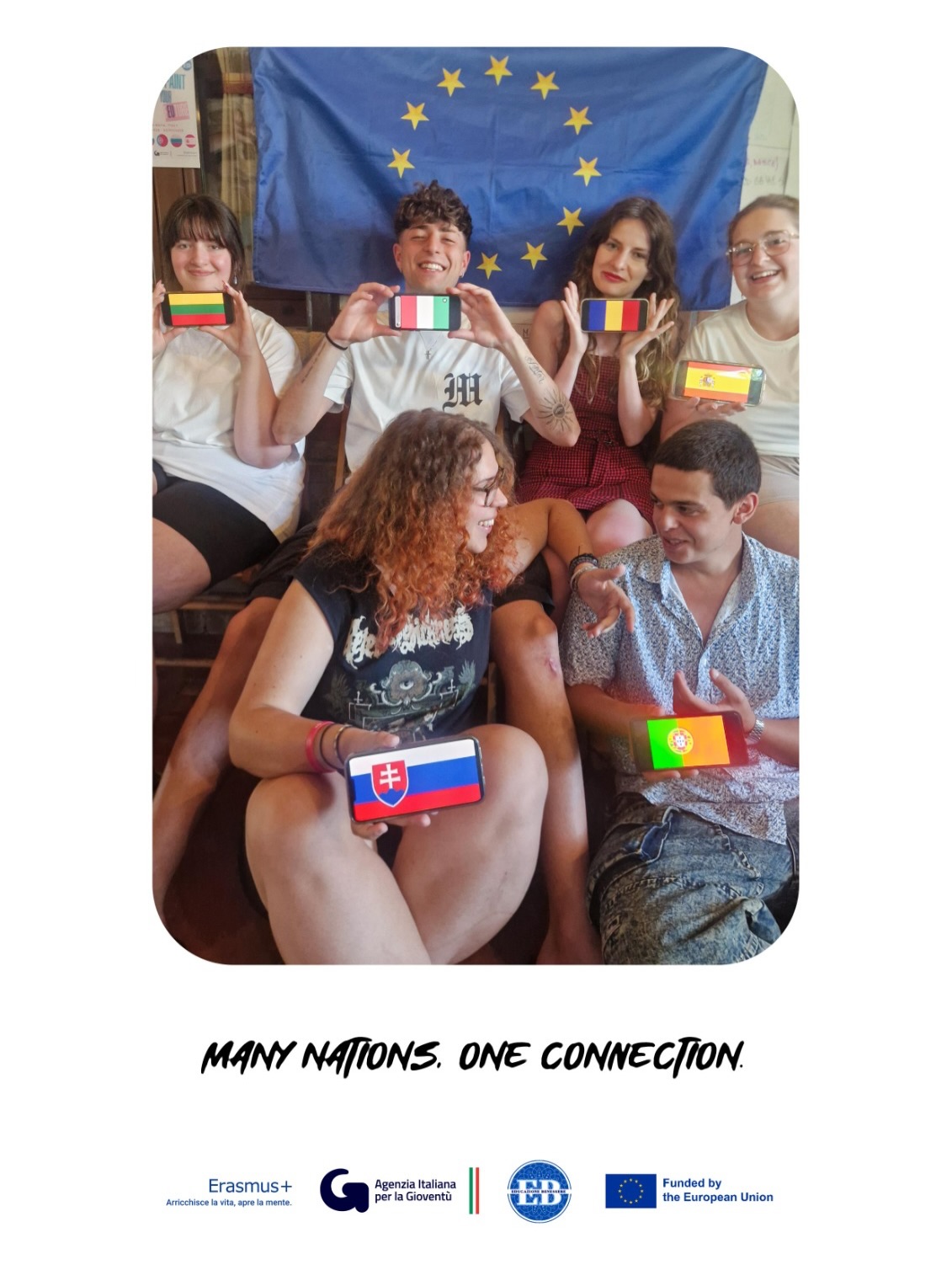
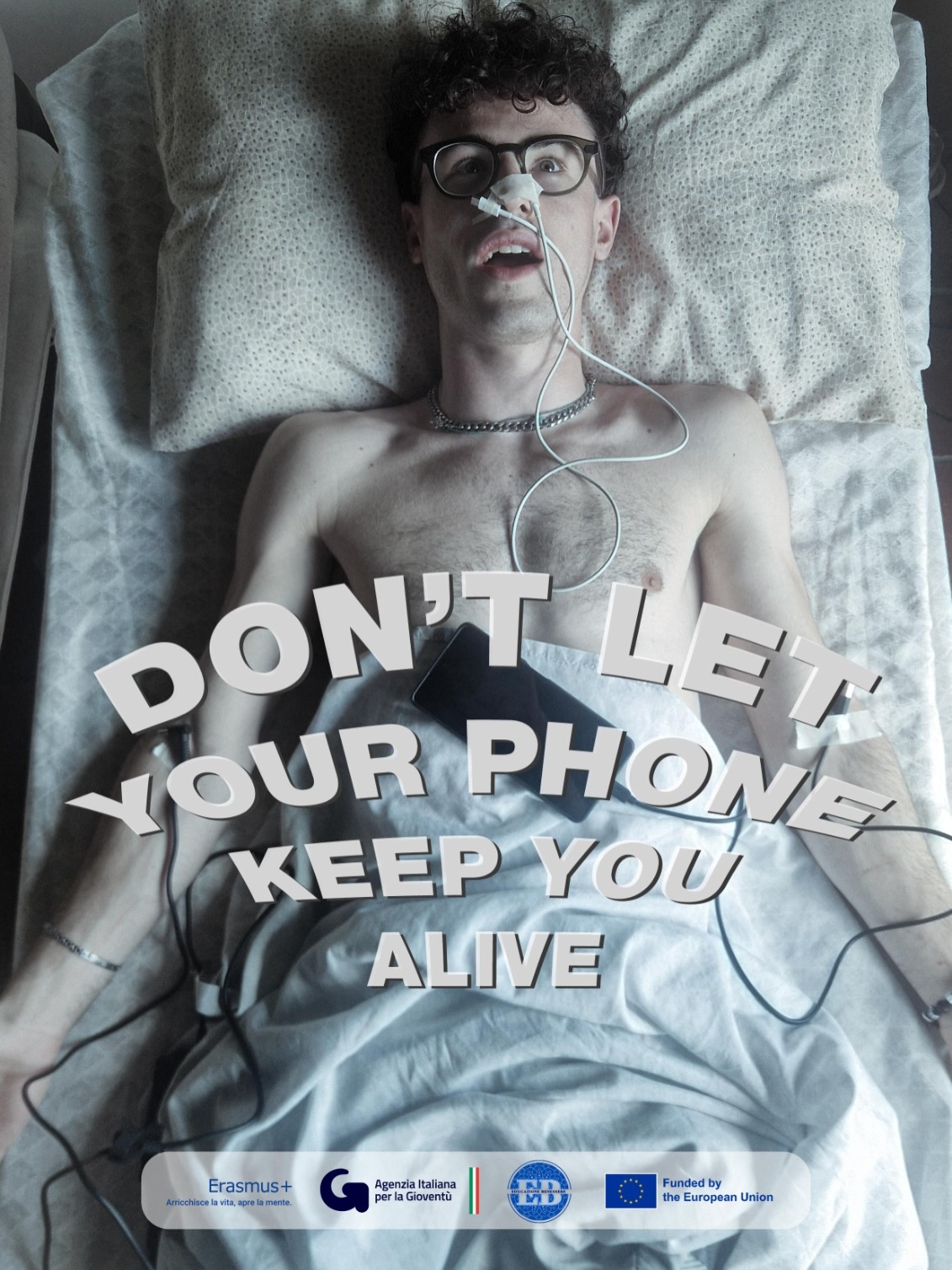
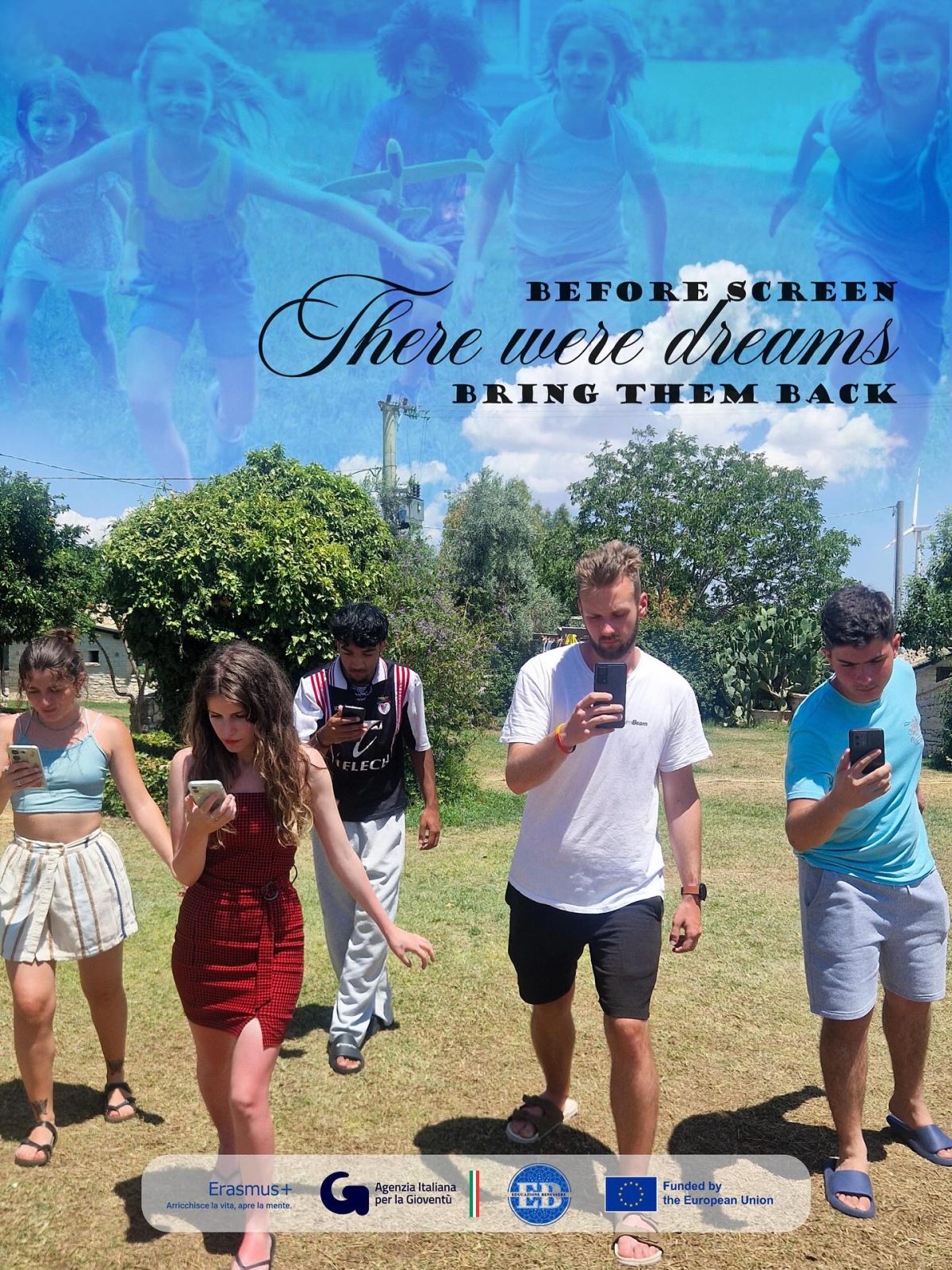
Paint Your fEUture photo concept on social media and wellbeing
The photo concept from “Paint Your fEUture” shows how social media can both connect and isolate us, inviting reflection on digital wellbeing...
Paint Your fEUture participants present their digital creations
Participants designed visuals in Canva that turn reflections on social media addiction into messages for awareness, empathy and change.
“Paint your fEUture” raises awareness of youth mental health
The Erasmus+ youth exchange “Paint your fEUture” tackles mental health, cyberbullying, hate speech and media illiteracy among young people.
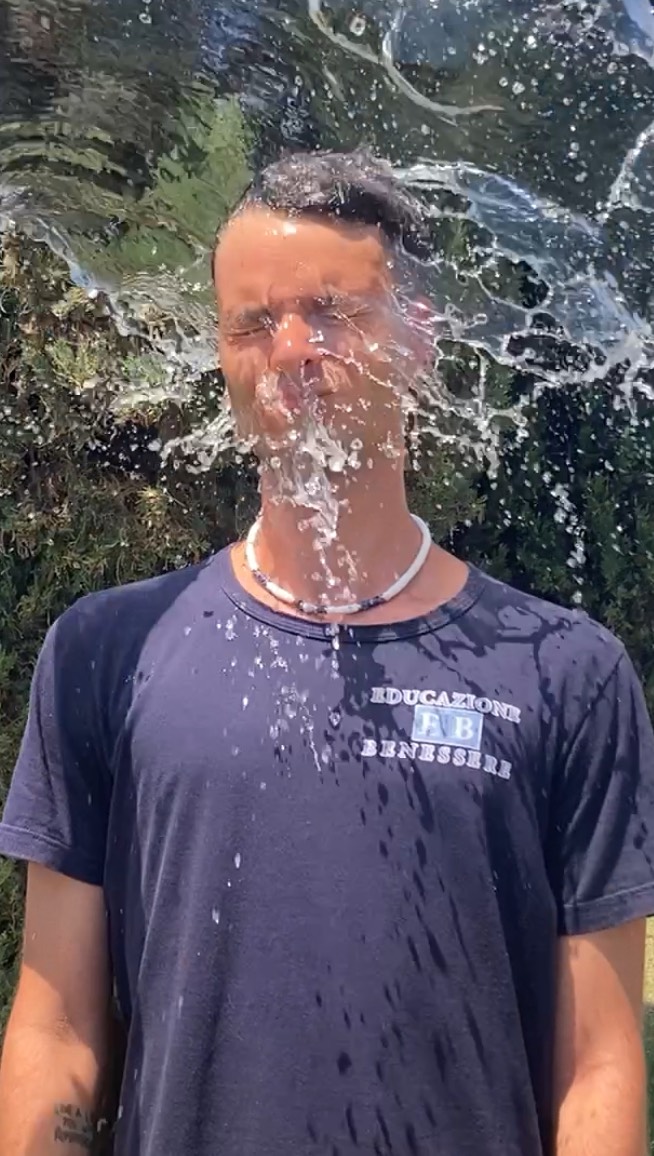
Un agradecimiento a los participantes de “Paint Your fEUture”
Los anfitriones del intercambio juvenil “Paint Your fEUture” dan las gracias a los participantes por una semana especial.
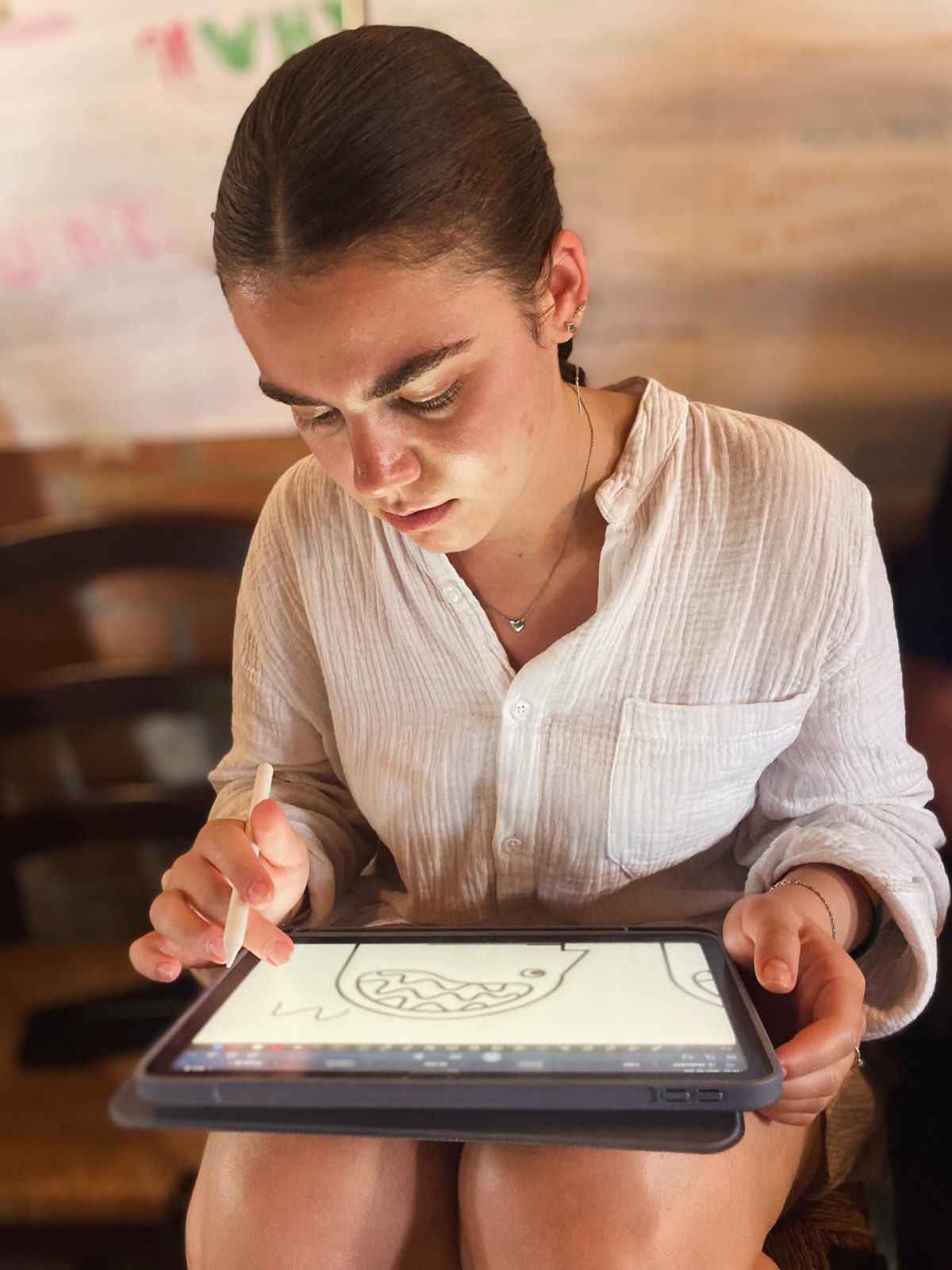
Paint Your fEUture: reality versus virtuality and creative workshops
Participants of the “Paint Your fEUture” youth exchange compared reality and virtuality, then worked on digital graphics, photo concepts and...
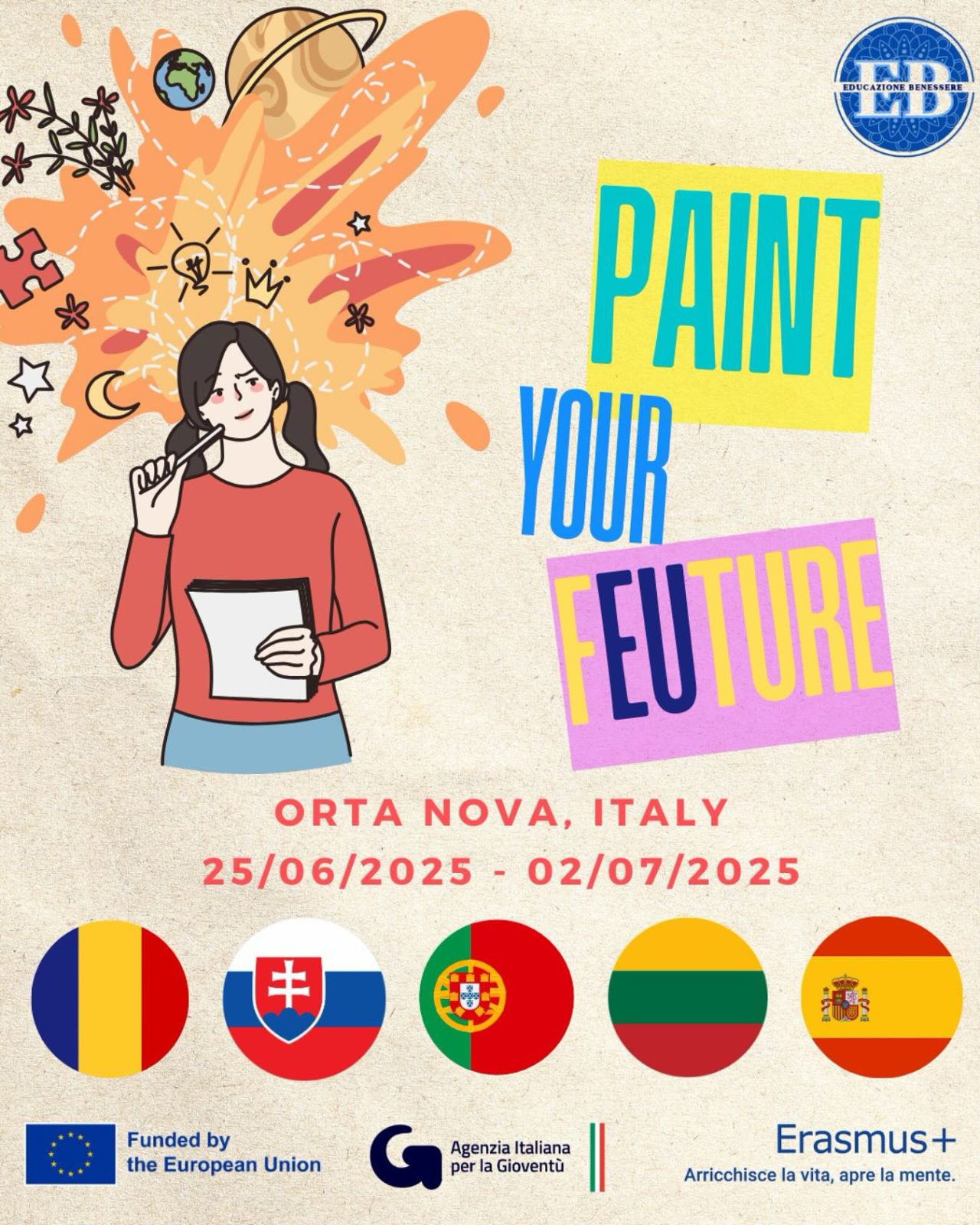
Youth exchange “Paint your fEUture” approved under Erasmus+
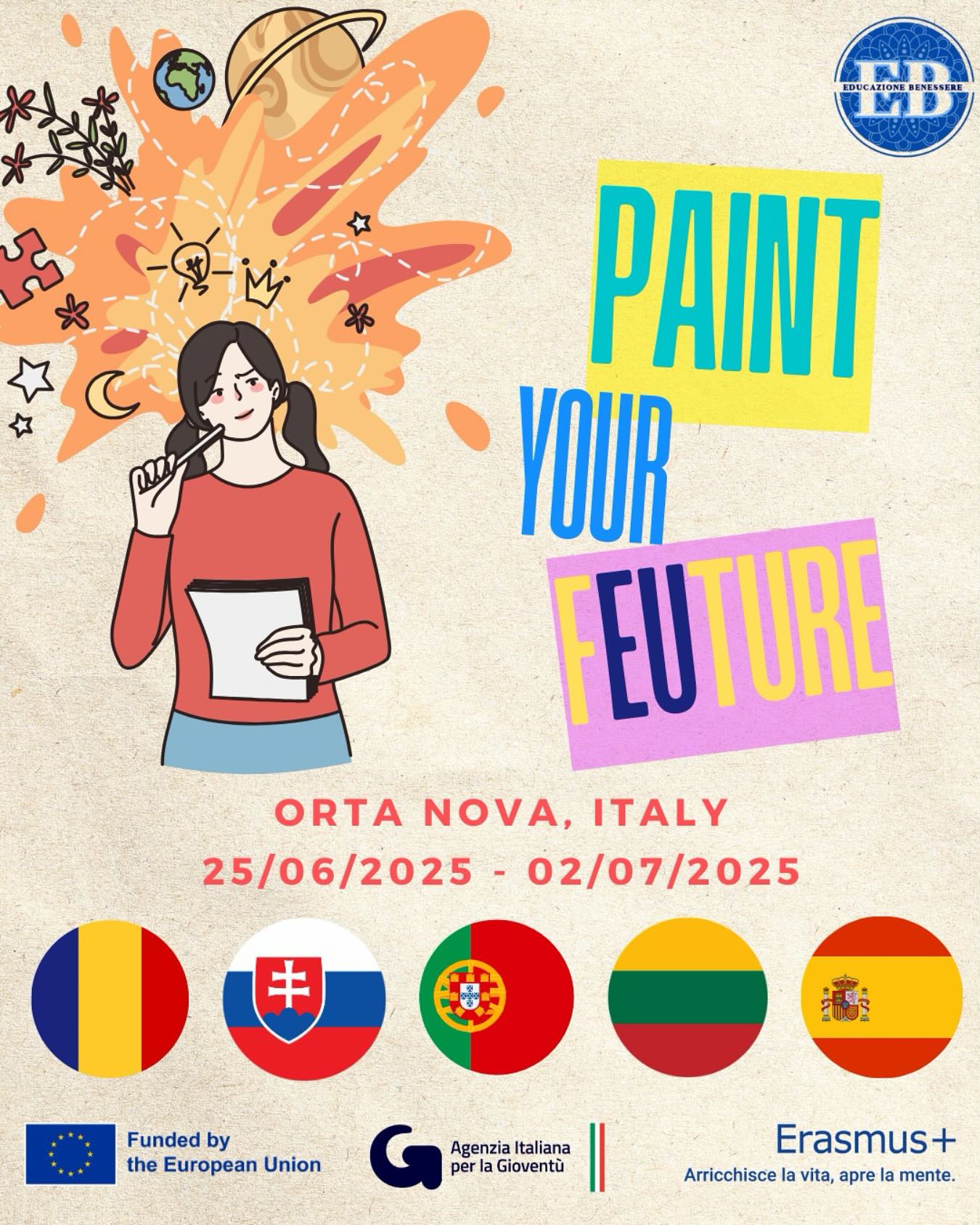
The KA152 youth exchange “Paint your fEUture”, with VerdeSur as a partner, has been approved and funded by Erasmus+.
Co-funded by the European Union. Views and opinions expressed are however those of the author(s) only and do not necessarily reflect those of the European Union or the Italian National Agency for Youth (Agenzia Italiana per la Gioventù). Neither the European Union nor the granting authority can be held responsible for them.